Locksmith in Turkey Point, OntarioMoving out?Hand over a clean slate.
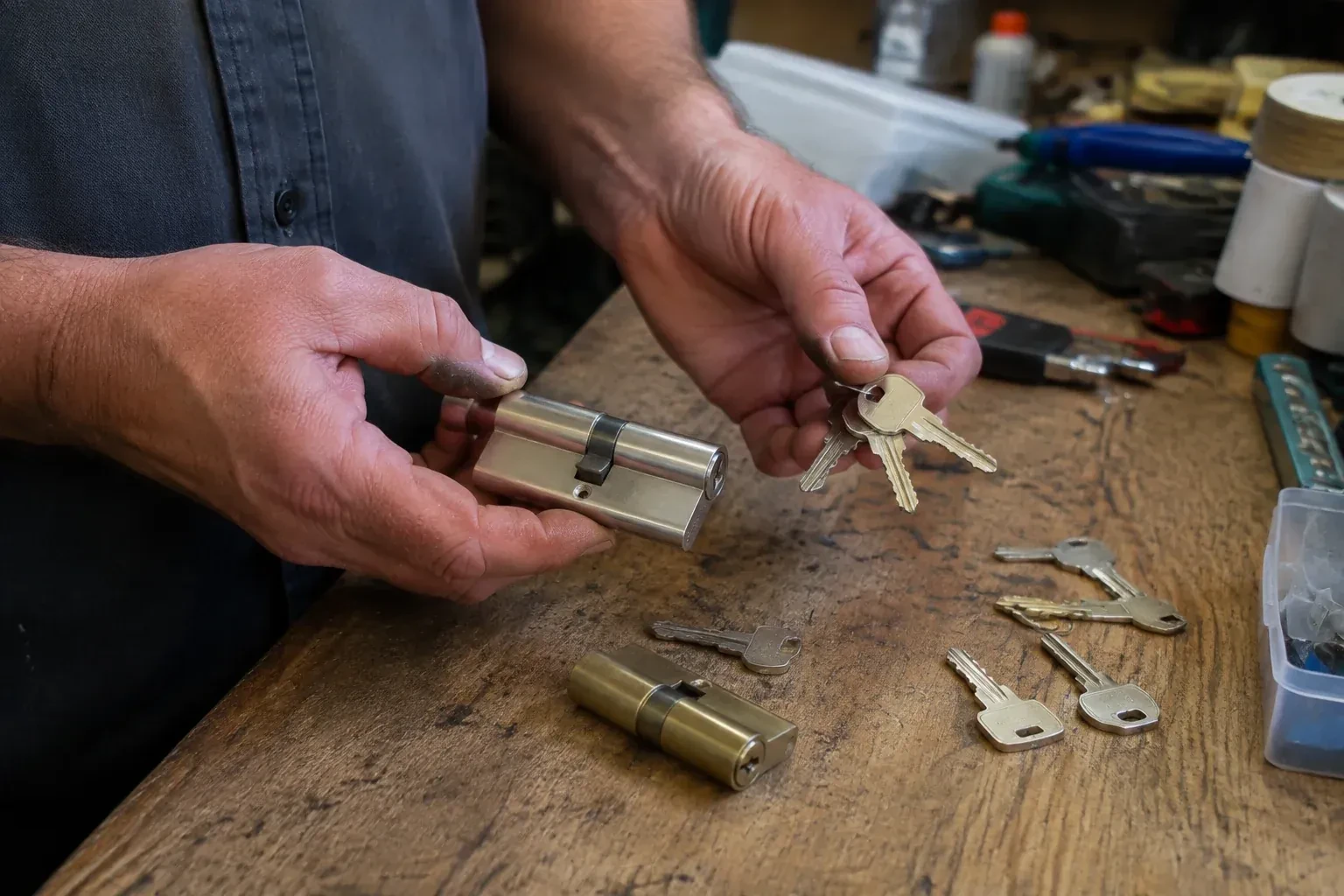
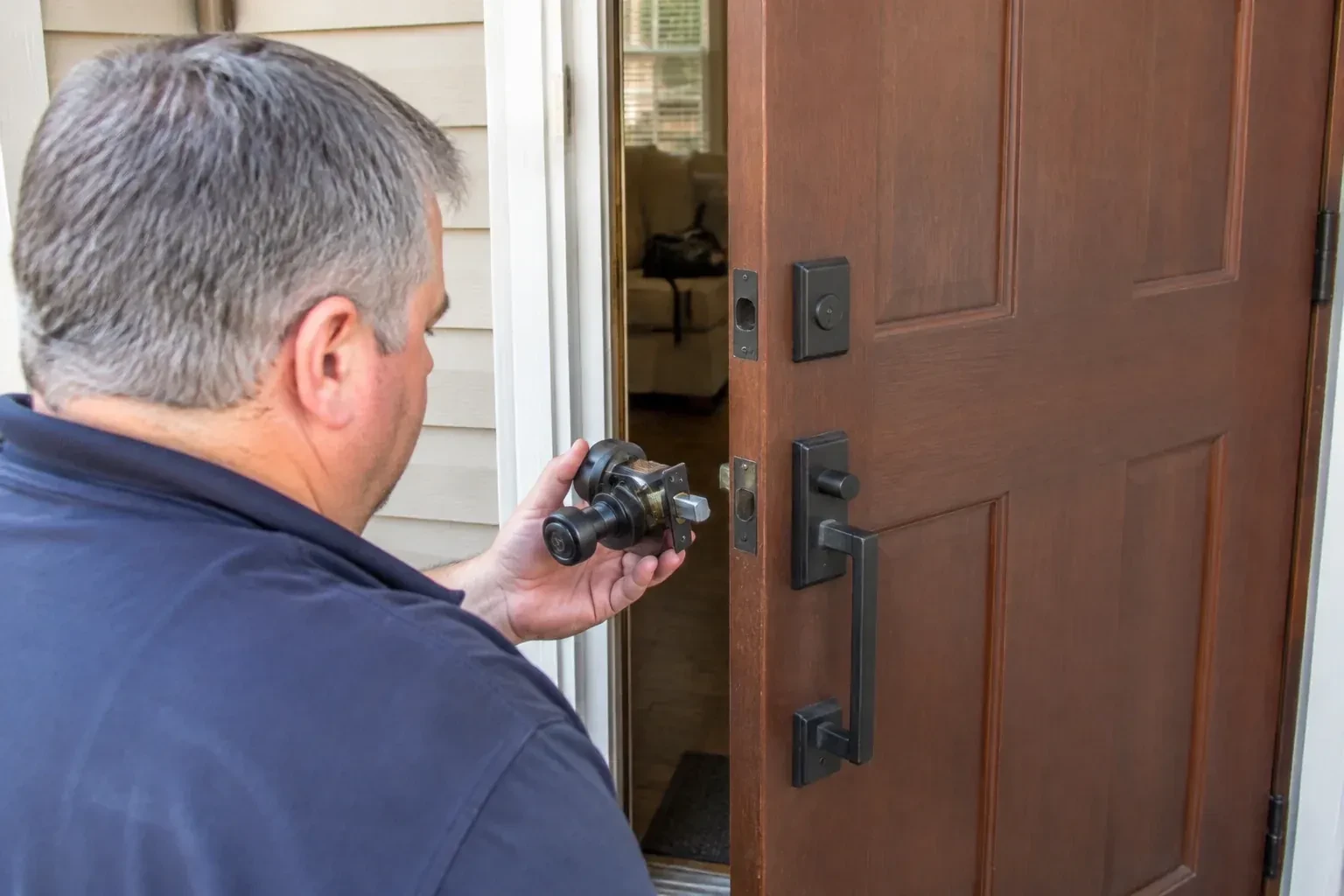
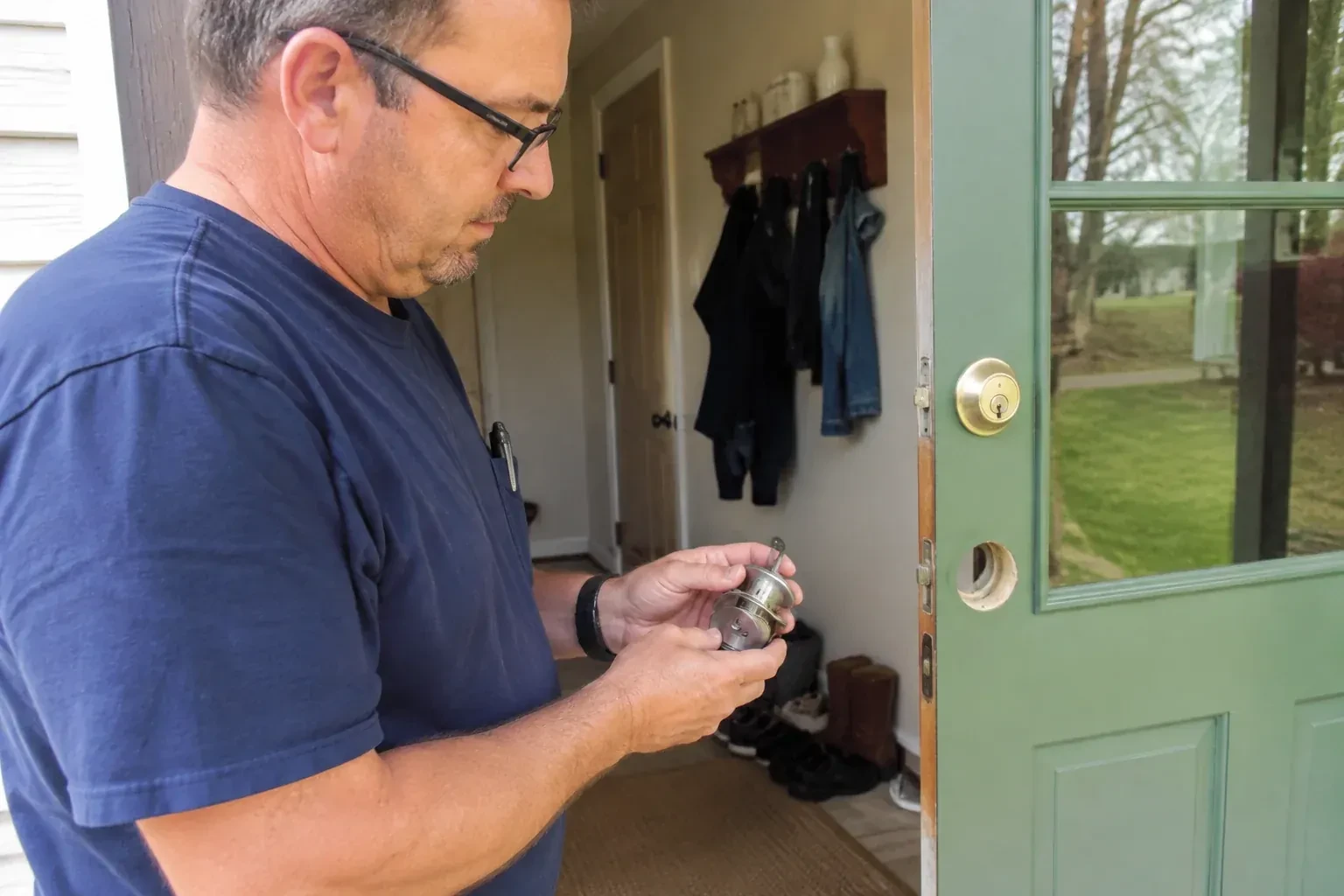
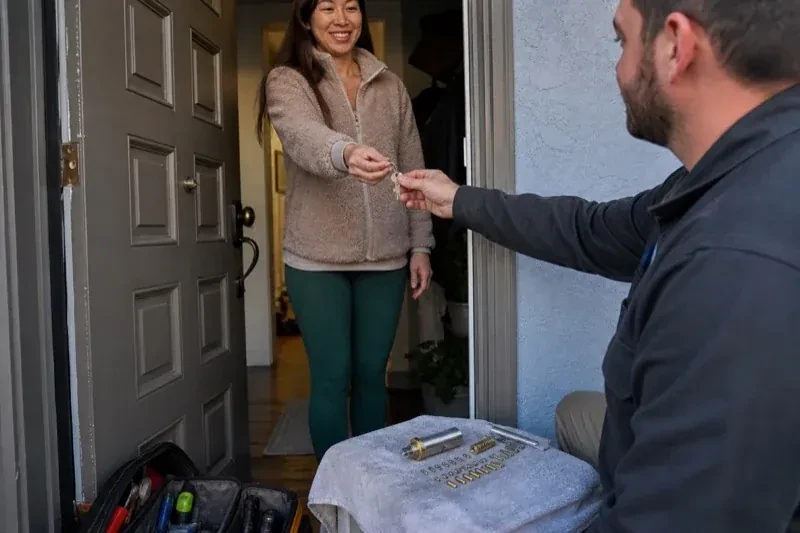
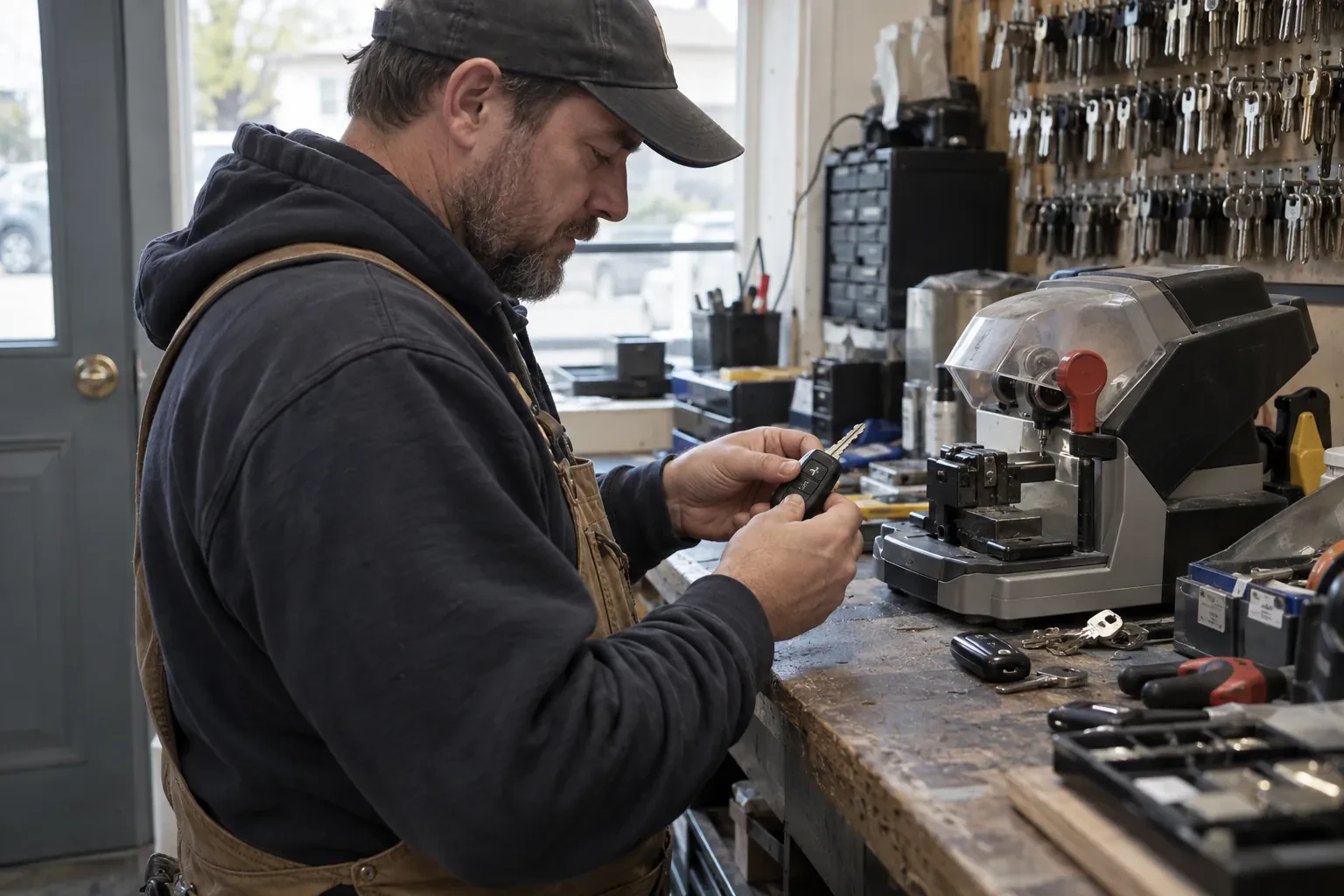
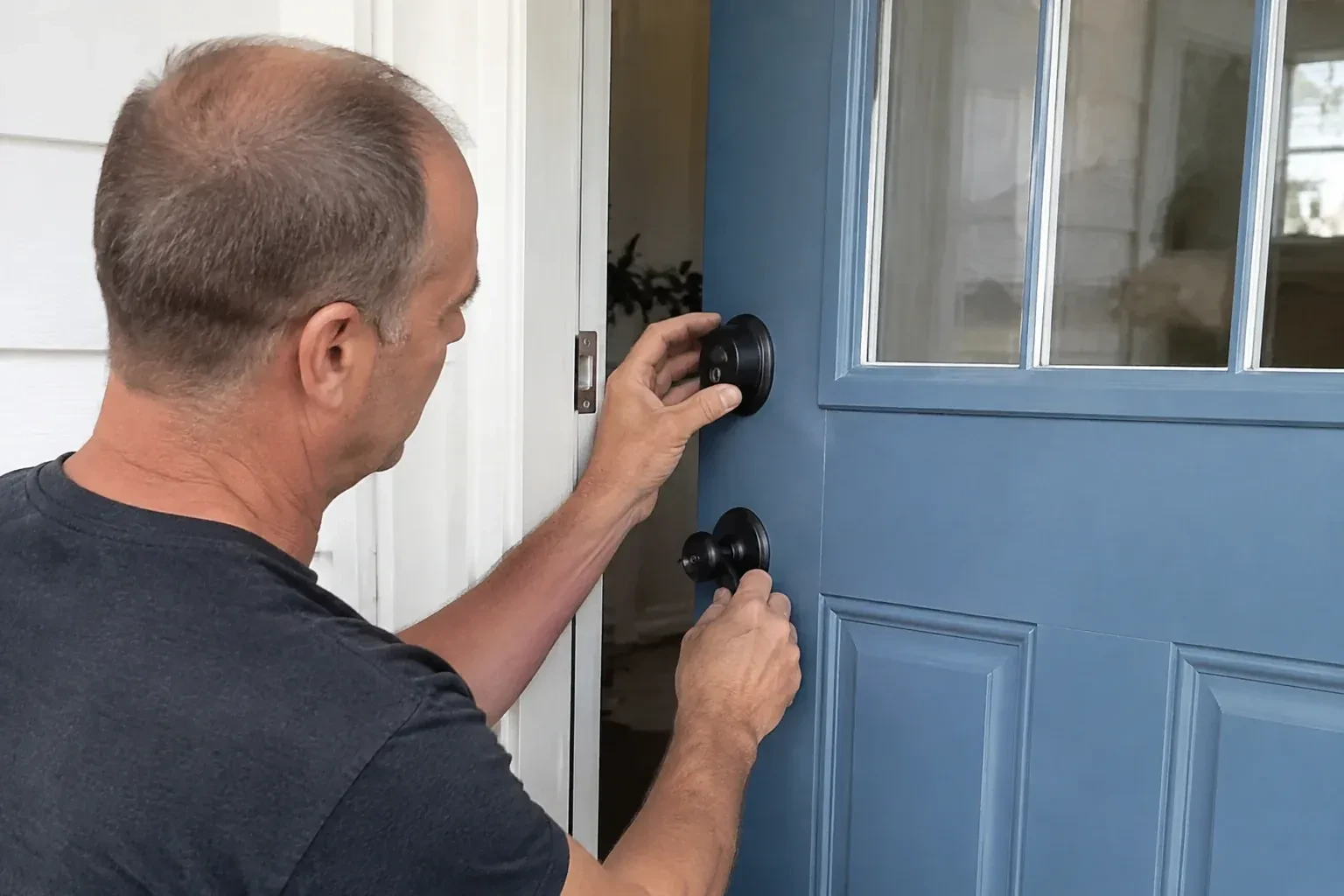
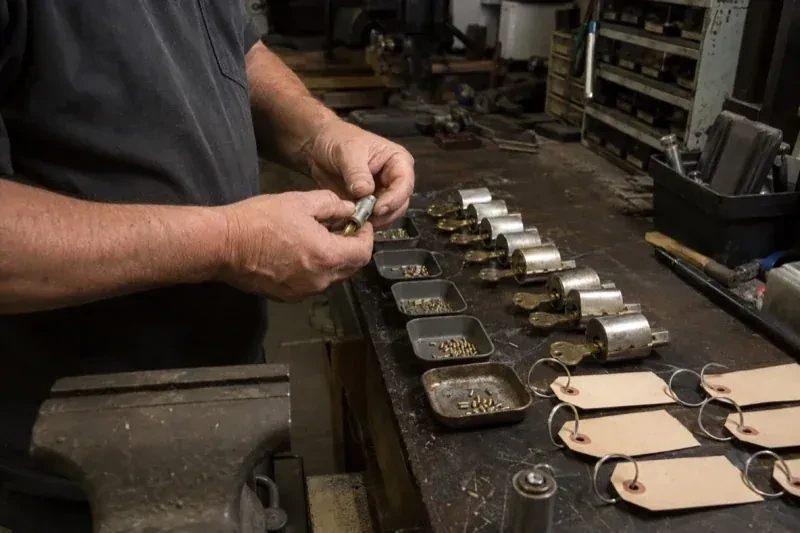
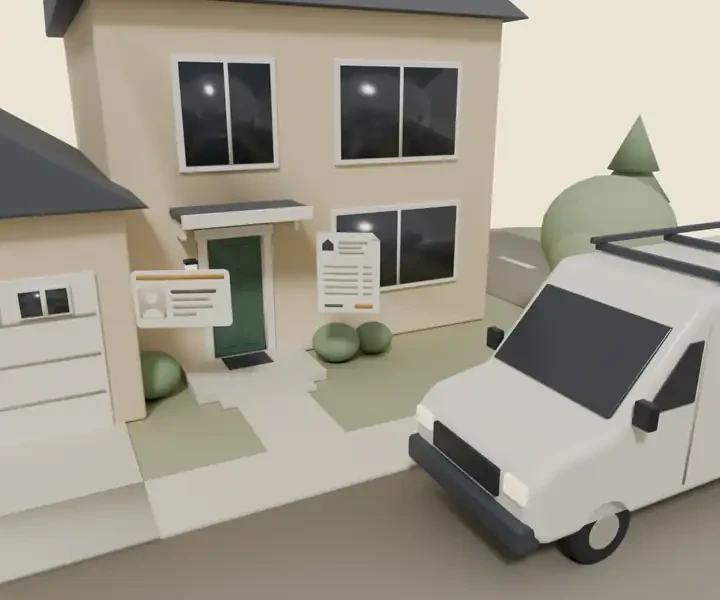
Selling or handing back a property in Turkey Point goes more smoothly when the locks are fresh and every key accounted for. We rekey the exterior doors, gather the old keys, cut the set the next people will need, and give you a short written record to pass along with the paperwork.
Selling or handing back a property in Turkey Point goes more smoothly when the locks are fresh and every key accounted for. We rekey the exterior doors, gather the old keys, cut the set the next people will need, and give you a short written record to pass along with the paperwork.
Local locksmiths who explain their work.
For businesses in Turkey Point we keep records. Which cylinders were pinned to which key, how many keys were cut, which doors carry a master, when the closers were last adjusted. That paperwork lands in your inbox after the visit so the next staff change or the next audit is a matter of reading a page rather than calling around.
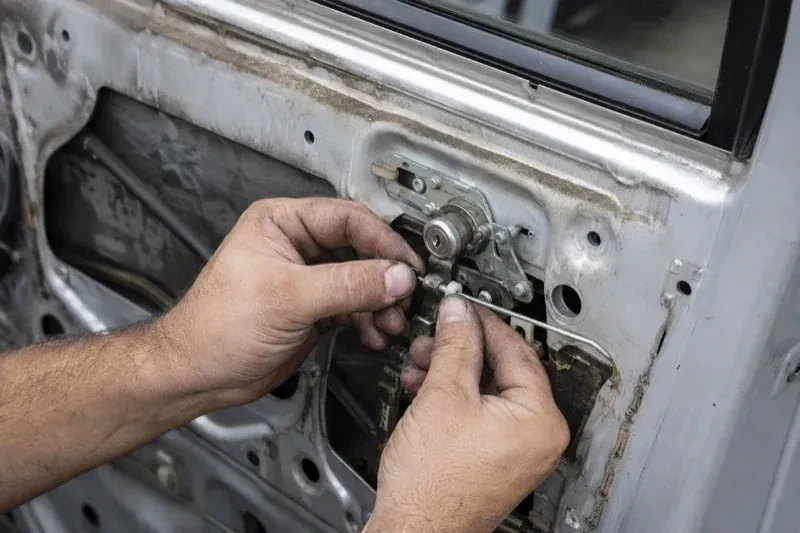
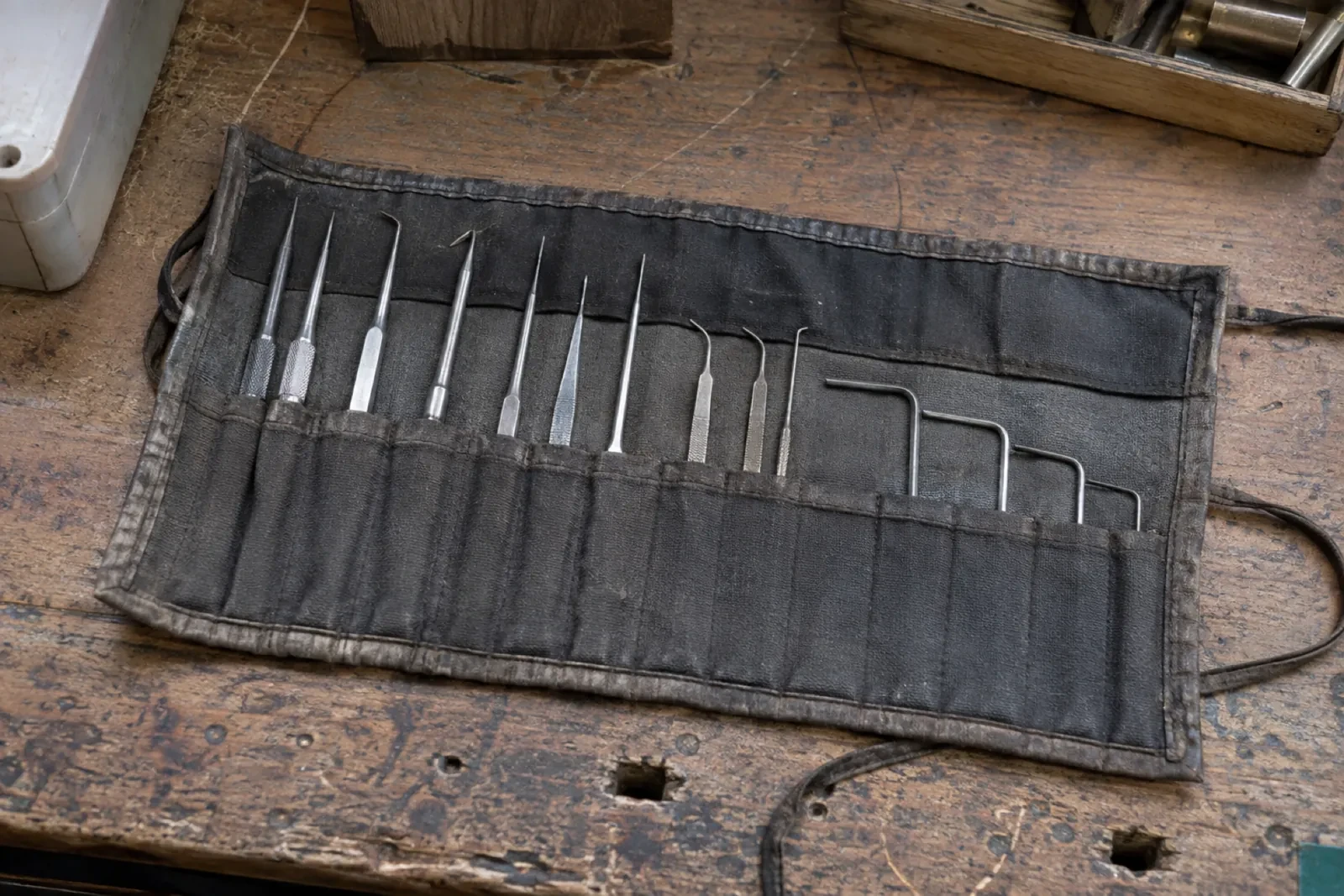
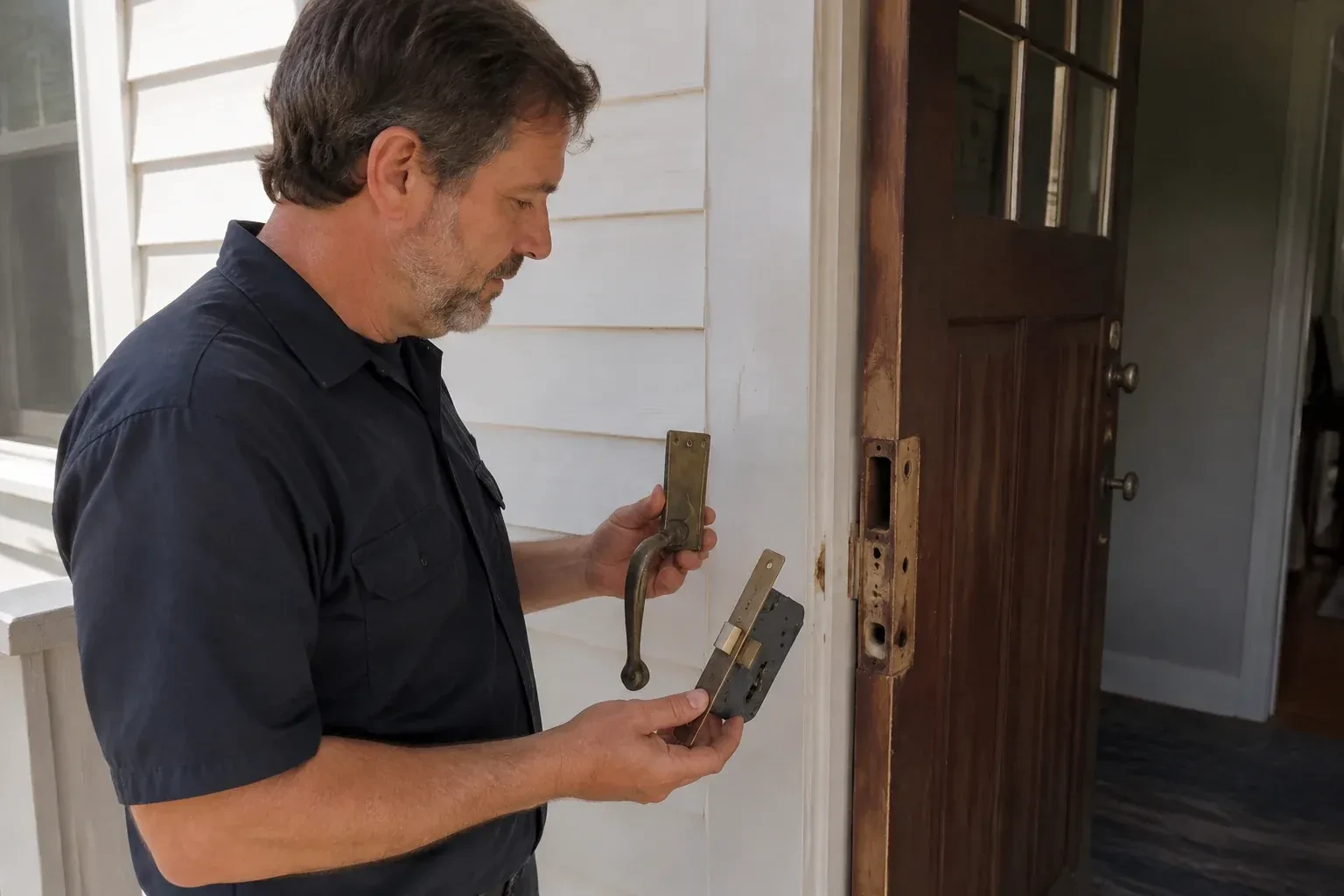
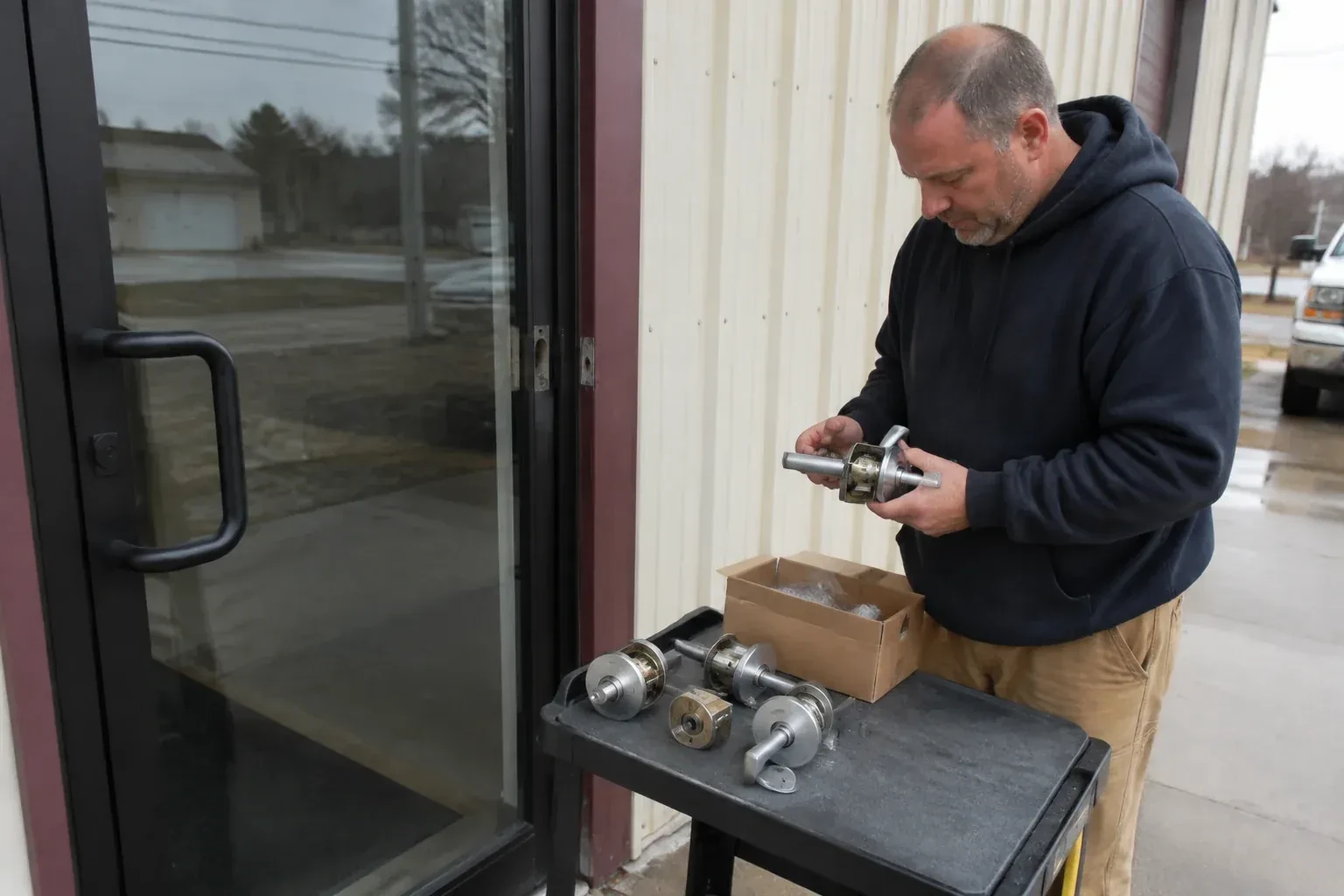
Doors in Turkey Point take a beating from weather, use and the occasional slammed exit. We repair what can be repaired: worn cylinders, loose handles, strikes that have drifted, latches that no longer catch. When replacement is the right call, we say so and show you the options in your hand. Either way, you end up understanding your own door better.
18years in business
24/7open every day
A look before a verdict. We inspect the door, frame and lock before suggesting anything. Diagnosing from the driveway is how people end up with parts they did not need.
Two or three real choices. Where there are sensible alternatives we explain them side by side, including the option of doing less than you expected.
The job finished properly. Tested, aligned, cleaned up and demonstrated. We do not consider a lock done until you have turned the key yourself.
Below is the full menu of lock and key work available in Turkey Point, written for people who are not locksmiths. Each entry says what the service is, when it makes sense, and roughly how a visit unfolds, so you can arrive at the door already knowing what the technician is going to do and why.
About 62% of homes in Norfolk County were built in 1980 or earlier, according to the 2021 Census.
Older homes
Where housing is mostly older, many entries still have only a knob lock and no deadbolt at all. Adding one is a straightforward job on a solid wood door, and it is the single upgrade that changes most for a house of this kind.
Single-detached houses make up about 83% of homes in Norfolk County (2021 Census).
Mostly houses
Where the housing is mostly single houses, the door into the house from an attached garage is easy to overlook because it feels indoors. It is still an exterior door, and a proper deadbolt there is a sensible, low-fuss upgrade.
The manager who holds the only set of office keys is on a plane. The team is gathered in the corridor outside the suite, the landlord's office does not open for another hour, and the client meeting is at nine-thirty.
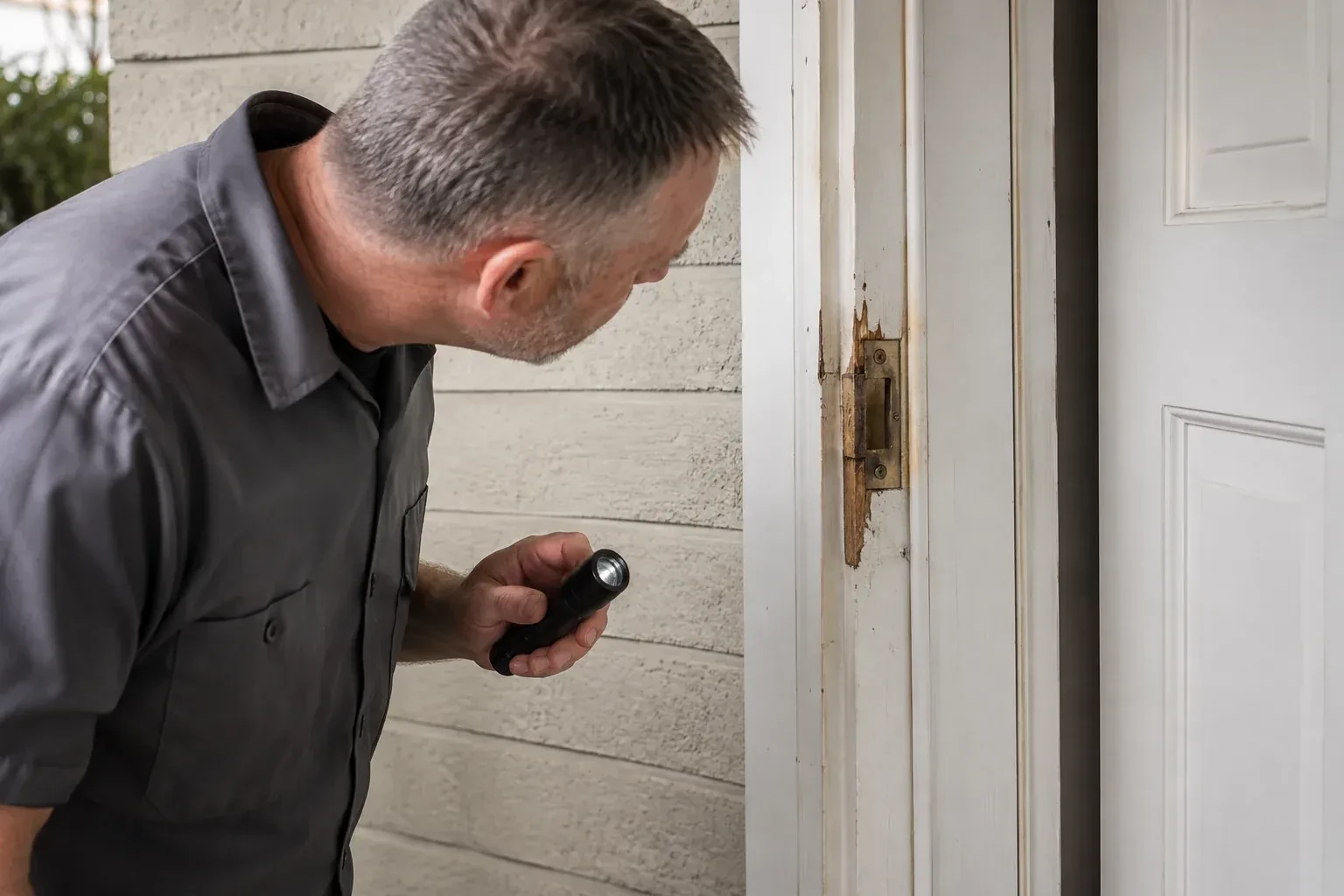
Police have come and gone, the occurrence number is on a sticky note, and you are standing in a cold hallway looking at a splintered frame, wondering how the house gets locked before everyone tries to sleep.
Your basement tenant has given notice, and a new one arrives on the first. The lock on the separate entrance works perfectly well. You simply want a fresh key for the incoming tenant and for the old one to be retired.
A neighbour mentions, in passing, that the key from three tenants ago still lets him into the building's front door. Nobody changed it after he moved out, and now the property manager wants to know exactly how many keys are still floating around out there.
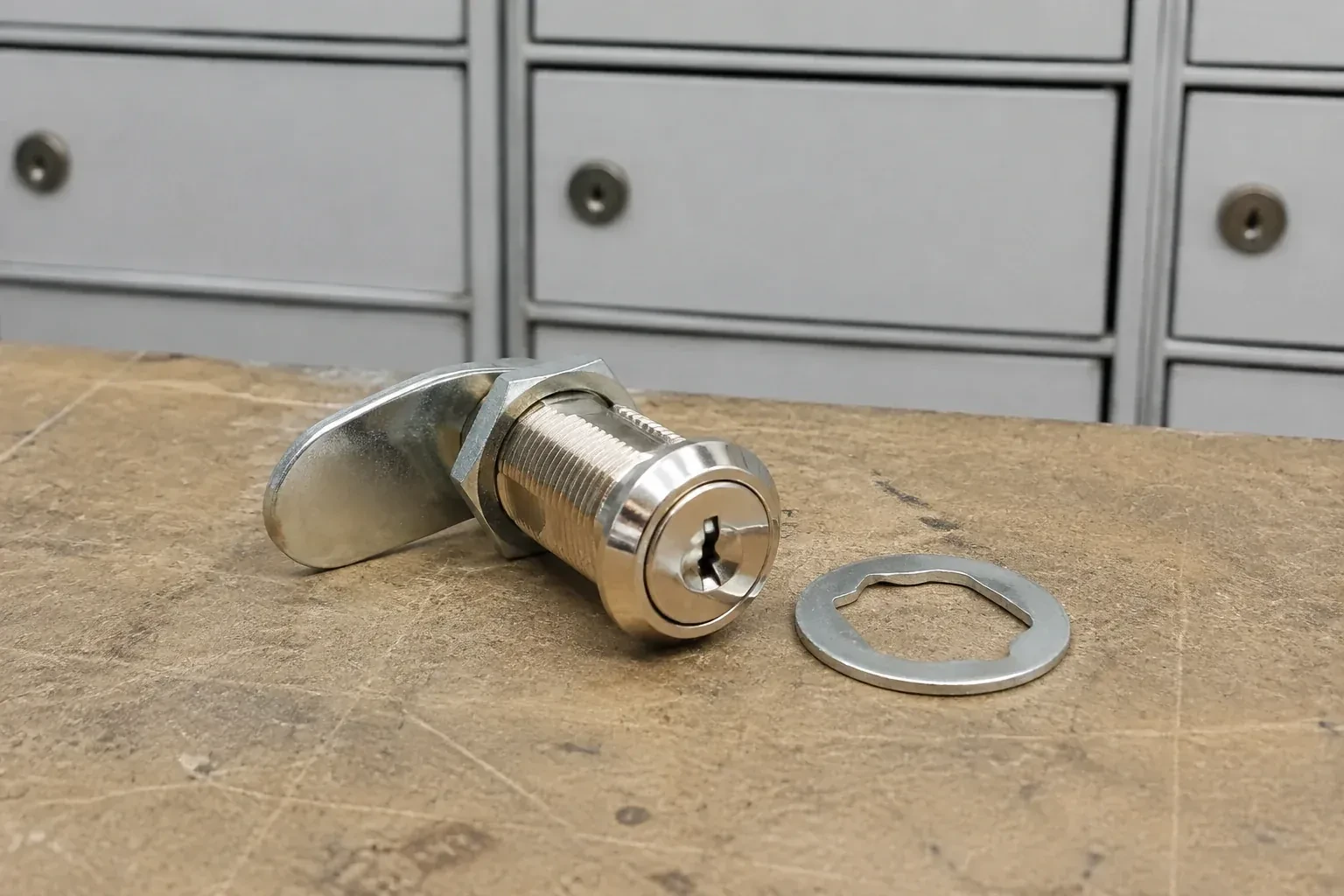
The key still turns, but lately it spins a half-circle further than it used to before the little door lets go, and some mornings it takes a second try. The small cam lock inside is simply worn out.
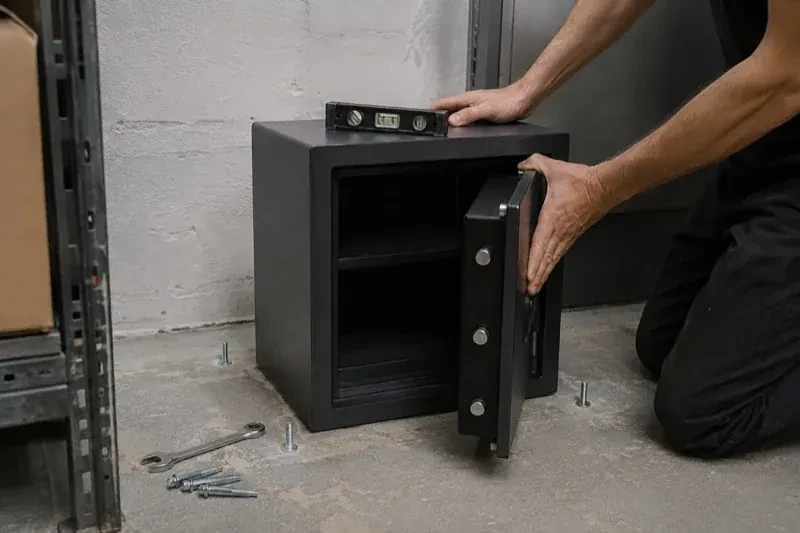
A homeowner inherited a heavy old dial safe from a parent's house, moved it into the new place, and has no idea whether the bolt-work still works, whether the lock is sound, or how it should be anchored.
Something went missing from the storeroom over a weekend, and when you ask who was in the building, the honest answer is anyone with a key. There is no list, no time stamp, no way to narrow it down.
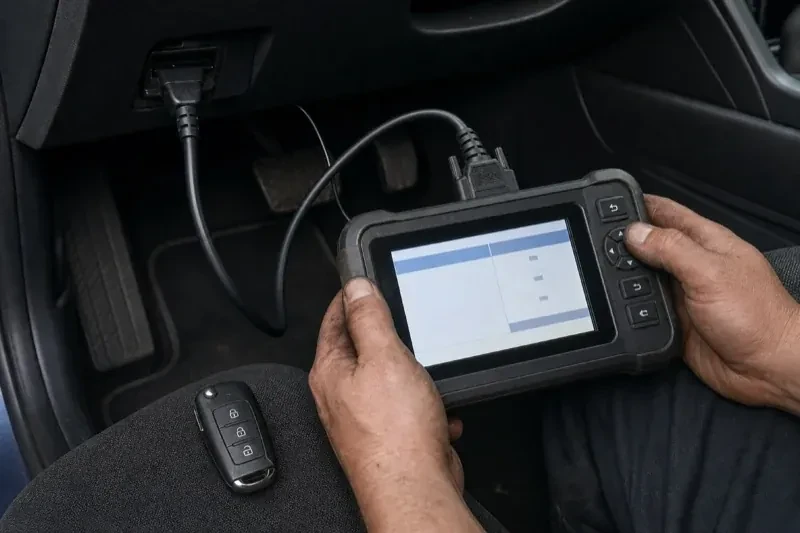
The remote clicks the way it always has, but the vehicle no longer locks, unlocks or answers with its usual chirp. Nothing on the dash reacts either. A fading battery inside the fob is the likely reason, even though the fob itself looks and feels completely normal.
The button on your key fob does nothing now: no beep, no flash of the lights, no click from the doors. The metal blade folded inside the fob still turns the door by hand, so you are getting in and out, just without the remote.
Restricted and patented key systems mean the blank for your key is not sold in shops. A copy can only be cut by an authorised locksmith against a signature, so the number of keys in existence stays known. That control is often worth more than the hardware.
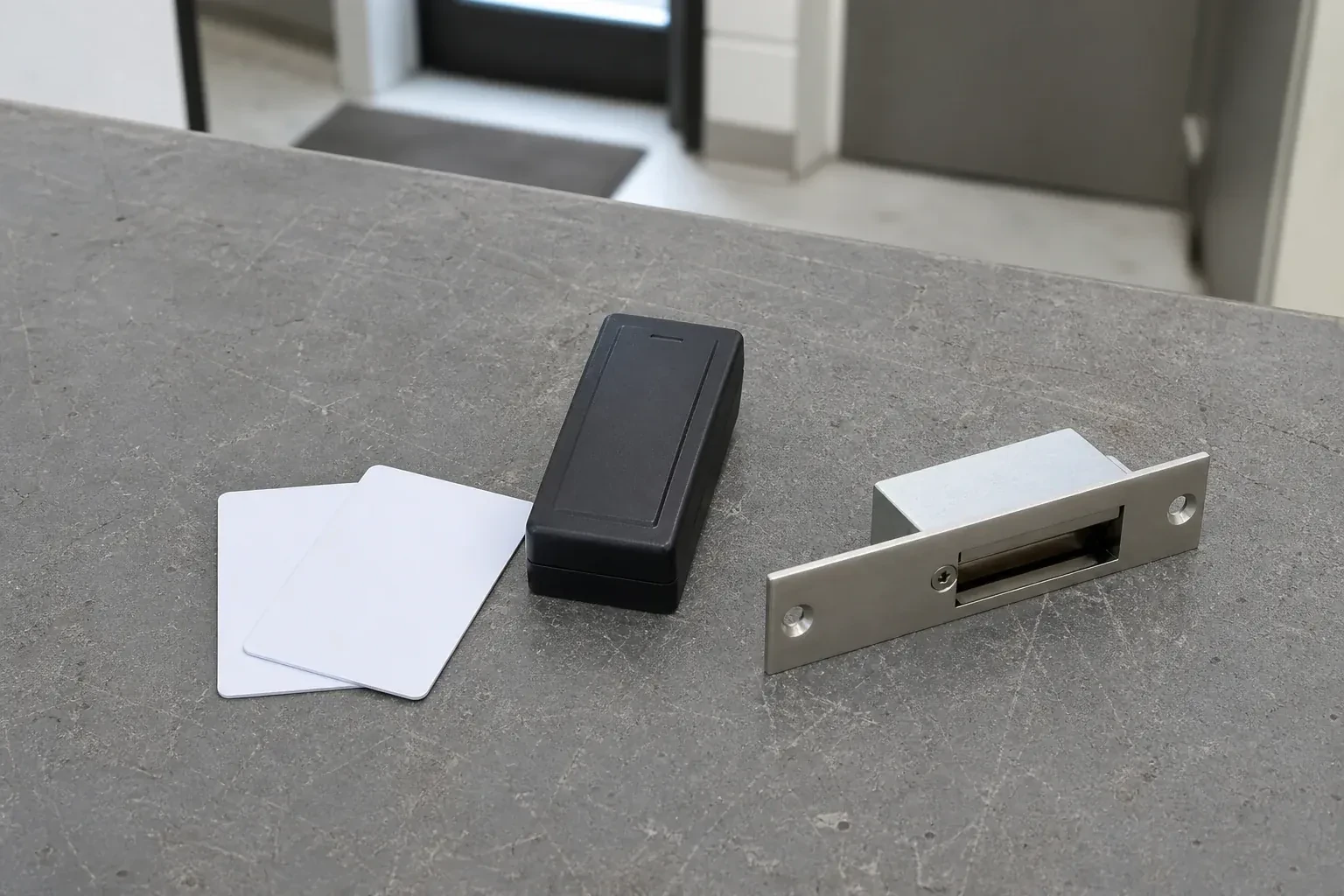
Businesses need locks that fit how the building is used: who opens up, who closes, who can reach the stockroom. Commercial services cover rekeying, master keys, heavy-duty hardware, exit devices and electronic access for shops, offices and warehouses.
WhyA locked business loses trading time, so the visit is arranged around getting people back to work.
Police have come and gone, the occurrence number is on a sticky note, and you are standing in a cold hallway looking at a splintered frame, wondering how the house gets locked before everyone tries to sleep.
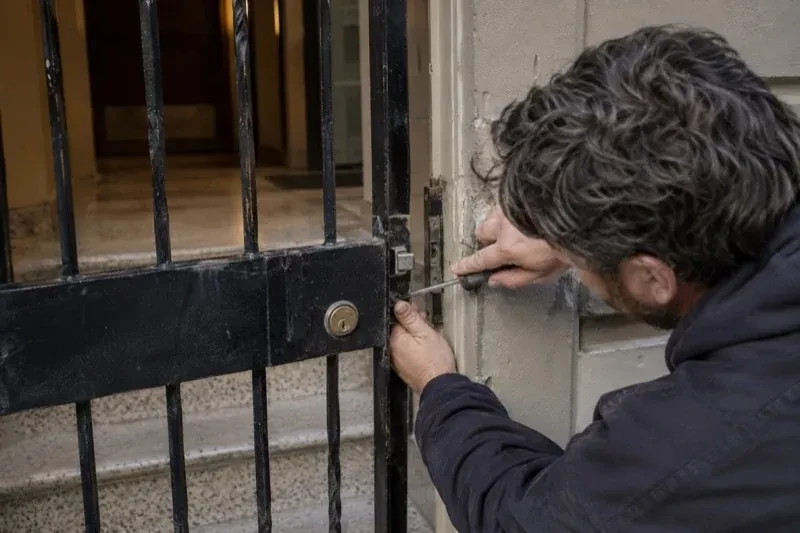
WhyGate hardware tends to struggle most in the season that stresses it hardest, and a cylinder or closer that has been sluggish all autumn rarely improves once the weather turns.
The key still turns, but lately it spins a half-circle further than it used to before the little door lets go, and some mornings it takes a second try.
WhyA mailbox lock lives or dies by a handful of measurements: the cylinder's length, its diameter, and the reach and angle of the cam arm that actually catches the door frame when the key turns.
A homeowner inherited a heavy old dial safe from a parent's house, moved it into the new place, and has no idea whether the bolt-work still works, whether the lock is sound, or how it should be anchored.
WhyThe installation is not finished when the last door is wired; it is finished once the business can run the system without the locksmith standing there.
The remote clicks the way it always has, but the vehicle no longer locks, unlocks or answers with its usual chirp.
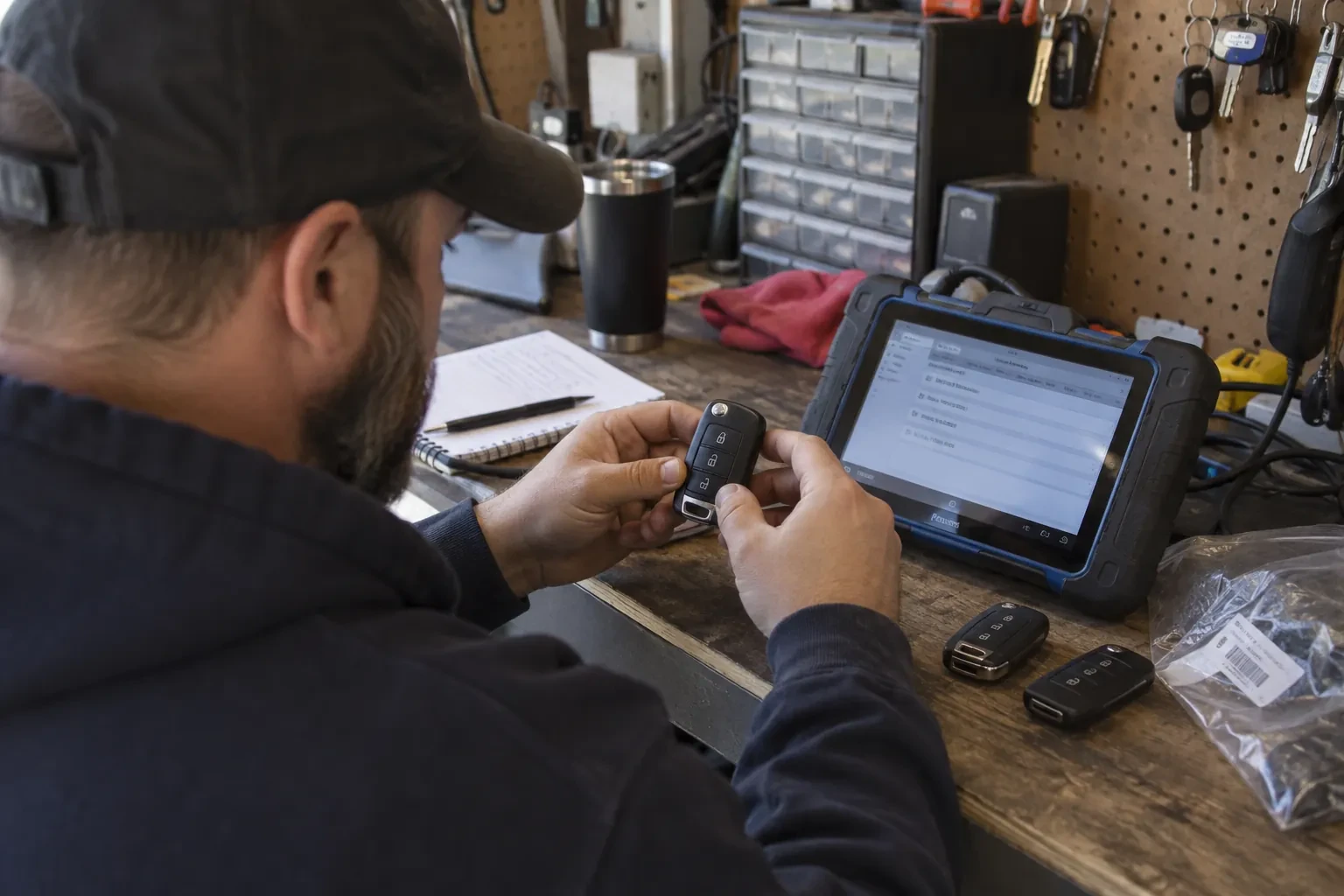
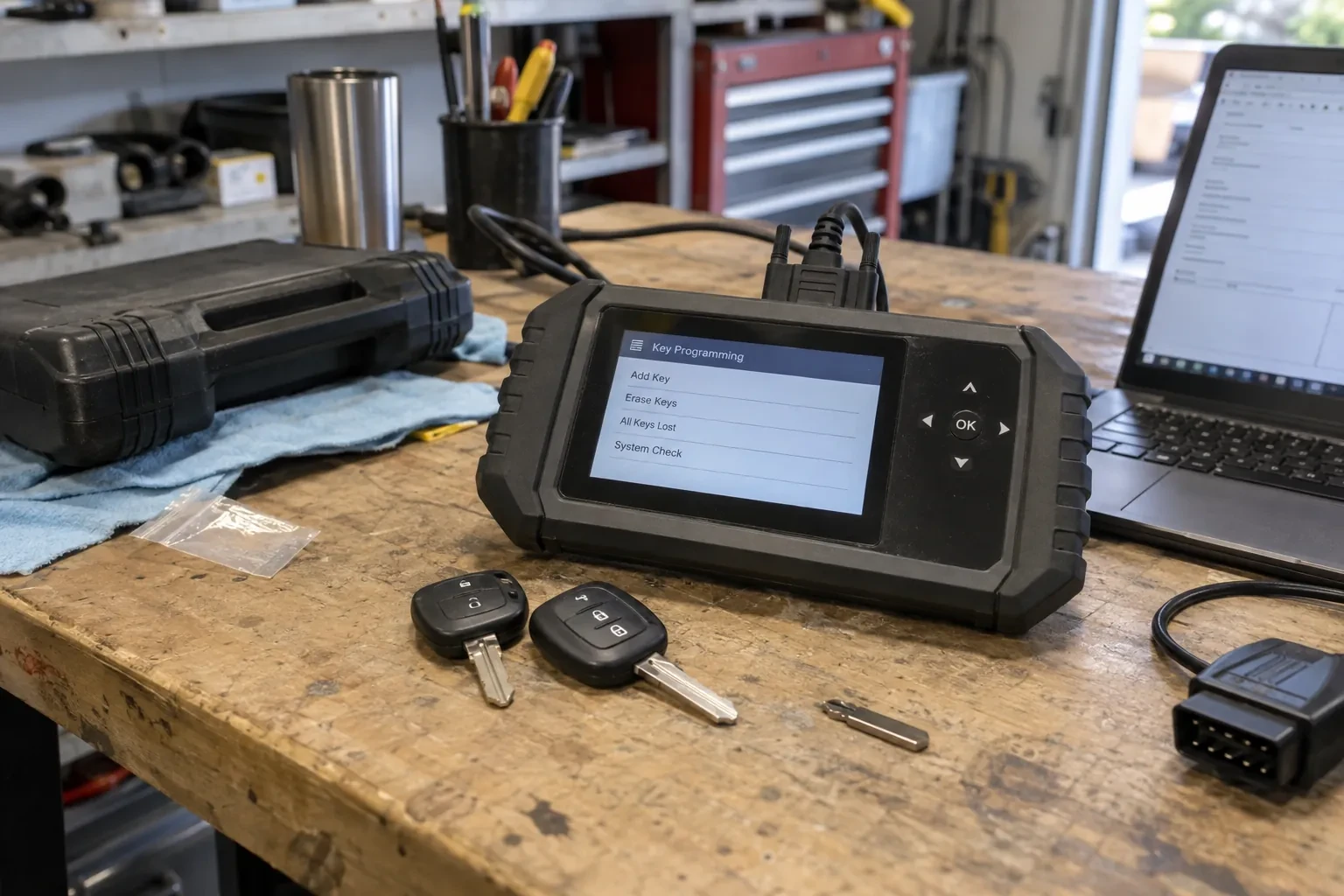
WhyA new, unregistered replacement fob is, electronically, a blank slate until it has been matched to one specific vehicle; a used fob is checked rather than assumed the same, since some OEM smart keys become permanently unusable once reset or removed from a vehicle.
The button on your key fob does nothing now: no beep, no flash of the lights, no click from the doors.
It depends on the hardware and what else is wired to it. A standard storefront cylinder or office lever on a well-hung door is often a short job once authority is confirmed. A high-security cylinder, a frozen lock, a dropped door or a dead access controller adds time, and so does rekeying several doors afterwards. The locksmith gives you a realistic idea on the phone once you describe the door and the situation.
Is a smart lock a good replacement after a break-in?
It can be, with the same reinforcement behind it. A keypad or app-controlled deadbolt eases the problem of stolen keys, since codes are changed in seconds and a lost phone is unpaired rather than rekeyed. Its bolt still needs a boxed strike and long screws, because the frame is what failed; a keyed override should be rekeyed too, with any spare left with a trusted person, not hidden outside; a cylinder-free model needs no override key. Choose one with a full-throw bolt and fit it to a reinforced door edge.
How is rekeying different from replacing the lock?
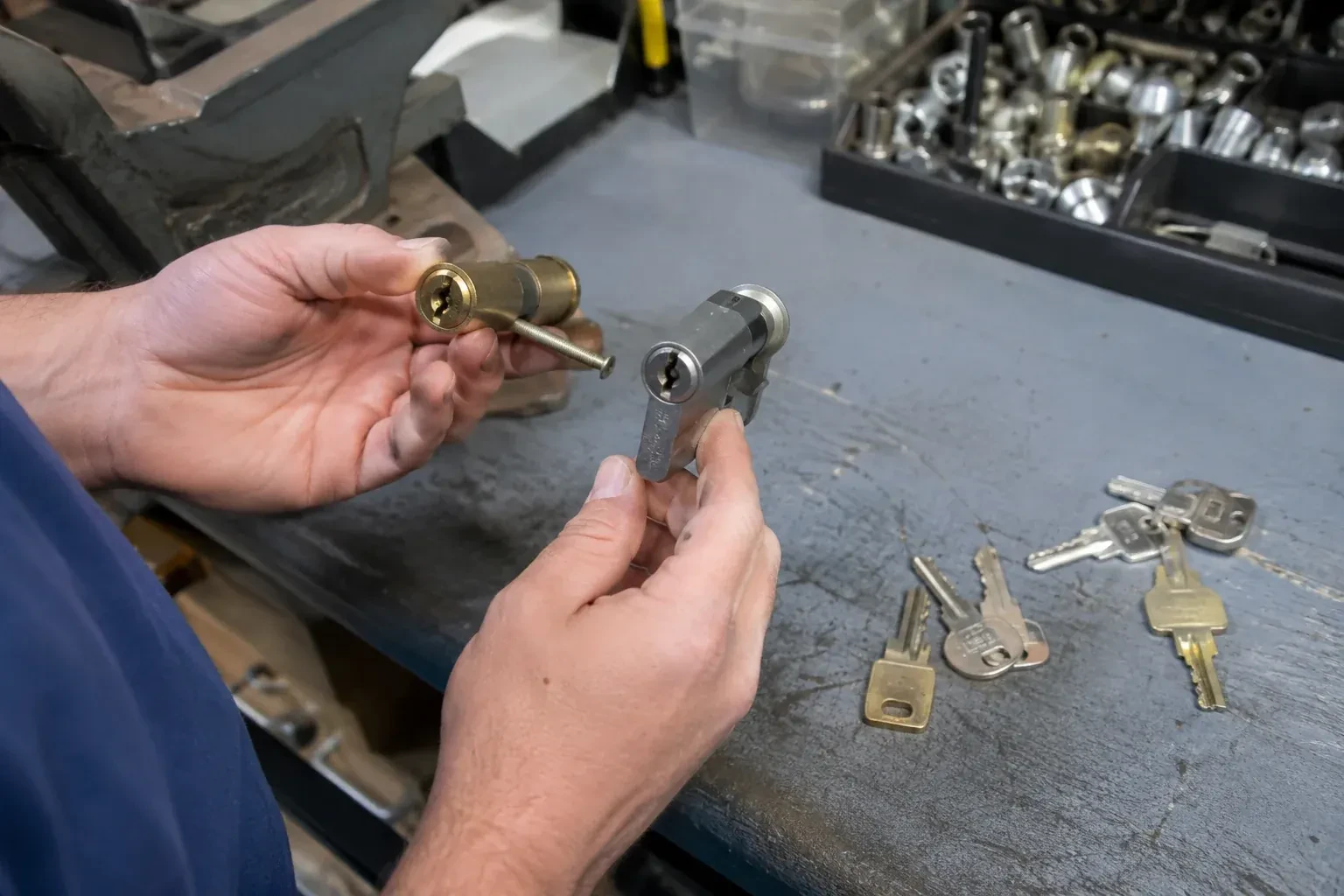
Rekeying keeps your existing deadbolt or handle set and gives it a new key, commonly by changing the pins inside, though some cylinders reset a different way. Replacing removes the whole lock or cylinder and fits new hardware. Rekeying suits locks that are in good condition and simply need a fresh key. Replacement is the better call for hardware that is worn or damaged, built to a low grade, on a keyway the other doors cannot share, or due for a change of style or a keypad.
What is the difference between a gate lock and a regular door lock?
A gate lock is built to work outdoors, so it usually pairs a latch or bolt with a closer that swings the gate shut on its own using its own spring, rather than relying on a person to push it home. The cylinder tends to be weather-rated, and the whole assembly fits a gate frame or post rather than a conventional door jamb. A building entry door, by contrast, often combines this outdoor hardware with an interior-style latch or an electric strike.
What is the difference between a private mailbox and a building's mailbox panel?
A private mailbox, whether a standalone box at the curb or a slot in a house door, belongs entirely to that home. A building's mailbox panel groups many small locking compartments in one frame, usually in a lobby, with each compartment assigned to a unit. The lock itself works the same way in both cases; what differs is who confirms the change and how many other doors sit nearby.
Can the combination or code be changed after installation?
Yes, on both mechanical and electronic locks. A mechanical dial is reset to a new combination by working inside the lock body, while an electronic keypad is simply reprogrammed at the keypad or through its service menu. Changing it after a change in staff, a move, or simply out of caution is routine work rather than anything unusual, and it can be arranged as its own visit.
Can the system be expanded to more doors later?
Yes. A system installed with some spare capacity in its controller and power supply can usually take another door or two by adding a reader and lock and wiring it back in. A door far from the existing wiring can instead run its own standalone unit. Either way, existing schedules and credentials do not need to be rebuilt from scratch.
How do I stop all my fobs from wearing out around the same time?
Replacing coin-cell batteries as soon as a fob's range starts to feel shorter, rather than waiting for it to go completely dark, is the simplest habit. Keeping fobs off a keyring crowded with heavy metal keys reduces wear on the case and buttons as well. Since fobs from the same purchase batch often age together, a fading one is worth treating as an early warning for the others.
Can a damaged weatherstrip really affect the lock itself?
Yes. A perished or torn seal around a door or hatch lets rain and winter brine reach the cylinder, the linkage and the wiring behind the panel, and repeated exposure is one of the more common reasons a lock that used to work smoothly starts sticking or failing.
Request a visit
For businesses in Turkey Point we keep records. Which cylinders were pinned to which key, how many keys were cut, which doors carry a master, when the closers were last adjusted. That paperwork lands in your inbox after the visit so the next staff change or the next audit is a matter of reading a page rather than calling around.