Locksmith in Long Point, OntarioA tidy locksmithfor tidy homes in Long Point
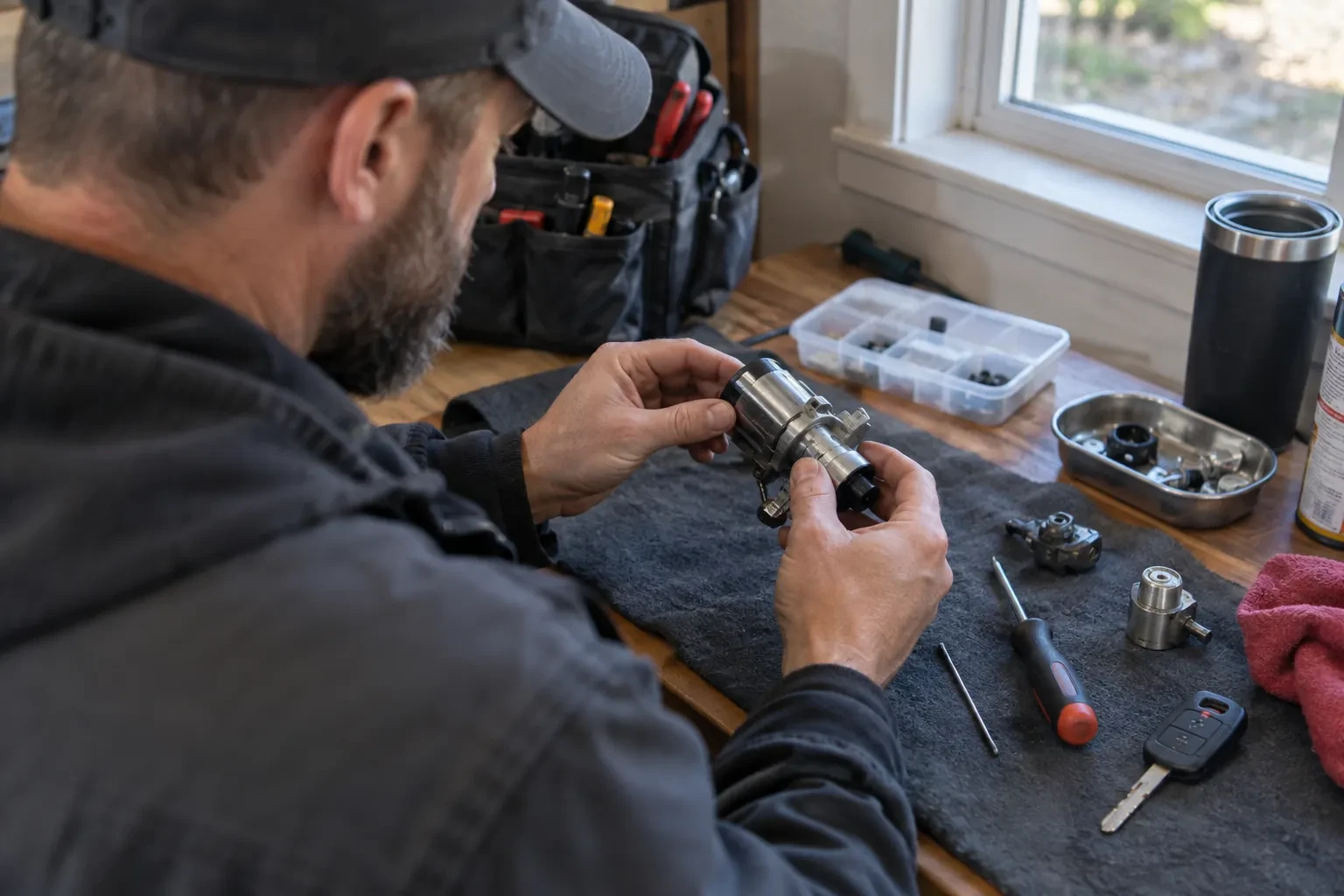
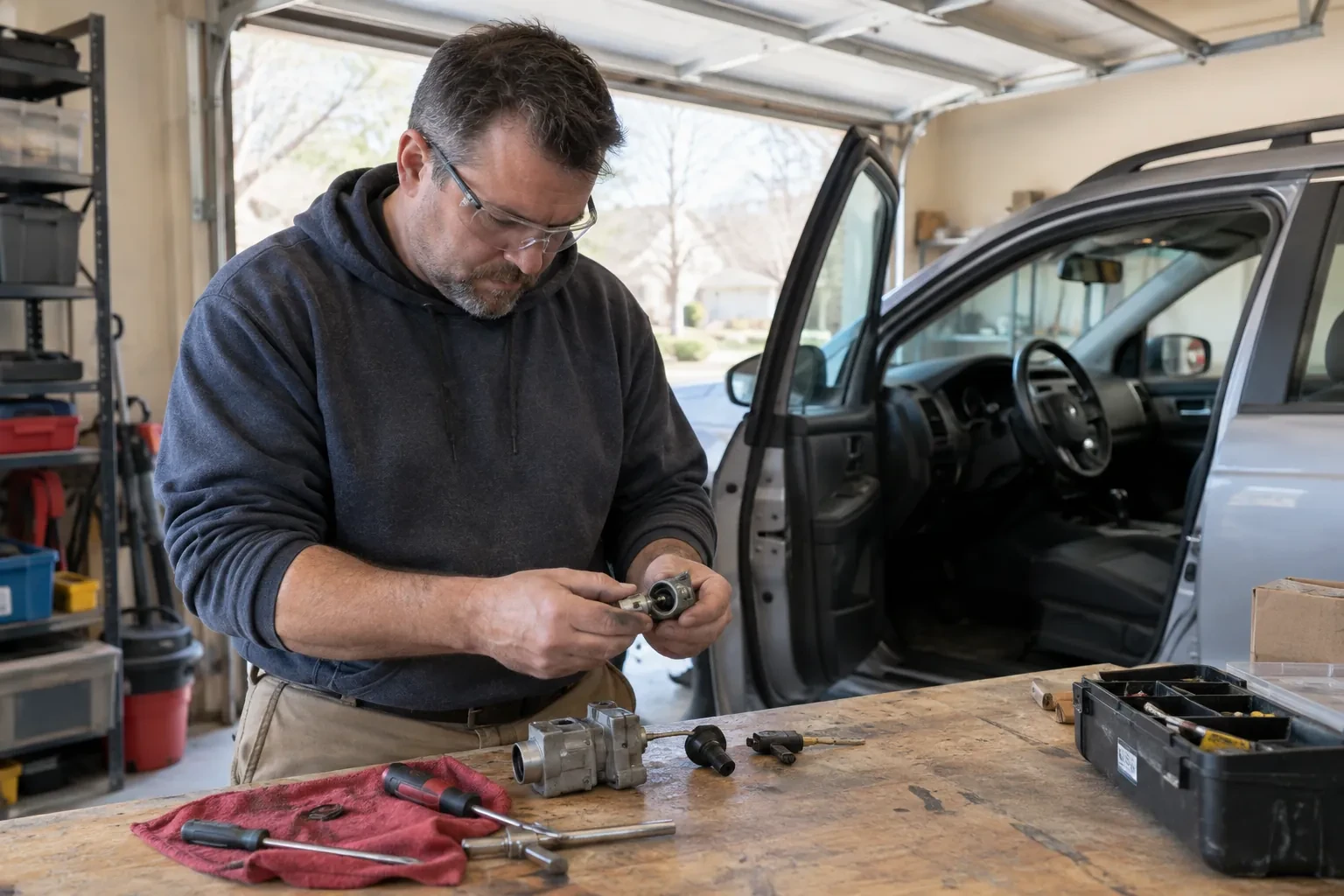
Lock work makes brass shavings, sawdust and small screws that roll under furniture. We put a drop sheet down, catch the mess, and vacuum before we go. Homeowners in Long Point should be able to tell we were there only by the way the door now locks, not by anything left behind. We serve Old Cut and The Cottages as well.
Lock work makes brass shavings, sawdust and small screws that roll under furniture. We put a drop sheet down, catch the mess, and vacuum before we go. Homeowners in Long Point should be able to tell we were there only by the way the door now locks, not by anything left behind. We serve Old Cut and The Cottages as well.
Local locksmiths who explain their work.
People in Long Point should understand what is on their door. So we explain in ordinary words: what grade of hardware you have, where the weak point is, and which change would actually make a difference. You get the reasoning, not just a recommendation, and then the decision is yours. Nobody is pushed into an upgrade they did not ask about.
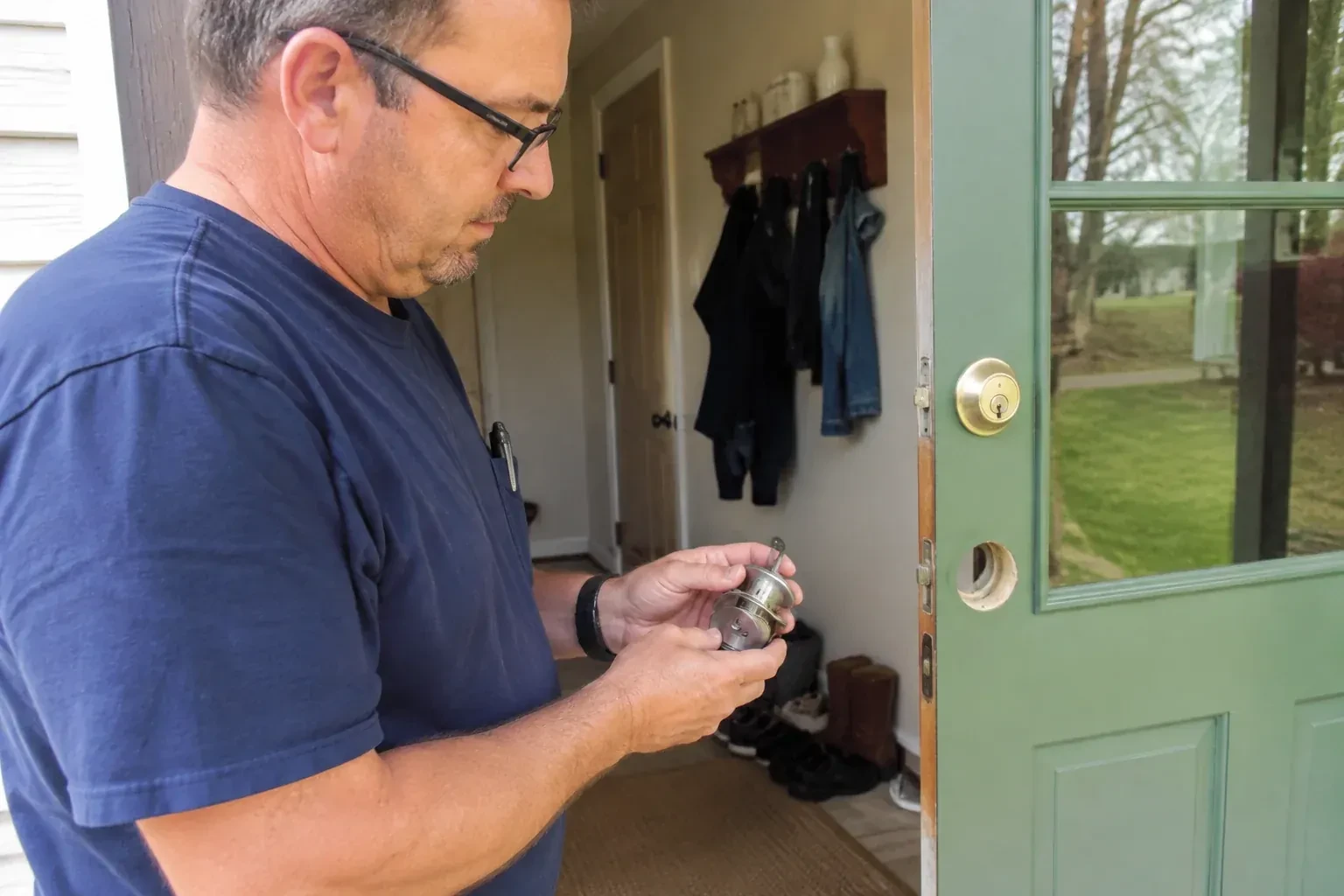
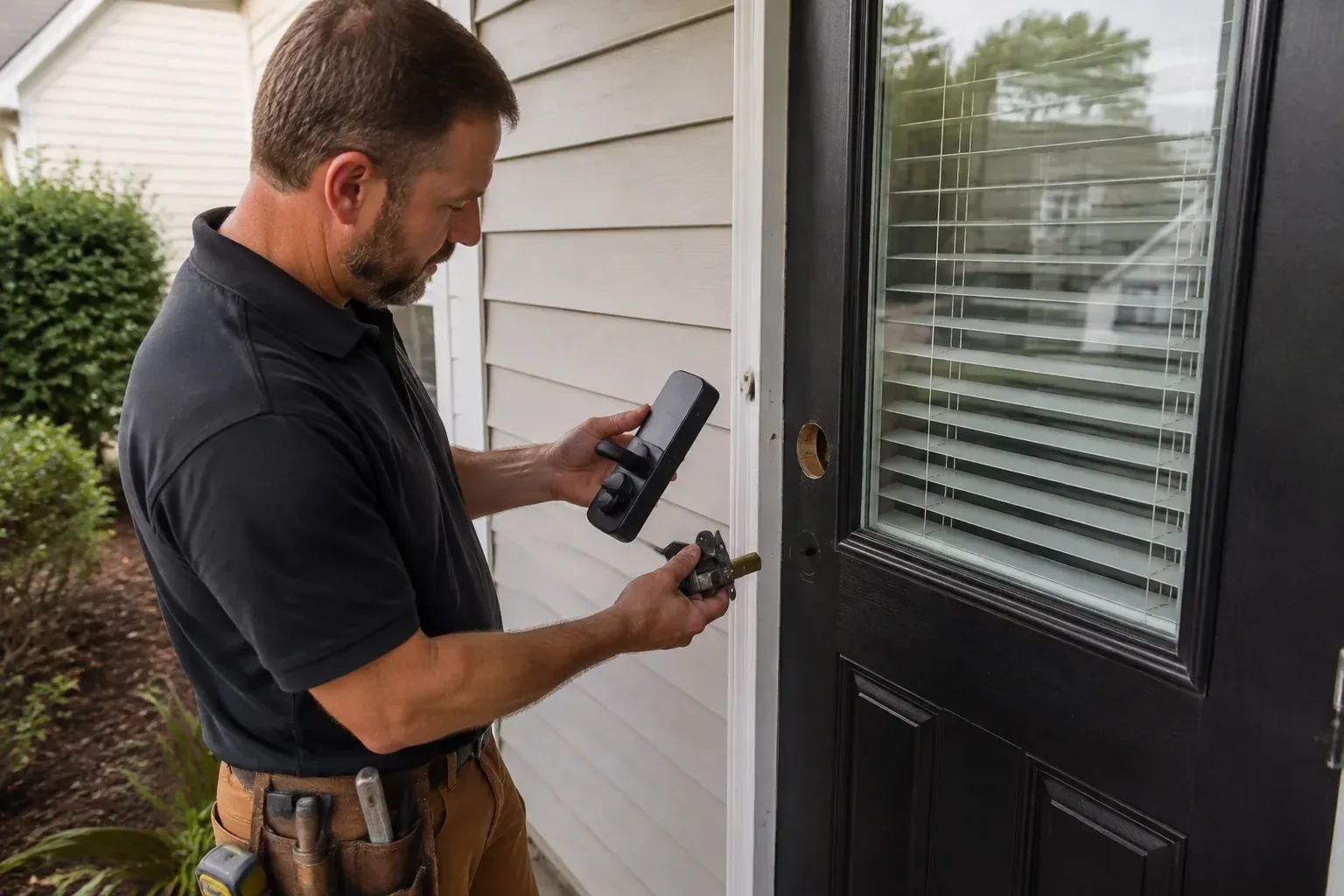
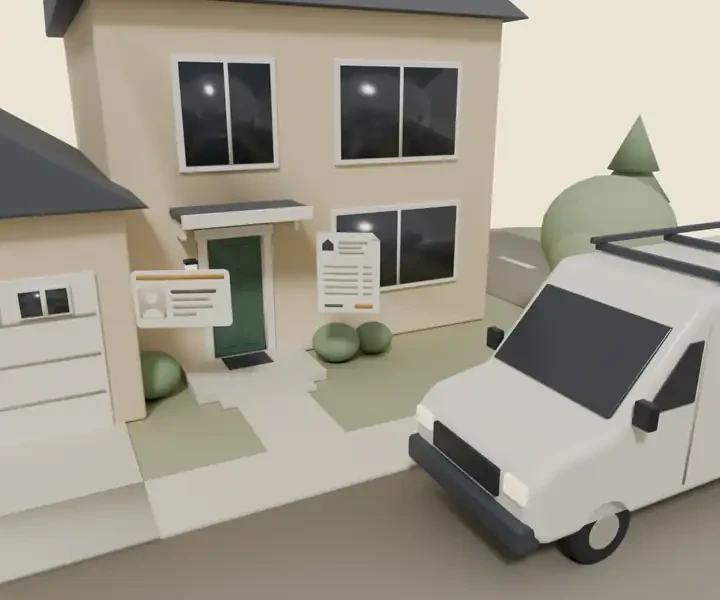
Century homes, post-war bungalows and new subdivisions in Long Point all end up asking the same question about their doors: is this lock enough? We answer it door by door, fitting graded deadbolts, patented cylinders and strikes screwed into the framing where they are needed, and leaving the doors that are already sound alone. Ownership is confirmed first, and the work is done without a mark on the trim.
18years in business
24/7open every day
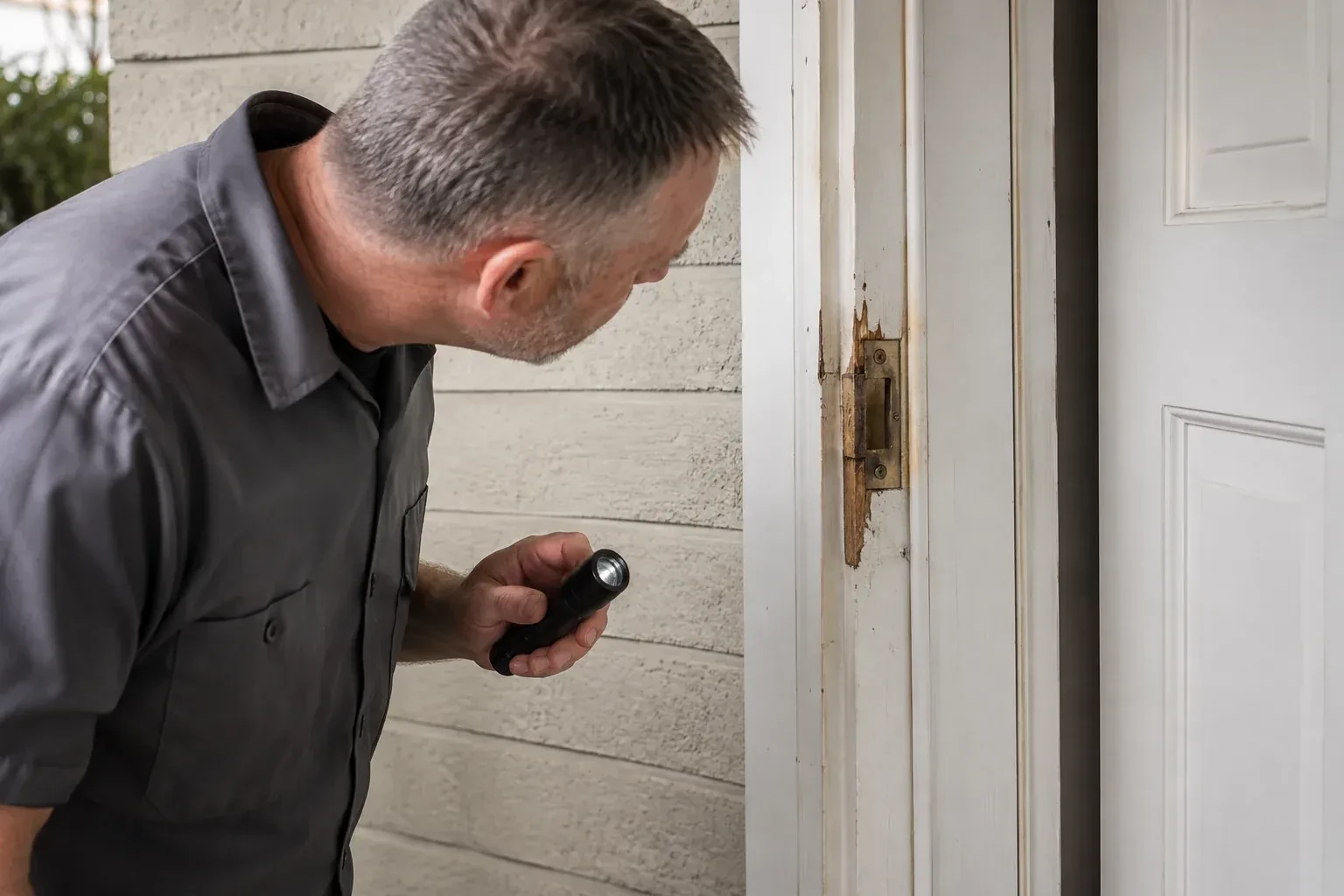
A look before a verdict. We inspect the door, frame and lock before suggesting anything. Diagnosing from the driveway is how people end up with parts they did not need.
Two or three real choices. Where there are sensible alternatives we explain them side by side, including the option of doing less than you expected.
The job finished properly. Tested, aligned, cleaned up and demonstrated. We do not consider a lock done until you have turned the key yourself.
The pages linked here cover each lock service available in Long Point in the same plain format: the situation it solves, what the locksmith checks first, how he does the work, and how to care for the result. Pick the one that sounds like your door, then reach out to arrange a visit.
About 62% of homes in Norfolk County were built in 1980 or earlier, according to the 2021 Census.
Older homes
In neighbourhoods of established homes, keys have often been copied many times over many owners. Rekeying every exterior door to one fresh key is the common first job, and it works on old cylinders just as well as on new ones.
Single-detached houses make up about 83% of homes in Norfolk County (2021 Census).
Mostly houses
Families in houses hand keys to children, cleaners, dog walkers and neighbours. A locksmith can set up a keypad on the side door for the household and keep the front door on a conventional key, so access matches how the family actually comes and goes.
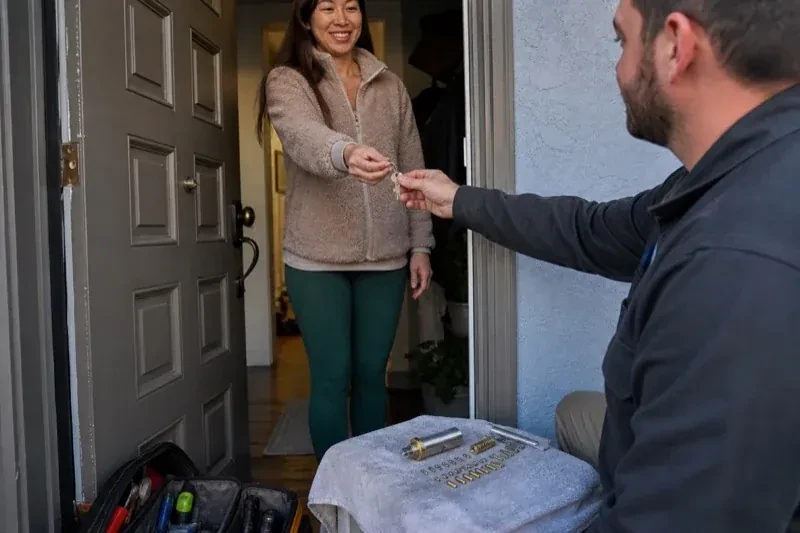
Restricted and patented key systems mean the blank for your key is not sold in shops. A copy can only be cut by an authorised locksmith against a signature, so the number of keys in existence stays known. That control is often worth more than the hardware.
The new manager took over the shop last month and only now needs the back-office safe open, but the combination the previous owner was supposed to leave in writing never turned up anywhere in the handover file.
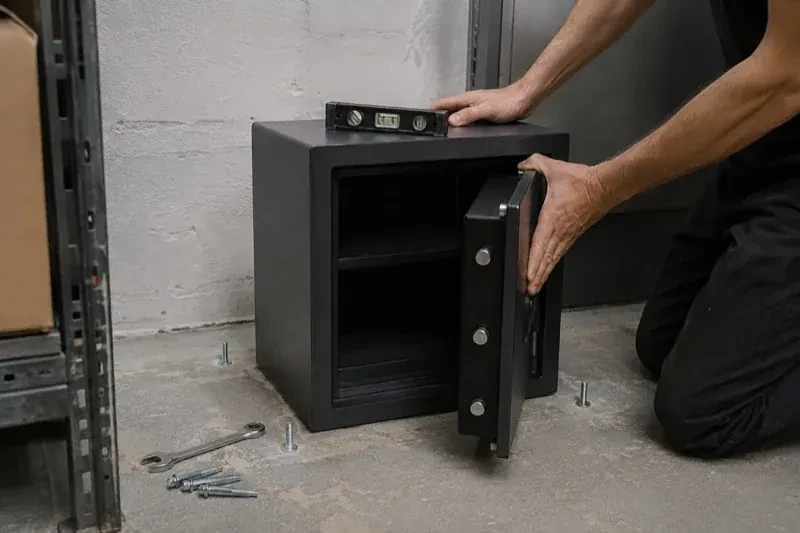
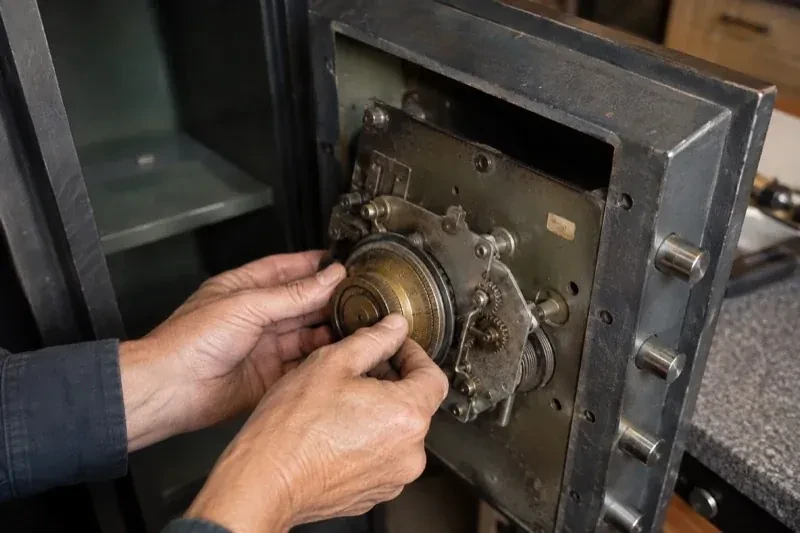
A homeowner inherited a heavy old dial safe from a parent's house, moved it into the new place, and has no idea whether the bolt-work still works, whether the lock is sound, or how it should be anchored.
Which fix fits?
A roommate tried to help with tweezers, then by gluing the other half to it.
WhyHow much a lost key matters depends on what was lost with it.
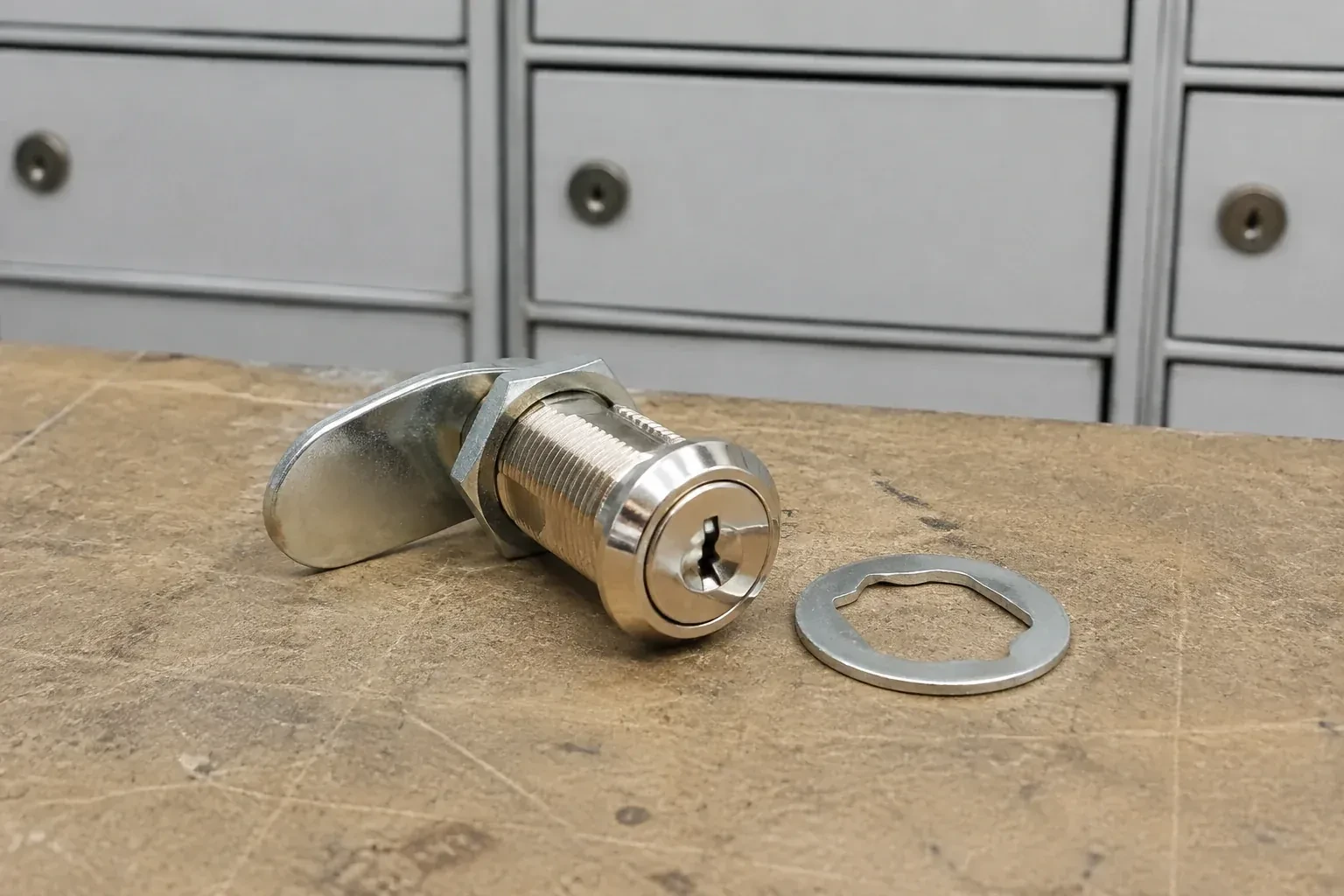
Someone tried to pry the little door on the mailbox open with a screwdriver, and though the mail sitting inside is untouched, the lock now sits crooked in its hole and the key barely catches when it is turned.
WhyMoving into a new place is a common moment for this service, since a mailbox compartment rarely comes with a documented history of who was handed a key.
A dinner service ends with a stack of bills and a handful of credit slips, and right now they sit in an unlocked cash box on a shelf until morning, because nobody has gotten around to anything sturdier.
WhyNot every transponder chip is built the same way.
How a visit goes
Describe the property, the hardware and what has changed, and the visit starts from what you have seen.
1
2
3
01
Listening to the door's history
Has it been forced, does it drag, who has had keys? Those answers tell us whether the frame, the cylinder or the key list needs attention first.
02
Reinforcing what takes the blow
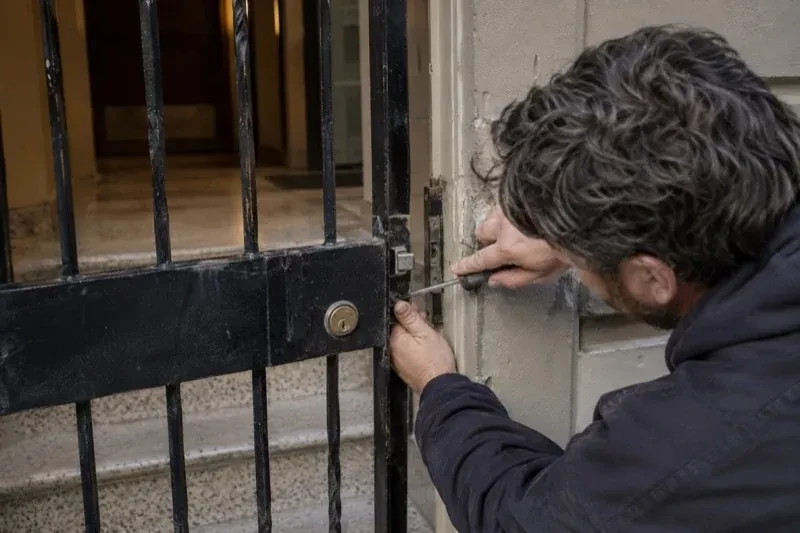
A box strike and three-inch screws into the studs, long hinge screws, and filled holes where the wood has split, before any cylinder is changed.
03
Testing every key in every lock
Doors open, doors closed, both sides, then a push on the locked door to feel for play. We finish by writing down what was fitted.
Good days. Start with a turn.
1/9Broken Key Extraction
A roommate tried to help with tweezers, then by gluing the other half to it. The fragment is now further in than it started, there is dried glue around the keyway, and the front door still does not open.
The patio slider is sitting crooked on its track. Its latch is snapped, the frame is bowed where it was pried, and the panel no longer meets the jamb, so the house cannot be closed up for the night.
The lock works, but only if you lean on the door with your hip while turning the key. After a week of humid weather the bolt is jammed against the strike plate, and without that push the key stops halfway.
Your purse was taken from the back of a chair at a restaurant. The cards can be cancelled by phone tonight, but the house keys were in the side pocket beside a driver's licence that shows exactly where those keys fit.
Someone tried to pry the little door on the mailbox open with a screwdriver, and though the mail sitting inside is untouched, the lock now sits crooked in its hole and the key barely catches when it is turned.
A dinner service ends with a stack of bills and a handful of credit slips, and right now they sit in an unlocked cash box on a shelf until morning, because nobody has gotten around to anything sturdier.
After a busy shift the manager counts the keys coming back in and loses track of who still has one. The walk-in cooler, the liquor cage and the office desk are all supposed to be separate, but the same battered key seems to fit two of them.
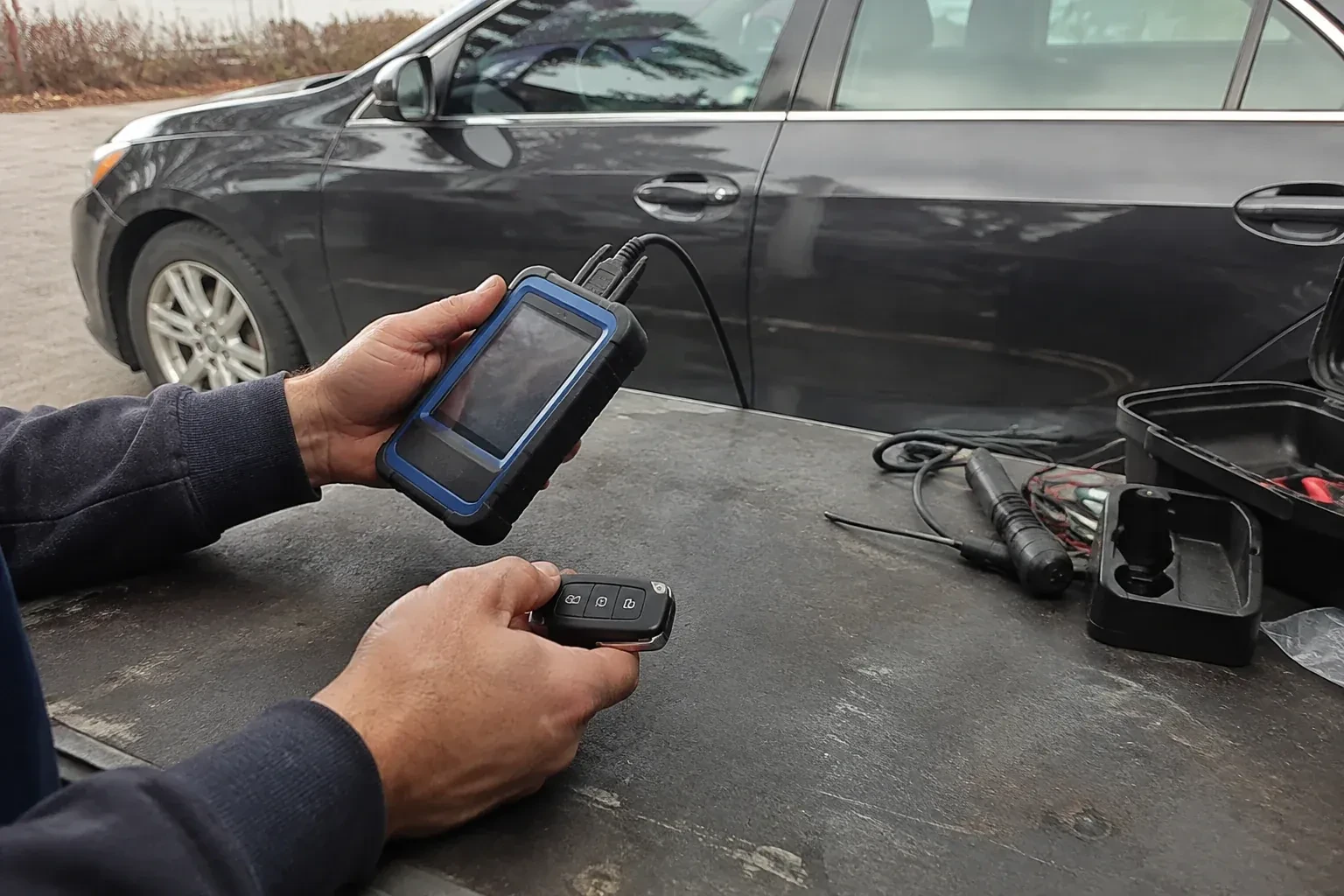
A fob went missing weeks ago somewhere between a coat pocket and a parking lot, and a spare has covered the gap since. Everything still opens and starts without trouble, which is exactly the concern: wherever that missing fob ended up, it may still work too.
The car came with a single key when the sale went through, and that key is the only thing standing between the household and being stranded. A second one has been on the list for weeks, quietly moved down every time something more urgent came up.
It helps if there is one. A crisp spare is the ideal pattern for the replacement, better than the broken halves and far better than a worn copy. It also lets the locksmith test the cylinder the moment the fragment is out, which shows whether the pins and springs are sound. If the spare is itself bent or worn, mention that too; it is a candidate for retirement rather than a pattern.
Is a smart lock a good replacement after a break-in?
It can be, with the same reinforcement behind it. A keypad or app-controlled deadbolt eases the problem of stolen keys, since codes are changed in seconds and a lost phone is unpaired rather than rekeyed. Its bolt still needs a boxed strike and long screws, because the frame is what failed; a keyed override should be rekeyed too, with any spare left with a trusted person, not hidden outside; a cylinder-free model needs no override key. Choose one with a full-throw bolt and fit it to a reinforced door edge.
How can I tell whether the lock or the door is the problem?
Try the key while gently pushing, pulling and lifting the door. If it frees up in one position, the bolt is being pinched by the frame and the door is the cause. If nothing changes, look at the key: does it go fully in and refuse to turn, or spin freely? The first points to the cylinder, the second to the tailpiece behind it. Tell the locksmith which you found and the right parts come in the van.
Should I rekey after a renovation or when a cleaner stops coming?
It is good practice whenever a key has been out of your hands for a while and you are not certain it came back. Contractors, cleaners, sitters and short-term guests all have honest reasons to hold a key, and most return it, but a rekey at the end of the arrangement is what turns 'probably' into certainty. Some households make it a habit at the close of every project.
What is the difference between a private mailbox and a building's mailbox panel?
A private mailbox, whether a standalone box at the curb or a slot in a house door, belongs entirely to that home. A building's mailbox panel groups many small locking compartments in one frame, usually in a lobby, with each compartment assigned to a unit. The lock itself works the same way in both cases; what differs is who confirms the change and how many other doors sit nearby.
Can the combination or code be changed after installation?
Yes, on both mechanical and electronic locks. A mechanical dial is reset to a new combination by working inside the lock body, while an electronic keypad is simply reprogrammed at the keypad or through its service menu. Changing it after a change in staff, a move, or simply out of caution is routine work rather than anything unusual, and it can be arranged as its own visit.
What records should I keep once the system is installed?
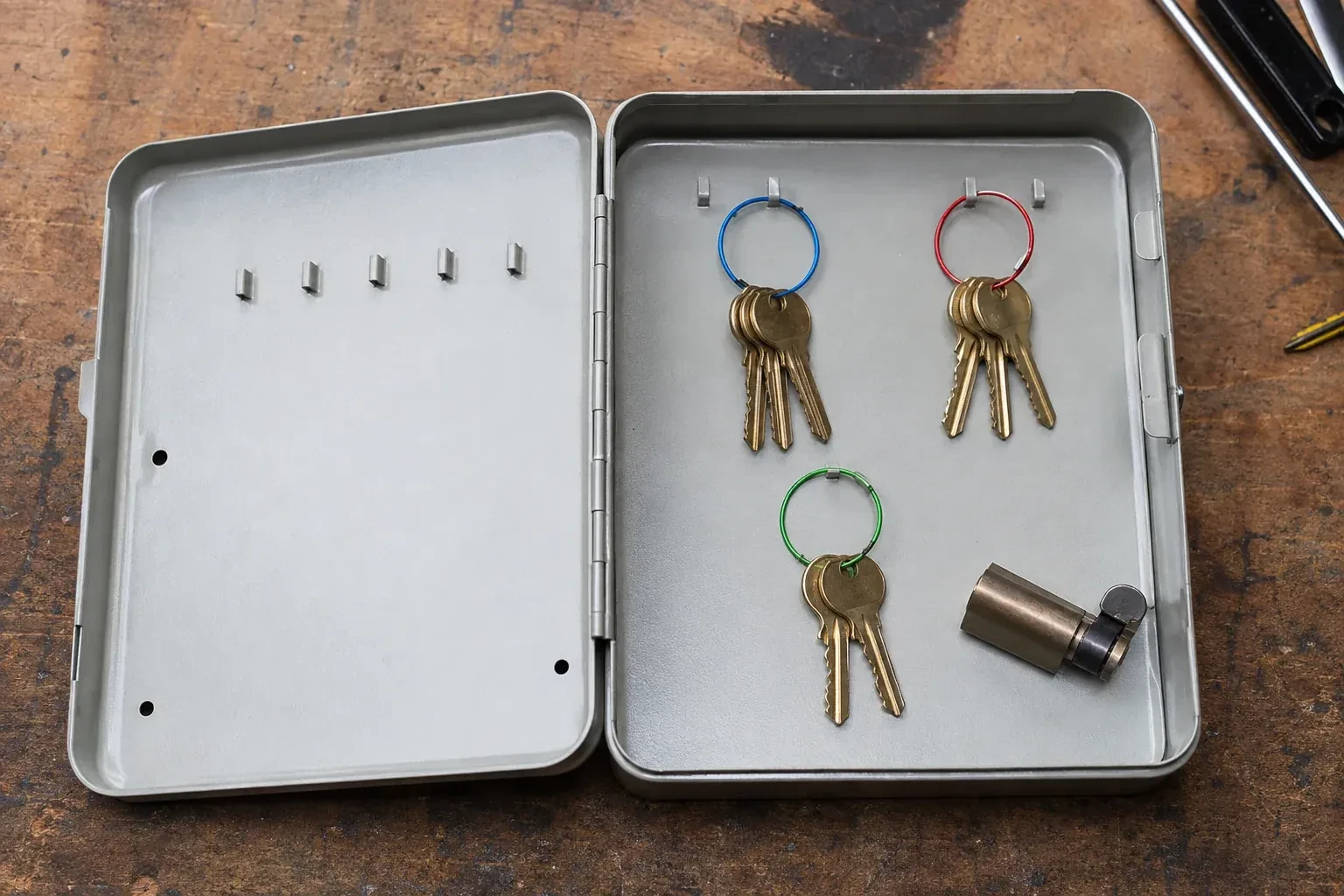
The keying chart itself, a log of which key or fob was issued to which person or role, and receipts signed when keys change hands. Together these let the business answer, at any point, who currently holds which level and when it was issued, rather than relying on memory once the locksmith who built the system is no longer involved.
How do I stop all my fobs from wearing out around the same time?
Replacing coin-cell batteries as soon as a fob's range starts to feel shorter, rather than waiting for it to go completely dark, is the simplest habit. Keeping fobs off a keyring crowded with heavy metal keys reduces wear on the case and buttons as well. Since fobs from the same purchase batch often age together, a fading one is worth treating as an early warning for the others.
What happens if every key for my car is gone?
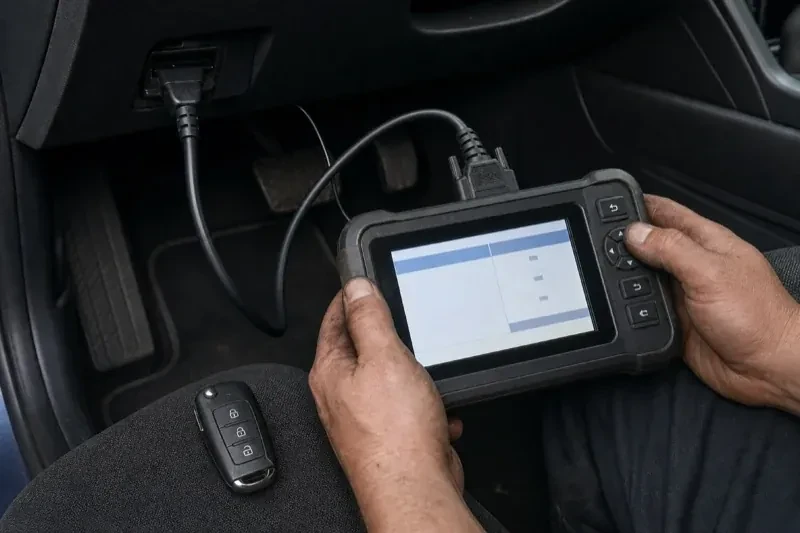
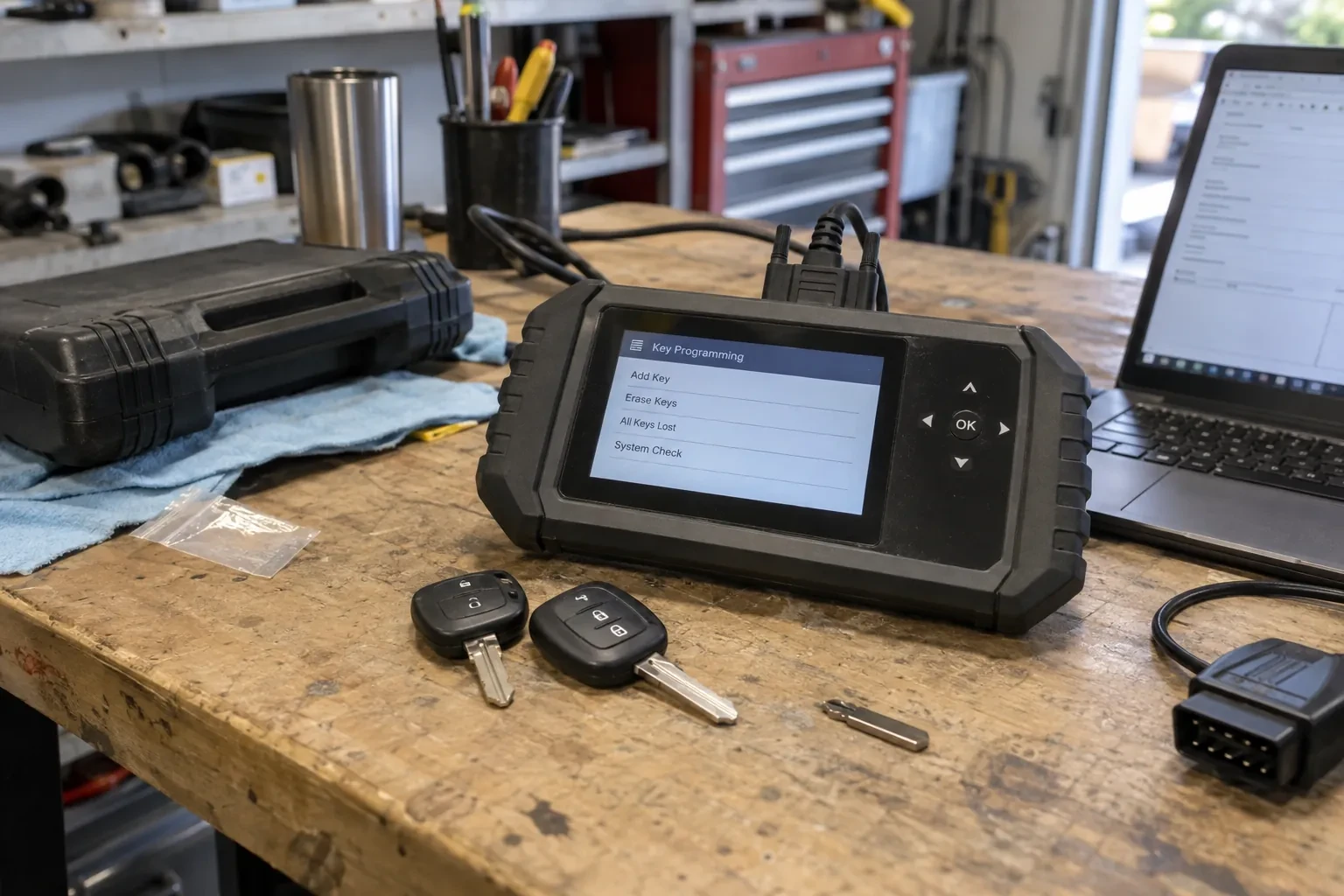
All-keys-lost work starts by re-establishing secure access to the vehicle's own immobilizer module, since there is no existing key left to vouch for a new one. Once that access is confirmed, a fresh key is cut and its chip is written into the vehicle the same way any key would be, and the visit finishes with the usual start-up test across a few ignition cycles.
Request a visit
People in Long Point should understand what is on their door. So we explain in ordinary words: what grade of hardware you have, where the weak point is, and which change would actually make a difference. You get the reasoning, not just a recommendation, and then the decision is yours. Nobody is pushed into an upgrade they did not ask about.