Locksmith in Walsingham, OntarioYour shop's front dooris your first impression
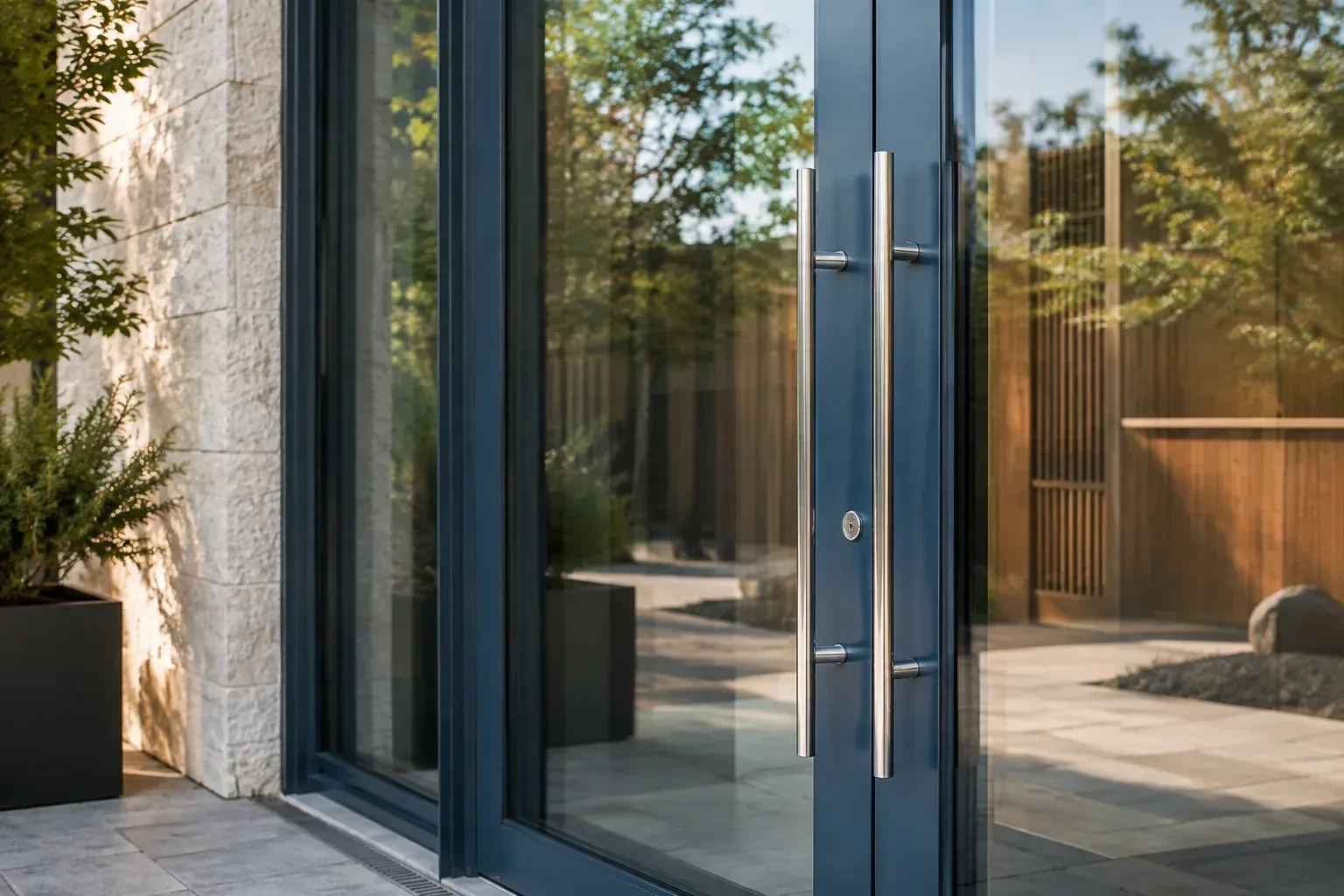
Customers in Walsingham notice a storefront door that slams, drags or needs a shoulder. We service the closers, pivots and locks that keep a commercial entrance quiet and secure, fit cylinders that resist tampering, and set the hardware so the door greets people properly and locks tight after close. Nearby, we also work in Clear Creek, Cultus, Fairground, Hemlock, Houghton Centre, Jacksonburg, Rowan Mills and Spring Arbour.
Customers in Walsingham notice a storefront door that slams, drags or needs a shoulder. We service the closers, pivots and locks that keep a commercial entrance quiet and secure, fit cylinders that resist tampering, and set the hardware so the door greets people properly and locks tight after close. Nearby, we also work in Clear Creek, Cultus, Fairground, Hemlock, Houghton Centre, Jacksonburg, Rowan Mills and Spring Arbour.
Local locksmiths who explain their work.
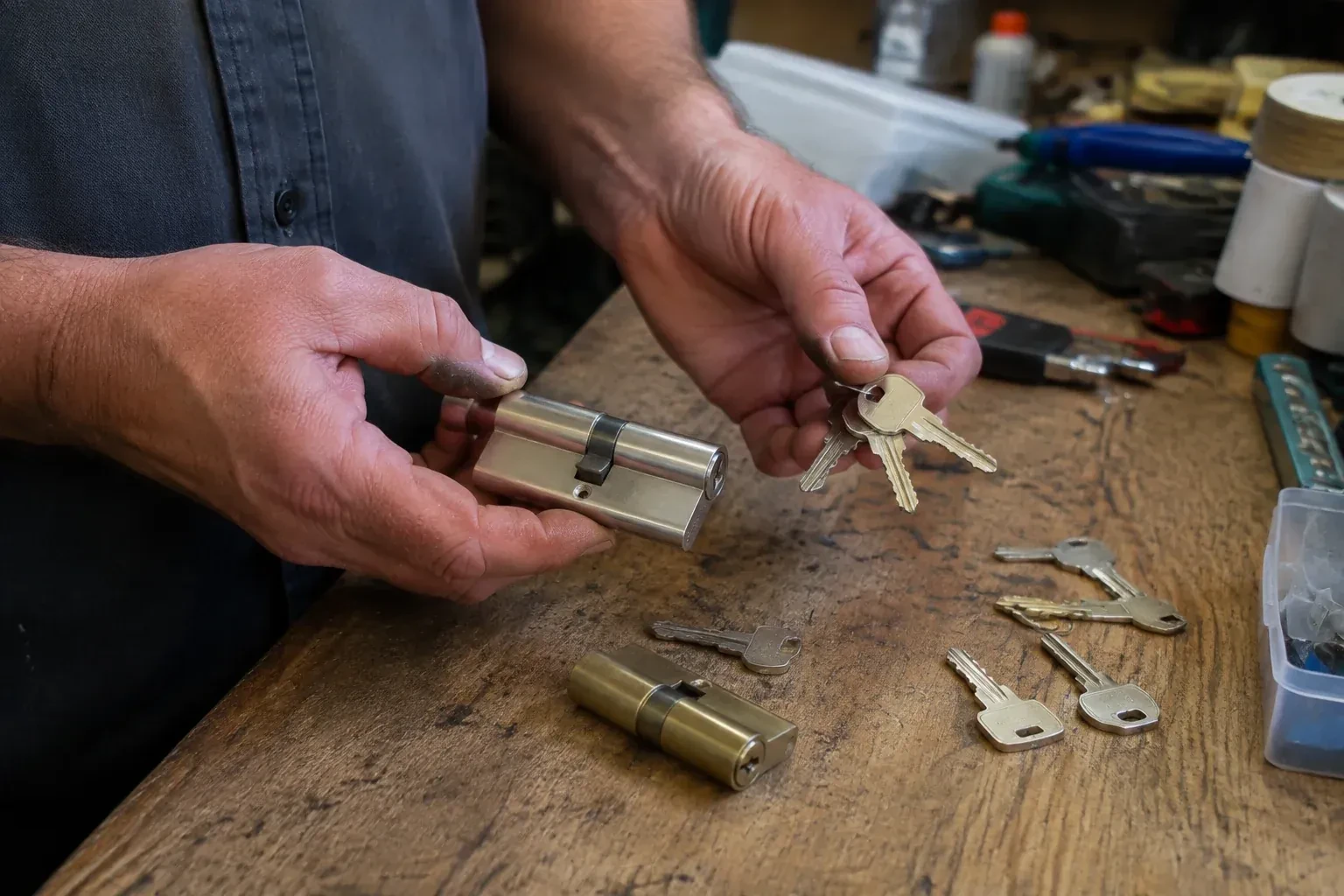
Households in Walsingham often collect locks from different decades that all take different keys. We rekey them to a single key where the hardware allows, replace the one or two that cannot be matched, and set up a spare that lives somewhere sensible. You leave with a lighter ring and a clear idea of which key does what.
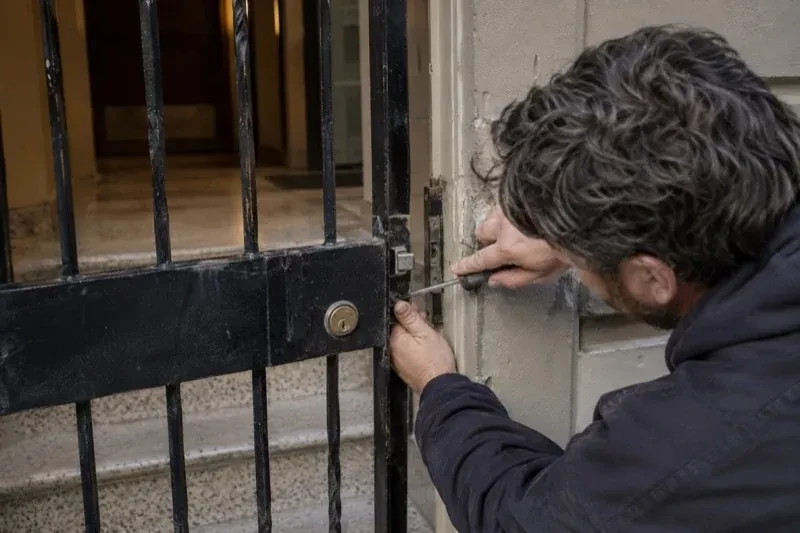
Shopkeepers along the commercial streets of Walsingham know the back door is usually the weak spot. We look at closers, strikes, frames and hinges as well as the lock, fit hardware that keeps the door shut without staff having to think about it, and set up keys or codes so access can be managed as people come and go.
18years in business
24/7open every day
A look before a verdict. We inspect the door, frame and lock before suggesting anything. Diagnosing from the driveway is how people end up with parts they did not need.
Two or three real choices. Where there are sensible alternatives we explain them side by side, including the option of doing less than you expected.
The job finished properly. Tested, aligned, cleaned up and demonstrated. We do not consider a lock done until you have turned the key yourself.
Whatever brought you to this page from Walsingham, whether it was a lockout, a lost key, a move, a break-in or simply a door that has annoyed you for months, one of the services below fits. Each is written to tell you what happens, what it involves, and what you have when the locksmith leaves.
About 62% of homes in Norfolk County were built in 1980 or earlier, according to the 2021 Census.
Older homes
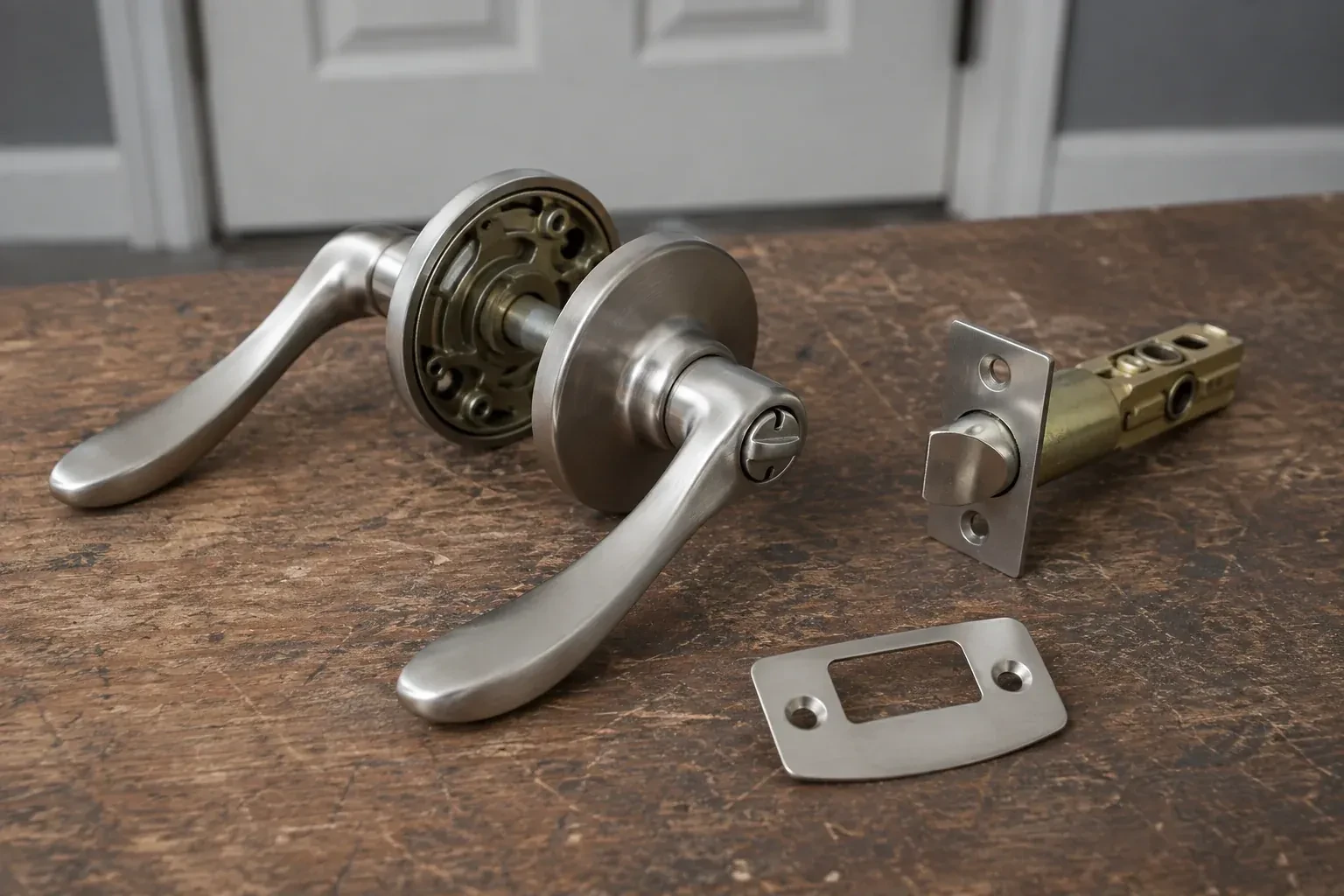
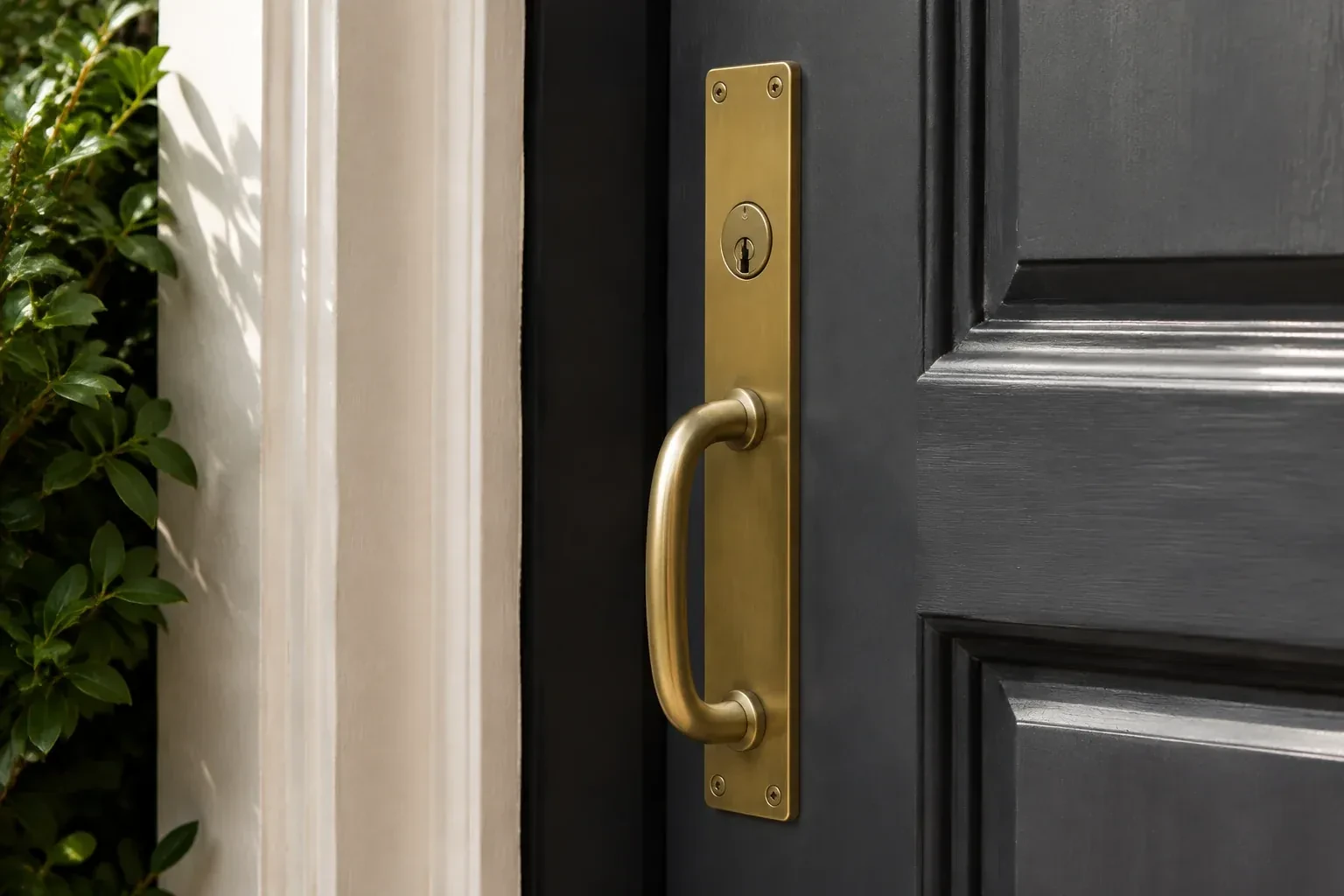
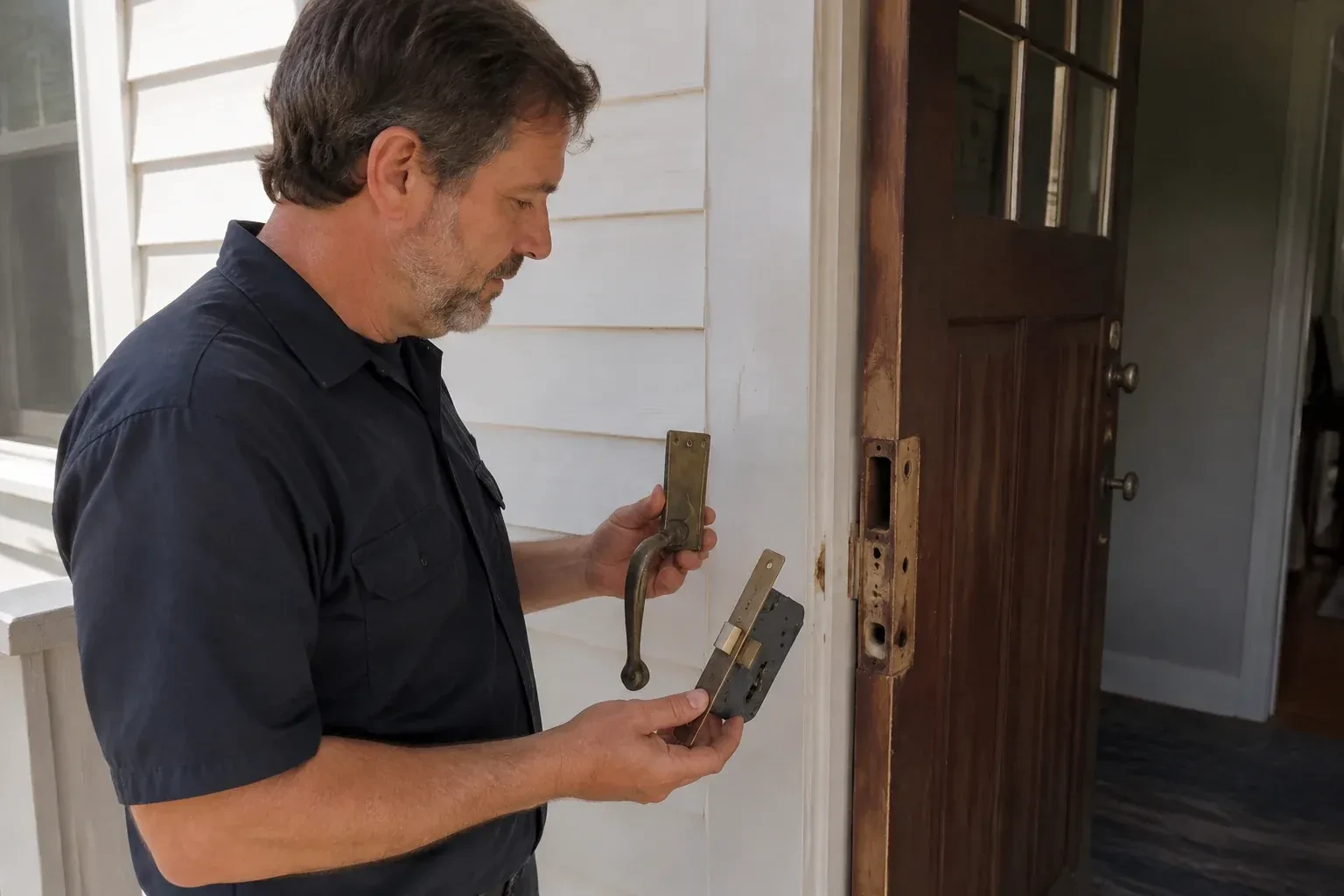
Period hardware on older homes deserves matching parts, not a mismatched modern set. A locksmith who works among such houses keeps finishes and styles that suit them, so a repaired or replaced lock still looks like it belongs to the door.
Single-detached houses make up about 83% of homes in Norfolk County (2021 Census).
Mostly houses
Homeowners in houses often want a spare key that lives outside safely. A locksmith can fit a proper key safe or set up a keypad so a hidden key under a pot is no longer part of the plan.
It is the coldest morning of the winter and the key goes halfway into the side door and stops. There is frost on the face of the cylinder, and the door on the shaded side of the house has done this before.
The builder handed over your new home with a stack of identical keys, and you know the framing crew, the painters and the flooring installers all used a construction key during the build. The doors are brand new, but the key that opens them should be yours alone.
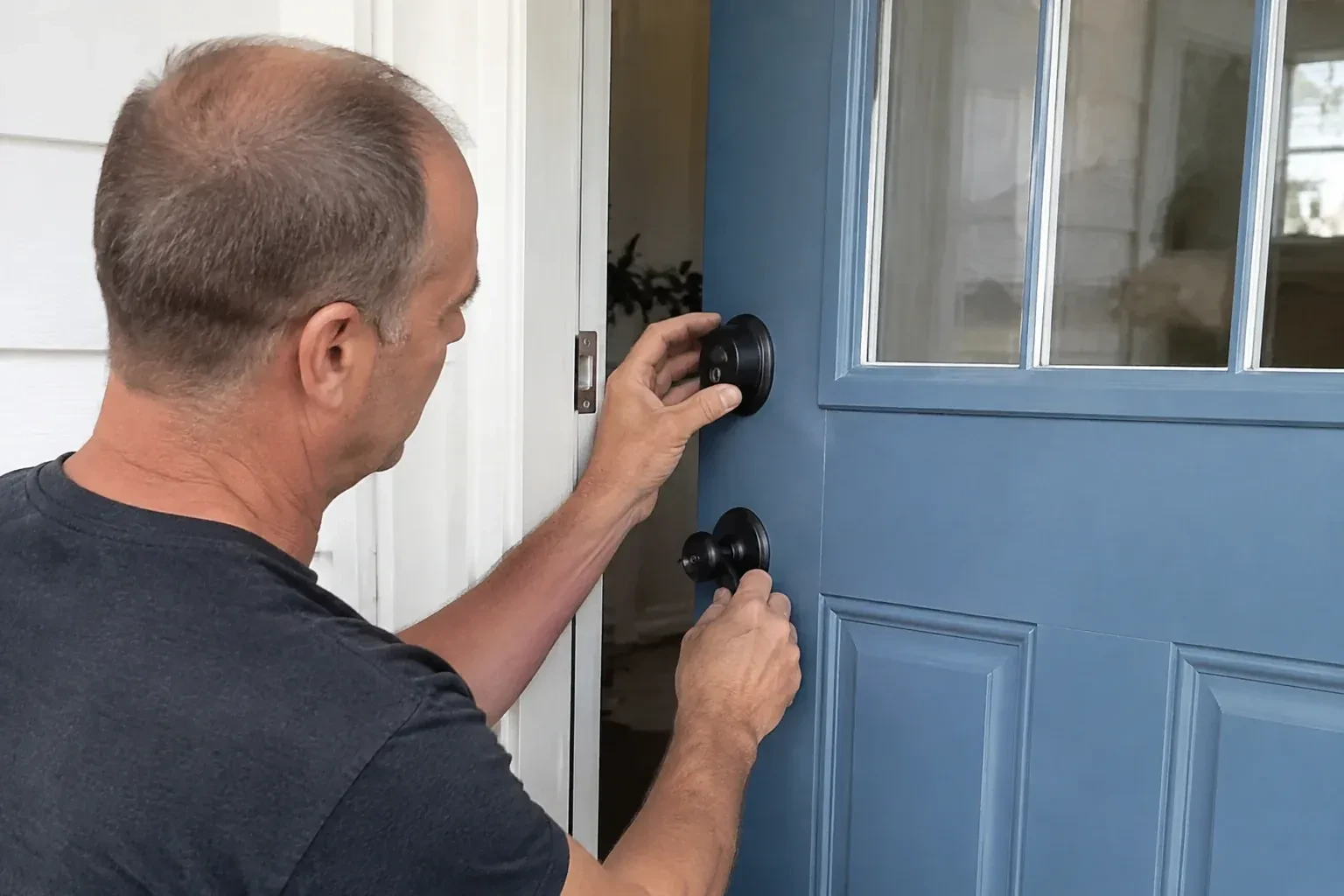
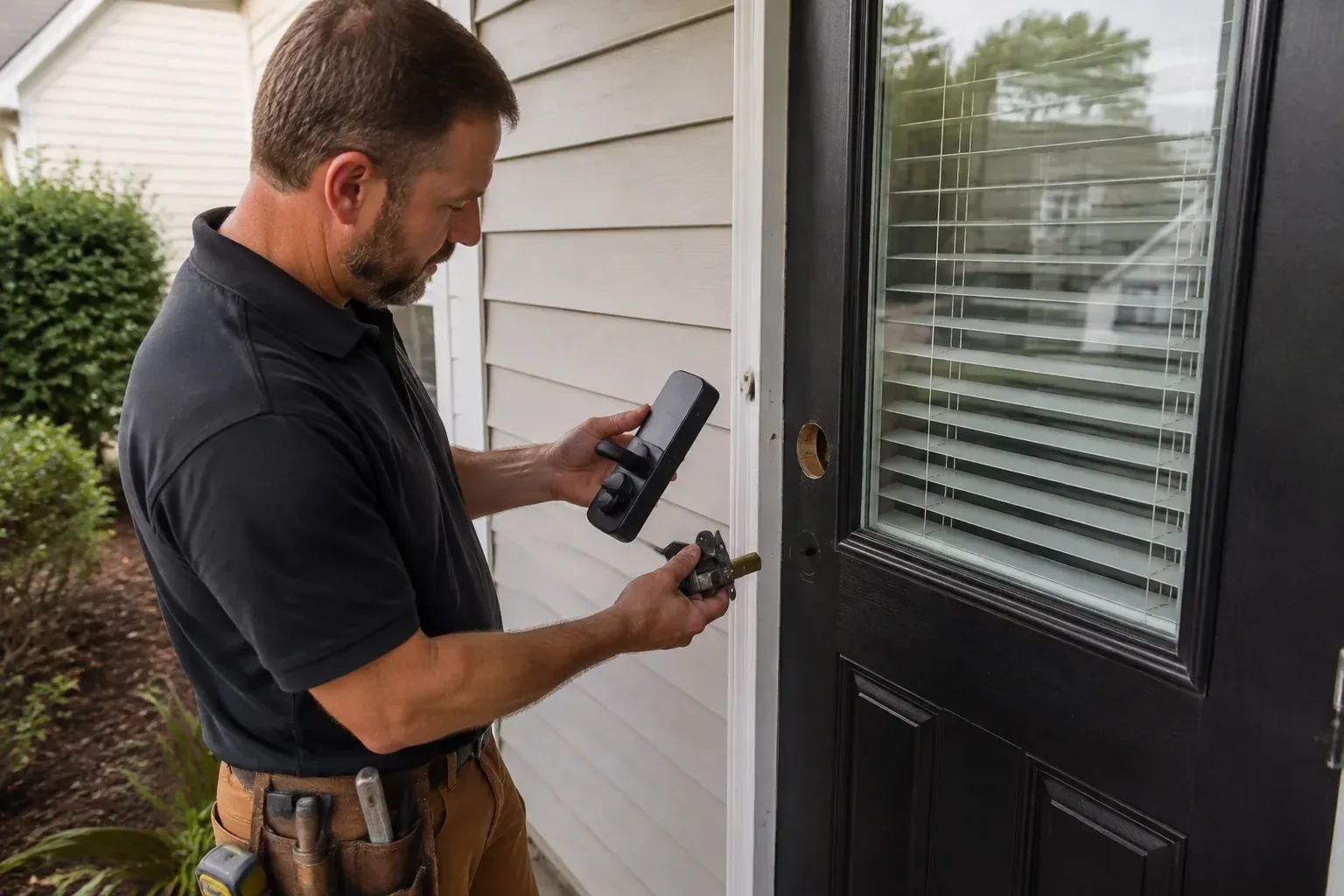
You bought a keypad deadbolt online and pulled the old one off, only to find the hole in the door is a different size and the bolt latch sits at a backset the new kit does not list. The door is now open and the box is on the counter.
Every morning the front door key needs the same little dance: push in, lift, wiggle, turn. It has been getting worse for a year, and this week it took three tries in the cold before the deadbolt finally gave.
The new manager took over the shop last month and only now needs the back-office safe open, but the combination the previous owner was supposed to leave in writing never turned up anywhere in the handover file.
After the attempted break-in the police officer pointed at your door and said the strike plate was held by two short screws. Nobody got in, but you have looked at that door differently every evening since.
You reached the parking lot after a long hike and the pocket that held your car key is empty. Somewhere along ten kilometres of trail is the only key you own, and the car, your wallet and your dry clothes are all locked behind glass.
The car arrived with one worn-looking key and a story about a lost spare. It turns the ignition, eventually, after some patience and a particular angle nobody in the household can quite describe or repeat on the first try.
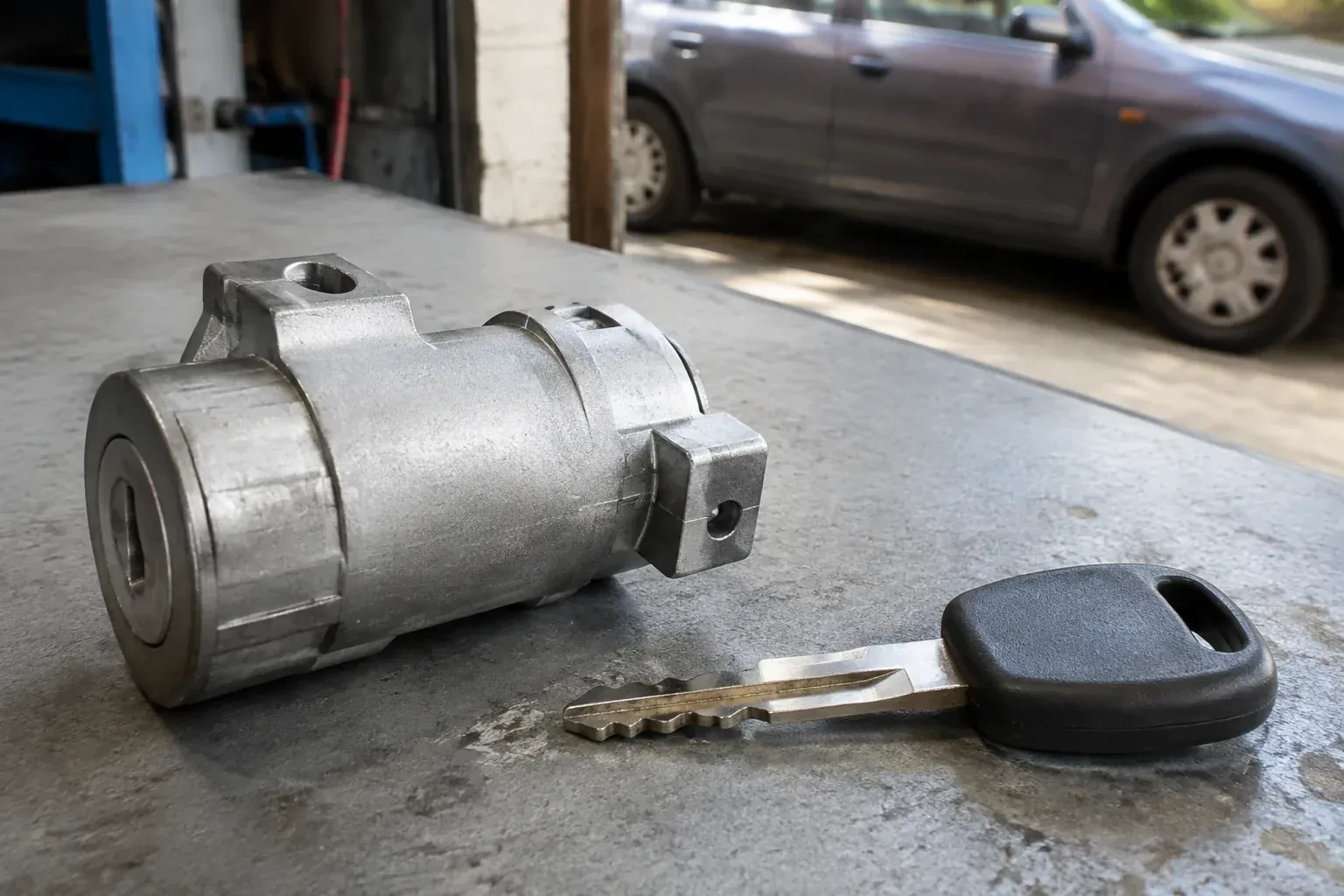
The key turns half a rotation in the ignition, catches, then the blade lets go with a small snap. The bow is still in your hand; the rest of it is somewhere inside a lock that now has nothing to grip.
Businesses need locks that fit how the building is used: who opens up, who closes, who can reach the stockroom. Commercial services cover rekeying, master keys, heavy-duty hardware, exit devices and electronic access for shops, offices and warehouses.
The new manager took over the shop last month and only now needs the back-office safe open, but the combination the previous owner was supposed to leave in writing never turned up anywhere in the handover file.
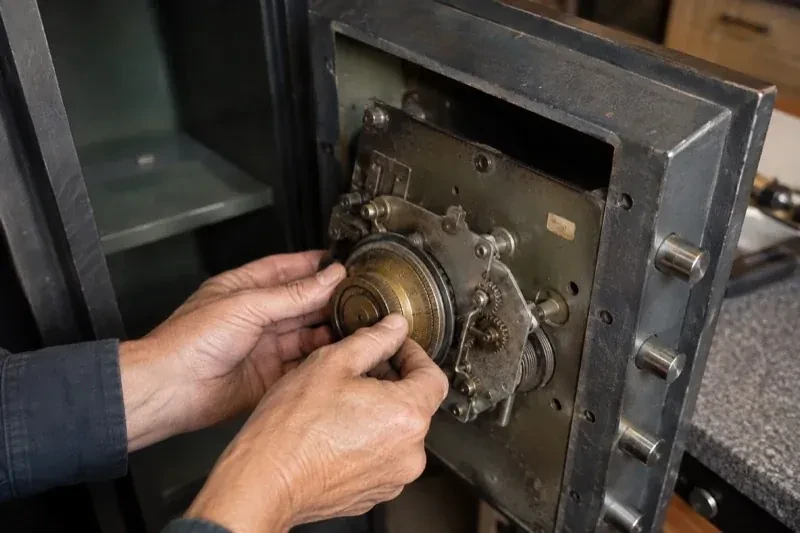
A homeowner inherited a heavy old dial safe from a parent's house, moved it into the new place, and has no idea whether the bolt-work still works, whether the lock is sound, or how it should be anchored.
Which fix fits?
It is the coldest morning of the winter and the key goes halfway into the side door and stops.
WhyWhen the cylinder is the part that has seized, the work is about cleaning rather than force.
The builder handed over your new home with a stack of identical keys, and you know the framing crew, the painters and the flooring installers all used a construction key during the build.
WhyOne key for the whole house is a common request and usually achievable.
You bought a keypad deadbolt online and pulled the old one off, only to find the hole in the door is a different size and the bolt latch sits at a backset the new kit does not list.
WhyAfter a break-in or an attempt, the door tells a story, and the new hardware should answer it.
The new manager took over the shop last month and only now needs the back-office safe open, but the combination the previous owner was supposed to leave in writing never turned up anywhere in the handover file.
WhyA safe that arrives with no history at all, through an estate, an auction or a property changing hands, gets treated as an unknown until the locksmith reads it directly: the data plate, the lock type, the dial or keypad style, and any wear that hints at its age.
After the attempted break-in the police officer pointed at your door and said the strike plate was held by two short screws.
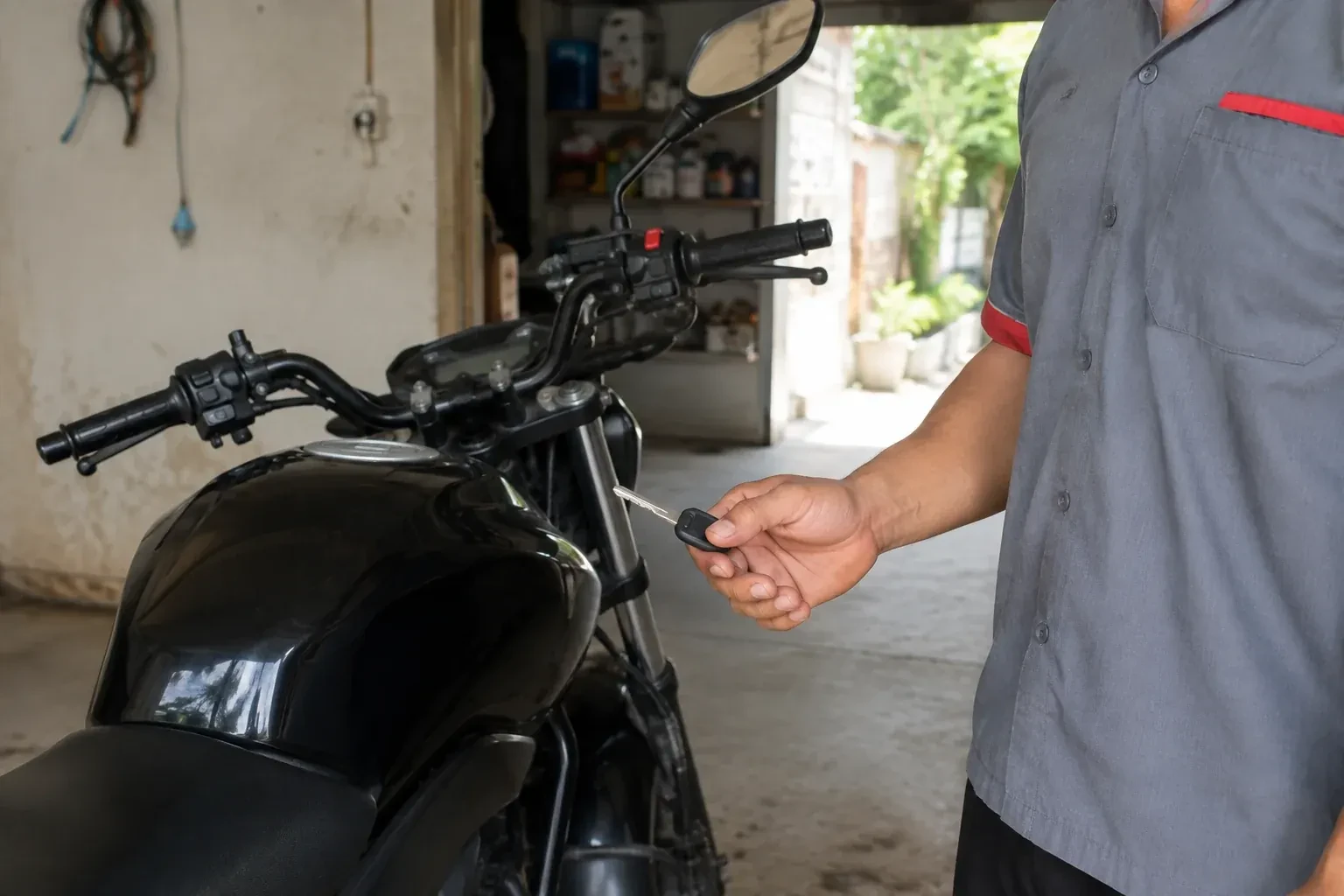
WhyNewer machines add an electronic layer to a mechanical lock: a chip inside the key carries a coded signal that the ignition module checks before letting the engine run, so a correctly shaped blade that lacks the right chip will turn the switch without starting anything.
How can I tell whether the lock or the door is the problem?
Try the key while gently pushing, pulling and lifting the door. If it frees up in one position, the bolt is being pinched by the frame and the door is the cause. If nothing changes, look at the key: does it go fully in and refuse to turn, or spin freely? The first points to the cylinder, the second to the tailpiece behind it. Tell the locksmith which you found and the right parts come in the van.
How is rekeying different from replacing the lock?
Rekeying keeps your existing deadbolt or handle set and gives it a new key, commonly by changing the pins inside, though some cylinders reset a different way. Replacing removes the whole lock or cylinder and fits new hardware. Rekeying suits locks that are in good condition and simply need a fresh key. Replacement is the better call for hardware that is worn or damaged, built to a low grade, on a keyway the other doors cannot share, or due for a change of style or a keypad.
Does the finish of the deadbolt matter beyond looks?
It does on an exposed door. Winter salt spray, summer sun and humid air all work on the outside trim, and residential deadbolts carry a finish grade that reflects how well the coating resists them. A lifetime or PVD-style finish stays bright longer on a south-facing or roadside door, while a sheltered porch door can carry any finish you like. Matching the knob or lever below is mostly a matter of taste.
Can the same visit replace locks on more than one door, or does each door need its own appointment?
One visit usually covers every door on the job. The locksmith brings a range of cylinders and strikes, measures each door's backset and bore, and works through the list in order, front entrance first if a key change matters most there. Having a rough list ready, which doors, and whether they should end up on one key or several, lets the locksmith plan hardware before arriving rather than working it out door by door on site.
Can you open a safe used to store firearms?
Yes, the opening itself proceeds the same way as for any other safe. Afterward, for a business, it is worth confirming the storage arrangement still meets the applicable federal requirements for secure firearms storage, since those cover the container, the surrounding room and who has access, separately from whatever caused the lock to need attention.
What about the glass panel next to my front door?
A sidelight within reach of the inside thumb-turn is the weak point of an otherwise strong door, since a broken pane lets a hand reach the turn. Options include moving the deadbolt further from the glass, a lock function that needs a key inside as well, or a laminated pane. Because everyone must still be able to leave easily, the locksmith talks through the trade-offs and helps you pick the arrangement that suits your household.
Is an older car easier or harder to open than a new one?
Different rather than easier. An older car usually has a cylinder in every door and simple linkages, so picking or decoding the lock is routine. A newer car may hide its cylinder, has doors full of electronics that call for wedge-and-reach rather than anything inside the door, and adds an immobiliser to any lost-key work. Either way the locksmith chooses the method by the model, not by guesswork.
Will the same key still open my doors and trunk after this repair?
If the doors and trunk already shared a key with the ignition, that arrangement is kept in mind throughout the repair and preserved wherever the vehicle's hardware allows it. Where a new cylinder or new pinning is involved, the other locks are tested against the new key before the visit ends, so nothing is left running on two different keys by accident.
Do you need the vehicle's VIN to make a key?
It helps but is not always required. The VIN can confirm the exact model and sometimes points to a factory key code on file, which speeds up cutting a key without reading the lock from scratch. Where the VIN is not available or does not lead anywhere useful, the locksmith works directly from the lock or an existing key instead, so a missing VIN slows the process rather than stopping it.
Request a visit
Households in Walsingham often collect locks from different decades that all take different keys. We rekey them to a single key where the hardware allows, replace the one or two that cannot be matched, and set up a spare that lives somewhere sensible. You leave with a lighter ring and a clear idea of which key does what.