Locksmith in Normandale, OntarioRekey. Repair.Replace, if it needs it.
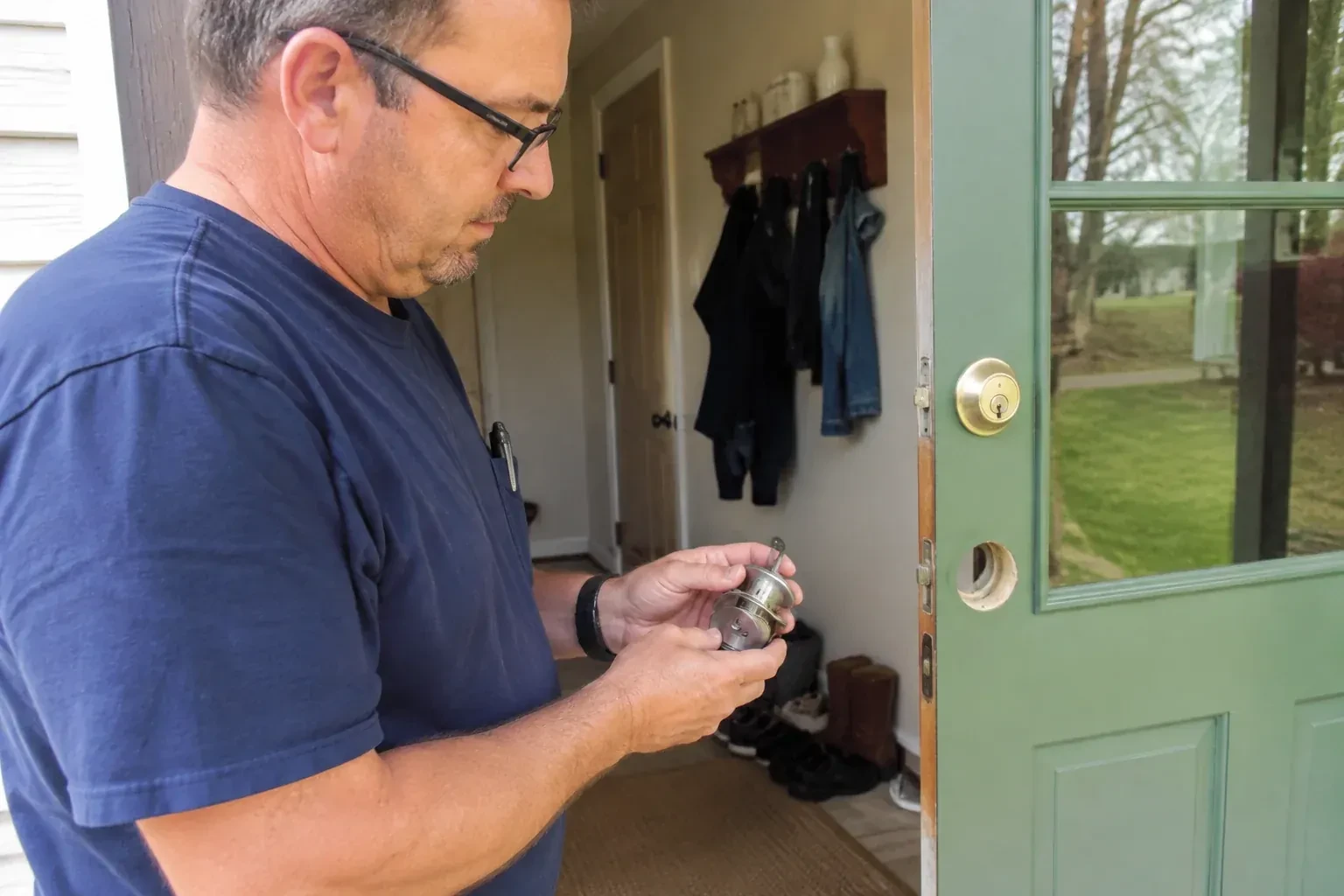
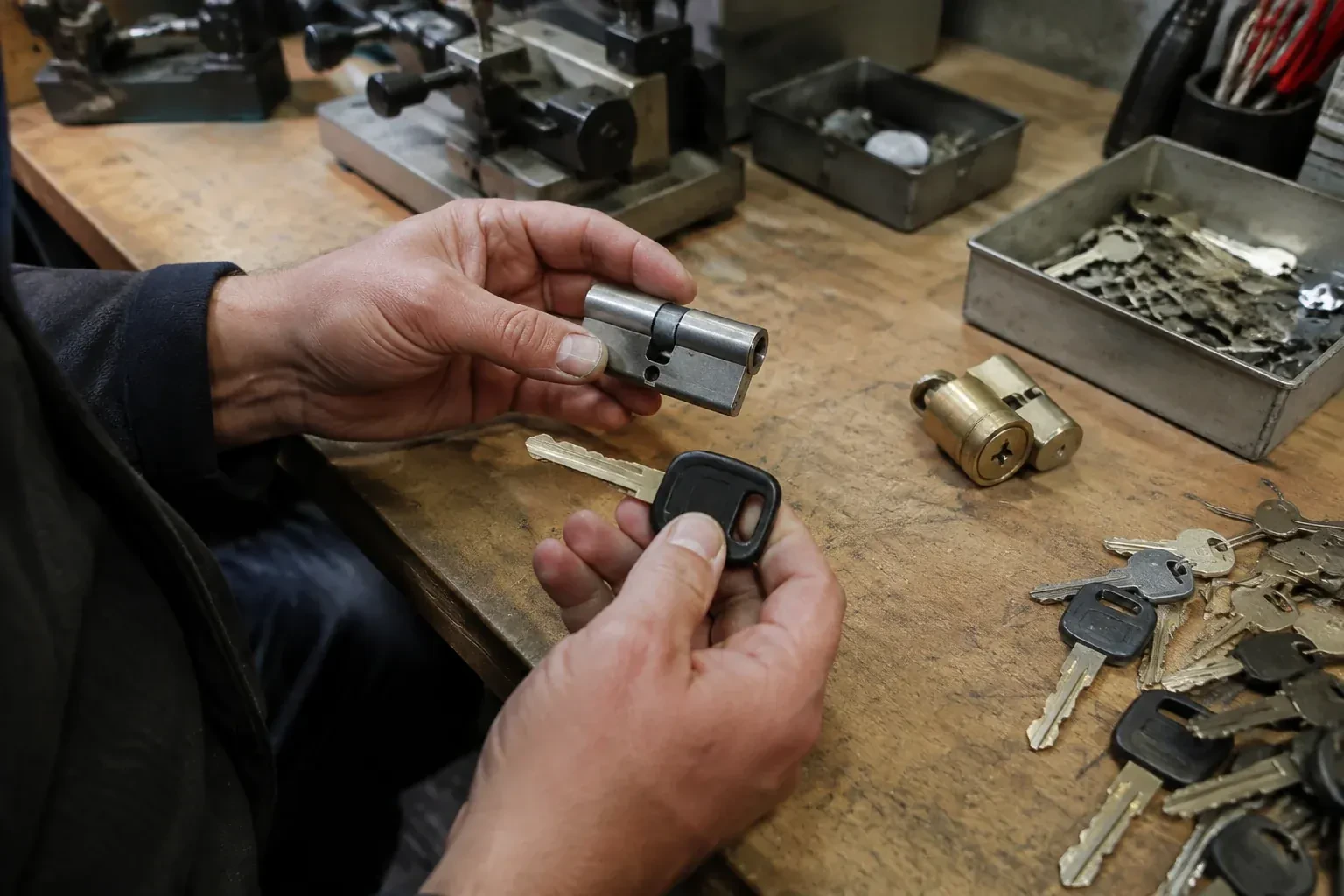
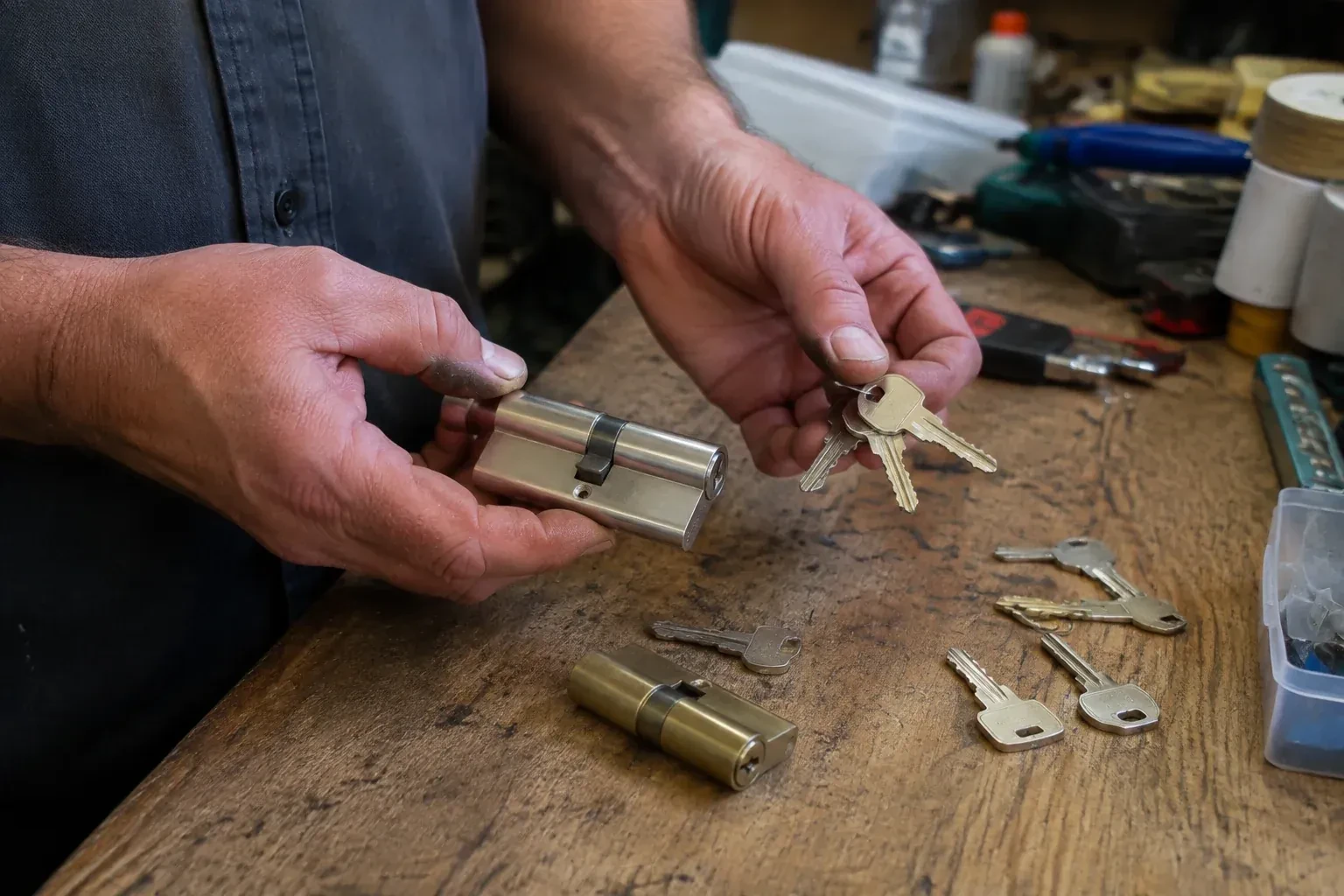
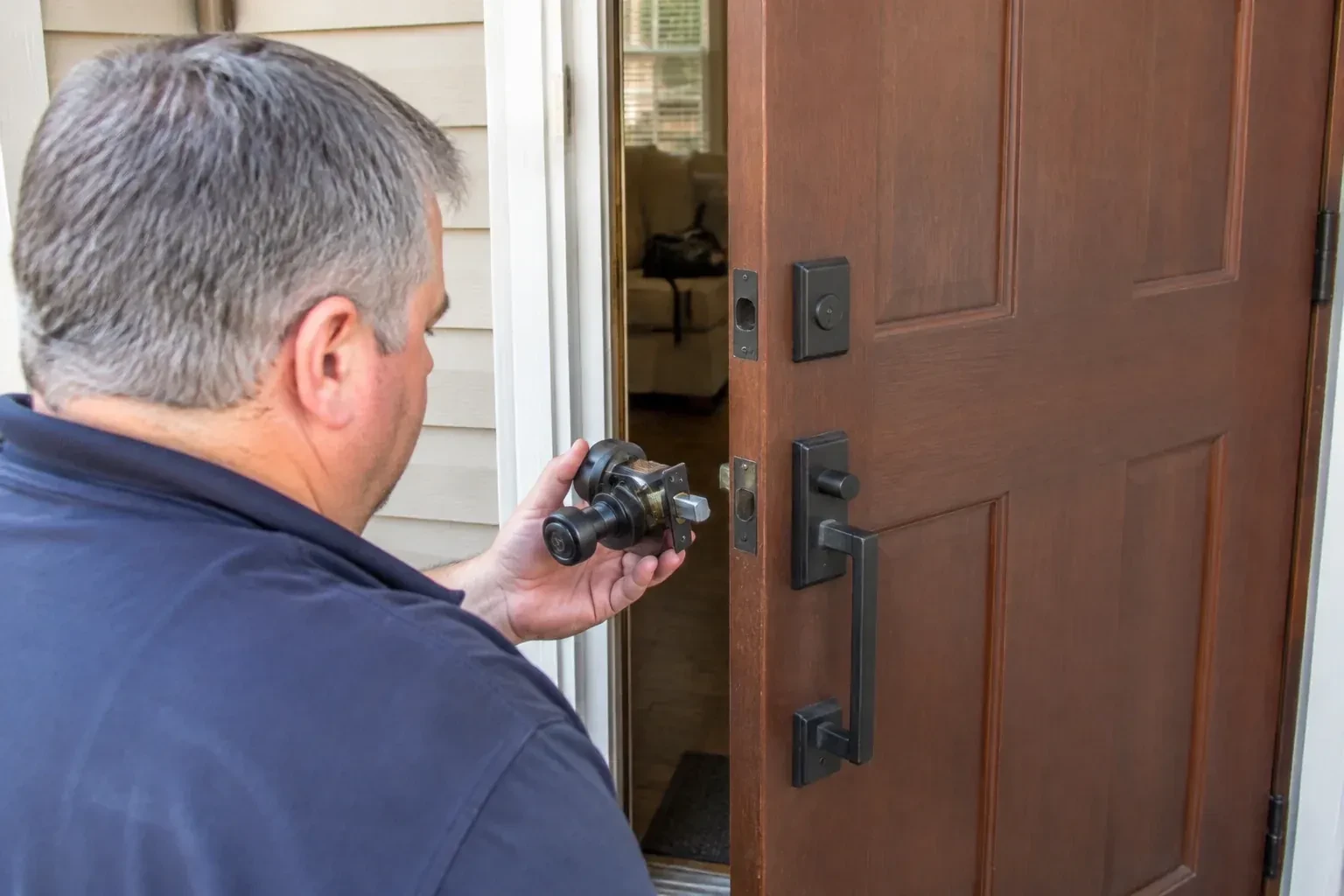
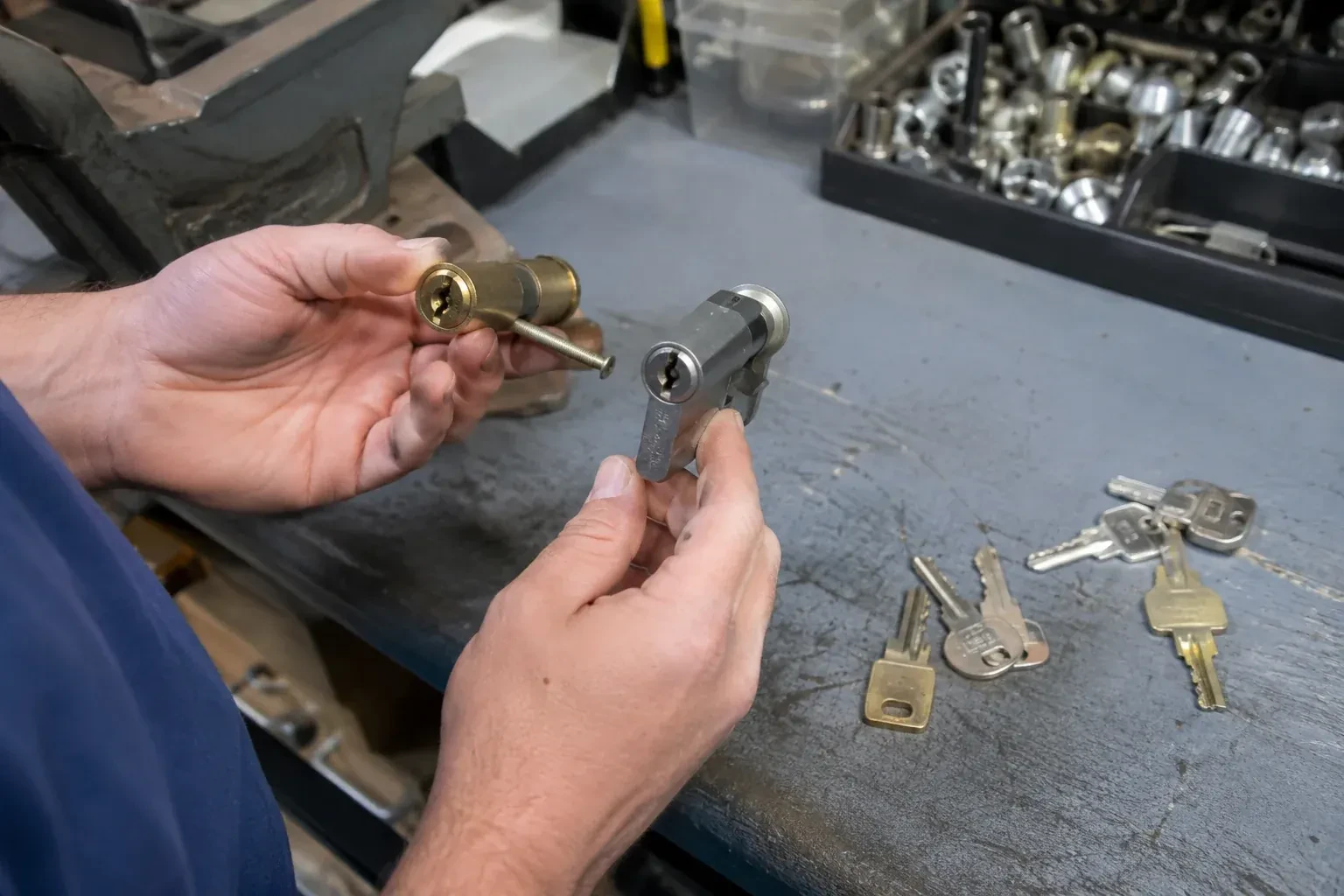
Most locks in Normandale do not need replacing. They need new pins, a clean cylinder, or a strike moved a few millimetres so the bolt stops fighting the frame. We start with the least invasive fix, say plainly what we see, and only move up the list when the hardware has truly reached the end of its life. The same crew covers Fishers Glen.
Most locks in Normandale do not need replacing. They need new pins, a clean cylinder, or a strike moved a few millimetres so the bolt stops fighting the frame. We start with the least invasive fix, say plainly what we see, and only move up the list when the hardware has truly reached the end of its life. The same crew covers Fishers Glen.
Local locksmiths who explain their work.
We plan visits around how people in Normandale live. A shop wants the work done before opening or after close. A family wants a time when someone is home and the dog is put away. A landlord wants the unit done between tenants. Tell us the window that suits you and we build the day around it, then call when the van is on its way.
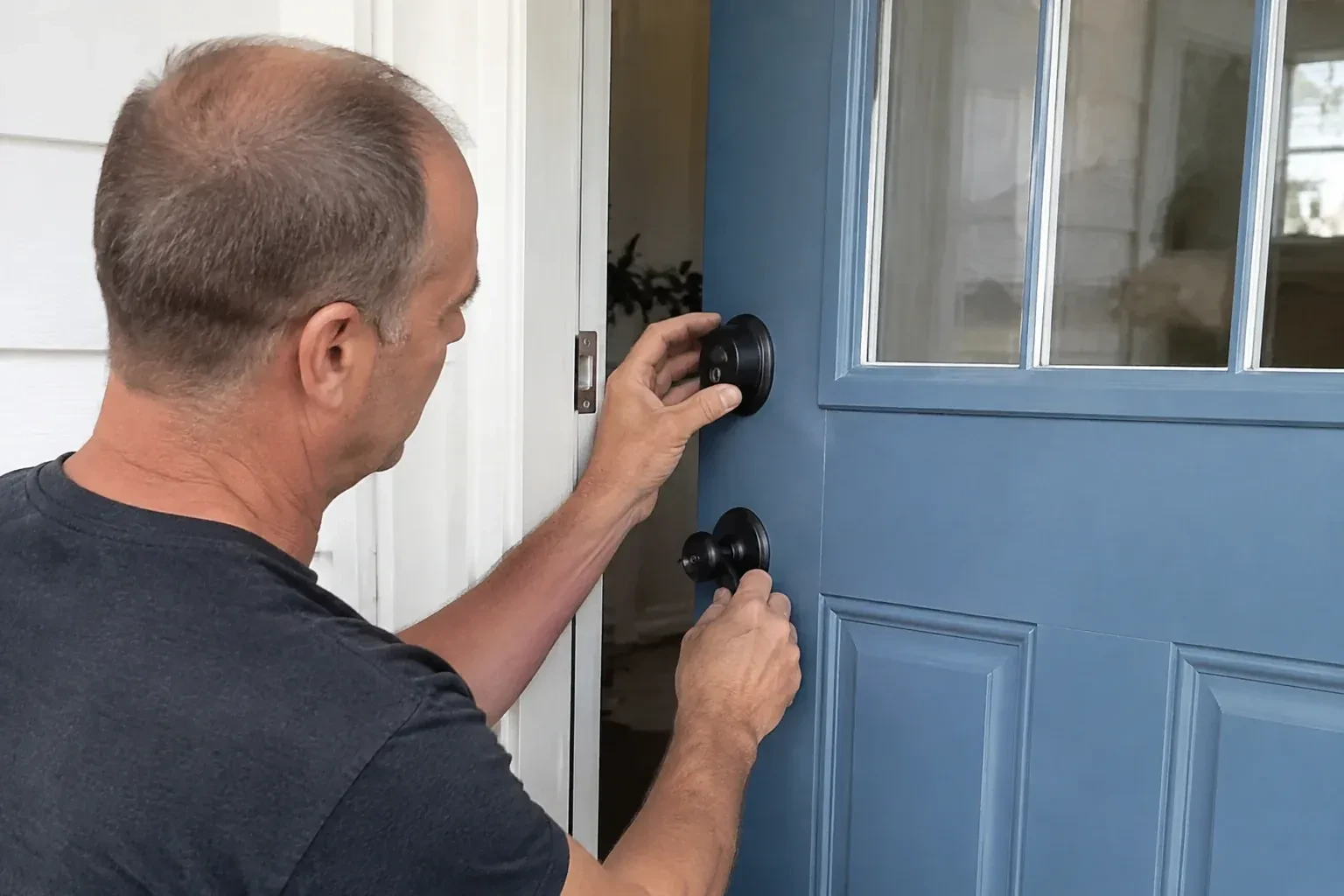
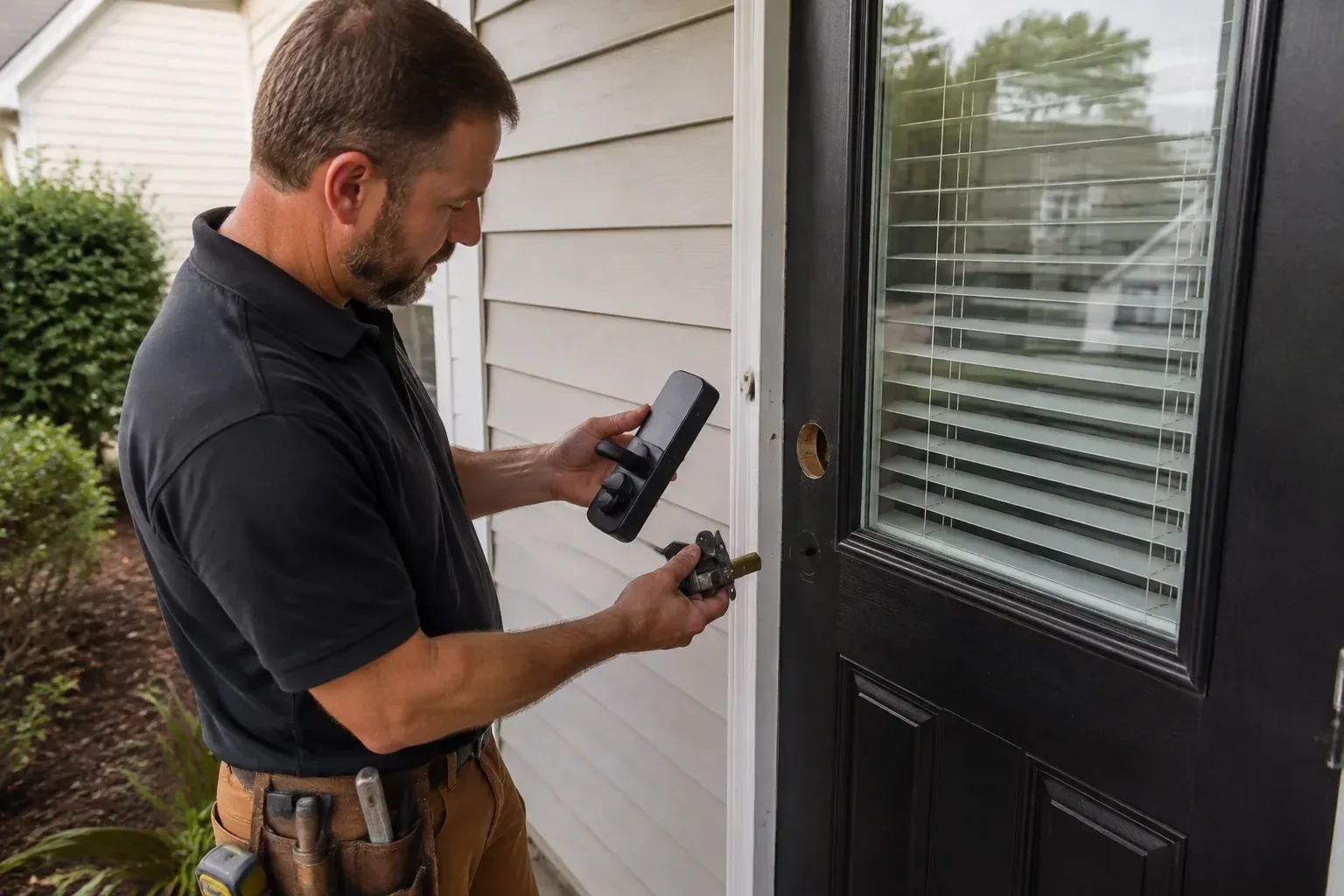
For families in Normandale, the goal is usually simple: a door that locks with one hand, keys that turn without a fight, and the peace of mind that nobody else holds a copy. We deliver that through rekeying, careful deadbolt installation and attention to the frame and hinges, and we show you everything before we leave.
18years in business
24/7open every day
A look before a verdict. We inspect the door, frame and lock before suggesting anything. Diagnosing from the driveway is how people end up with parts they did not need.
Two or three real choices. Where there are sensible alternatives we explain them side by side, including the option of doing less than you expected.
The job finished properly. Tested, aligned, cleaned up and demonstrated. We do not consider a lock done until you have turned the key yourself.
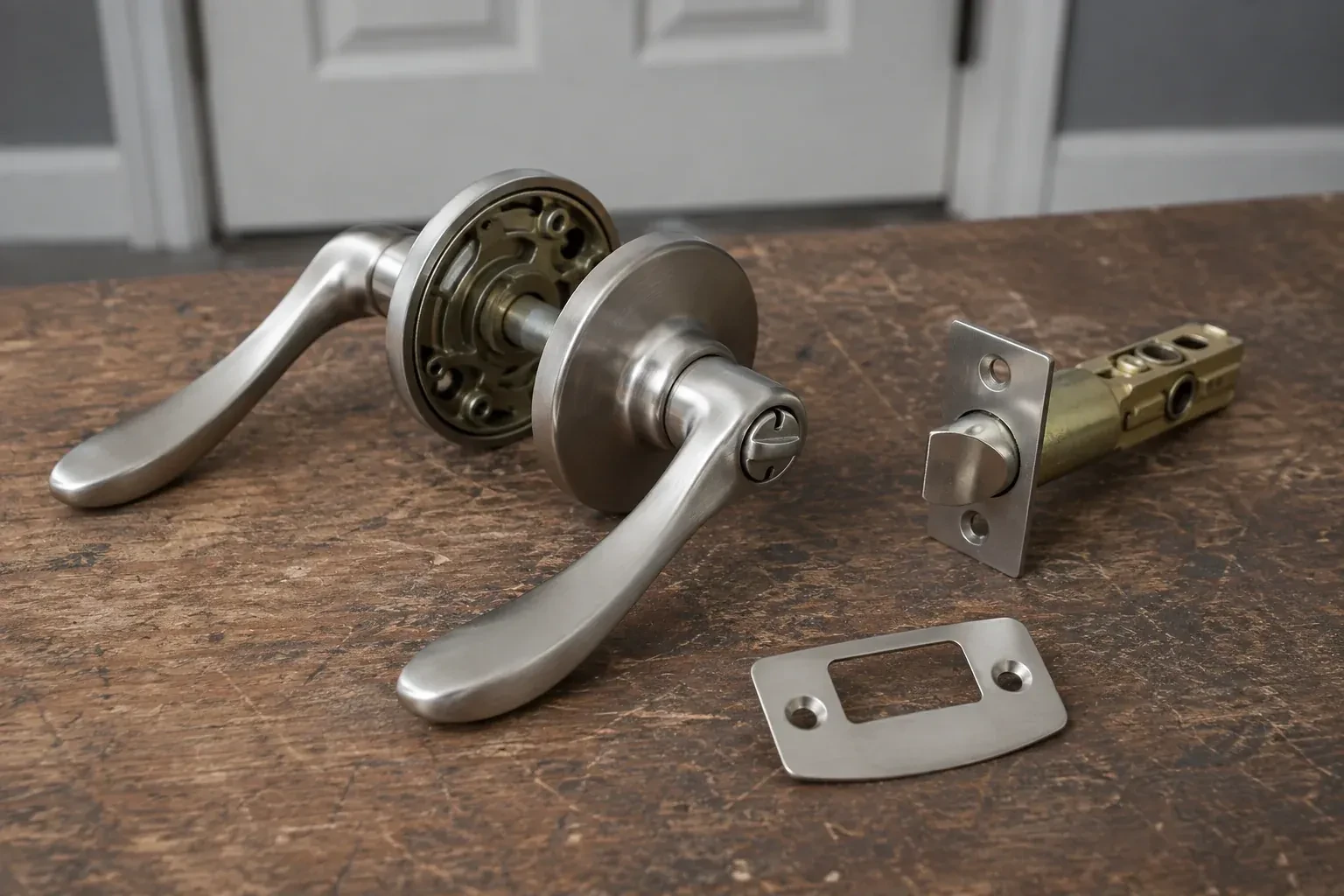
A door in Normandale has more parts than most people think: the cylinder, the latch, the deadbolt, the strike, the closer, the hinges and the frame around them all. The services listed here touch every one of those parts, from a straightforward rekey to a full storefront hardware overhaul.
About 62% of homes in Norfolk County were built in 1980 or earlier, according to the 2021 Census.
Older homes
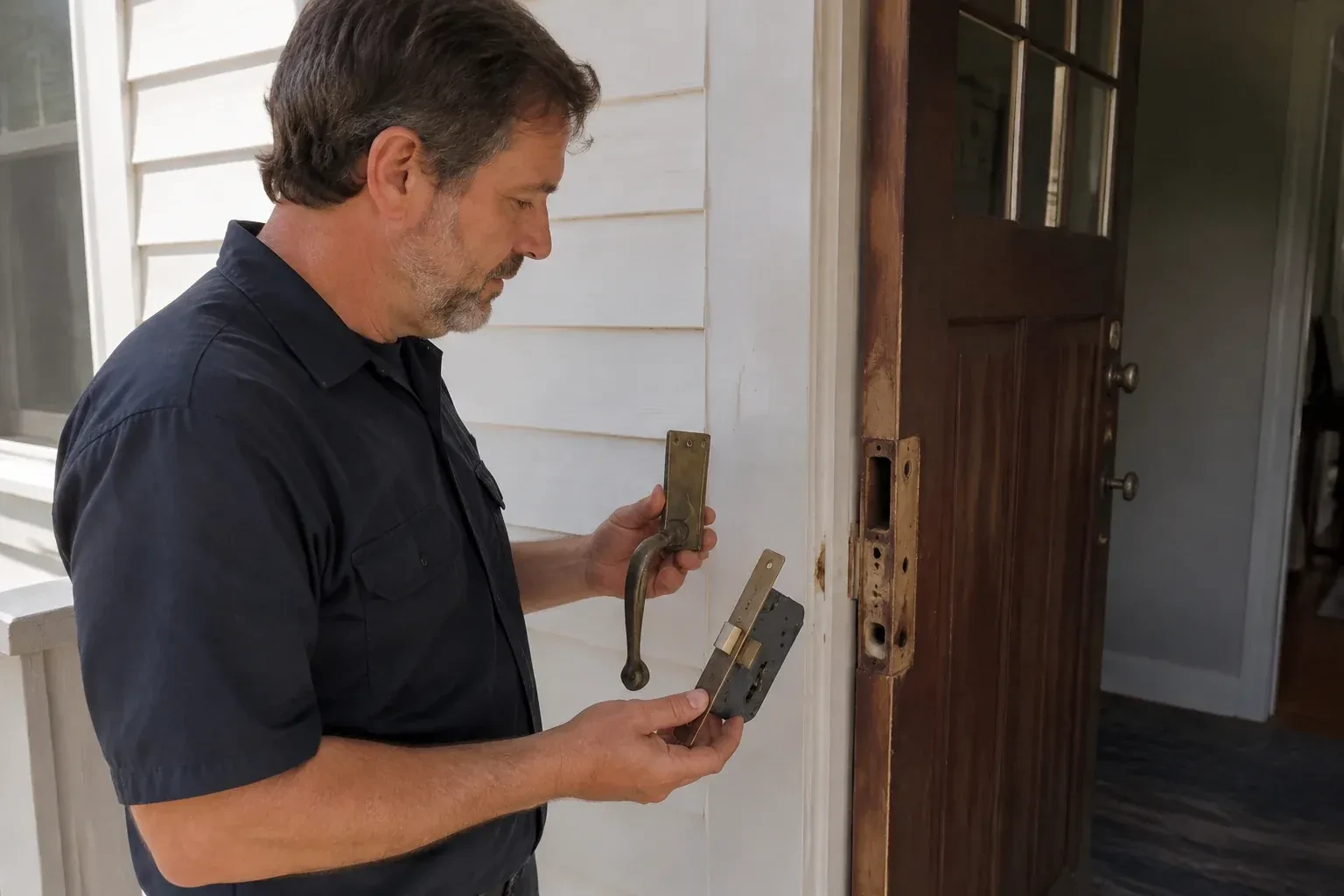
Older doors are usually thicker and made of solid wood, which is good news. They take a deadbolt well, hold longer strike screws, and reward reinforcement. The locksmith measures the thickness and backset so new hardware fits without fresh holes.
Single-detached houses make up about 83% of homes in Norfolk County (2021 Census).
Mostly houses
Where homes are mostly detached, patio and sliding doors deserve attention alongside the hinged ones. Auxiliary locks, pin locks and better latches for sliders are routine additions that a locksmith brings on the same visit as the front door work.
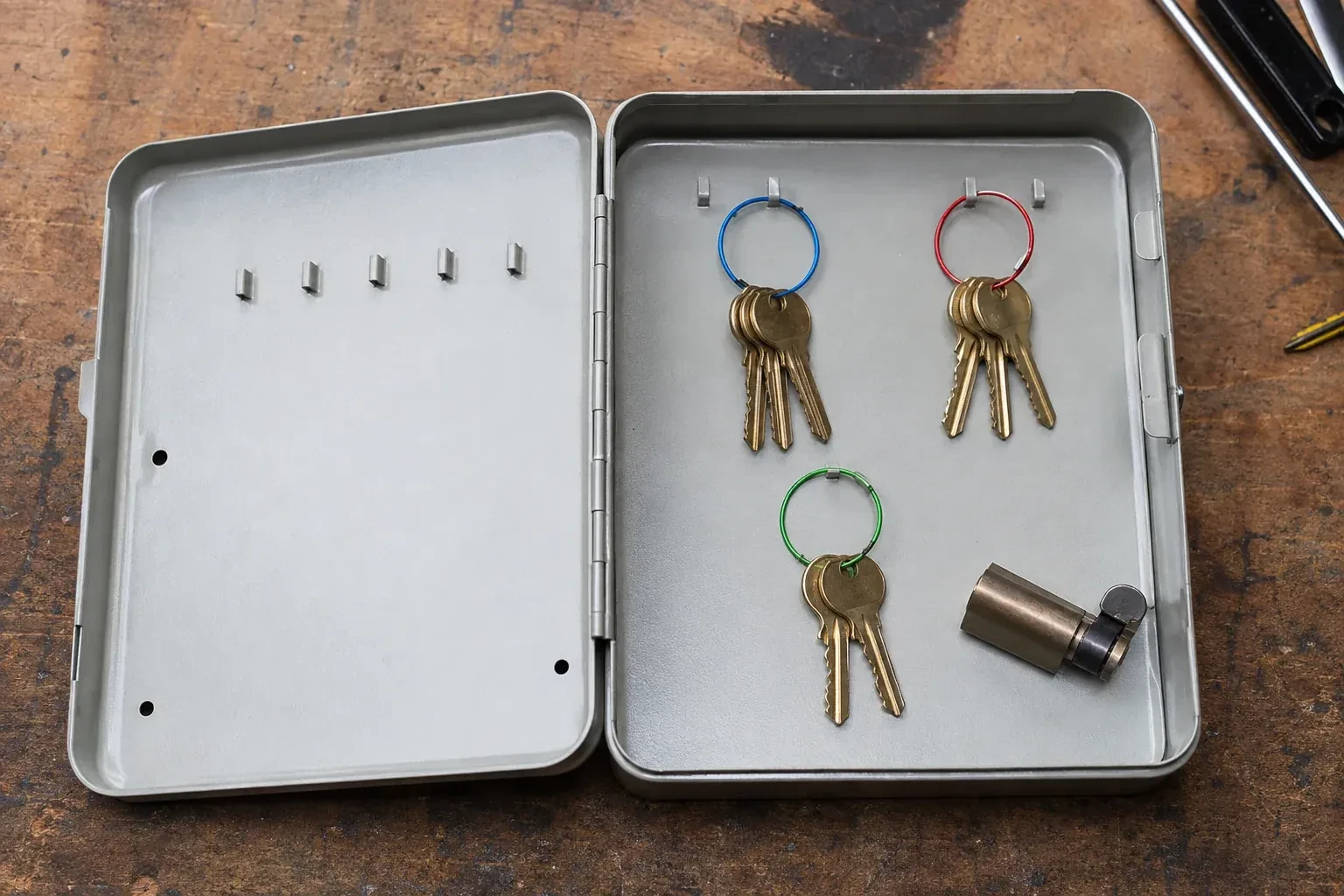
Restricted and patented key systems mean the blank for your key is not sold in shops. A copy can only be cut by an authorised locksmith against a signature, so the number of keys in existence stays known. That control is often worth more than the hardware.
The new manager took over the shop last month and only now needs the back-office safe open, but the combination the previous owner was supposed to leave in writing never turned up anywhere in the handover file.
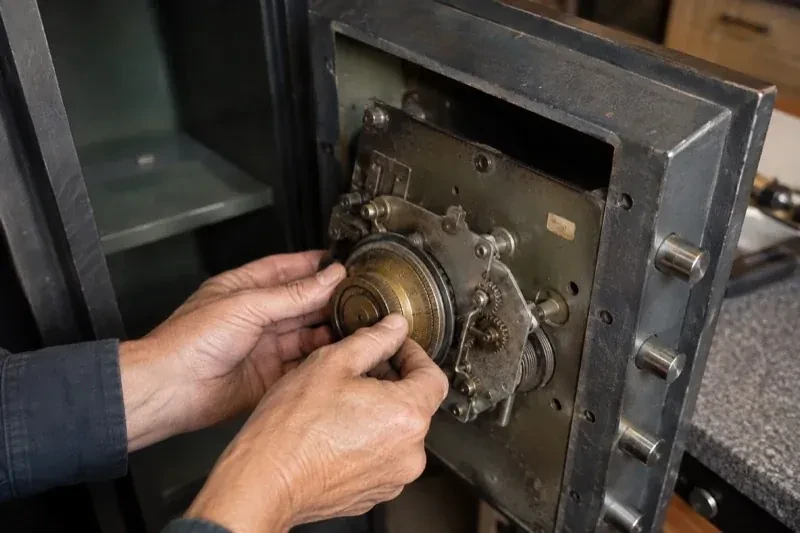
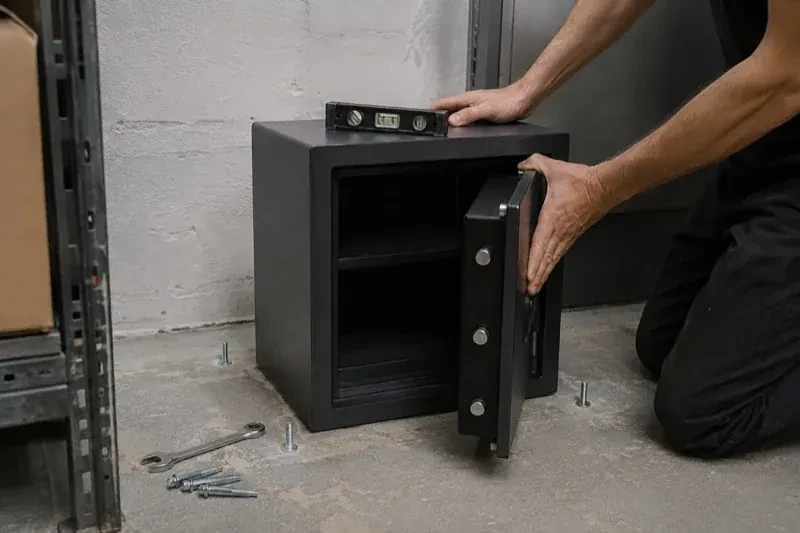
A homeowner inherited a heavy old dial safe from a parent's house, moved it into the new place, and has no idea whether the bolt-work still works, whether the lock is sound, or how it should be anchored.
Which fix fits?
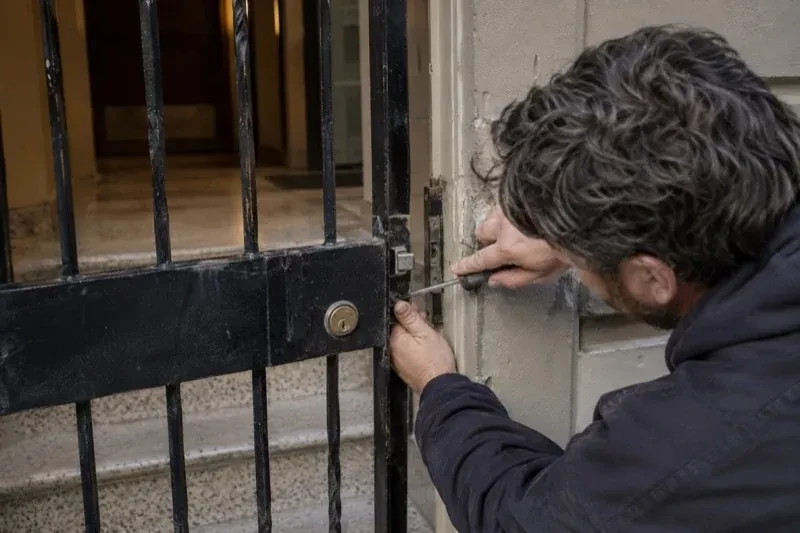
It is ten to nine, three staff are on the sidewalk with their coffees, and the key that has opened the glass front door for six years will not turn.
WhyOnce a safe is open, the visit is only half finished.
A new hire at the shop gets handed whatever spare key happens to be in the drawer, and it turns out to open the stockroom, the back office and the safe room all at once.
WhyThe process behind a master key system runs from conversation to chart.
After the fit-out, the gym floor now holds more people than the old office space ever did, and the exit door at the back still has the same turn-lock it had when the room held desks.
WhyMost vehicles on the road pair a cut metal blade with an invisible electronic layer, a chip in the head that the immobilizer checks before the engine is allowed to start.
The car arrived with one worn-looking key and a story about a lost spare.
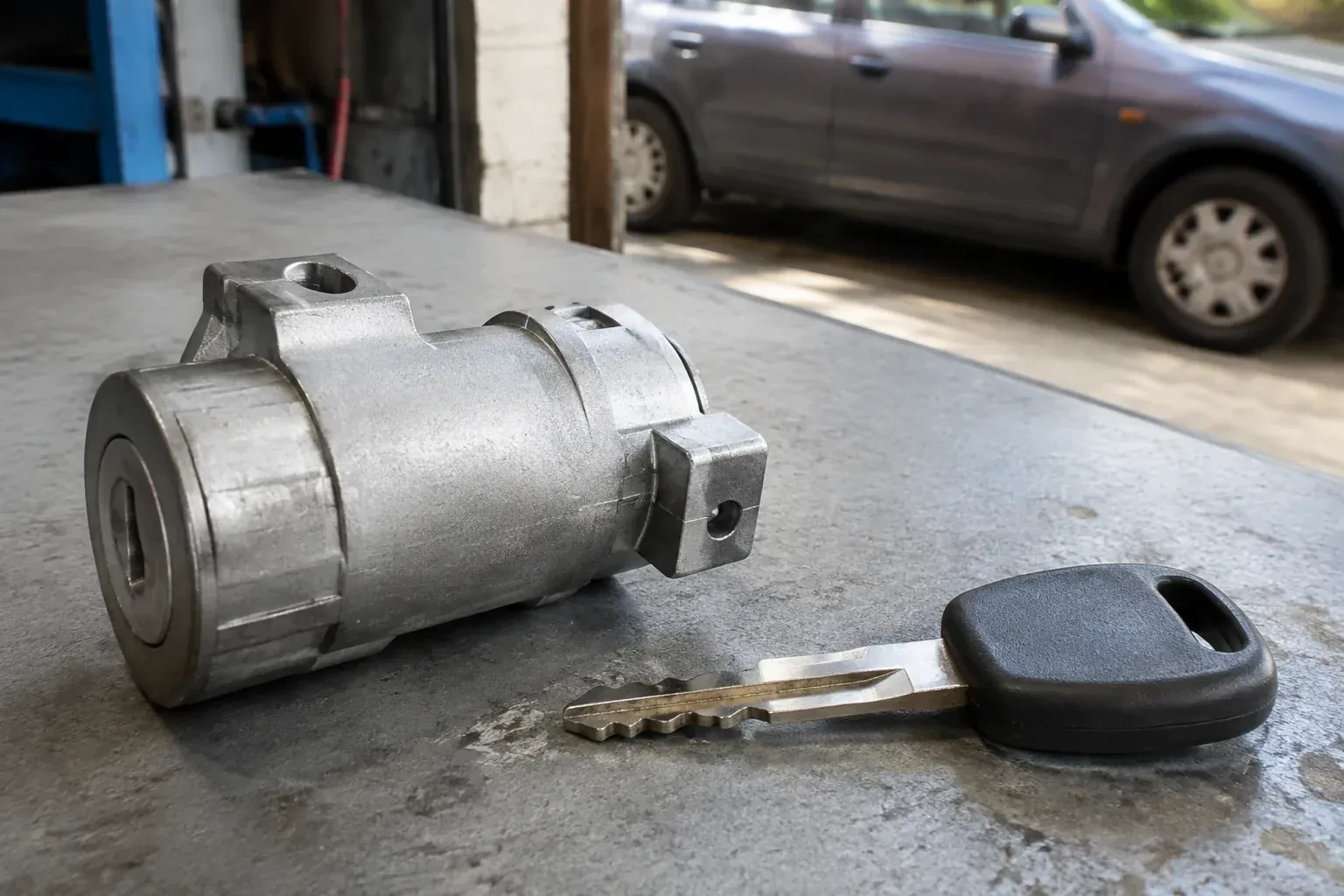
WhyWinters here add road grit, salt and moisture to the list of things an ignition barrel deals with, on top of ordinary wear from years of daily use.
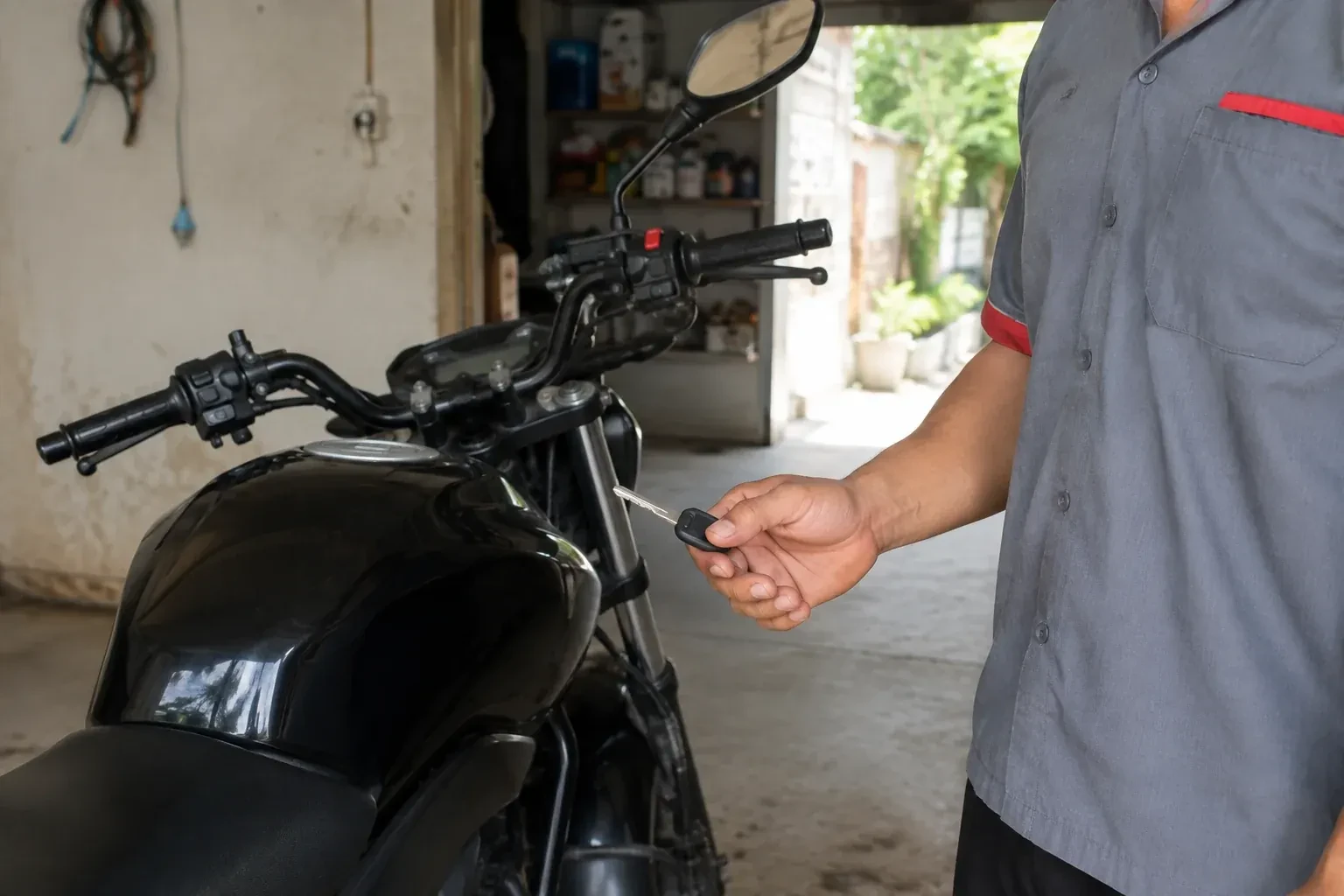
The key still opens the seat and unlocks the fork, but at the ignition it needs a slow half-turn and a small lift before the switch engages, a habit that has crept in over years of daily starts.
It is ten to nine, three staff are on the sidewalk with their coffees, and the key that has opened the glass front door for six years will not turn. The cylinder feels gritty, the door is locked, and the first customer is already parking.
The key turns a full circle without any resistance and the deadbolt stays exactly where it is. There is no click, nothing moves behind the face of the lock, and the door is as closed as it was before you touched it.
The old deadbolt has grown lazy. You turn the thumb-turn and the bolt creeps out halfway, then needs a second push with the door pulled tight. Some mornings the key has to be jiggled before it will come back out.
A new hire at the shop gets handed whatever spare key happens to be in the drawer, and it turns out to open the stockroom, the back office and the safe room all at once. The owner realizes nobody actually decided who should open what.
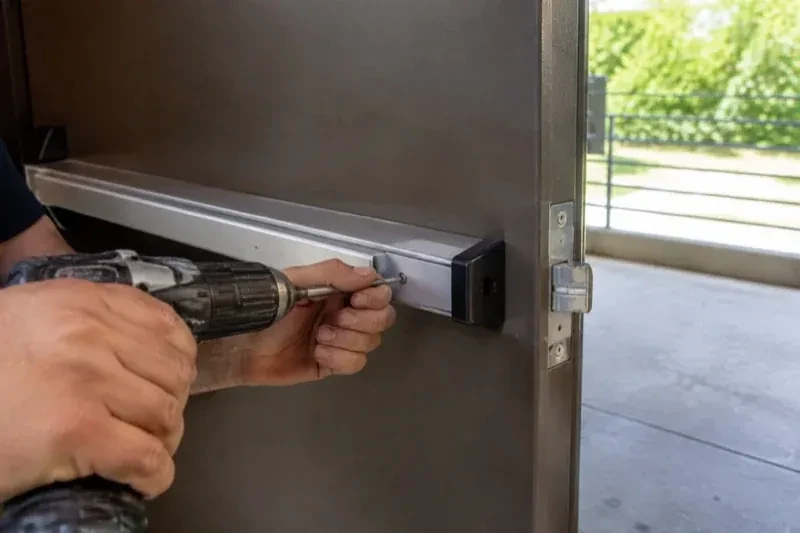
After the fit-out, the gym floor now holds more people than the old office space ever did, and the exit door at the back still has the same turn-lock it had when the room held desks.
Two coworkers share one delivery van and one key between them, trading it at the start and end of every shift in a parking lot. A missed handoff leaves someone standing beside a locked van with nowhere else to be.
The car arrived with one worn-looking key and a story about a lost spare. It turns the ignition, eventually, after some patience and a particular angle nobody in the household can quite describe or repeat on the first try.
The key still opens the seat and unlocks the fork, but at the ignition it needs a slow half-turn and a small lift before the switch engages, a habit that has crept in over years of daily starts.
It depends on the hardware and what else is wired to it. A standard storefront cylinder or office lever on a well-hung door is often a short job once authority is confirmed. A high-security cylinder, a frozen lock, a dropped door or a dead access controller adds time, and so does rekeying several doors afterwards. The locksmith gives you a realistic idea on the phone once you describe the door and the situation.
How can I tell whether the lock or the door is the problem?
Try the key while gently pushing, pulling and lifting the door. If it frees up in one position, the bolt is being pinched by the frame and the door is the cause. If nothing changes, look at the key: does it go fully in and refuse to turn, or spin freely? The first points to the cylinder, the second to the tailpiece behind it. Tell the locksmith which you found and the right parts come in the van.
Does the finish of the deadbolt matter beyond looks?
It does on an exposed door. Winter salt spray, summer sun and humid air all work on the outside trim, and residential deadbolts carry a finish grade that reflects how well the coating resists them. A lifetime or PVD-style finish stays bright longer on a south-facing or roadside door, while a sheltered porch door can carry any finish you like. Matching the knob or lever below is mostly a matter of taste.
Can you open a safe used to store firearms?
Yes, the opening itself proceeds the same way as for any other safe. Afterward, for a business, it is worth confirming the storage arrangement still meets the applicable federal requirements for secure firearms storage, since those cover the container, the surrounding room and who has access, separately from whatever caused the lock to need attention.
What records should I keep once the system is installed?
The keying chart itself, a log of which key or fob was issued to which person or role, and receipts signed when keys change hands. Together these let the business answer, at any point, who currently holds which level and when it was issued, rather than relying on memory once the locksmith who built the system is no longer involved.
How is panic hardware different from fire exit hardware?
Panic hardware and fire exit hardware share the same push-to-release action, but fire exit hardware is additionally tested and listed for use on a fire-rated door assembly. That extra listing matters because a fire door has to keep an active latch bolt at all times; it cannot carry a mechanical dogging function the way ordinary panic hardware sometimes can, so the two are not interchangeable on a rated opening.
How is the electronic chip handled during duplication?
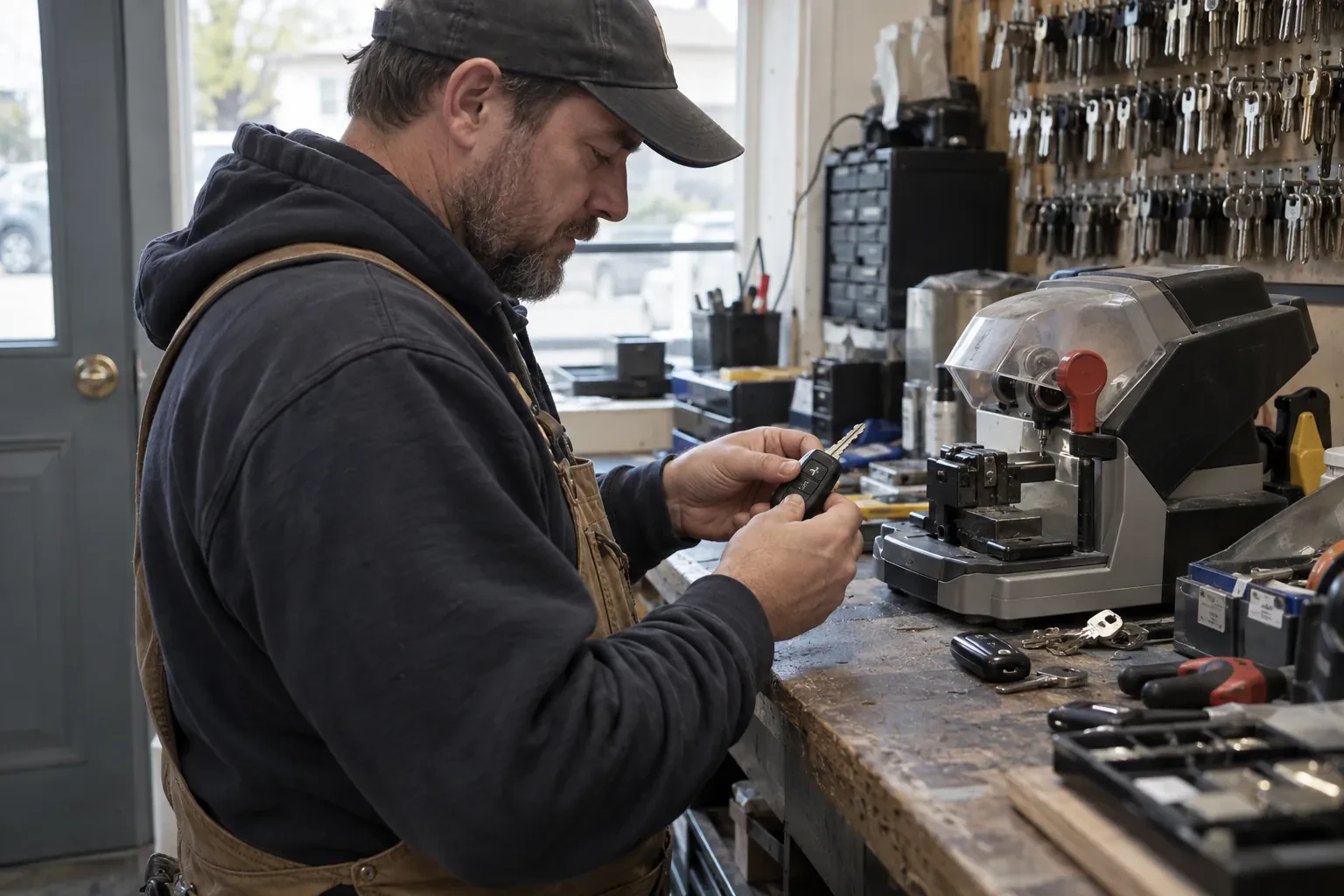
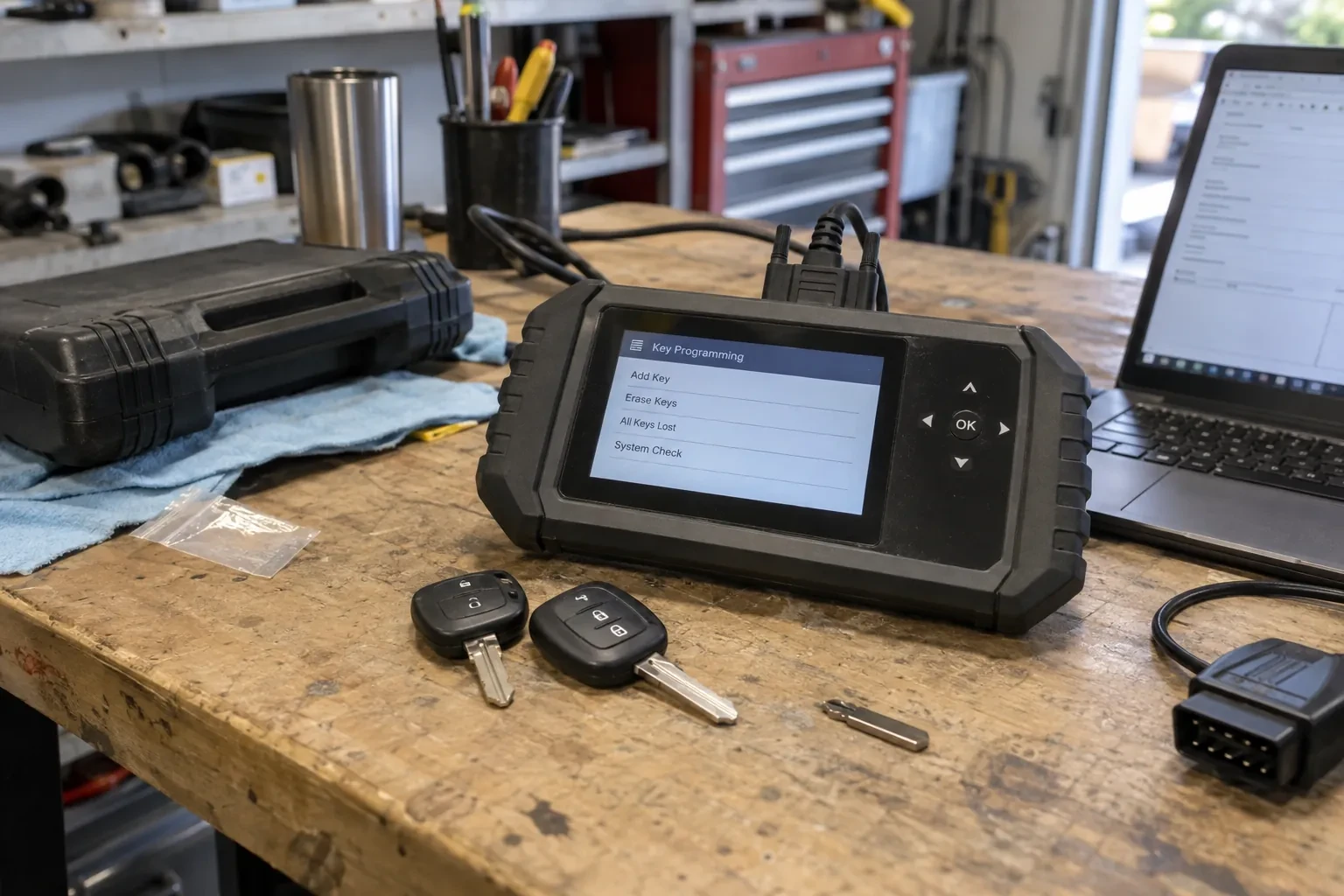
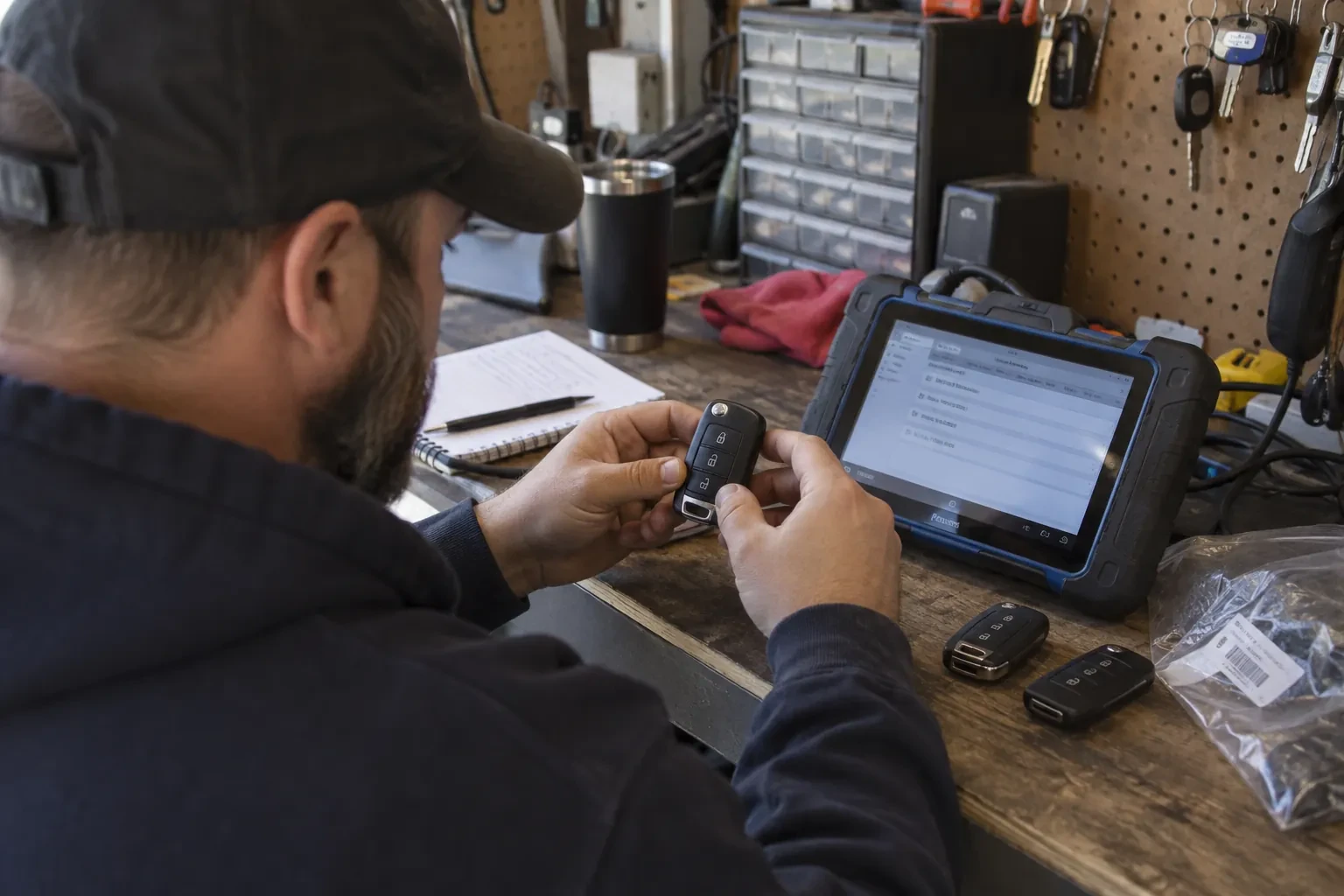
Where the transponder supports it, the chip in the working key is read and its data cloned onto a fresh chip, sometimes with vehicle-specific data pulled from the car to help. Where cloning is not supported for that particular vehicle and chip, the locksmith instead connects through the diagnostic port and has the car's own security module enrol a freshly coded chip as a new, independently authorized key.
Will the same key still open my doors and trunk after this repair?
If the doors and trunk already shared a key with the ignition, that arrangement is kept in mind throughout the repair and preserved wherever the vehicle's hardware allows it. Where a new cylinder or new pinning is involved, the other locks are tested against the new key before the visit ends, so nothing is left running on two different keys by accident.
Do you need the vehicle's VIN to make a key?
It helps but is not always required. The VIN can confirm the exact model and sometimes points to a factory key code on file, which speeds up cutting a key without reading the lock from scratch. Where the VIN is not available or does not lead anywhere useful, the locksmith works directly from the lock or an existing key instead, so a missing VIN slows the process rather than stopping it.
Request a visit
We plan visits around how people in Normandale live. A shop wants the work done before opening or after close. A family wants a time when someone is home and the dog is put away. A landlord wants the unit done between tenants. Tell us the window that suits you and we build the day around it, then call when the van is on its way.