Glenridge Locksmith Specialists
How we approach the work
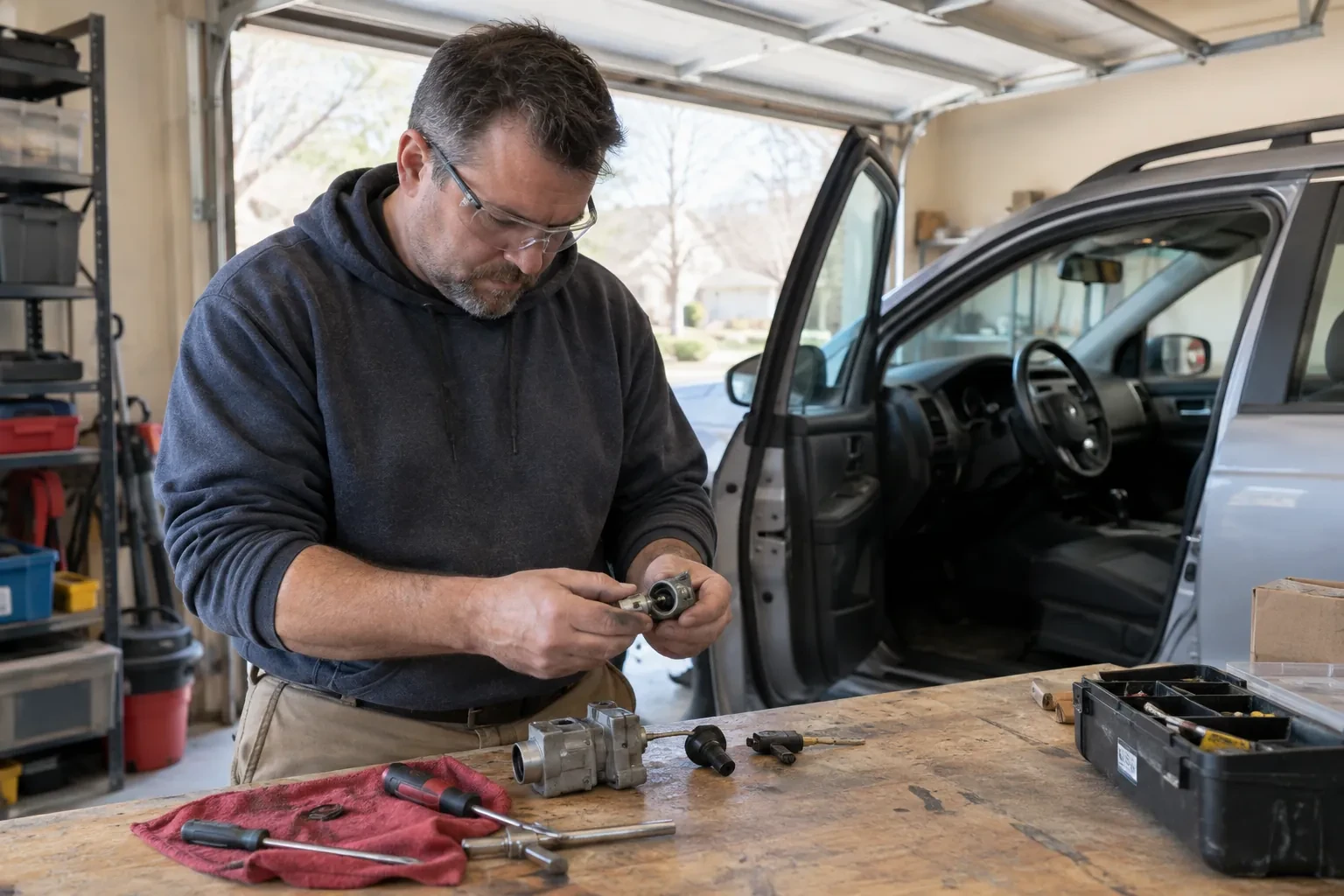
Locksmithing has its own language, full of cylinders, pins, cams and strikes, and none of it helps you make a decision. So we translate. When we say a lock needs rekeying, we explain that the inside gets new pins so the old keys stop working while the outside stays the same.
When we recommend a different deadbolt, we show you the difference in your hand. Questions are welcome at every stage, and there are no silly ones. The aim is that you can explain to a partner or a landlord exactly what was done and why, in your own words, without needing us on the phone to fill in the gaps.
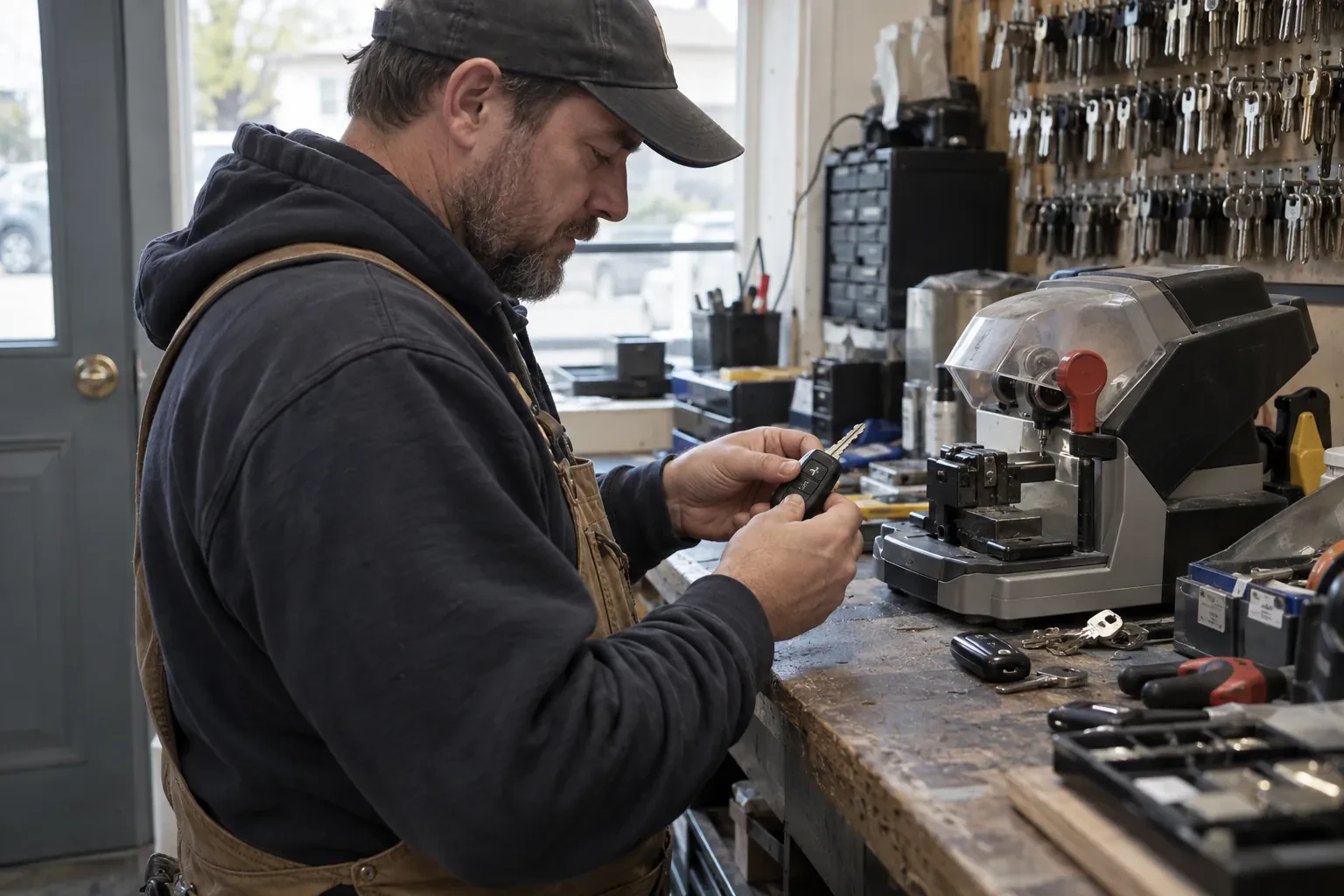
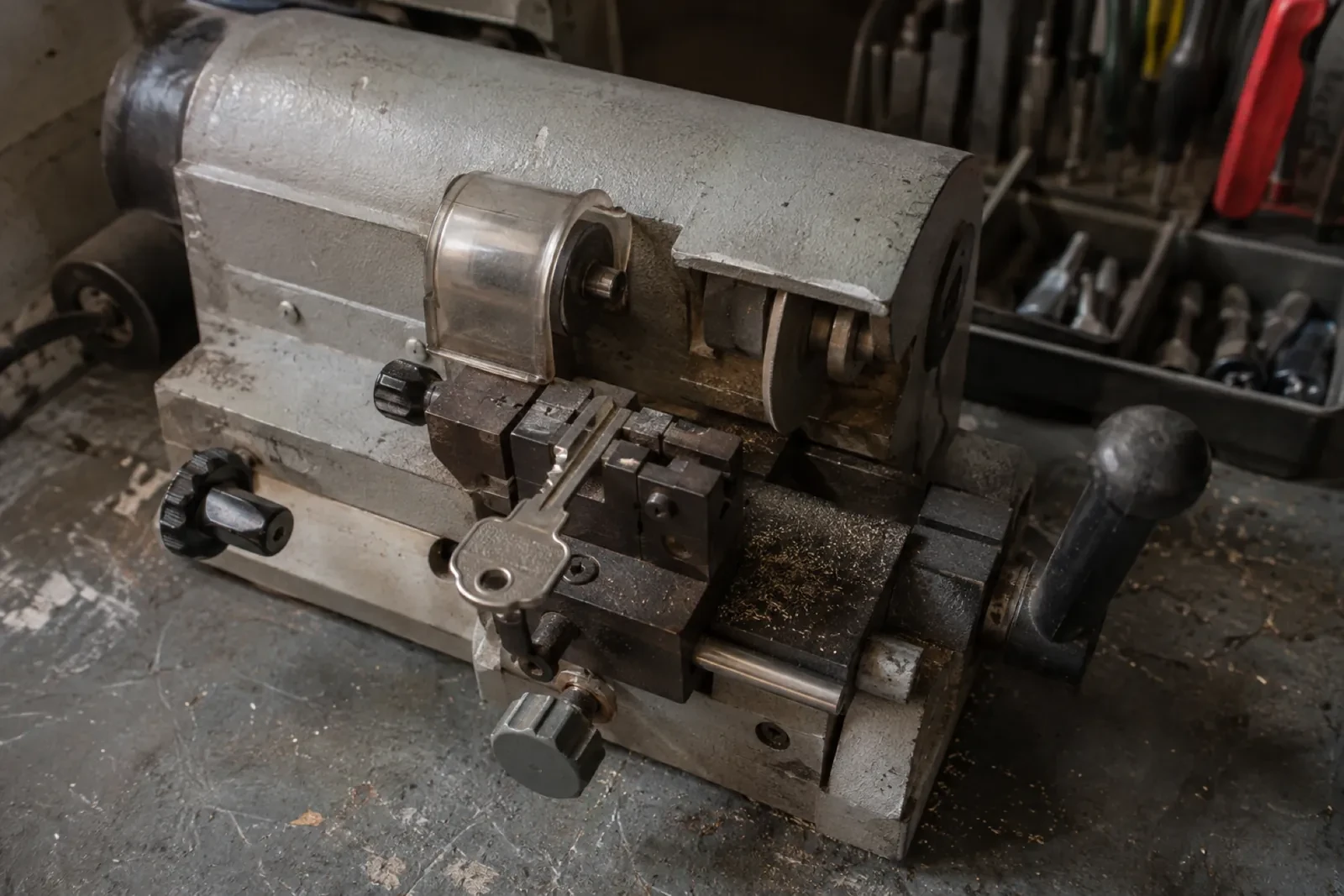
Local locksmiths who explain their work.
When a call is about upgrading locks, our first questions are about the doors rather than the products: how many there are, what they are made of, whether there is glass beside the lock, who holds keys today and what the rooms behind them hold. Those answers tell us which cylinder formats and which level of key control to bring, so the visit ends with a plan rather than a brochure.
The key you reach for. The door you come home to. Good locksmith work begins with understanding how you use them.
18years in business
24/7open every day
- A look before a verdict. We inspect the door, frame and lock before suggesting anything. Diagnosing from the driveway is how people end up with parts they did not need.
- Two or three real choices. Where there are sensible alternatives we explain them side by side, including the option of doing less than you expected.
- The job finished properly. Tested, aligned, cleaned up and demonstrated. We do not consider a lock done until you have turned the key yourself.
How a visit goes
Describe the property, the hardware and what has changed, and the visit starts from what you have seen.
01
Listening to the door's history
Has it been forced, does it drag, who has had keys? Those answers tell us whether the frame, the cylinder or the key list needs attention first.
02
Reinforcing what takes the blow
A box strike and three-inch screws into the studs, long hinge screws, and filled holes where the wood has split, before any cylinder is changed.
03
Testing every key in every lock
Doors open, doors closed, both sides, then a push on the locked door to feel for play. We finish by writing down what was fitted.