Locksmith in Port Rowan, OntarioSafes opened,combinations changed.
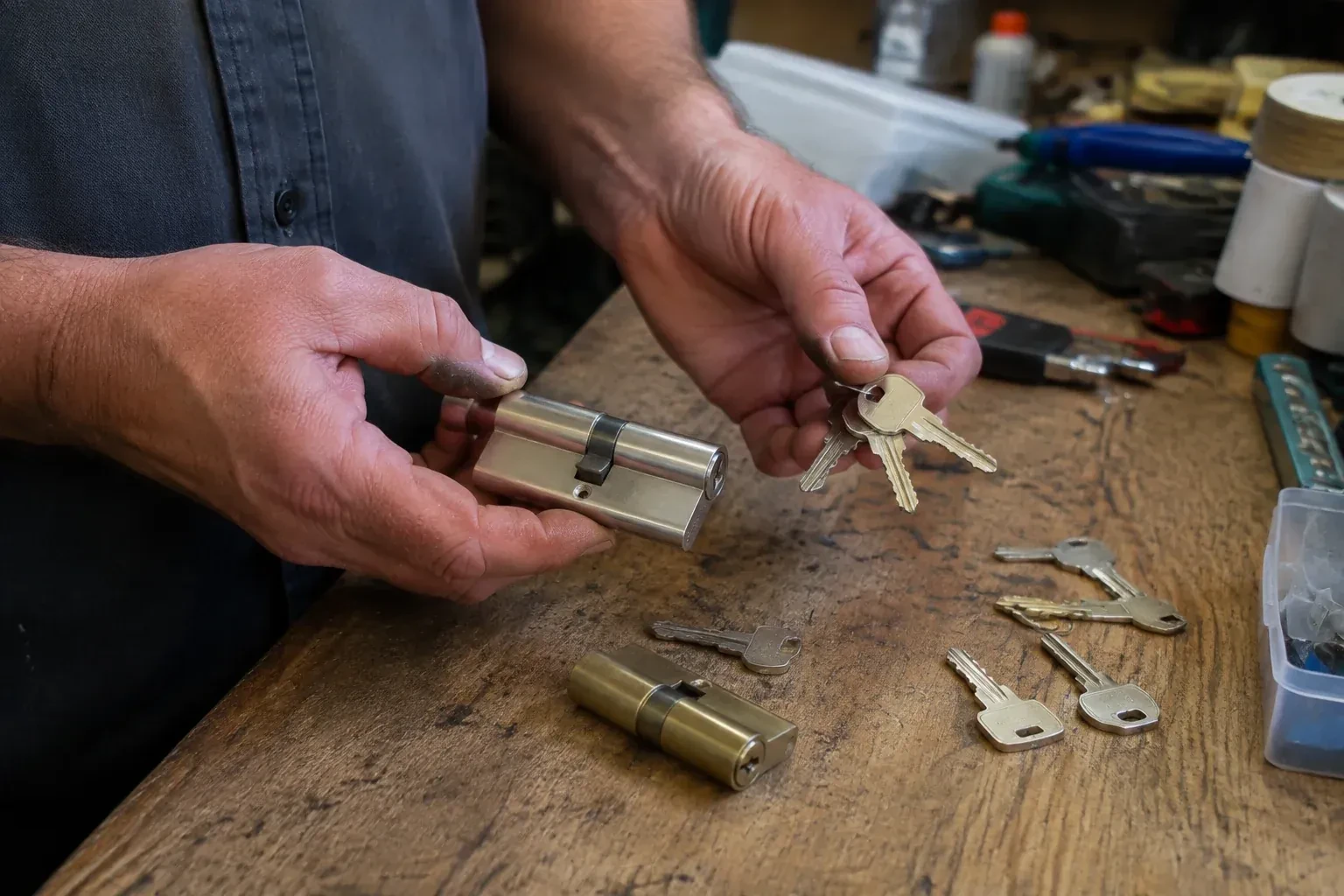
An inherited safe with no combination, a dial that has drifted, a keypad that stopped responding: each has a proper way in that preserves the box. We open, service and reset safes for homes and small businesses in Port Rowan, and explain how to keep the mechanism turning for the next owner. This page also covers Erie View and Port Royal.
An inherited safe with no combination, a dial that has drifted, a keypad that stopped responding: each has a proper way in that preserves the box. We open, service and reset safes for homes and small businesses in Port Rowan, and explain how to keep the mechanism turning for the next owner. This page also covers Erie View and Port Royal.
Local locksmiths who explain their work.
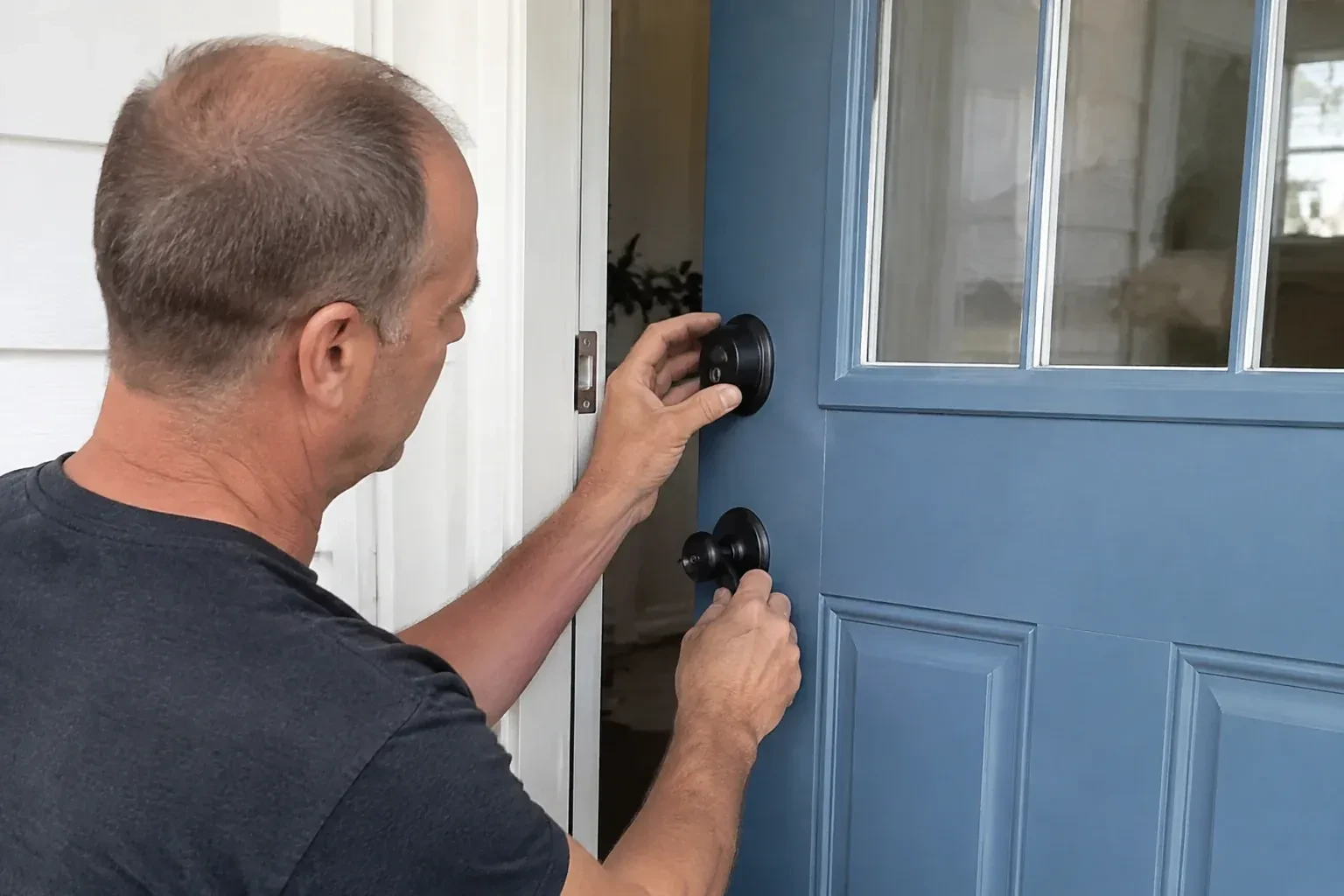
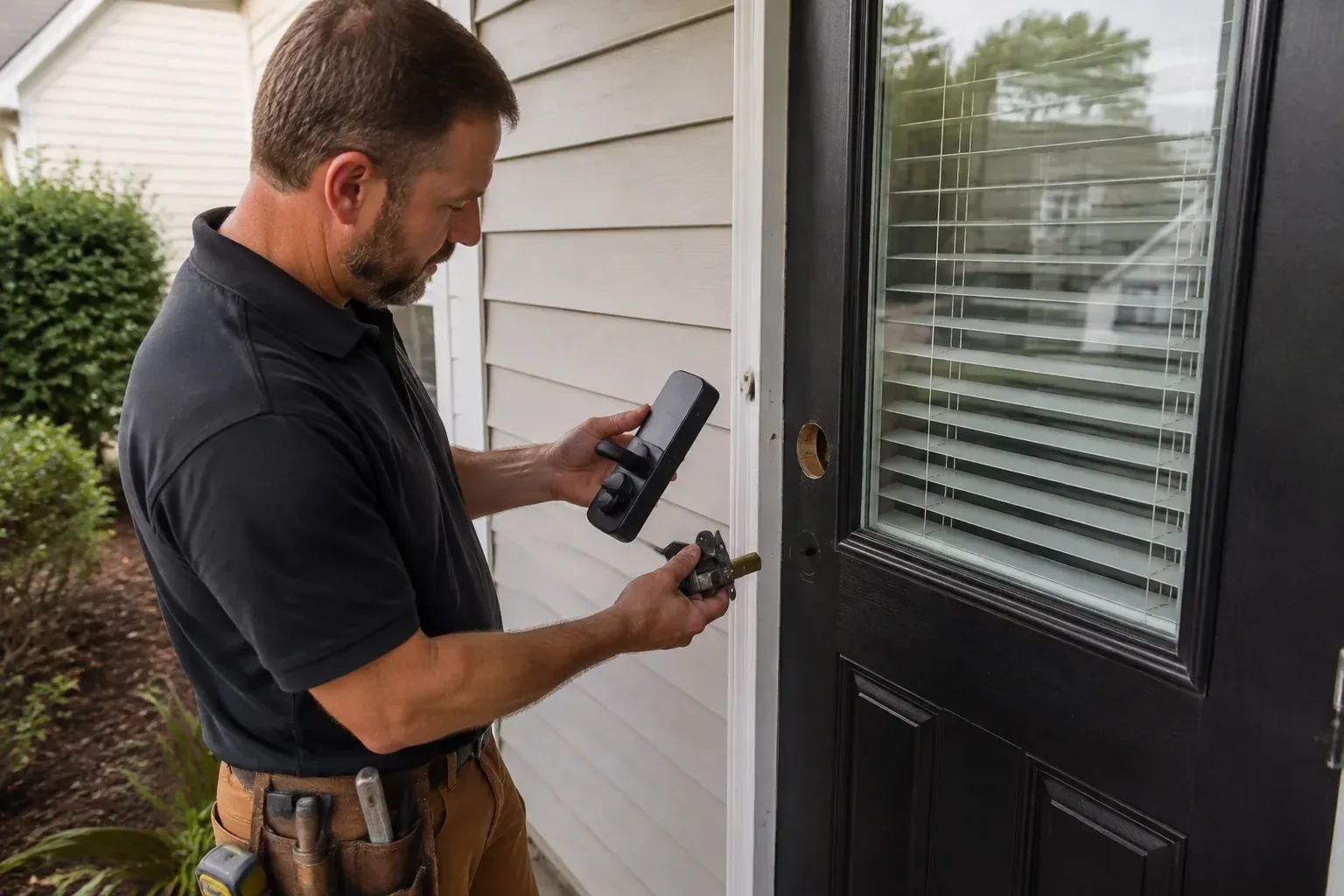
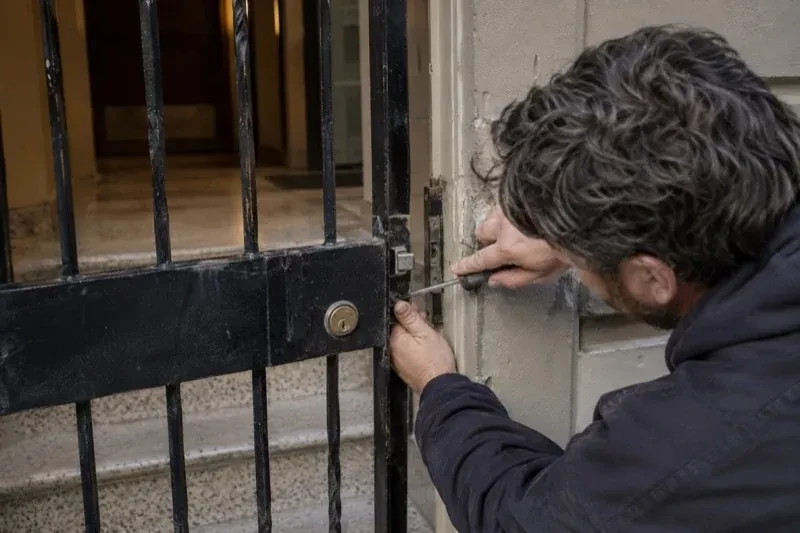
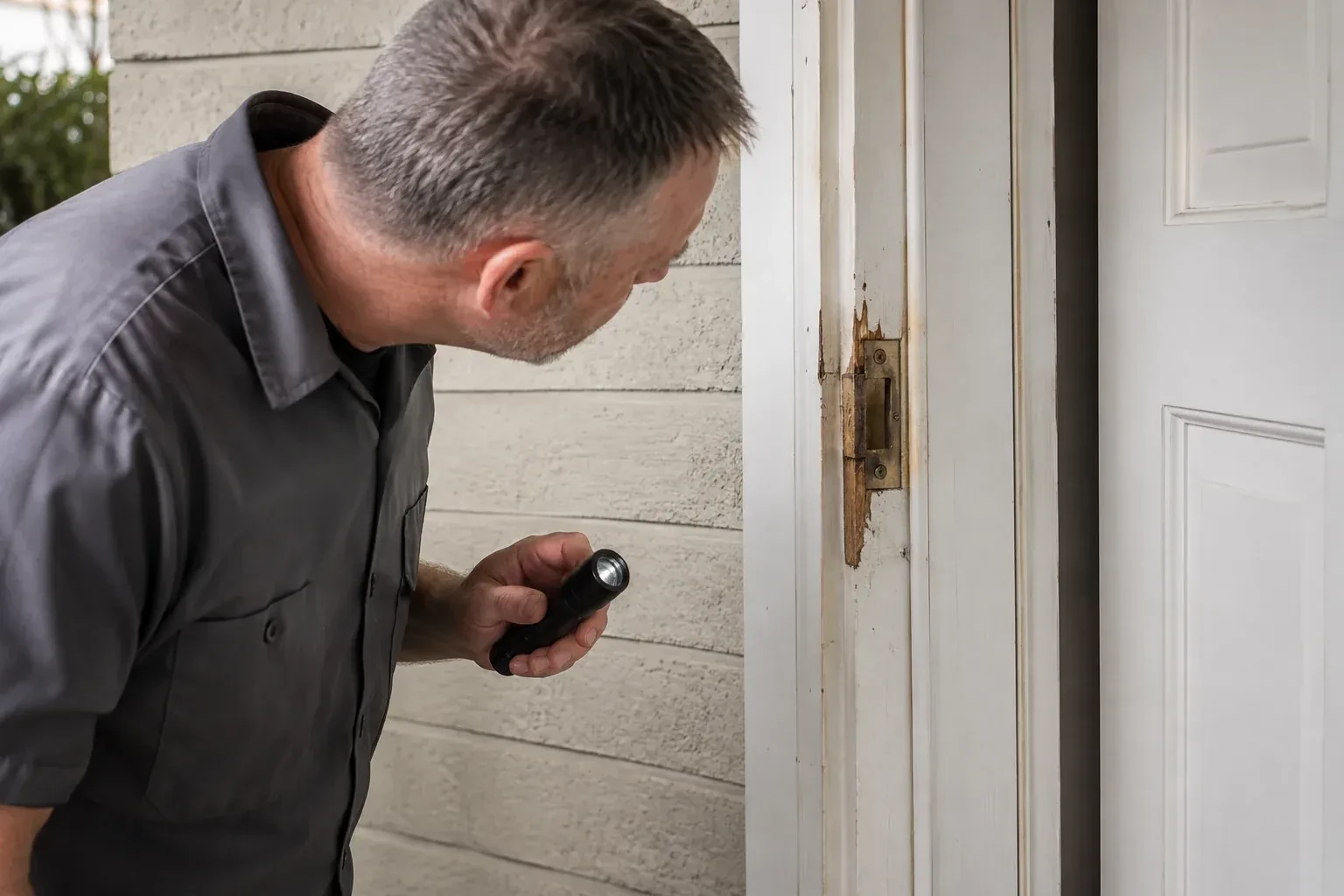
We treat the whole door in Port Rowan, not just the cylinder. Hinges that have sagged, a strike plate held by short screws, a frame that has moved with the seasons: these decide whether a lock holds, and they are checked on every visit. Sometimes the right advice is a longer screw and a shim rather than a new lock, and we say so.
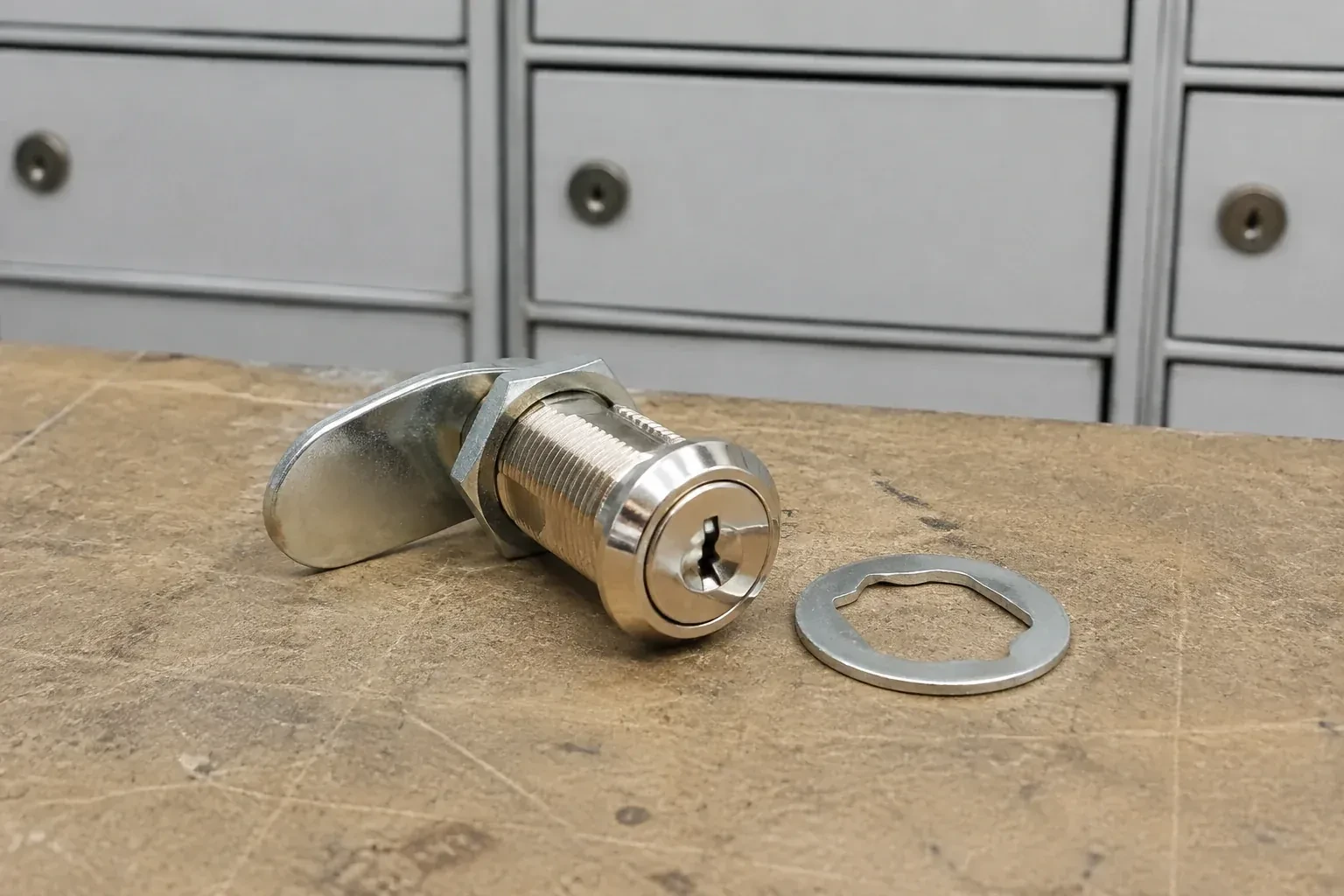
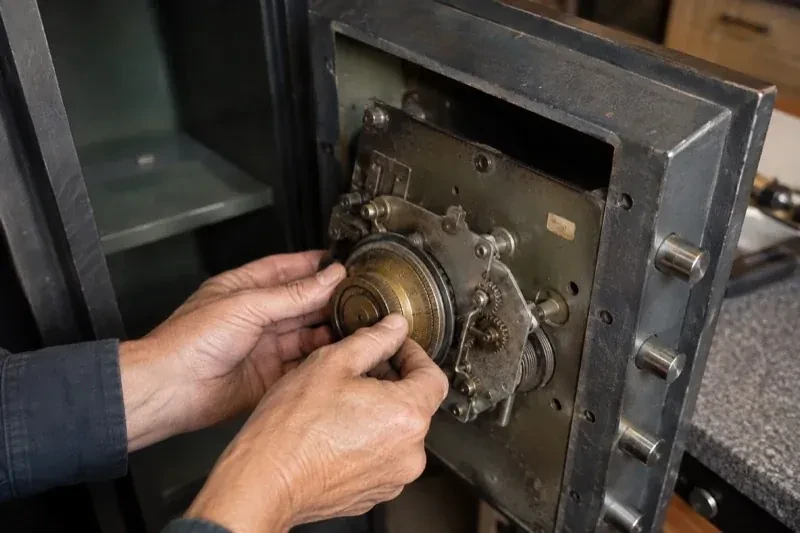
Safes in Port Rowan homes and businesses need occasional help: a lost combination, a lock that has stopped responding, a move to a new room or a first installation. We open safes methodically so they remain usable afterward, and we install them with attention to floor strength, humidity and how you will actually use the door every day.
18years in business
24/7open every day
A look before a verdict. We inspect the door, frame and lock before suggesting anything. Diagnosing from the driveway is how people end up with parts they did not need.
Two or three real choices. Where there are sensible alternatives we explain them side by side, including the option of doing less than you expected.
The job finished properly. Tested, aligned, cleaned up and demonstrated. We do not consider a lock done until you have turned the key yourself.
To orient yourself, the services available in Port Rowan fall into five groups: urgent openings, residential lock work, higher-security upgrades, commercial doors and key control, and safes. A sixth, vehicle keys, is there for households that want one company for every key on the ring.
About 62% of homes in Norfolk County were built in 1980 or earlier, according to the 2021 Census.
Older homes
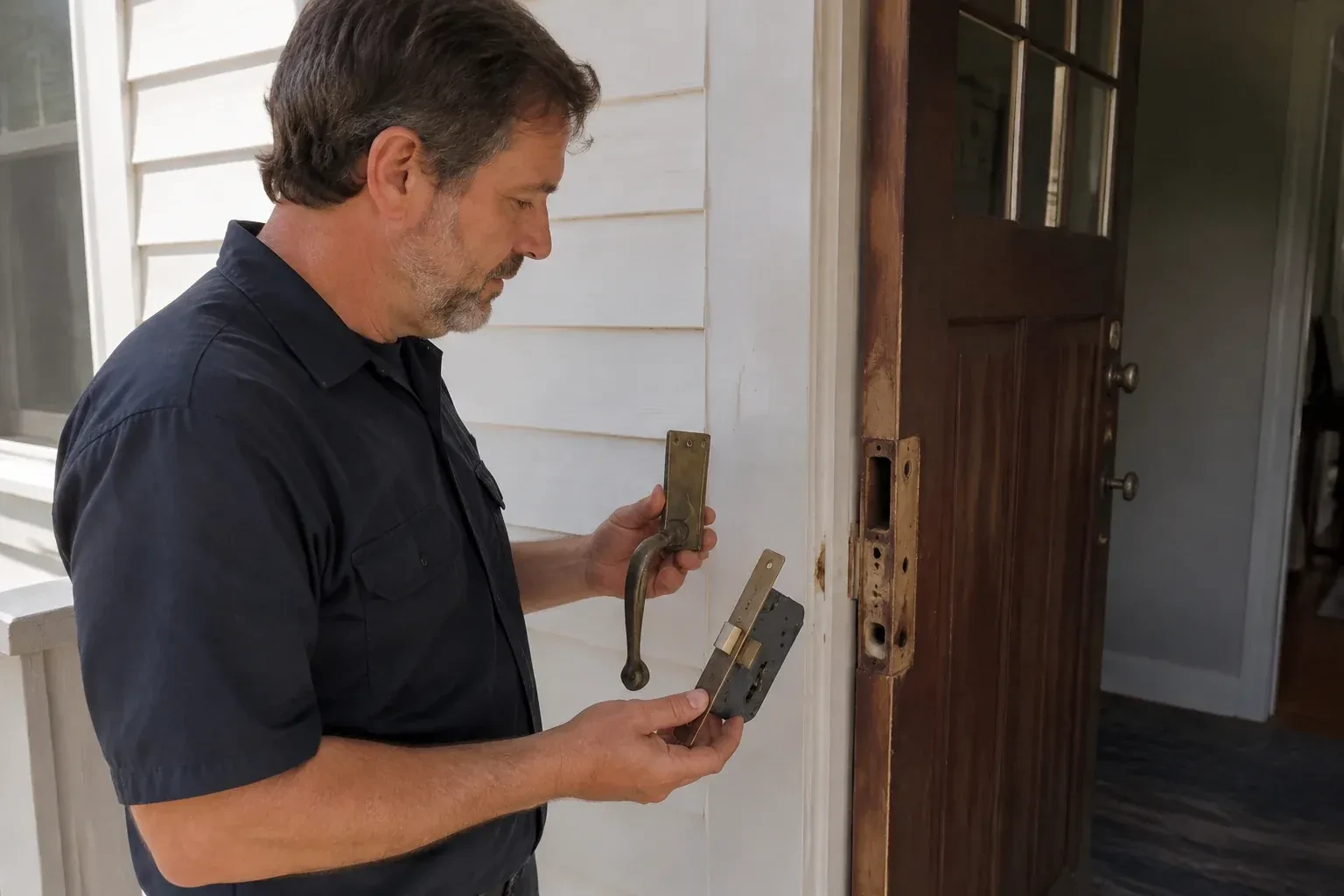
Layers of paint build up on older doors and frames, and a lock that seemed to fail is sometimes a latch glued shut by the last coat. Part of the visit in an older area is freeing hardware, cleaning the edges and checking the door swings true.
Single-detached houses make up about 83% of homes in Norfolk County (2021 Census).
Mostly houses
A house has its own front door and its own frame, with nothing shared. That means the homeowner decides everything: the cylinder grade, the strike, the finish, whether to add a smart lock. The locksmith lays out the options and the household picks.
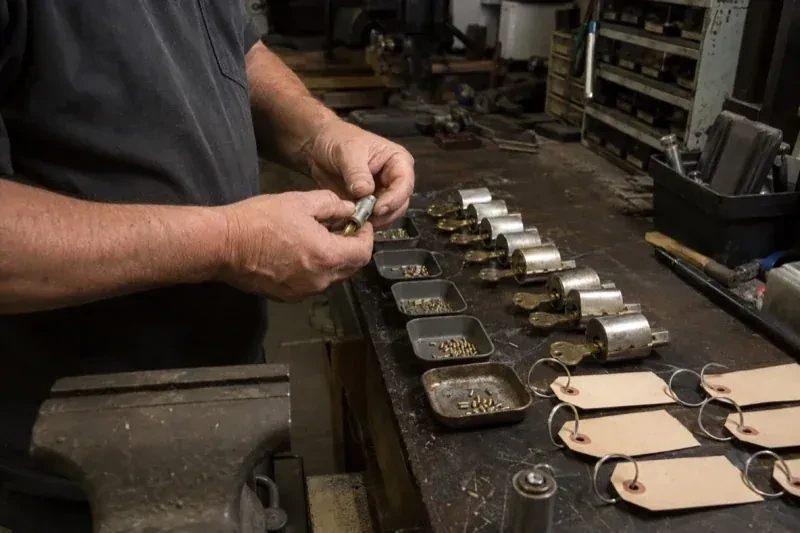
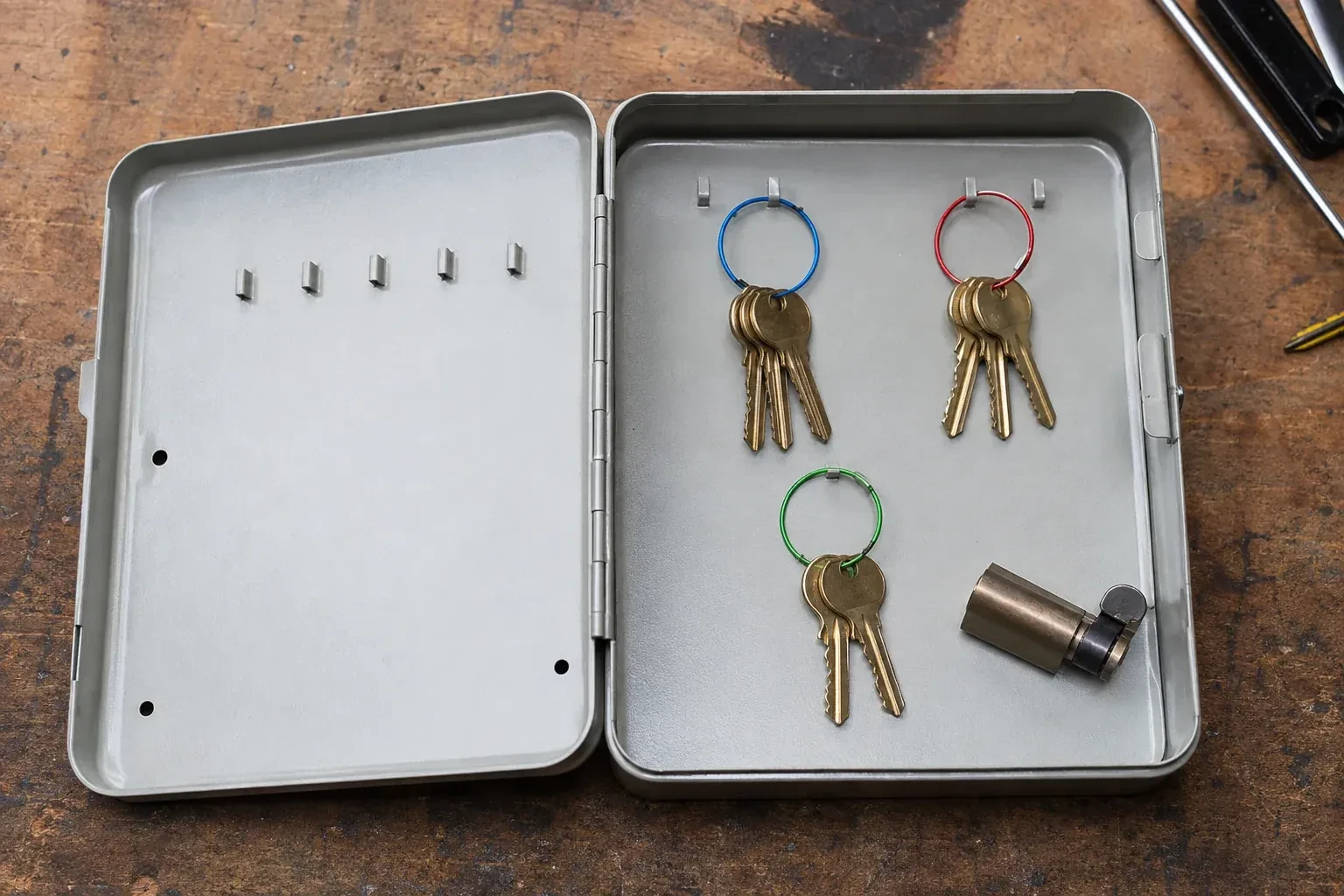
Restricted and patented key systems mean the blank for your key is not sold in shops. A copy can only be cut by an authorised locksmith against a signature, so the number of keys in existence stays known. That control is often worth more than the hardware.
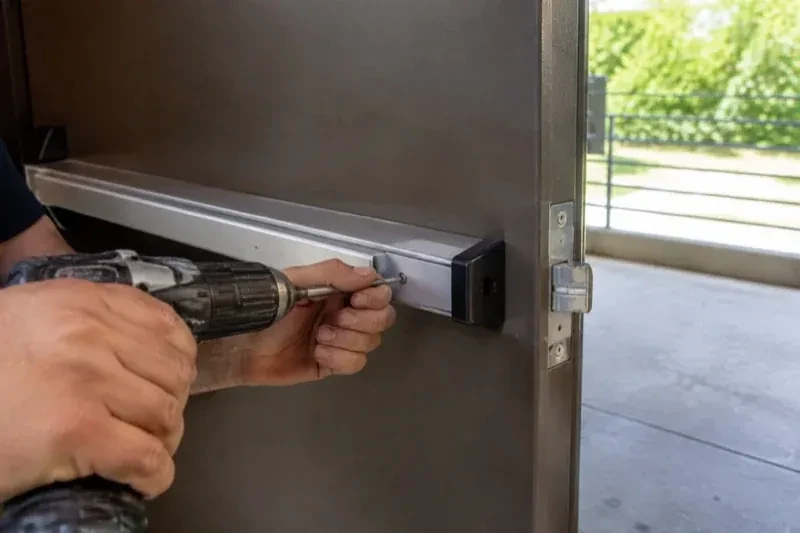
Businesses need locks that fit how the building is used: who opens up, who closes, who can reach the stockroom. Commercial services cover rekeying, master keys, heavy-duty hardware, exit devices and electronic access for shops, offices and warehouses.
The new manager took over the shop last month and only now needs the back-office safe open, but the combination the previous owner was supposed to leave in writing never turned up anywhere in the handover file.
A homeowner inherited a heavy old dial safe from a parent's house, moved it into the new place, and has no idea whether the bolt-work still works, whether the lock is sound, or how it should be anchored.
Which fix fits?
That key had been bending a little for years, and you kept straightening it.
WhyFreezing is one of the bigger seasonal causes of broken keys here.
The house is fifteen years old and every exterior door still wears the light hardware the builder fitted: a short bolt, a thin strike held by two small screws, and a knob lock that never suited a street entrance.
WhyUpgrading to high security rarely means new doors or a big disruption.
Two doors used to swing as a pair at the community hall entrance, but one leaf has started closing before the other, catching the astragal and leaving a gap wide enough to worry the caretaker.
WhyThe visit ends with a record, not just a working door.
Head office wants every branch keyed alike under one system, and half the locations are still running whatever lockset the original contractor happened to install years ago.
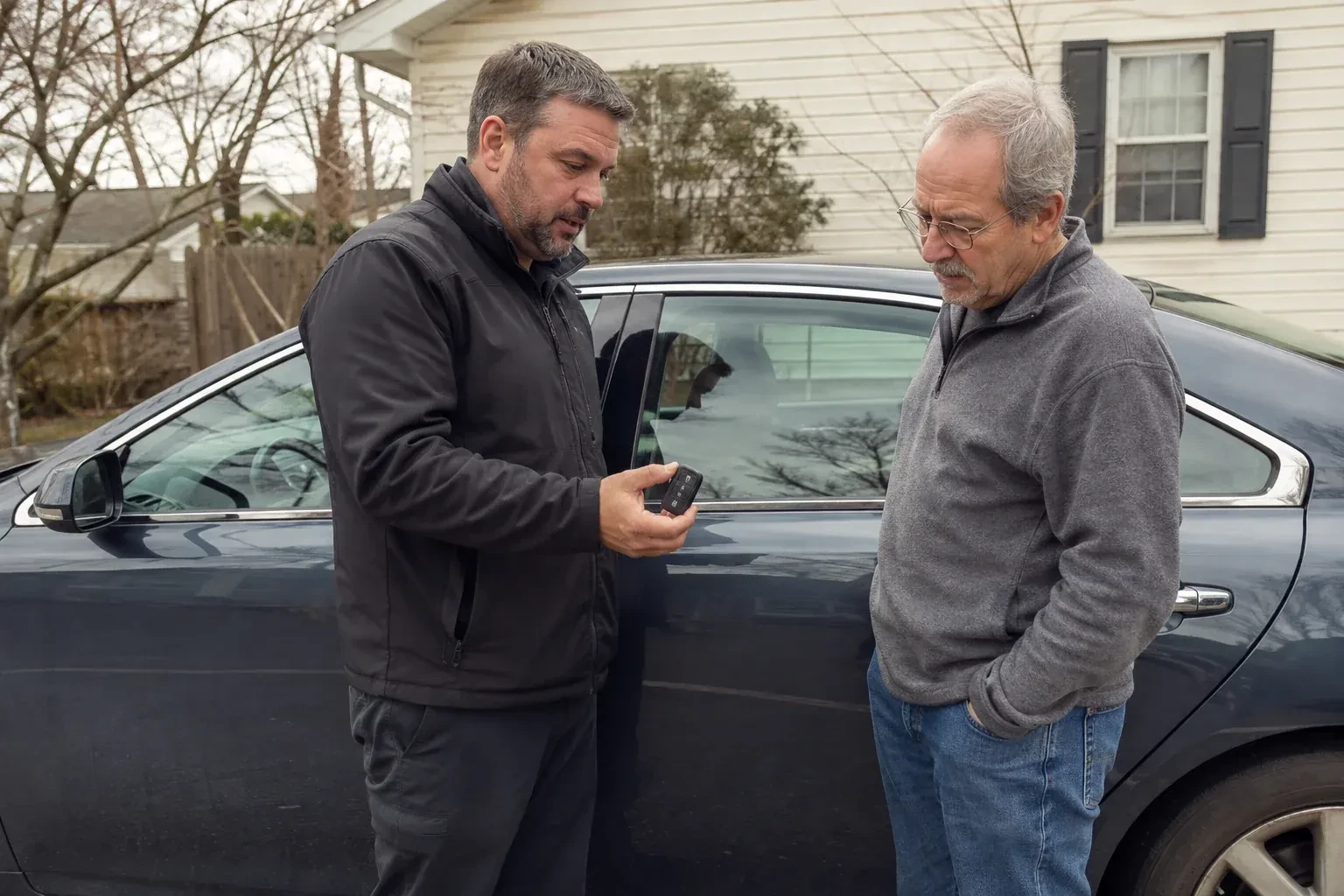
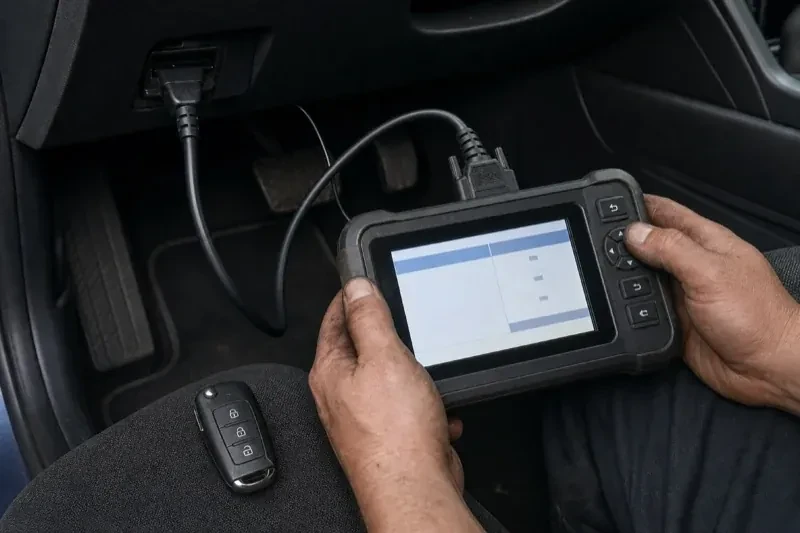
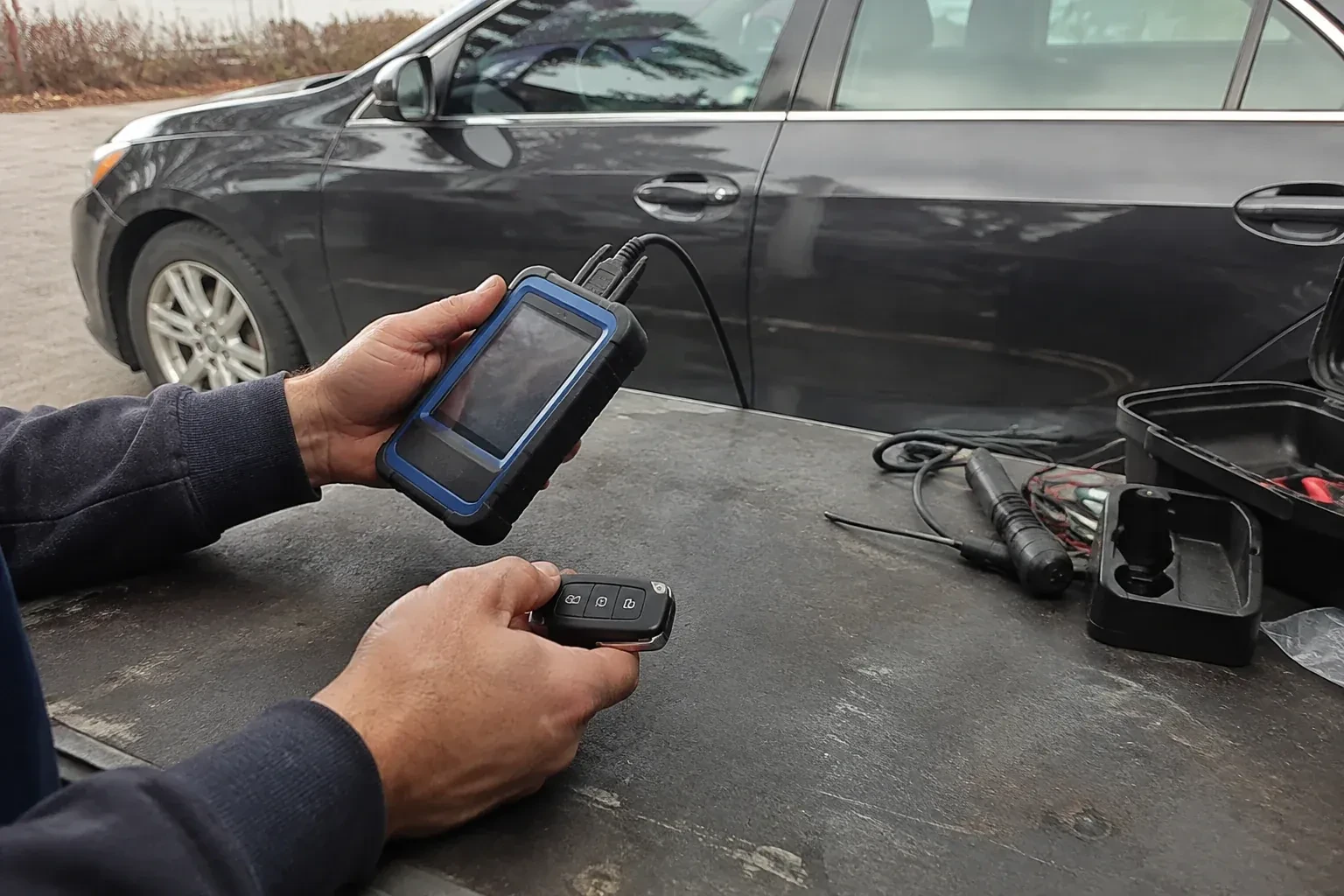
WhyNot every vehicle allows the same route to a new fob.
Since the remote starter was installed last month, the original key has started acting strangely, the car catches on the first turn some mornings and refuses outright on others.
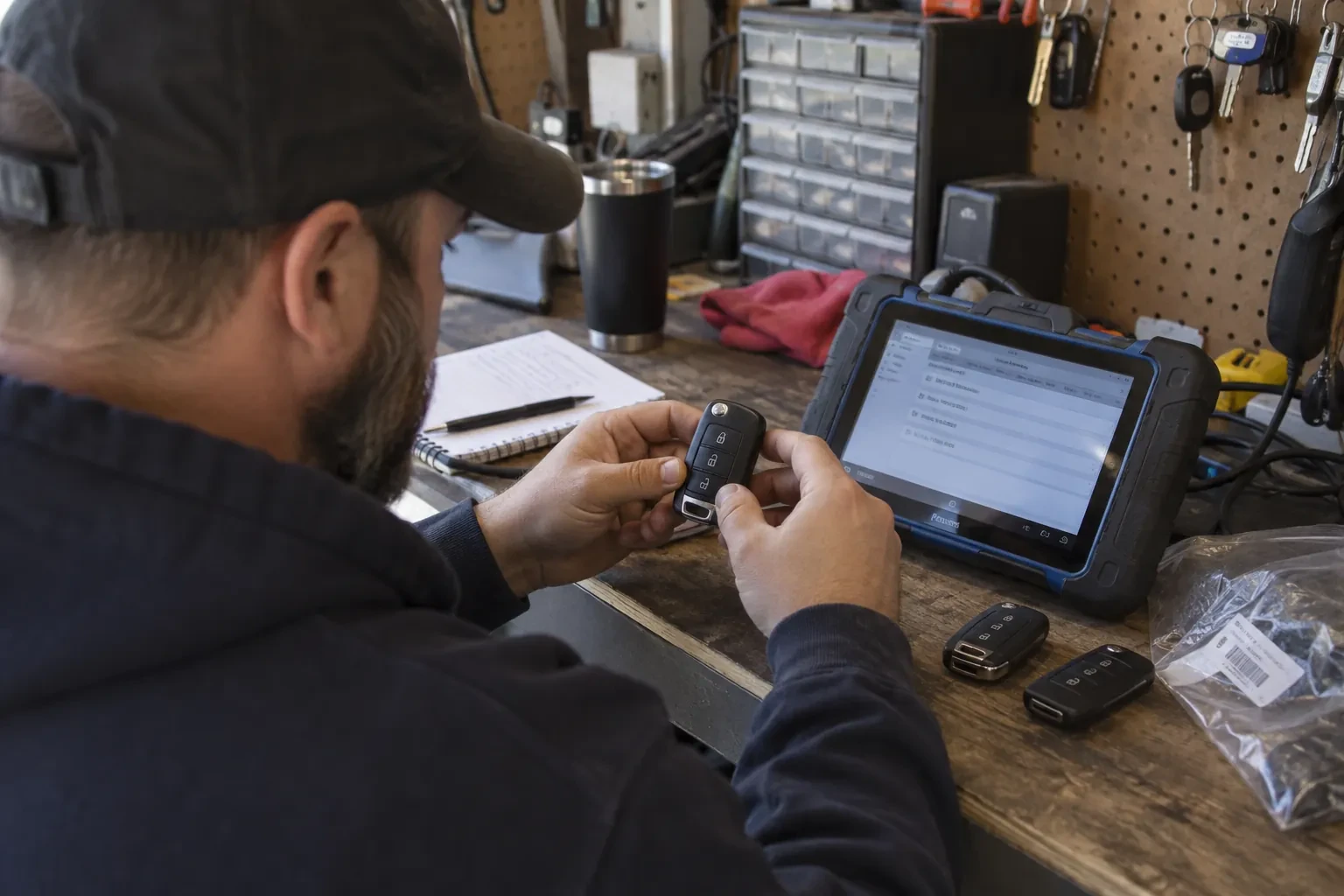
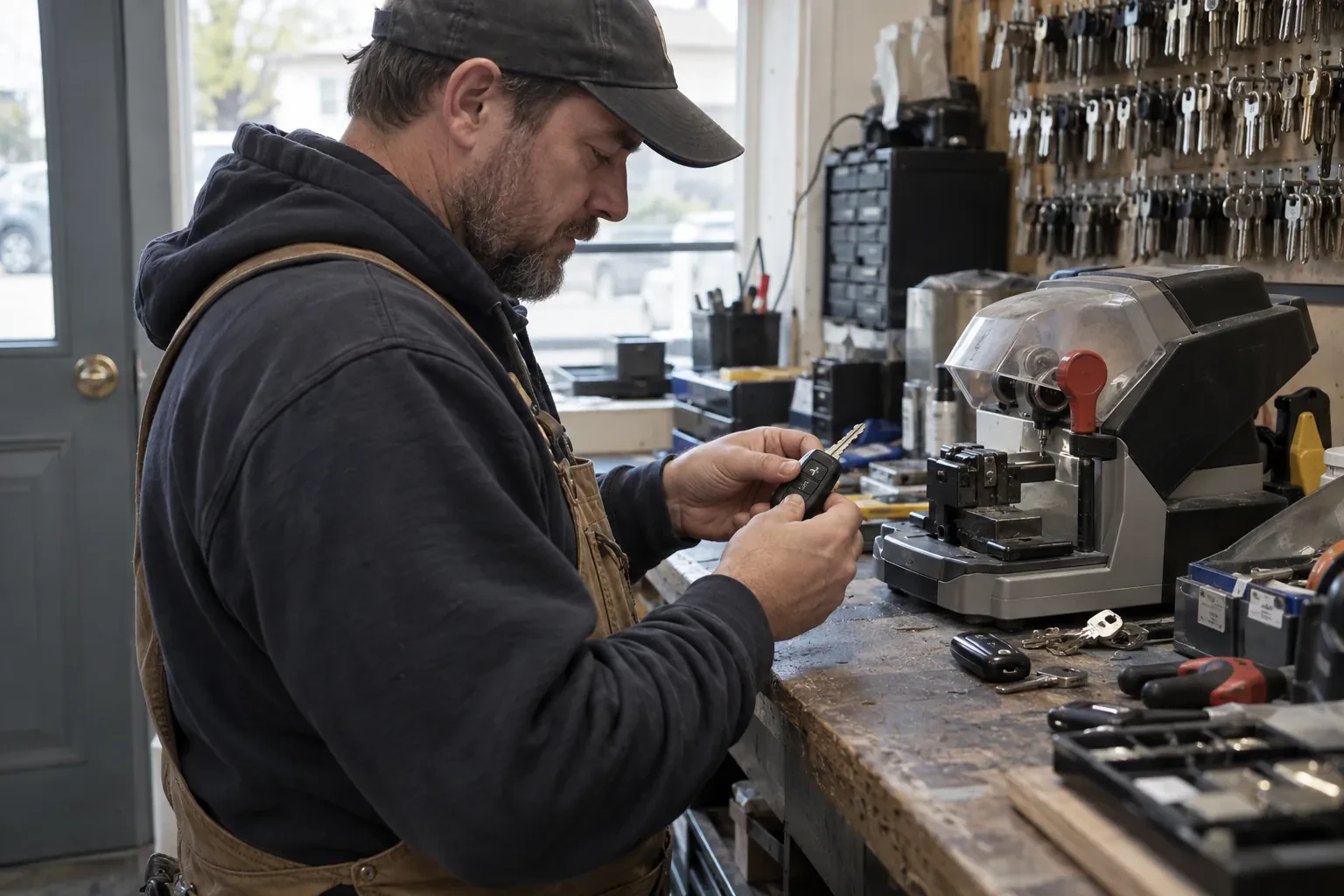
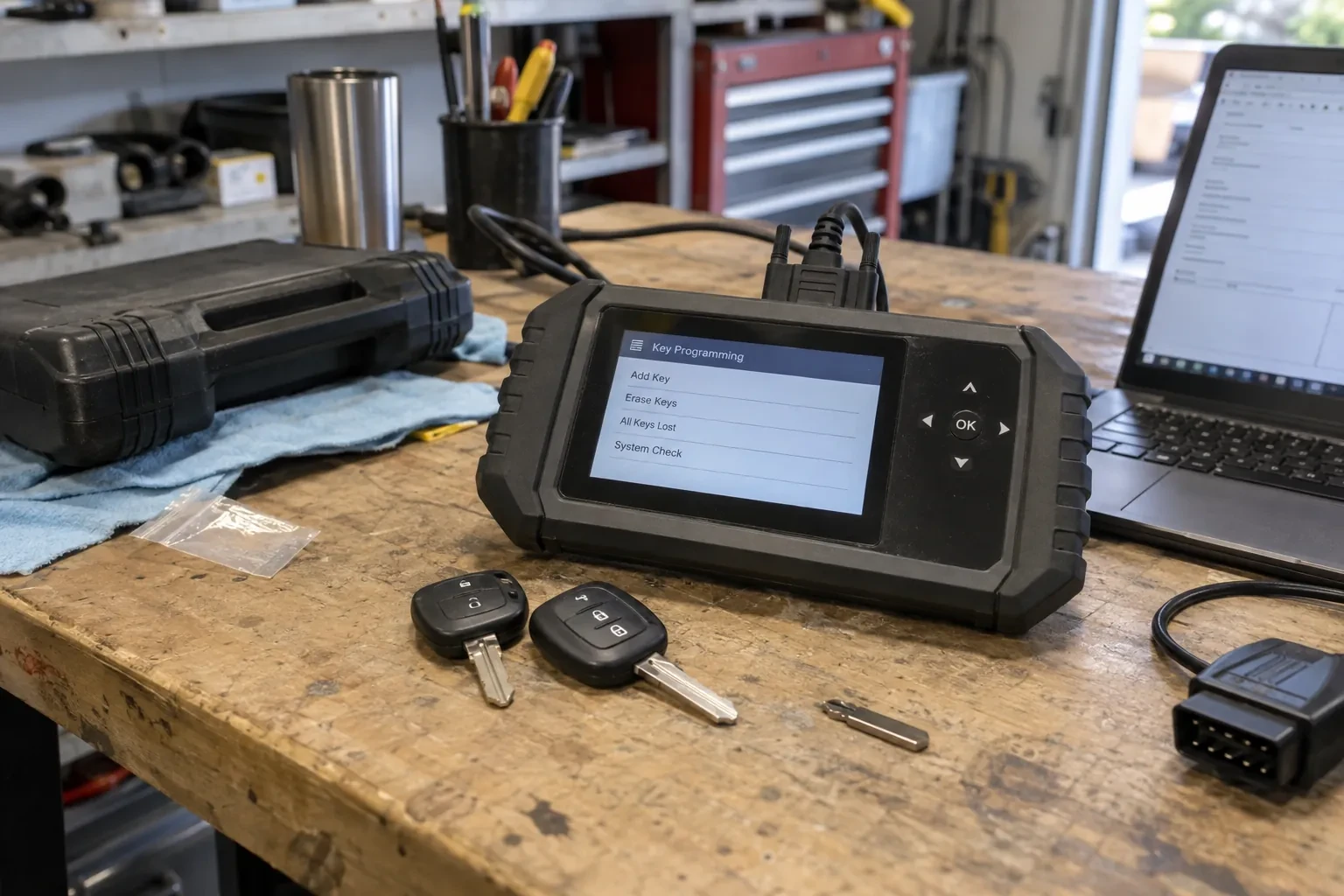
WhyTransponder key programming is the step that teaches a vehicle's immobilizer to recognize a key's chip so the engine agrees to start, separate from cutting the metal blade that opens the door.
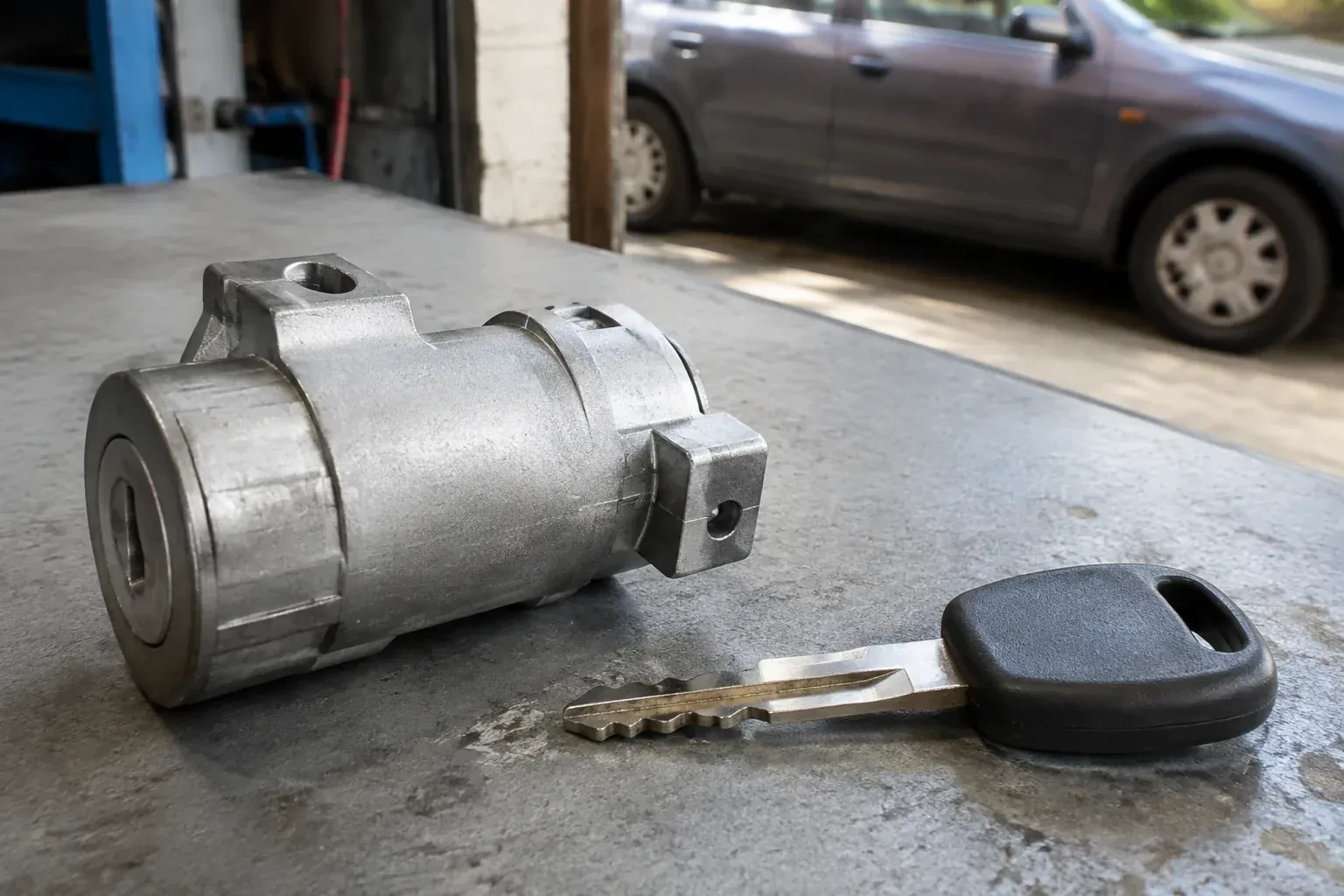
The key turned the engine off in the driveway and now refuses to come back out.
WhyWhether the key won't insert, won't turn, turns without engaging anything, or is stuck and refuses to come back out, each version of the symptom points toward a different part of the mechanism.
Good days. Start with a turn.
1/9Broken Key Extraction
That key had been bending a little for years, and you kept straightening it. Today it finally cracked at the deepest cut. The stub is in the lock, and the spare you found goes in a few millimetres and stops against it.
The house is fifteen years old and every exterior door still wears the light hardware the builder fitted: a short bolt, a thin strike held by two small screws, and a knob lock that never suited a street entrance.
The pharmacy stockroom, the server closet or the cash office is protected by the same ordinary cylinder as the staff washroom. One lost key on a lanyard would open all of them.
Two doors used to swing as a pair at the community hall entrance, but one leaf has started closing before the other, catching the astragal and leaving a gap wide enough to worry the caretaker.
Head office wants every branch keyed alike under one system, and half the locations are still running whatever lockset the original contractor happened to install years ago.
You reached the parking lot after a long hike and the pocket that held your car key is empty. Somewhere along ten kilometres of trail is the only key you own, and the car, your wallet and your dry clothes are all locked behind glass.
The remote clicks the way it always has, but the vehicle no longer locks, unlocks or answers with its usual chirp. Nothing on the dash reacts either. A fading battery inside the fob is the likely reason, even though the fob itself looks and feels completely normal.
Since the remote starter was installed last month, the original key has started acting strangely, the car catches on the first turn some mornings and refuses outright on others. Nothing about the key itself changed, but whatever the installer touched under the dash seems to be arguing with it.
The key turned the engine off in the driveway and now refuses to come back out. Wiggling it, pushing the shifter through every gear again, even leaning gently on the wheel; the barrel keeps holding on to it regardless.
It helps if there is one. A crisp spare is the ideal pattern for the replacement, better than the broken halves and far better than a worn copy. It also lets the locksmith test the cylinder the moment the fragment is out, which shows whether the pins and springs are sound. If the spare is itself bent or worn, mention that too; it is a candidate for retirement rather than a pattern.
Can the same visit replace locks on more than one door, or does each door need its own appointment?
One visit usually covers every door on the job. The locksmith brings a range of cylinders and strikes, measures each door's backset and bore, and works through the list in order, front entrance first if a key change matters most there. Having a rough list ready, which doors, and whether they should end up on one key or several, lets the locksmith plan hardware before arriving rather than working it out door by door on site.
What about the glass panel next to my front door?
A sidelight within reach of the inside thumb-turn is the weak point of an otherwise strong door, since a broken pane lets a hand reach the turn. Options include moving the deadbolt further from the glass, a lock function that needs a key inside as well, or a laminated pane. Because everyone must still be able to leave easily, the locksmith talks through the trade-offs and helps you pick the arrangement that suits your household.
How is panic hardware different from fire exit hardware?
Panic hardware and fire exit hardware share the same push-to-release action, but fire exit hardware is additionally tested and listed for use on a fire-rated door assembly. That extra listing matters because a fire door has to keep an active latch bolt at all times; it cannot carry a mechanical dogging function the way ordinary panic hardware sometimes can, so the two are not interchangeable on a rated opening.
Why would my business need panic or exit hardware?
Once a space holds enough people, or handles a high enough hazard, its exit doors need to open with a single motion and no key, which is what panic or exit hardware provides. It is not a preference; it is a function tied to how many people the space is built to hold and what is happening in it.
Is an older car easier or harder to open than a new one?
Different rather than easier. An older car usually has a cylinder in every door and simple linkages, so picking or decoding the lock is routine. A newer car may hide its cylinder, has doors full of electronics that call for wedge-and-reach rather than anything inside the door, and adds an immobiliser to any lost-key work. Either way the locksmith chooses the method by the model, not by guesswork.
How do I stop all my fobs from wearing out around the same time?
Replacing coin-cell batteries as soon as a fob's range starts to feel shorter, rather than waiting for it to go completely dark, is the simplest habit. Keeping fobs off a keyring crowded with heavy metal keys reduces wear on the case and buttons as well. Since fobs from the same purchase batch often age together, a fading one is worth treating as an early warning for the others.
What happens if every key for my car is gone?
All-keys-lost work starts by re-establishing secure access to the vehicle's own immobilizer module, since there is no existing key left to vouch for a new one. Once that access is confirmed, a fresh key is cut and its chip is written into the vehicle the same way any key would be, and the visit finishes with the usual start-up test across a few ignition cycles.
Will the same key still open my doors and trunk after this repair?
If the doors and trunk already shared a key with the ignition, that arrangement is kept in mind throughout the repair and preserved wherever the vehicle's hardware allows it. Where a new cylinder or new pinning is involved, the other locks are tested against the new key before the visit ends, so nothing is left running on two different keys by accident.
Request a visit
We treat the whole door in Port Rowan, not just the cylinder. Hinges that have sagged, a strike plate held by short screws, a frame that has moved with the seasons: these decide whether a lock holds, and they are checked on every visit. Sometimes the right advice is a longer screw and a shim rather than a new lock, and we say so.