Locksmith in Delhi, OntarioLocksmith in Delhifor homes, shops and offices
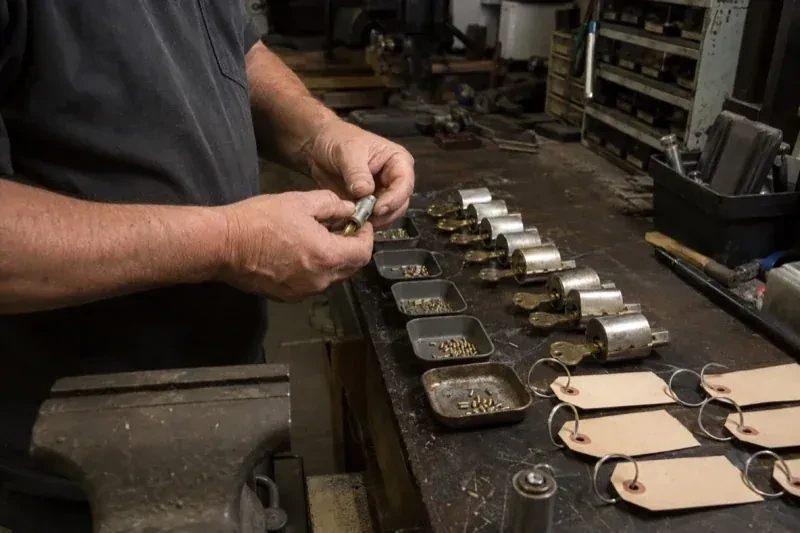
Homes and businesses in Delhi have their own kinds of lock trouble, and we have built the company to handle both without treating either as an afterthought. Deadbolts, rekeys, high-security cylinders, storefront hardware, master key systems and safes, plus vehicle keys when a household needs one cut.
Homes and businesses in Delhi have their own kinds of lock trouble, and we have built the company to handle both without treating either as an afterthought. Deadbolts, rekeys, high-security cylinders, storefront hardware, master key systems and safes, plus vehicle keys when a household needs one cut.
Local locksmiths who explain their work.
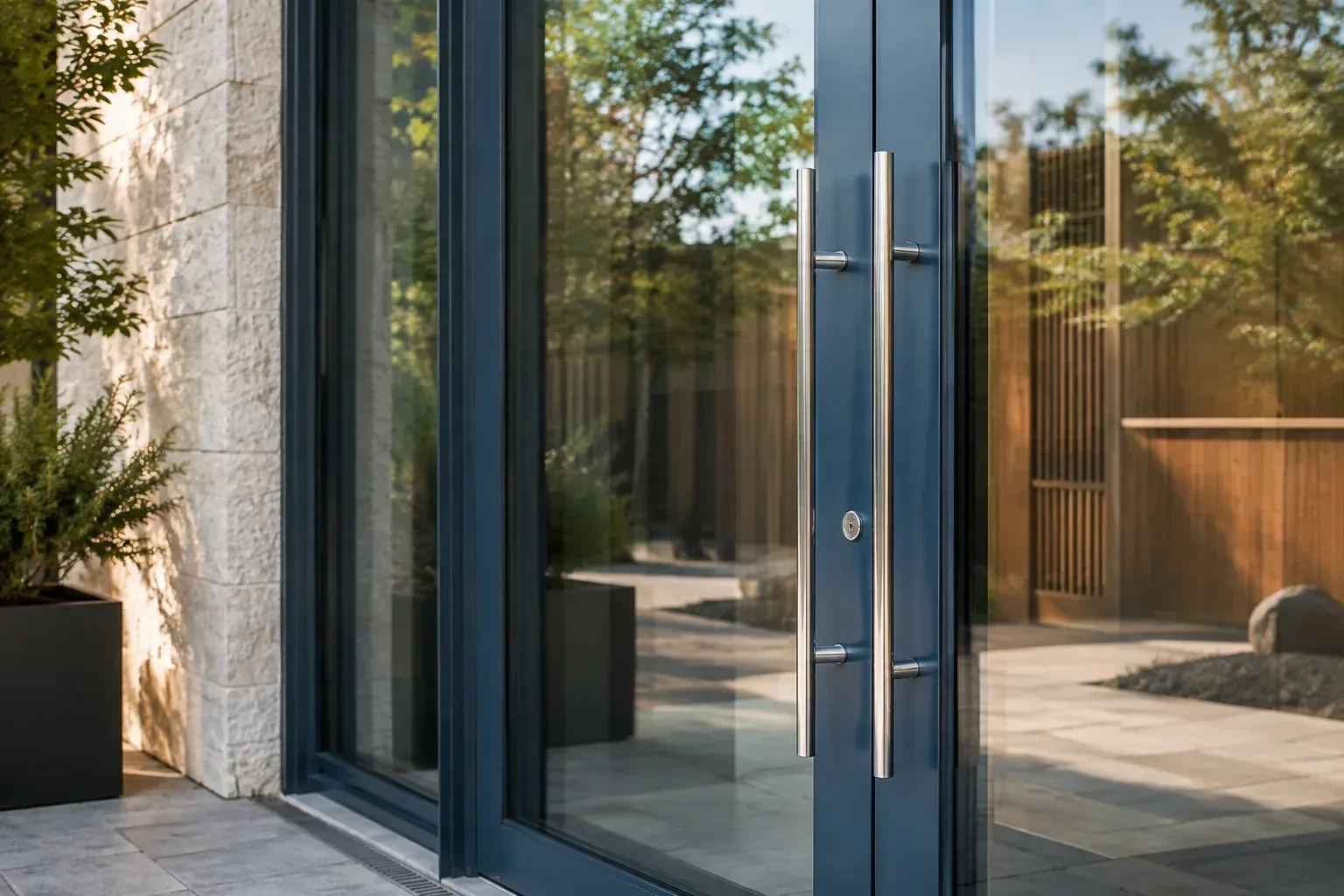
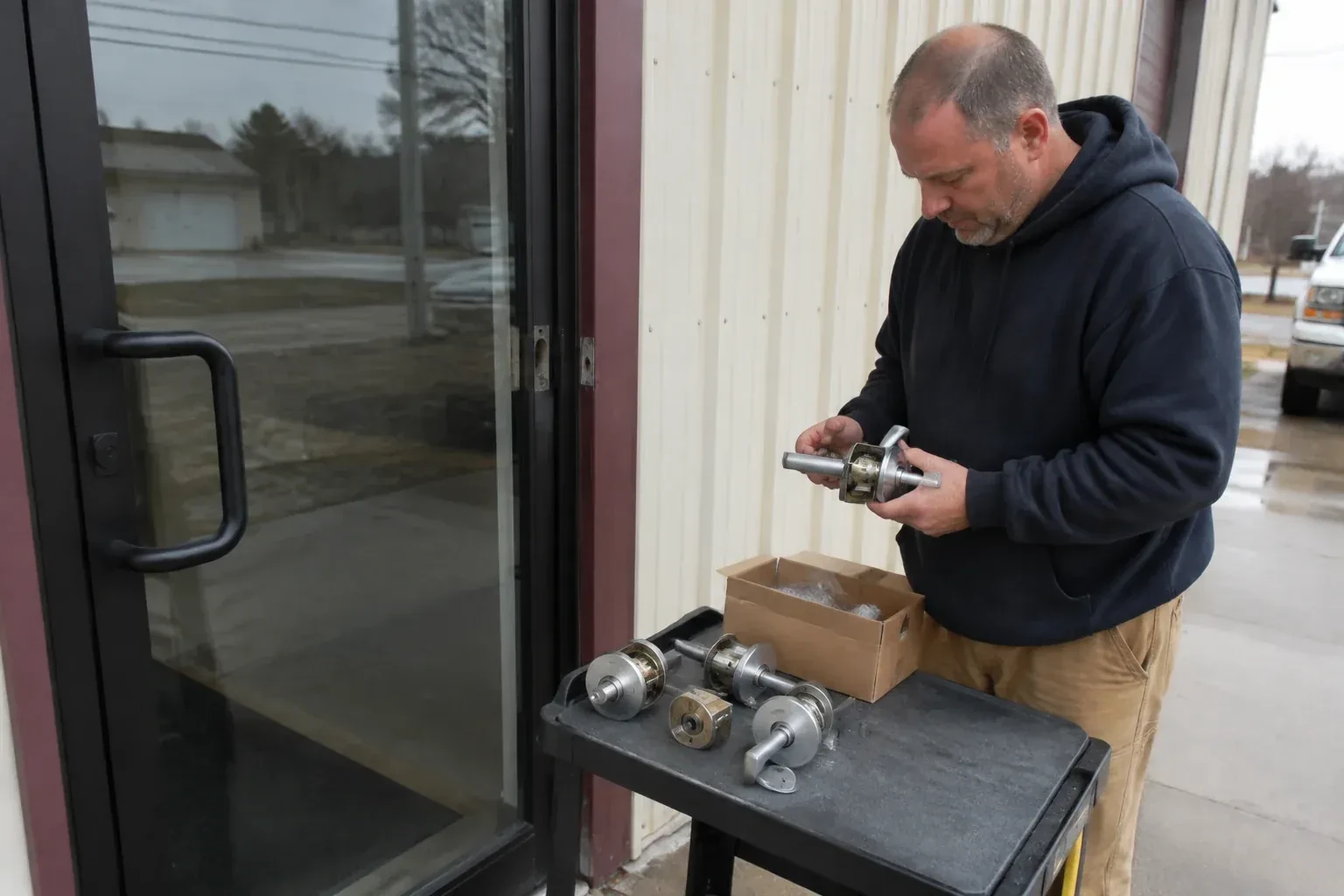
Businesses in Delhi get exit hardware that lets everyone leave without hunting for a key, while the door stays locked from the outside. We fit and adjust push bars, panic bars and deadlatches, set the closers so the door shuts on its own, and check that the whole exit path works in one motion from inside.
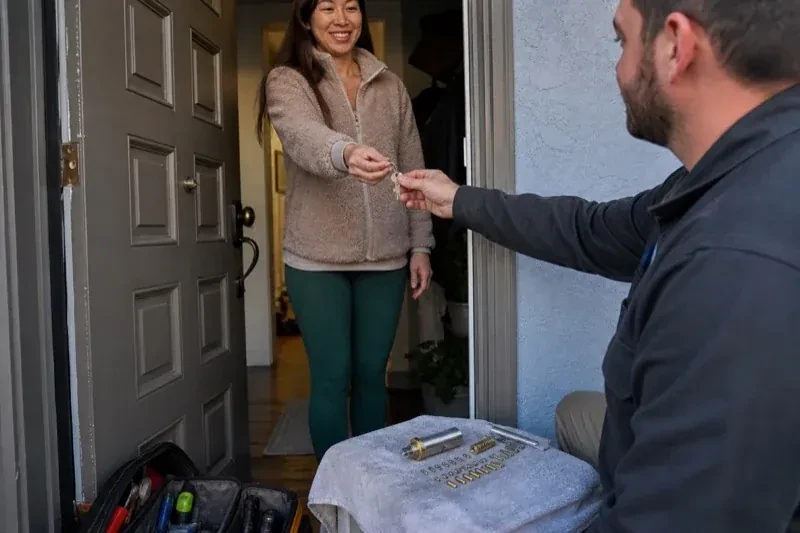
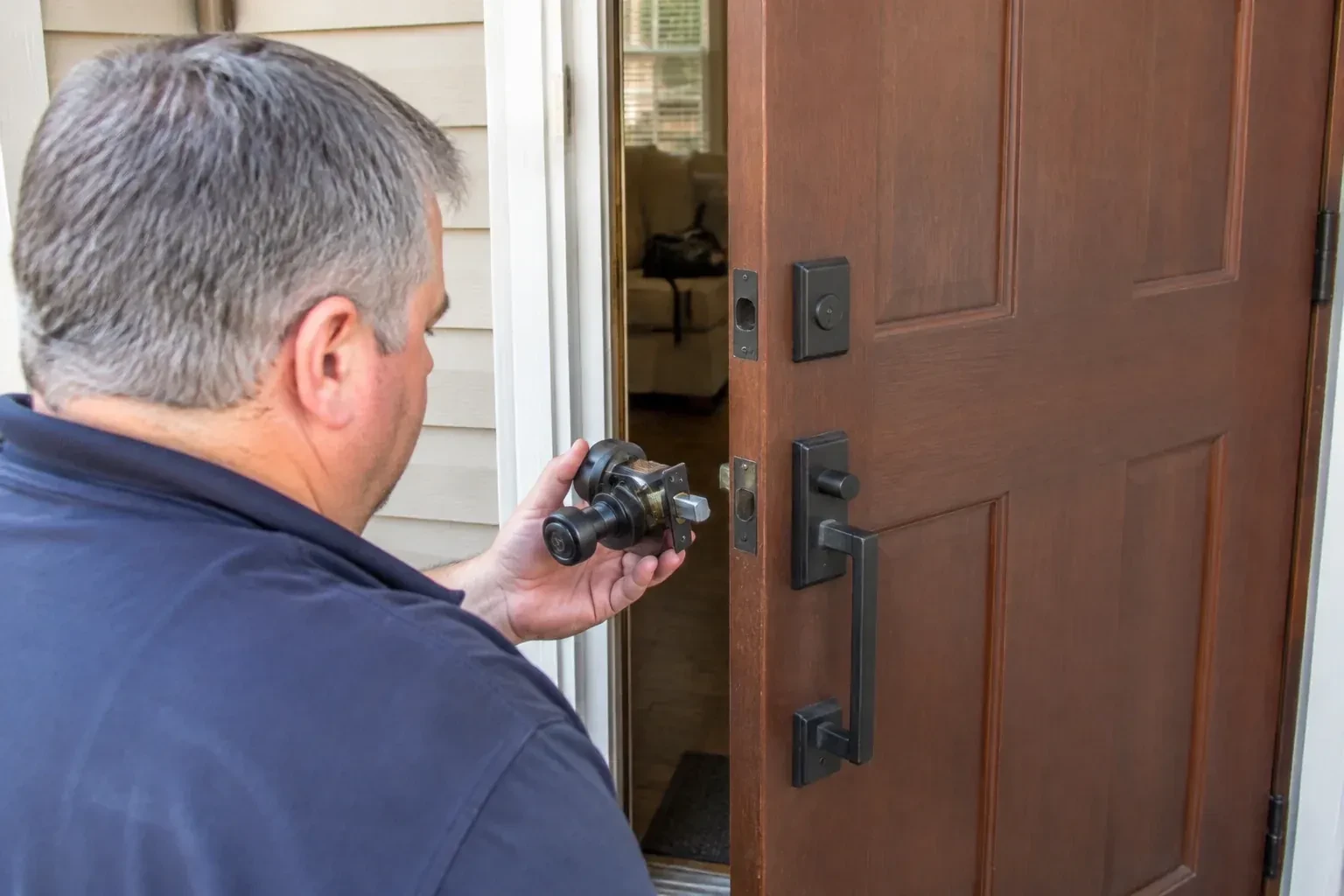
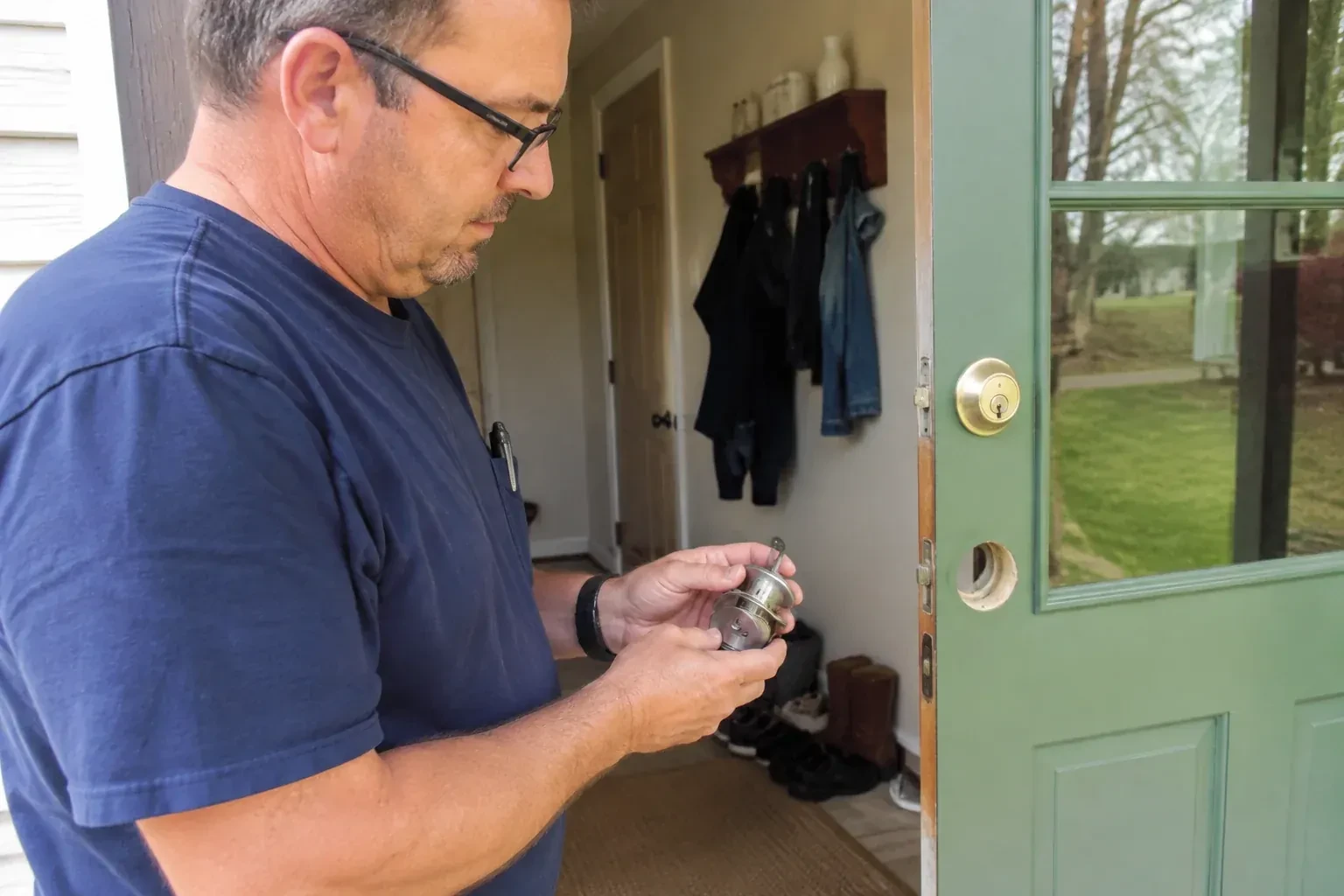
If you have just bought a home in Delhi, we suggest rekeying every exterior door to a single new key. The seller, the agent and every tradesperson who had a copy are then out of the picture, and you carry one key instead of a ring. While there, we check that each door closes and latches and point out anything worth watching.
18years in business
24/7open every day
A look before a verdict. We inspect the door, frame and lock before suggesting anything. Diagnosing from the driveway is how people end up with parts they did not need.
Two or three real choices. Where there are sensible alternatives we explain them side by side, including the option of doing less than you expected.
The job finished properly. Tested, aligned, cleaned up and demonstrated. We do not consider a lock done until you have turned the key yourself.
The services offered in Delhi answer the questions a door eventually asks. Who else has a key? Why does the bolt drag? Would a stronger cylinder be worth it? Can staff leave without a key? How do I open the safe my father left? Each answer is on the pages below.
About 62% of homes in Norfolk County were built in 1980 or earlier, according to the 2021 Census.
Older homes
Older homes tend to have had many hands on their doors: owners, tenants, tradespeople, family. A locksmith visiting such a house pays attention to who holds keys now, and rekeying or a keyed-alike set often matters more than any new hardware.
Single-detached houses make up about 83% of homes in Norfolk County (2021 Census).
Mostly houses
Detached houses have their own garages, sheds and gates, and each tends to carry a lock chosen on the day it was needed. A locksmith visiting such a home looks at all of them, not just the front door, and brings the whole property up to one standard.
You were locking up on the way out when the key broke in the lock. Now the door is unlocked, a piece of key is jammed in the cylinder, and you were already running late for work.
The keys fell out of a gym bag somewhere between the arena and the parking lot. The ring has a tag from the building with the unit number on it. Whoever finds it has an address and a key that fits.
A visitor buzzes from the panel downstairs, someone presses the button by the door, and nothing happens. The electric strike on the lobby door used to click open on cue; now it stays silent, and residents are propping the entry with a folded flyer instead.
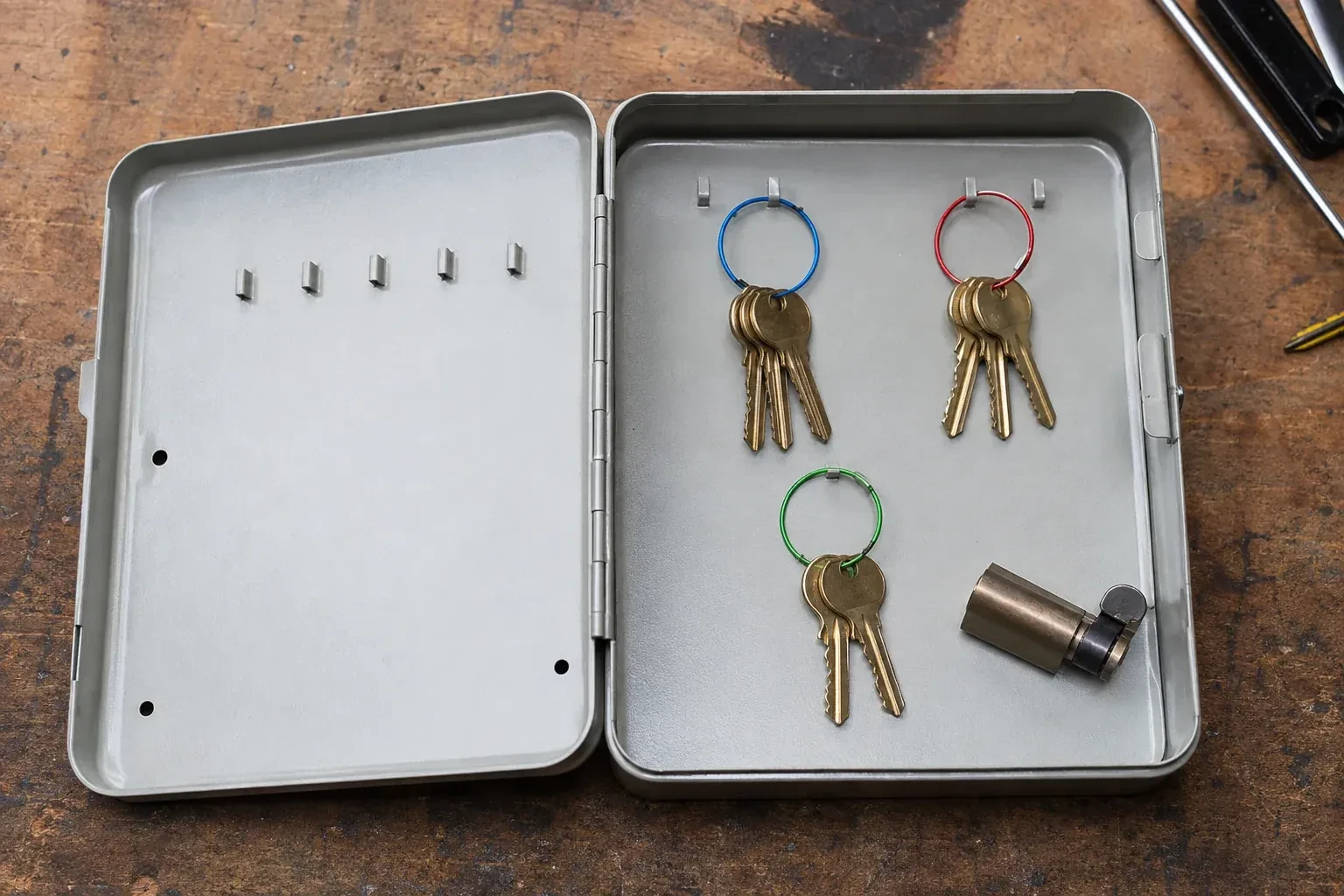
A property manager taking over a small commercial building inherits a shoebox of keys with no labels and no chart. Some open the mechanical room, some open vacant units, and a few do not seem to match anything currently on the property at all.
After fifteen years the blade has worn to a smooth sliver. It needs a jiggle in the ignition most mornings, this week it took three tries, and a copy cut from that same worn key would only carry the wear forward.
A lockout last month ended with a locksmith opening the door and going home, and the same single key has been carried ever since with nothing behind it. The relief of getting back in faded within a week into the same exposure.
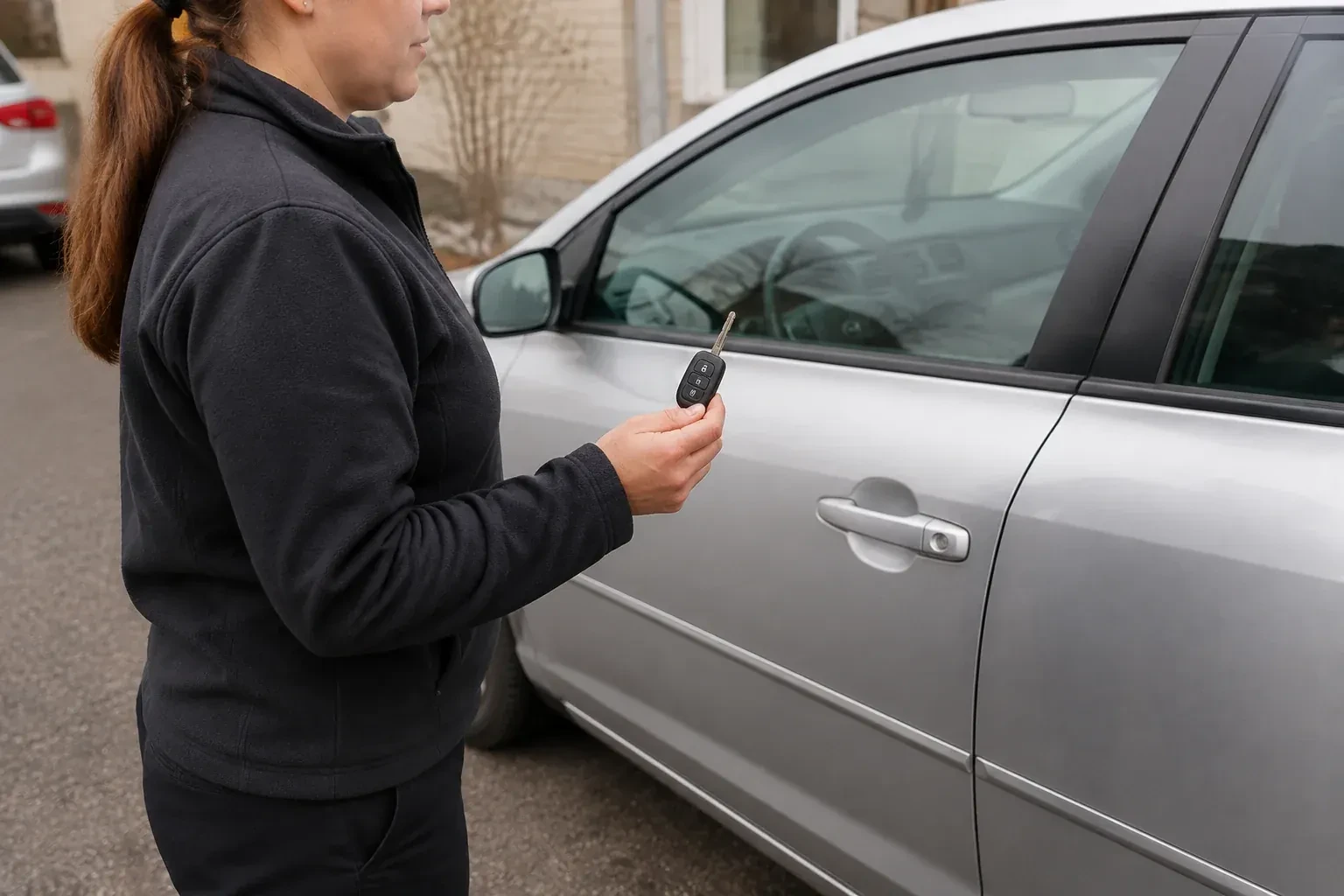
A new driver has joined the household, and the one existing fob is the only key anyone has ever had cut for this vehicle. Handing that single fob over for the day means someone else is left without a way into their own car.
The blade snapped off flush with the door lock last winter, and the shop that cut a replacement only matched the metal shape. The fob still locks and unlocks the doors from across the driveway, but the engine cranks over and over without ever catching.
You line the key up with the trunk lock, turn it, and feel nothing catch. It spins freely, over and over, never lifting the latch, while every other lock on the car still locks and unlocks the way it always has.
Businesses need locks that fit how the building is used: who opens up, who closes, who can reach the stockroom. Commercial services cover rekeying, master keys, heavy-duty hardware, exit devices and electronic access for shops, offices and warehouses.
The new manager took over the shop last month and only now needs the back-office safe open, but the combination the previous owner was supposed to leave in writing never turned up anywhere in the handover file.
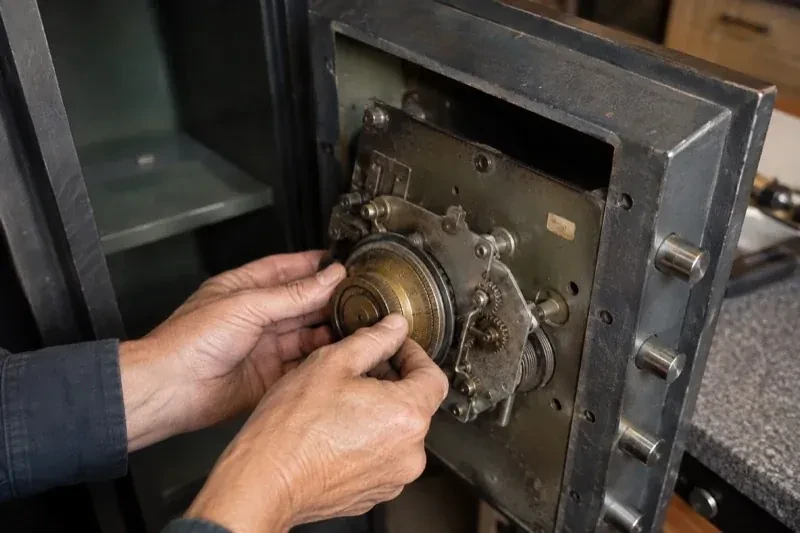
A homeowner inherited a heavy old dial safe from a parent's house, moved it into the new place, and has no idea whether the bolt-work still works, whether the lock is sound, or how it should be anchored.
Which fix fits?
You were locking up on the way out when the key broke in the lock.
WhyA building outlives its tenants, and every move-out that skips a rekey leaves one more key in circulation that nobody living there today can account for.
A property manager taking over a small commercial building inherits a shoebox of keys with no labels and no chart.
WhyLosing a key is also a security event, and replacement is the moment to close it.
A lockout last month ended with a locksmith opening the door and going home, and the same single key has been carried ever since with nothing behind it.
WhyA used vehicle sometimes arrives with a lock or two that never quite matched the rest, whether from a prior repair, a replaced door, or a key cut from a worn original.
How a visit goes
Describe the property, the hardware and what has changed, and the visit starts from what you have seen.
1
2
3
01
Listening to the door's history
Has it been forced, does it drag, who has had keys? Those answers tell us whether the frame, the cylinder or the key list needs attention first.
02
Reinforcing what takes the blow
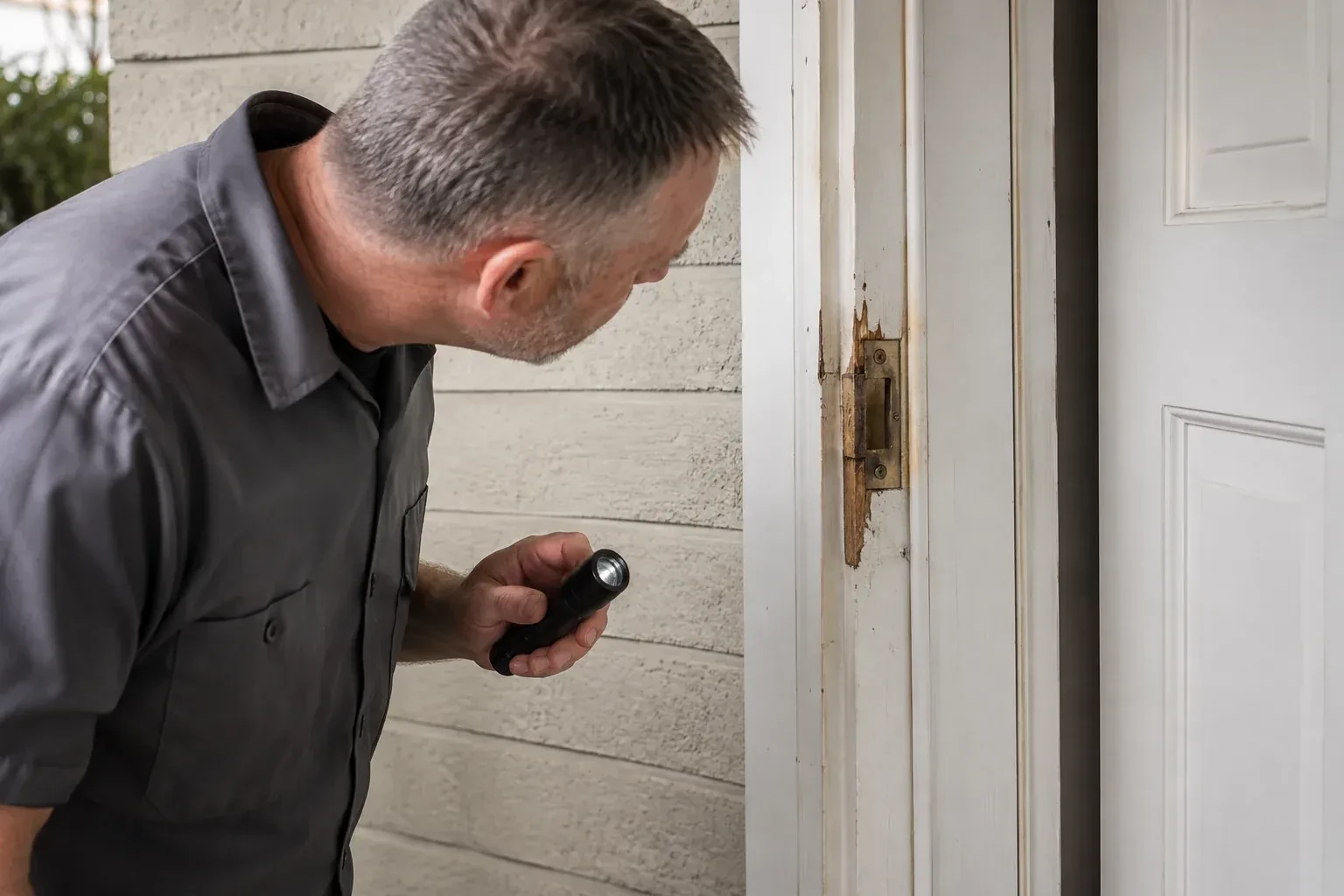
A box strike and three-inch screws into the studs, long hinge screws, and filled holes where the wood has split, before any cylinder is changed.
03
Testing every key in every lock
Doors open, doors closed, both sides, then a push on the locked door to feel for play. We finish by writing down what was fitted.
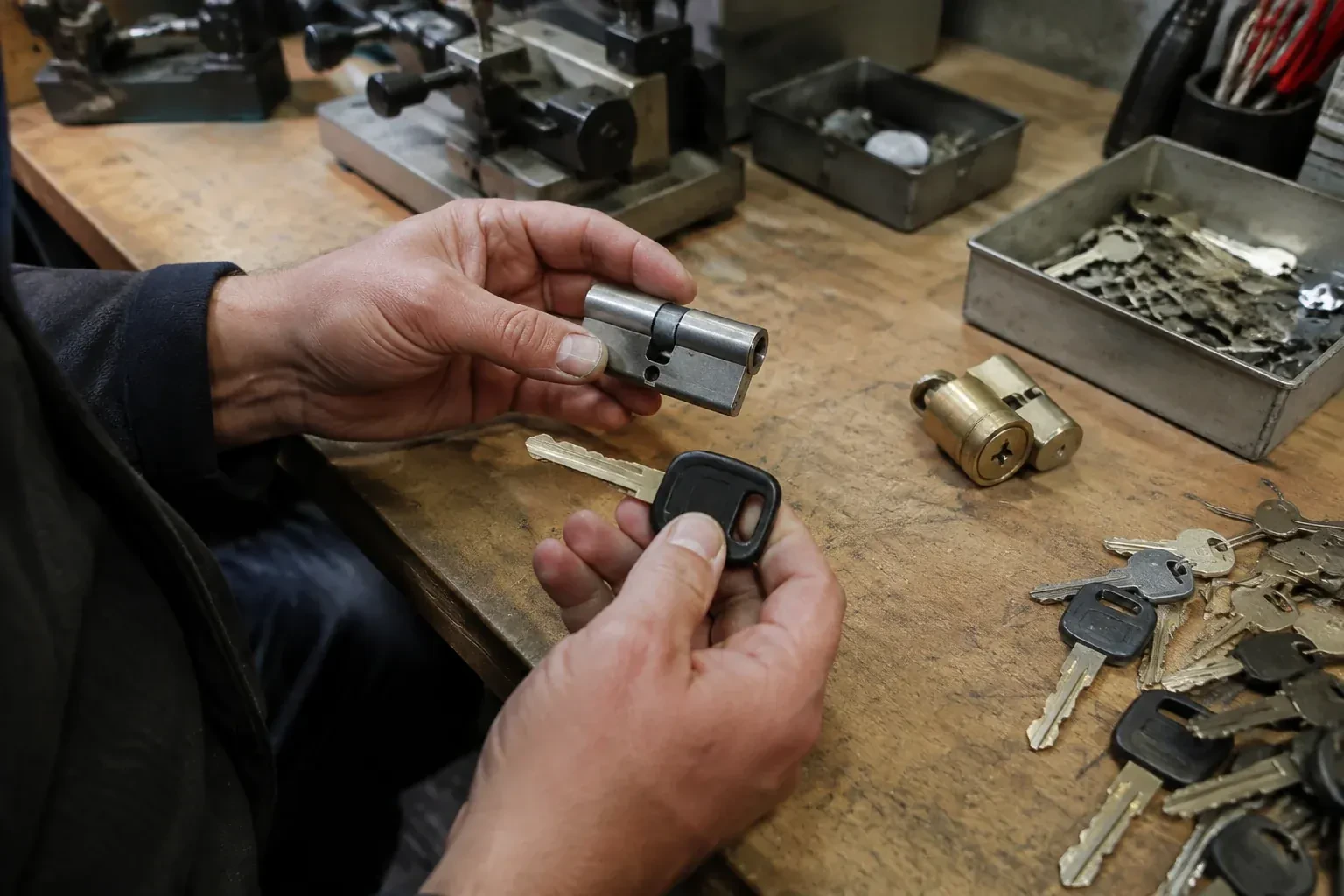
It helps if there is one. A crisp spare is the ideal pattern for the replacement, better than the broken halves and far better than a worn copy. It also lets the locksmith test the cylinder the moment the fragment is out, which shows whether the pins and springs are sound. If the spare is itself bent or worn, mention that too; it is a candidate for retirement rather than a pattern.
Should I rekey after a renovation or when a cleaner stops coming?
It is good practice whenever a key has been out of your hands for a while and you are not certain it came back. Contractors, cleaners, sitters and short-term guests all have honest reasons to hold a key, and most return it, but a rekey at the end of the arrangement is what turns 'probably' into certainty. Some households make it a habit at the close of every project.
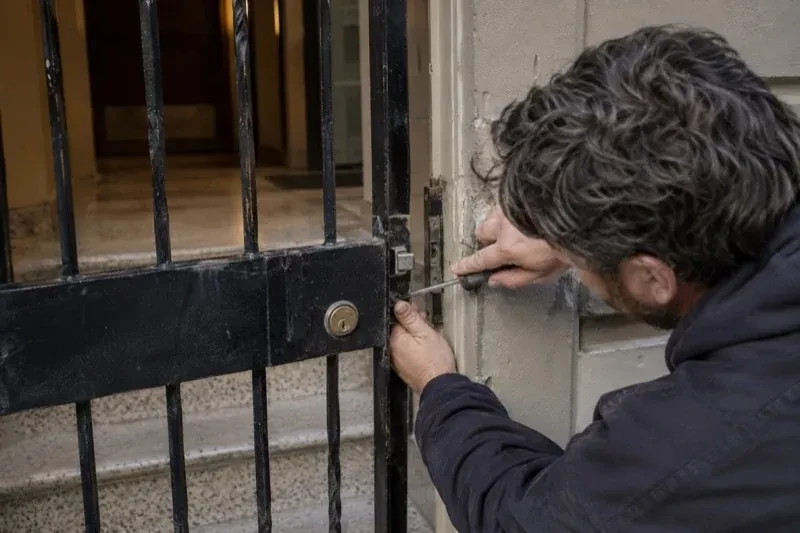
What is the difference between a gate lock and a regular door lock?
A gate lock is built to work outdoors, so it usually pairs a latch or bolt with a closer that swings the gate shut on its own using its own spring, rather than relying on a person to push it home. The cylinder tends to be weather-rated, and the whole assembly fits a gate frame or post rather than a conventional door jamb. A building entry door, by contrast, often combines this outdoor hardware with an interior-style latch or an electric strike.
What records should I keep once the system is installed?
The keying chart itself, a log of which key or fob was issued to which person or role, and receipts signed when keys change hands. Together these let the business answer, at any point, who currently holds which level and when it was issued, rather than relying on memory once the locksmith who built the system is no longer involved.
Does programming a new key affect the keys I already have?
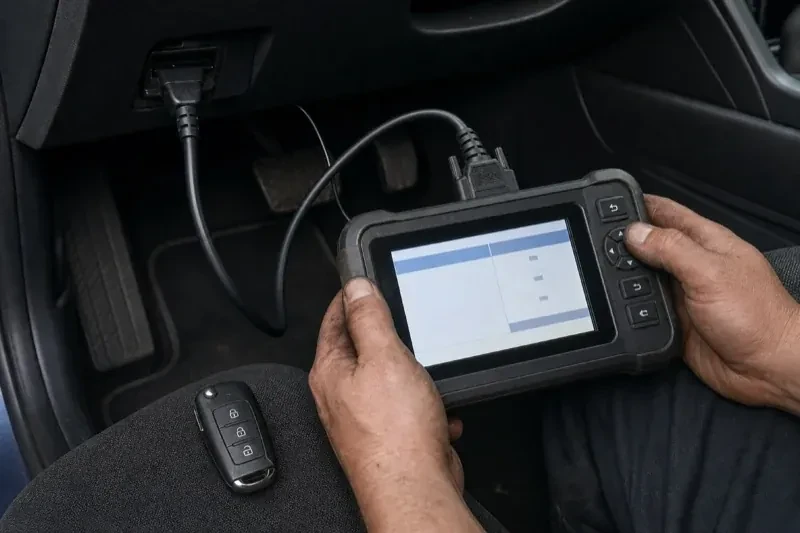
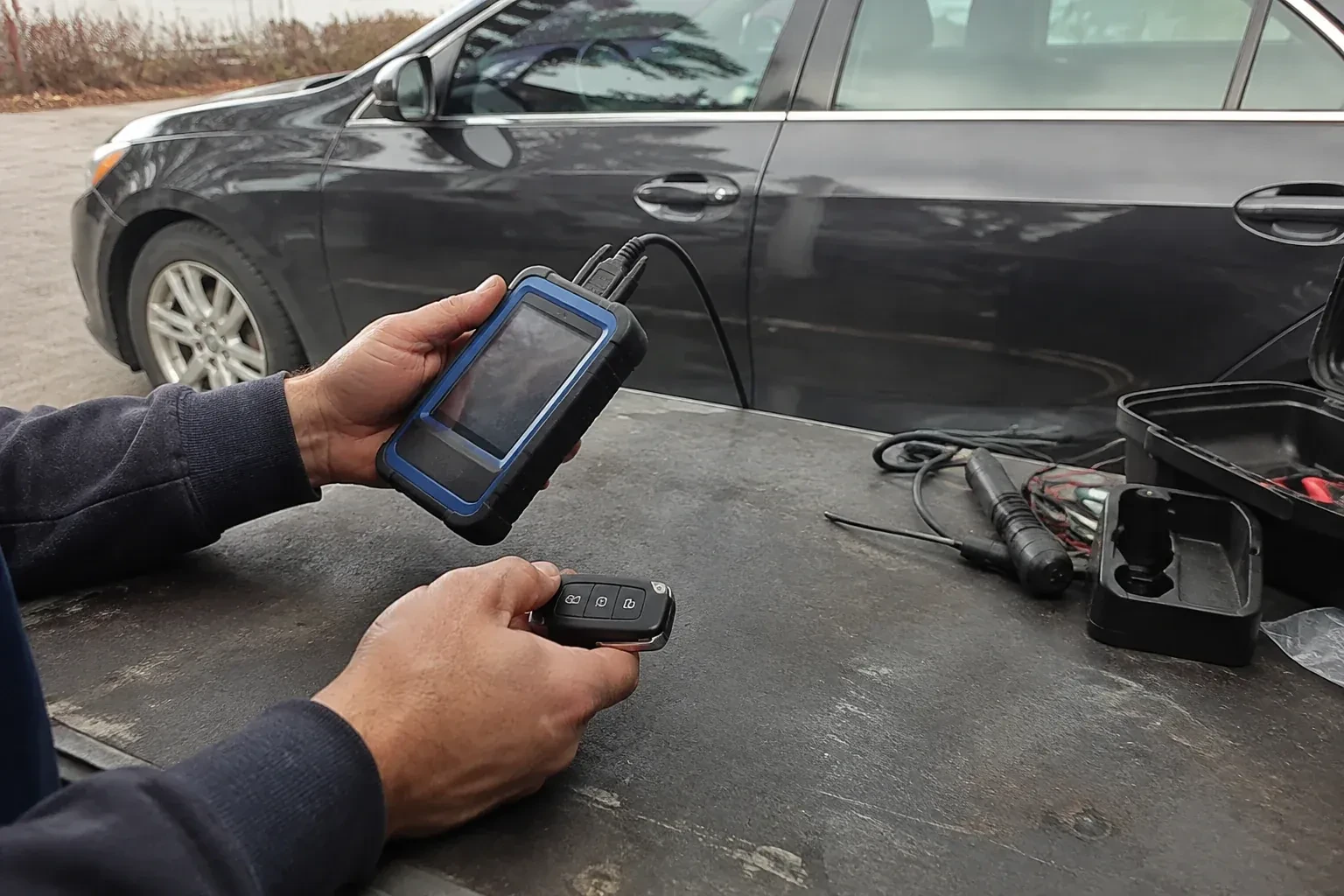
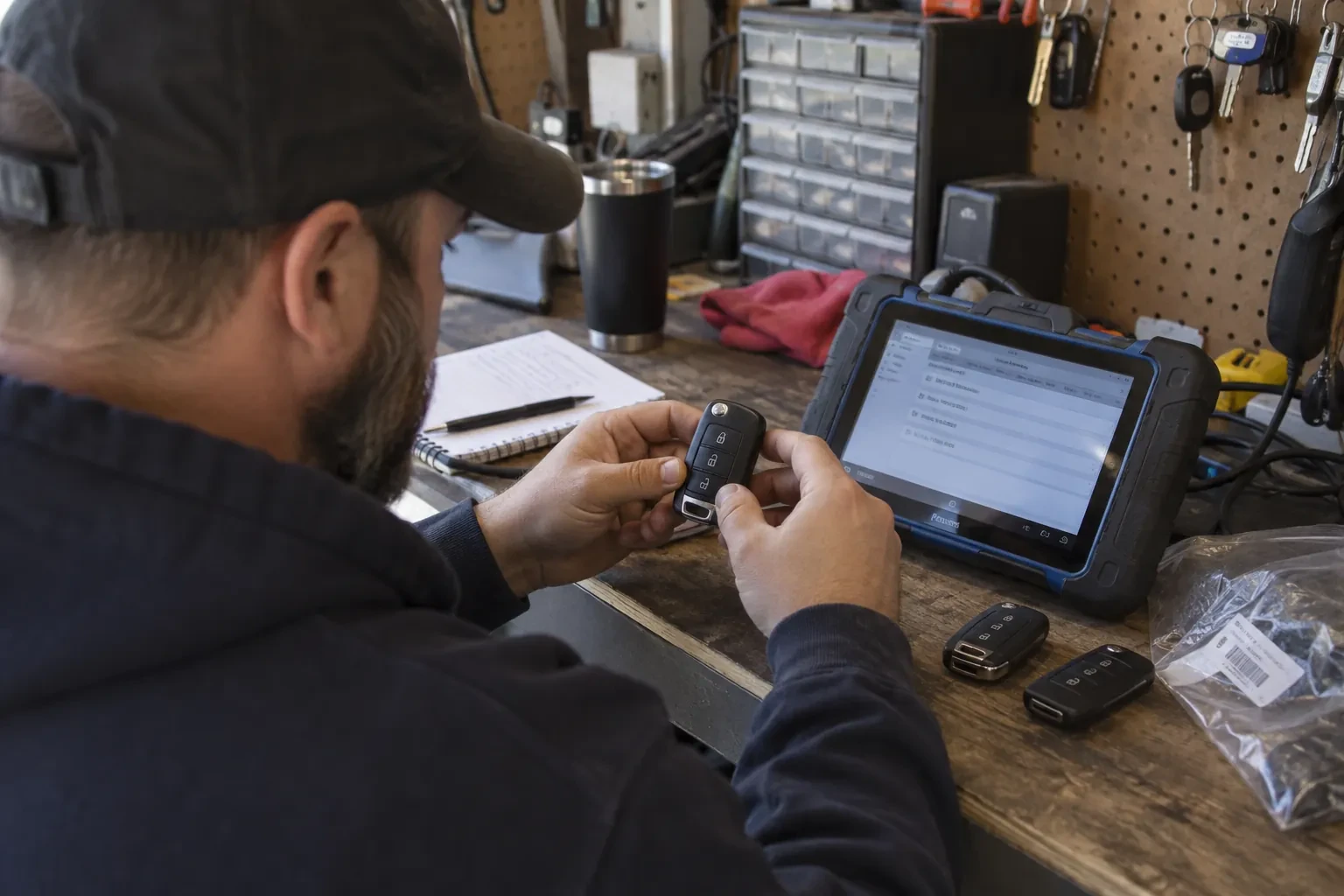
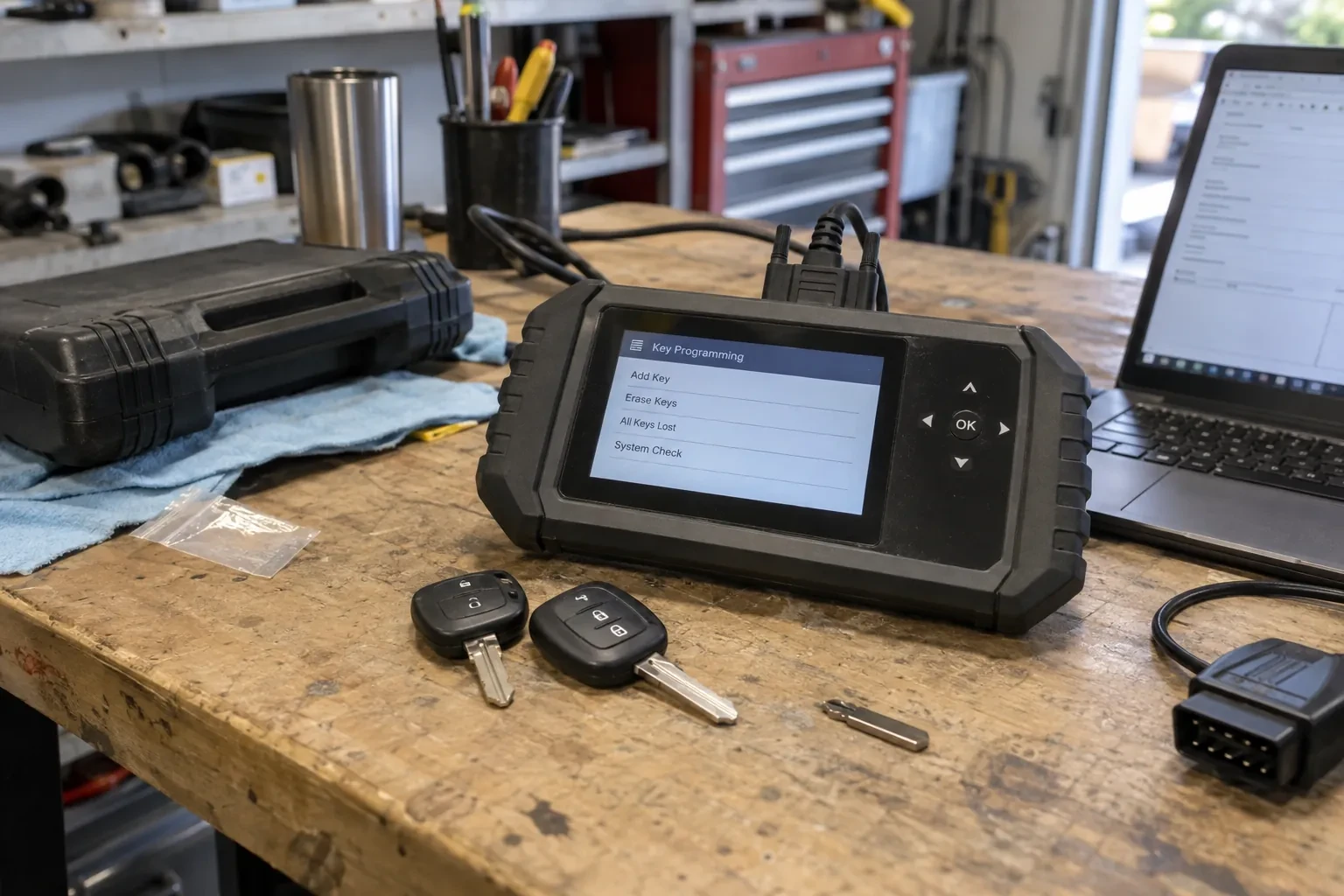
Adding a key leaves the existing keys in place; the car simply learns one more. The exception is a deliberate all-keys-lost reset or an erase you ask for, which clears every stored key and then registers only the ones you present. For that reason the locksmith asks you to bring every key you own to the visit, so each one can be re-registered and tested rather than left behind and forgotten by the car.
How is the electronic chip handled during duplication?
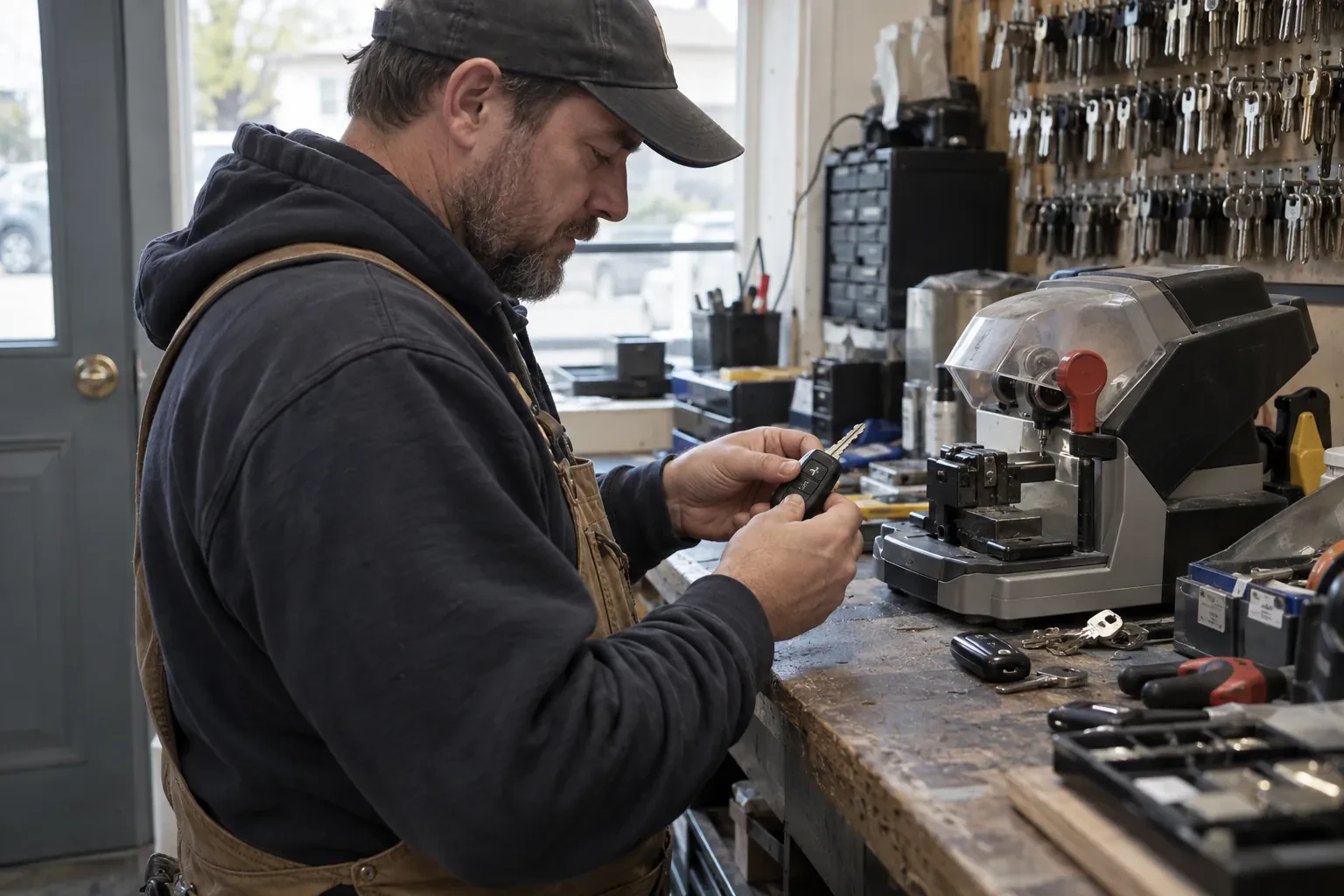
Where the transponder supports it, the chip in the working key is read and its data cloned onto a fresh chip, sometimes with vehicle-specific data pulled from the car to help. Where cloning is not supported for that particular vehicle and chip, the locksmith instead connects through the diagnostic port and has the car's own security module enrol a freshly coded chip as a new, independently authorized key.
How do I stop all my fobs from wearing out around the same time?
Replacing coin-cell batteries as soon as a fob's range starts to feel shorter, rather than waiting for it to go completely dark, is the simplest habit. Keeping fobs off a keyring crowded with heavy metal keys reduces wear on the case and buttons as well. Since fobs from the same purchase batch often age together, a fading one is worth treating as an early warning for the others.
What happens if every key for my car is gone?
All-keys-lost work starts by re-establishing secure access to the vehicle's own immobilizer module, since there is no existing key left to vouch for a new one. Once that access is confirmed, a fresh key is cut and its chip is written into the vehicle the same way any key would be, and the visit finishes with the usual start-up test across a few ignition cycles.
Can a damaged weatherstrip really affect the lock itself?
Yes. A perished or torn seal around a door or hatch lets rain and winter brine reach the cylinder, the linkage and the wiring behind the panel, and repeated exposure is one of the more common reasons a lock that used to work smoothly starts sticking or failing.
Request a visit
Businesses in Delhi get exit hardware that lets everyone leave without hunting for a key, while the door stays locked from the outside. We fit and adjust push bars, panic bars and deadlatches, set the closers so the door shuts on its own, and check that the whole exit path works in one motion from inside.