Locksmith in Glenridge, OntarioKeys that fit.Locks that hold.
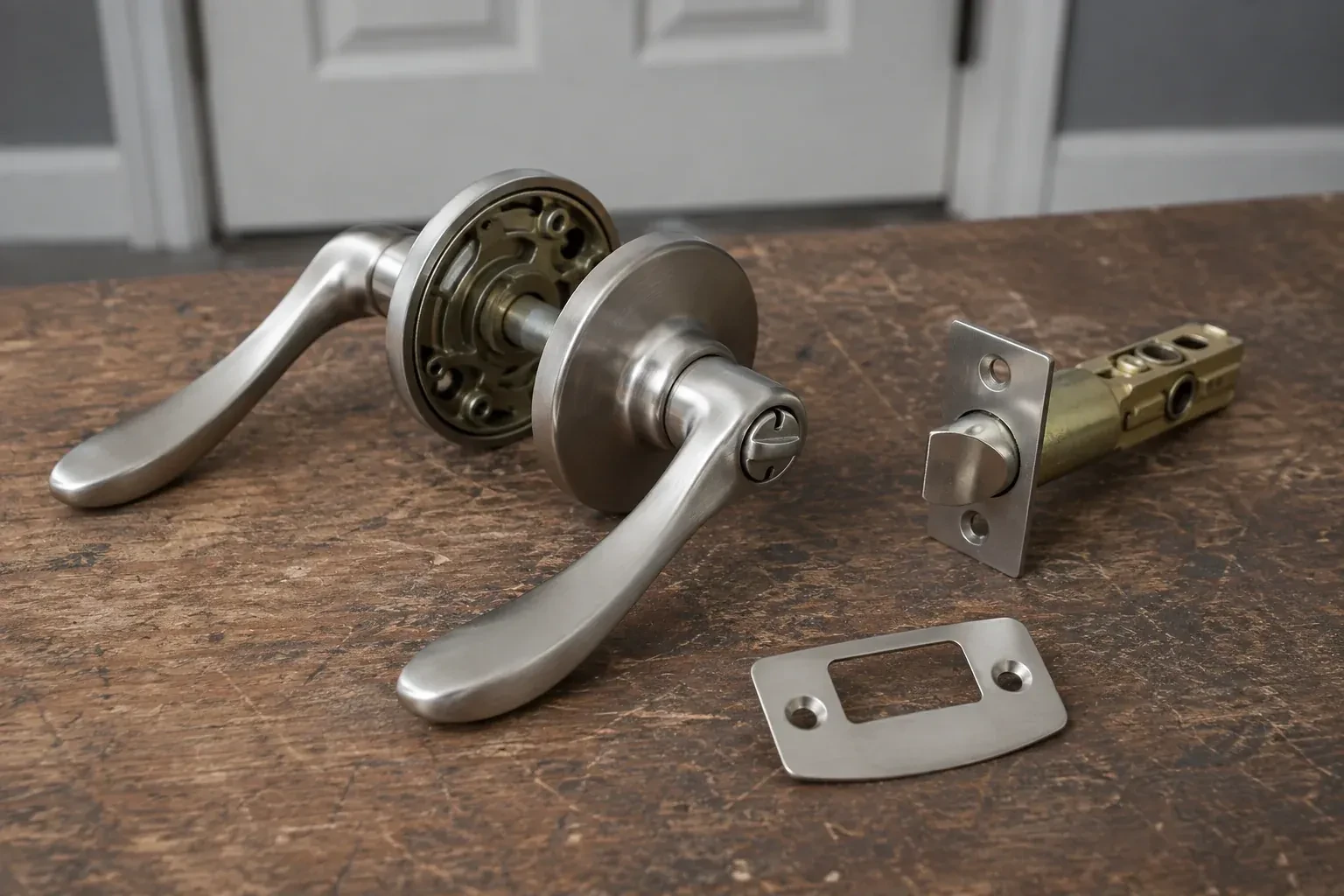
A door that latches on the first push, a deadbolt that throws fully into the frame, a key that slides in without a wiggle. These small things add up to a home in Glenridge that feels secure every time you close the door behind you. We fuss over them so you never have to.
A door that latches on the first push, a deadbolt that throws fully into the frame, a key that slides in without a wiggle. These small things add up to a home in Glenridge that feels secure every time you close the door behind you. We fuss over them so you never have to.
Local locksmiths who explain their work.
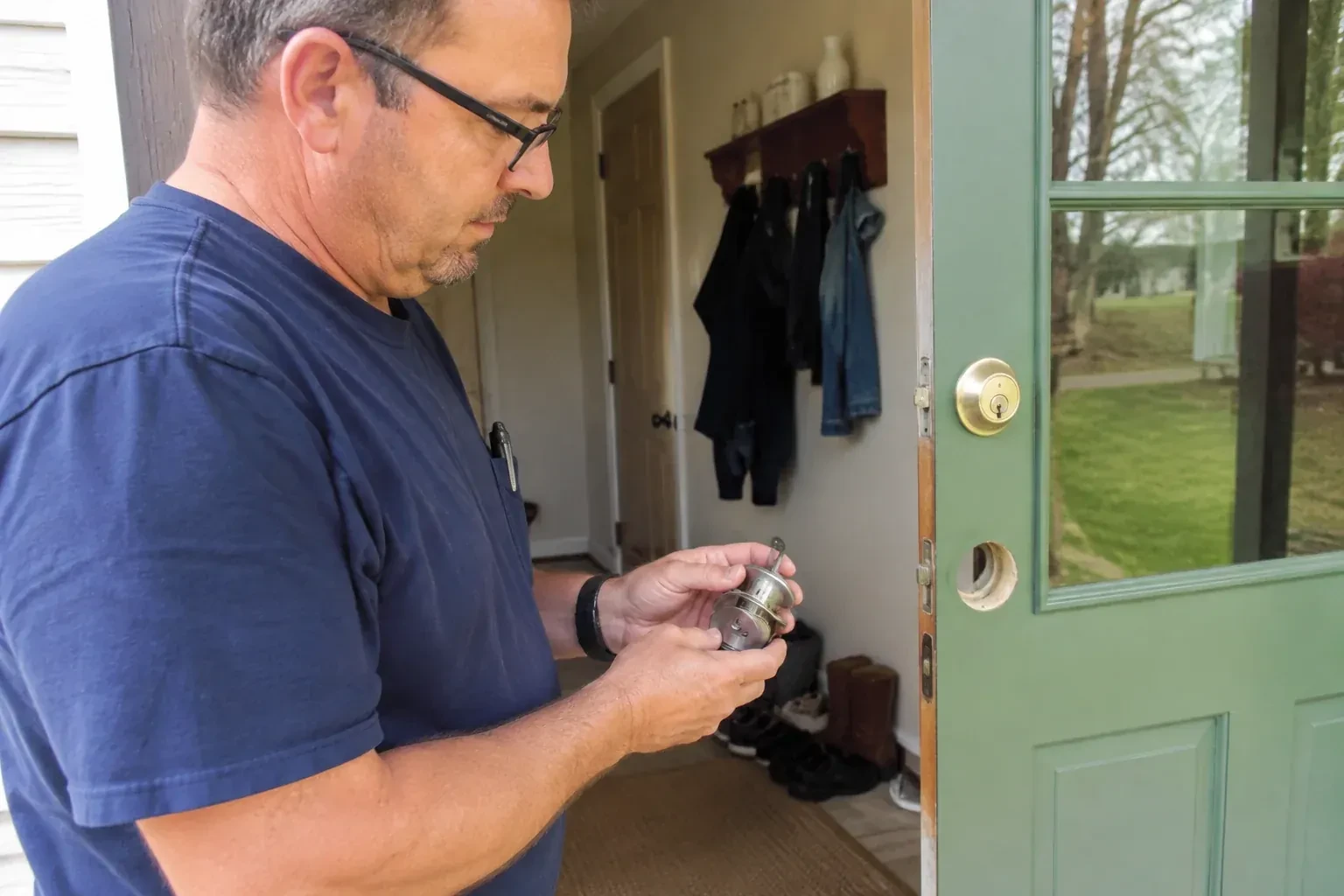
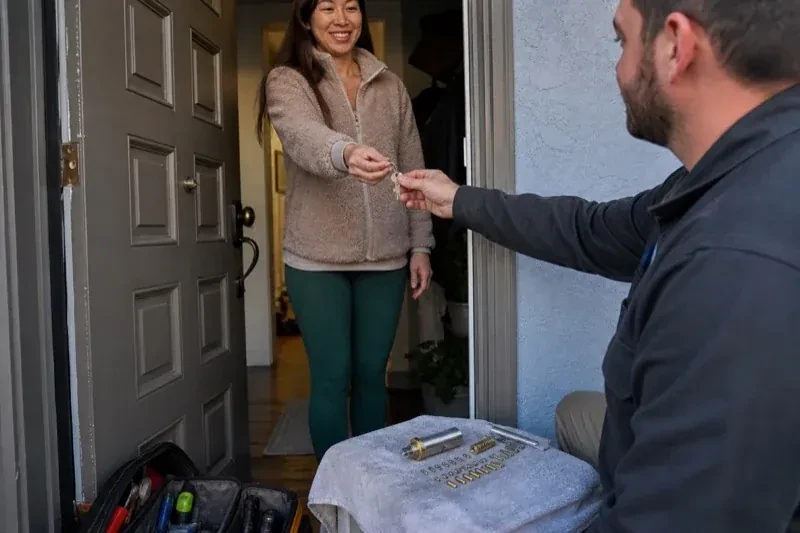
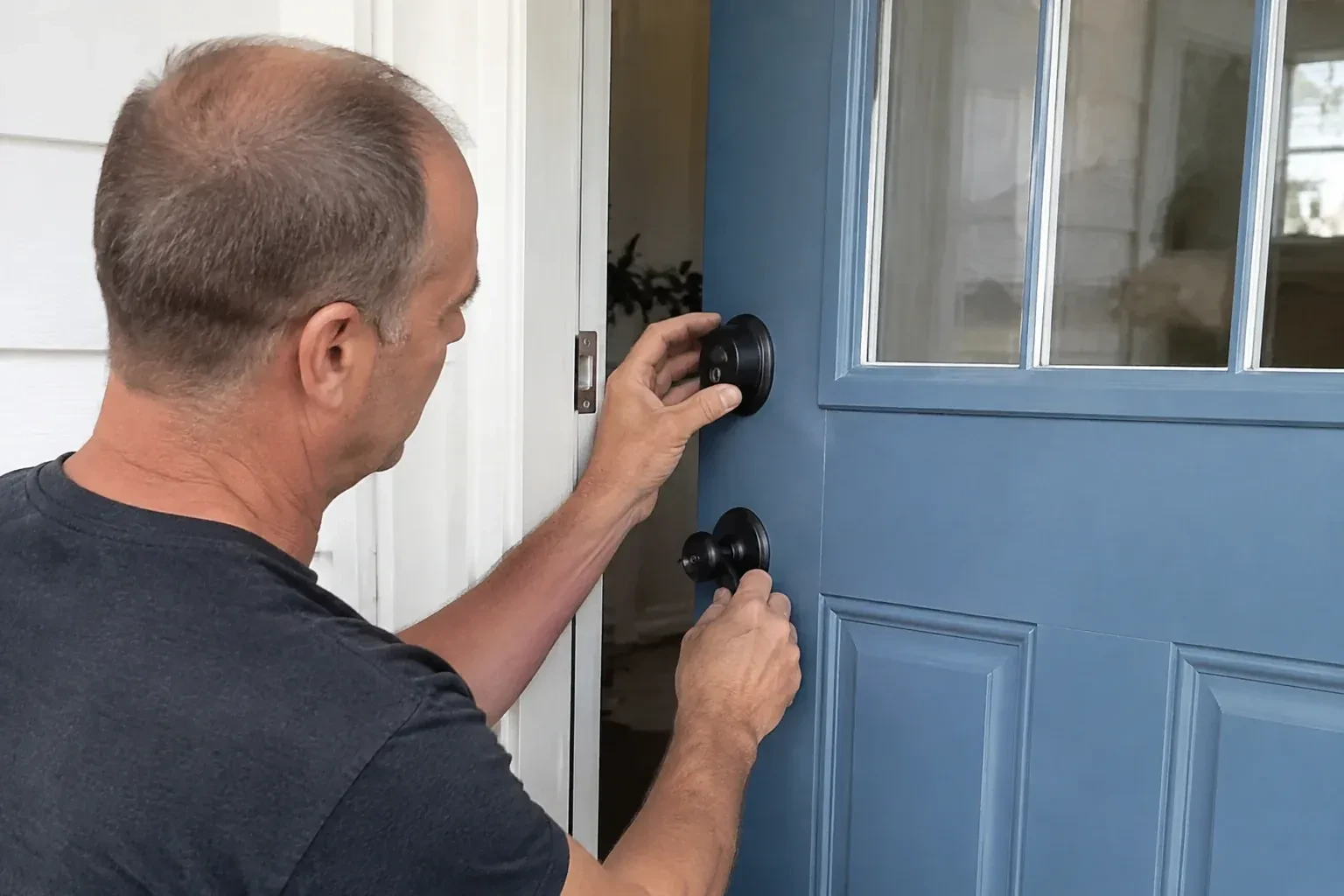
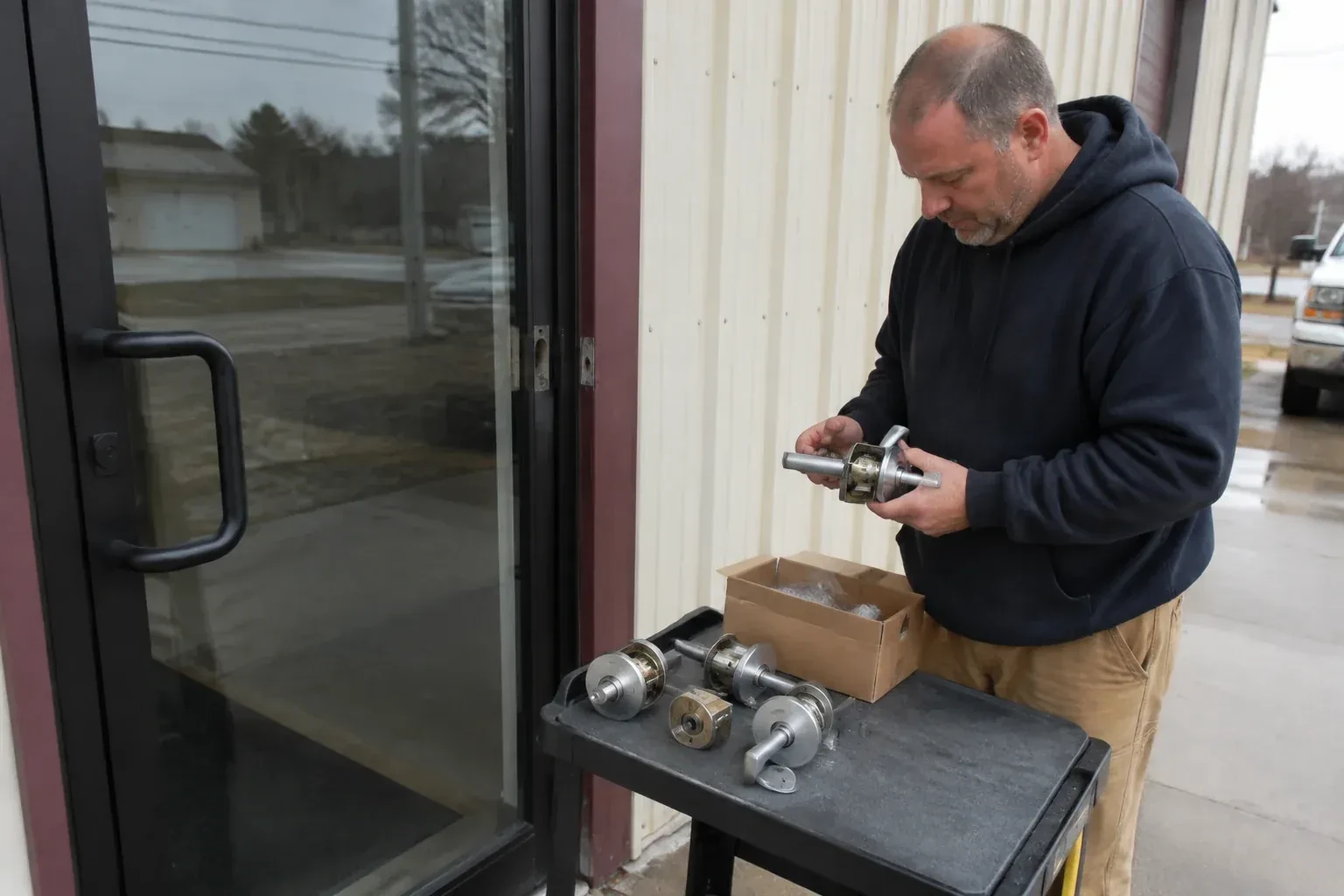
A visit to Glenridge ends with a walkthrough. The locksmith shows you how the new hardware works, which key does what, how to set a code or change a combination, and what small maintenance keeps everything turning. You should be able to use every part of the door without calling us back to ask how.
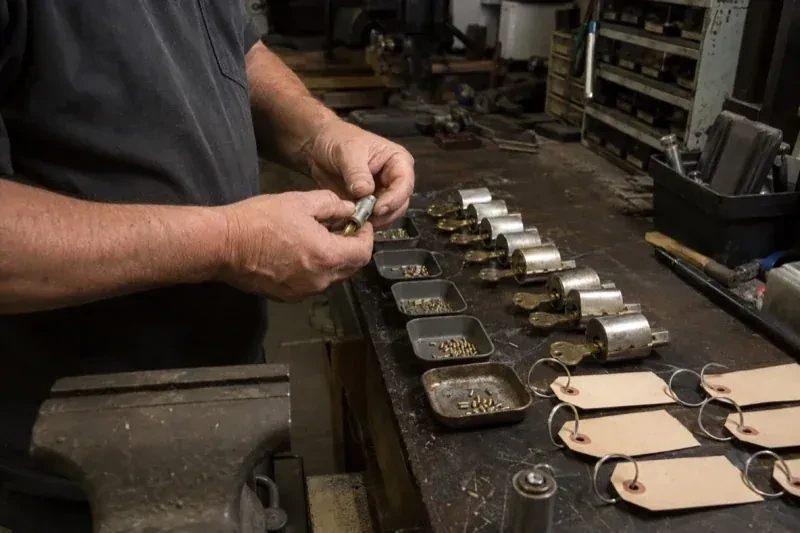
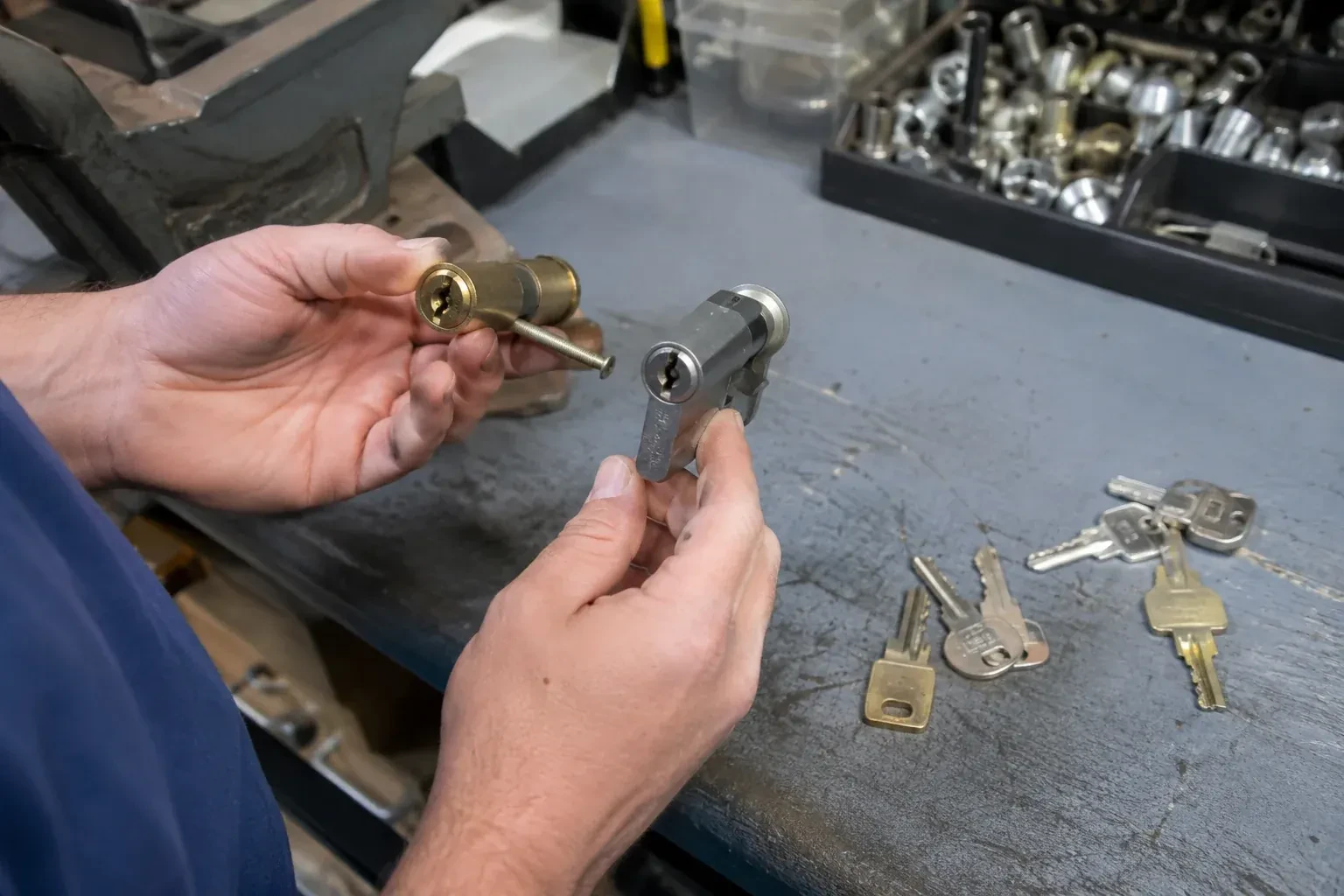
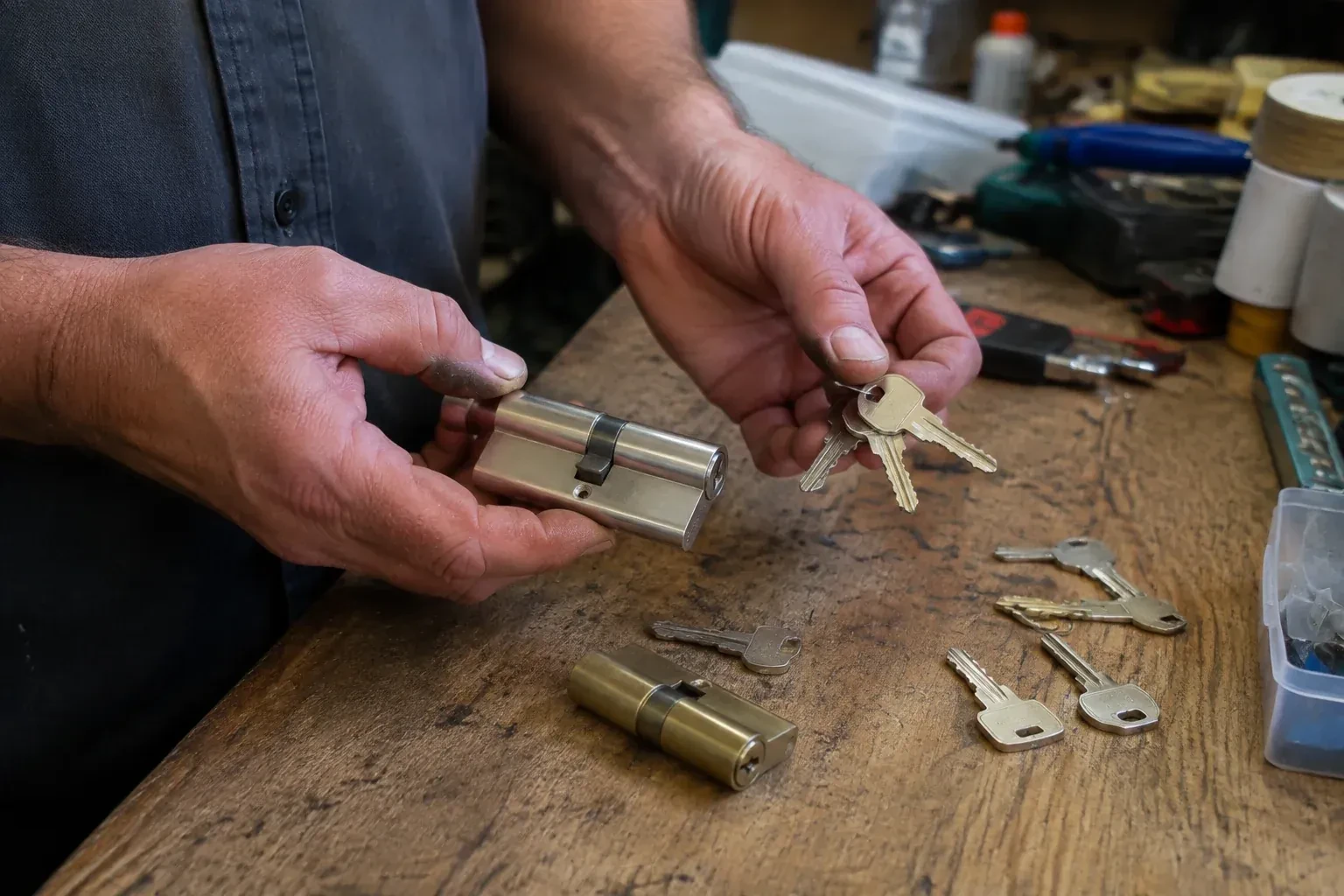
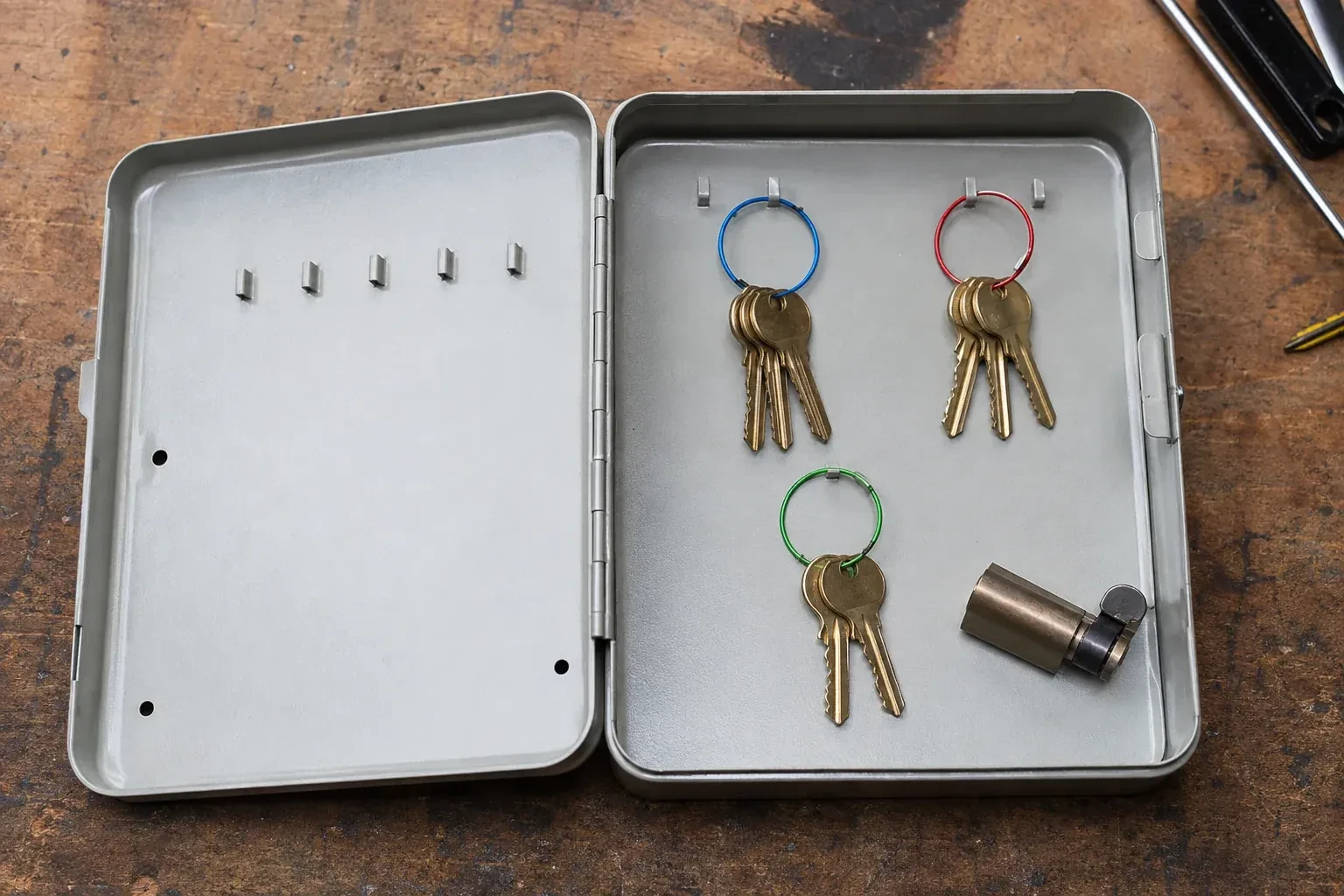
For homes in Glenridge with a mix of locks collected over the years, we can bring order. Several cylinders can often be keyed to a single key, mismatched finishes replaced and doors that were never quite right adjusted so they close and lock without effort. You end the visit with one key in your pocket and a house that works as a set.
18years in business
24/7open every day
A look before a verdict. We inspect the door, frame and lock before suggesting anything. Diagnosing from the driveway is how people end up with parts they did not need.
Two or three real choices. Where there are sensible alternatives we explain them side by side, including the option of doing less than you expected.
The job finished properly. Tested, aligned, cleaned up and demonstrated. We do not consider a lock done until you have turned the key yourself.
Lock work in Glenridge is rarely just one thing. A lockout often reveals a worn cylinder; a rekey is a good moment to fix a strike that never lined up. The services below are described one at a time, but a locksmith at your door will happily point out anything else worth doing while he is there.
About 49% of homes in Tillsonburg were built in 1980 or earlier, according to the 2021 Census.
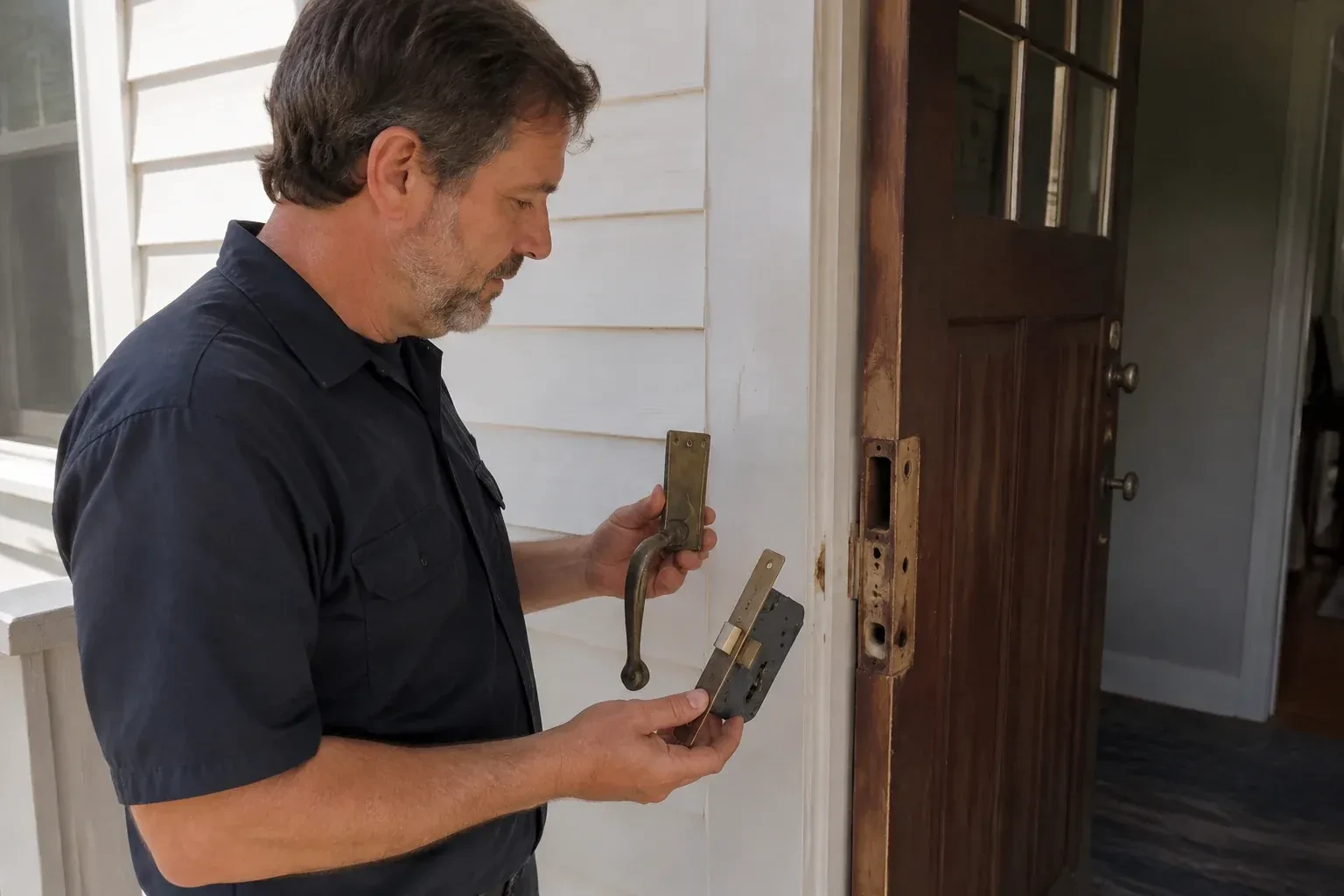
In areas with homes from many decades, a locksmith gets to match the solution to the house rather than apply one answer everywhere. Period hardware stays on the houses that suit it; modern security goes where the door and the household want it.
Single-detached houses make up about 68% of homes in Tillsonburg (2021 Census).
Mostly houses
Where most homes are detached houses, each one has several exterior doors: front, side, back, garage entry, sometimes a walkout. Getting them all onto one key is the most requested job, and it usually takes a single visit.
You stepped out to grab the recycling bin and the door swung shut behind you. Through the glass you can see your keys hanging on the hook by the stairs, exactly where they always are, and the latch has caught.
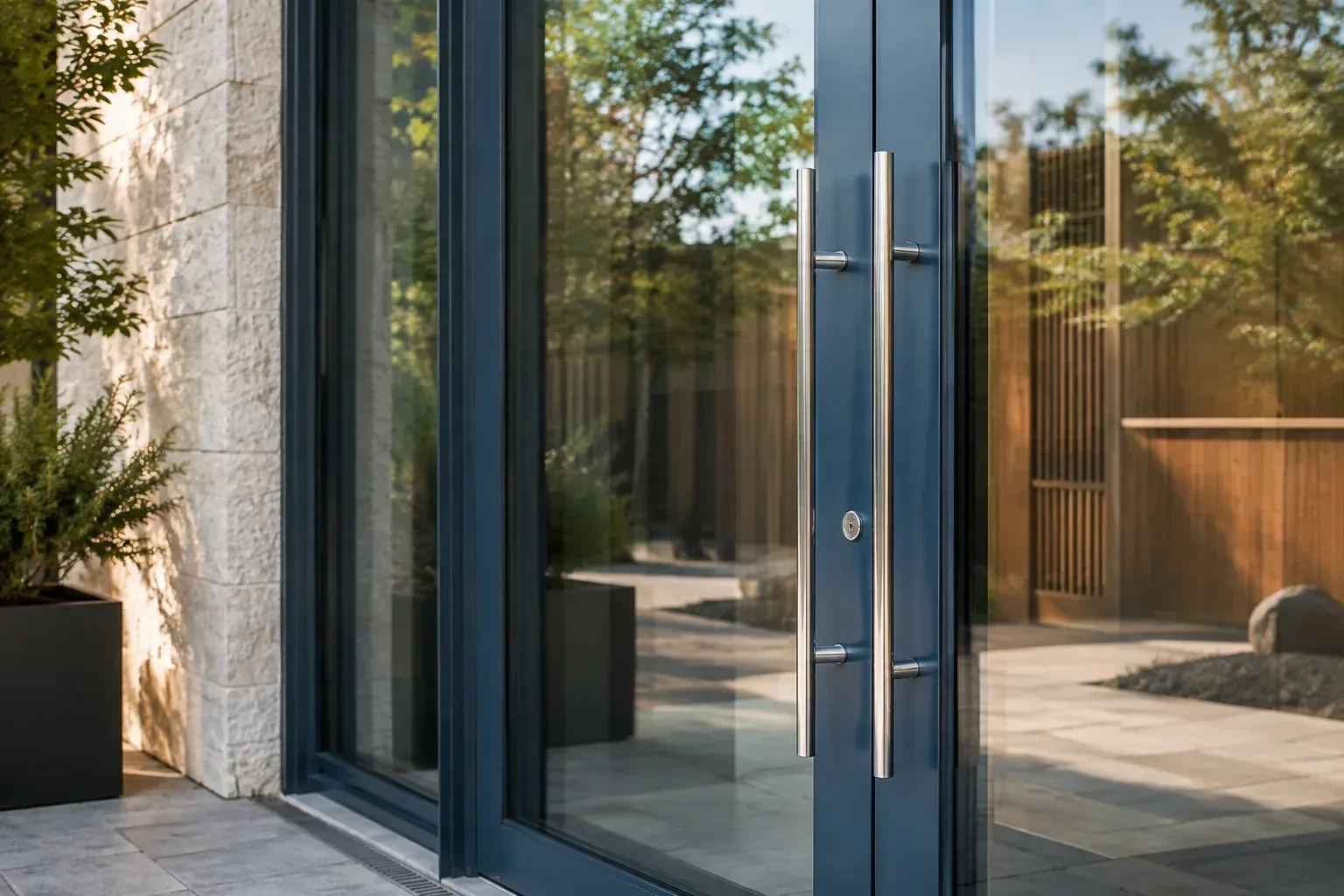
The heavy glass door has been scraping the threshold for weeks. This morning the key turns, you can hear the bolt trying to move, but it is jammed hard in the strike and the door stays shut no matter how the handle is pulled.
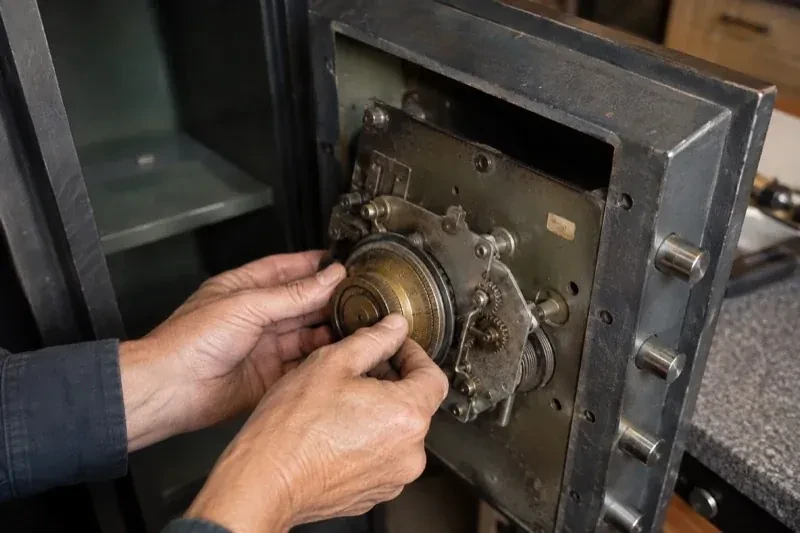
A software update reset the clinic's small safe overnight, and the receptionist's usual code now does nothing on a keypad that lights up but goes no further.
You jiggle the key a little and the old deadbolt opens even when the cut does not look quite right. If your worn key can do that, you wonder what a stranger with the right tools could do.
The drawer behind the counter holds a tangle of keys with tape labels: front old, side, Dave. Some open things, some open nothing, and the hardware-store copies mean the true count drifted long ago past anything written down.
Something went missing from the storeroom over a weekend, and when you ask who was in the building, the honest answer is anyone with a key. There is no list, no time stamp, no way to narrow it down.
Two doors used to swing as a pair at the community hall entrance, but one leaf has started closing before the other, catching the astragal and leaving a gap wide enough to worry the caretaker.
You reached the parking lot after a long hike and the pocket that held your car key is empty. Somewhere along ten kilometres of trail is the only key you own, and the car, your wallet and your dry clothes are all locked behind glass.
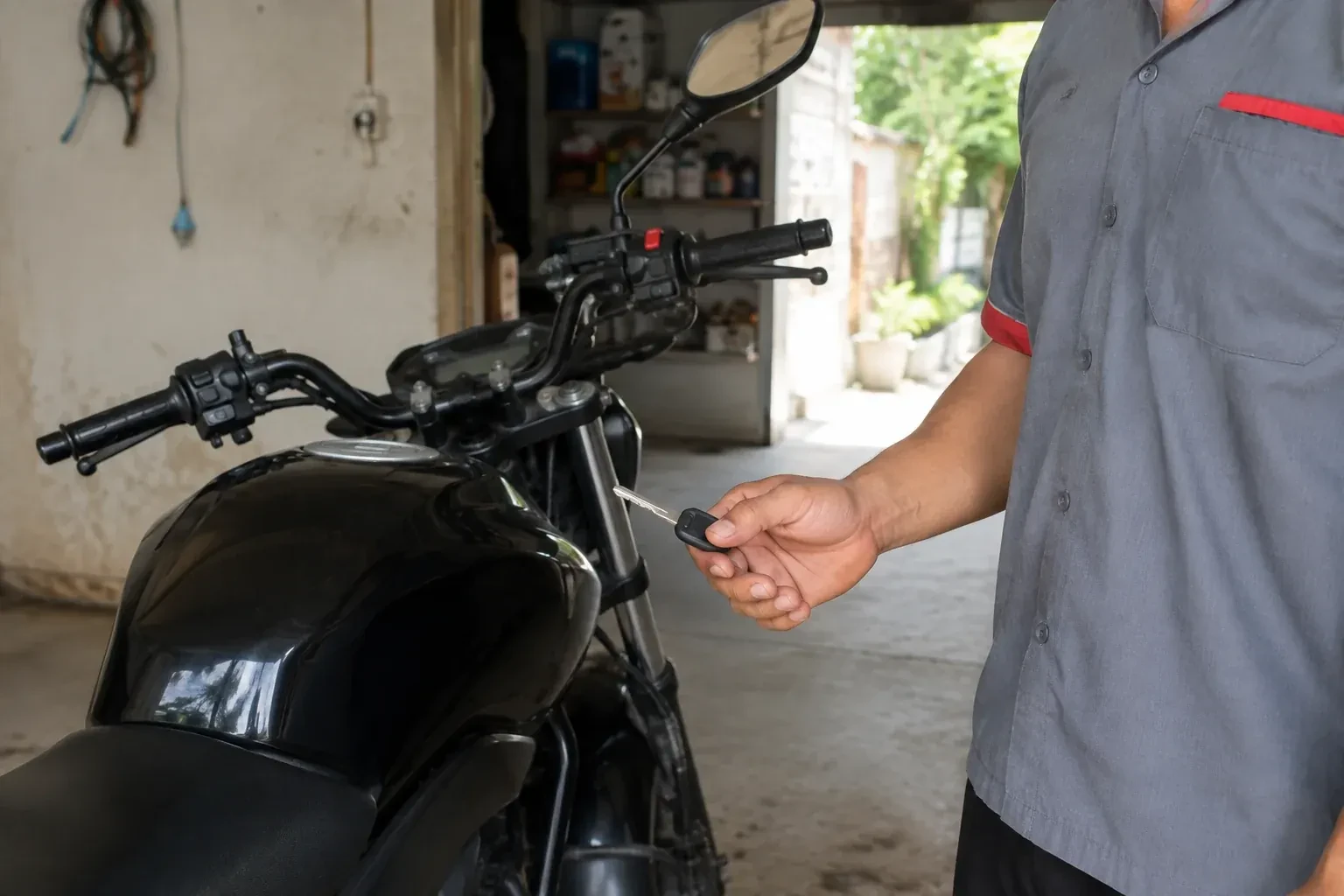
Two keys came with the scooter: one for the ignition and steering, an entirely different one for the seat and the storage compartment underneath it, so opening the seat means carrying twice the metal.
Restricted and patented key systems mean the blank for your key is not sold in shops. A copy can only be cut by an authorised locksmith against a signature, so the number of keys in existence stays known. That control is often worth more than the hardware.
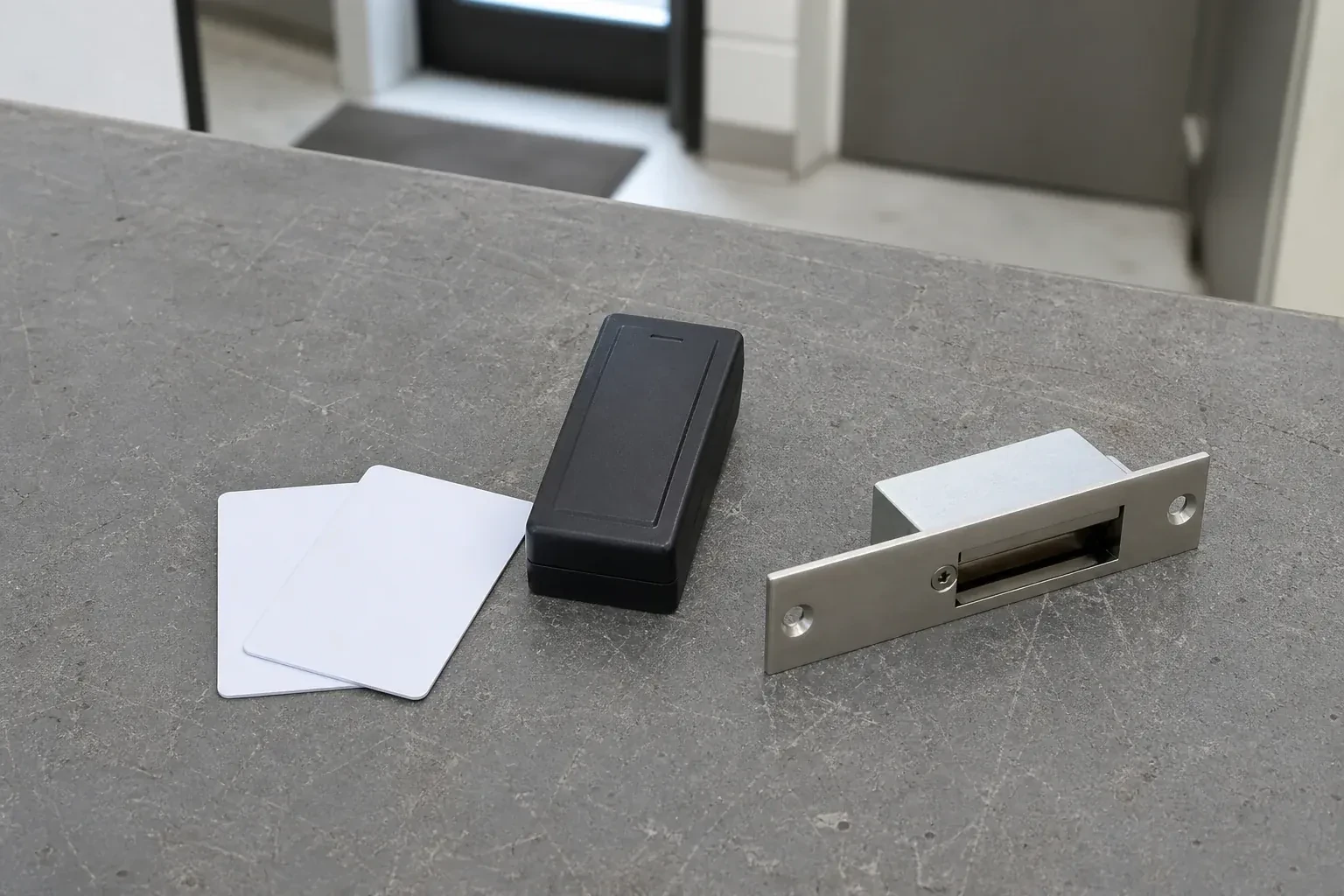
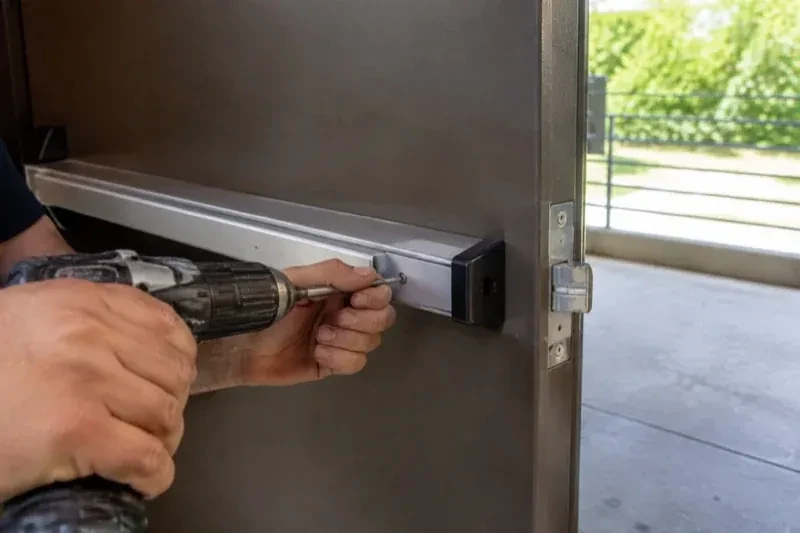
Businesses need locks that fit how the building is used: who opens up, who closes, who can reach the stockroom. Commercial services cover rekeying, master keys, heavy-duty hardware, exit devices and electronic access for shops, offices and warehouses.
WhyHeavy commercial doors move, and a good share of business lockouts are really door problems.
A software update reset the clinic's small safe overnight, and the receptionist's usual code now does nothing on a keypad that lights up but goes no further.
WhyA safe that arrives with no history at all, through an estate, an auction or a property changing hands, gets treated as an unknown until the locksmith reads it directly: the data plate, the lock type, the dial or keypad style, and any wear that hints at its age.
You jiggle the key a little and the old deadbolt opens even when the cut does not look quite right.
WhyWhere a building has more than one controlled door, a networked system lets each opening run its own schedule: the front office unlocked for regular hours, a stockroom open to two people only, a loading dock released for a delivery window, with the management software tying those schedules together.
Two doors used to swing as a pair at the community hall entrance, but one leaf has started closing before the other, catching the astragal and leaving a gap wide enough to worry the caretaker.
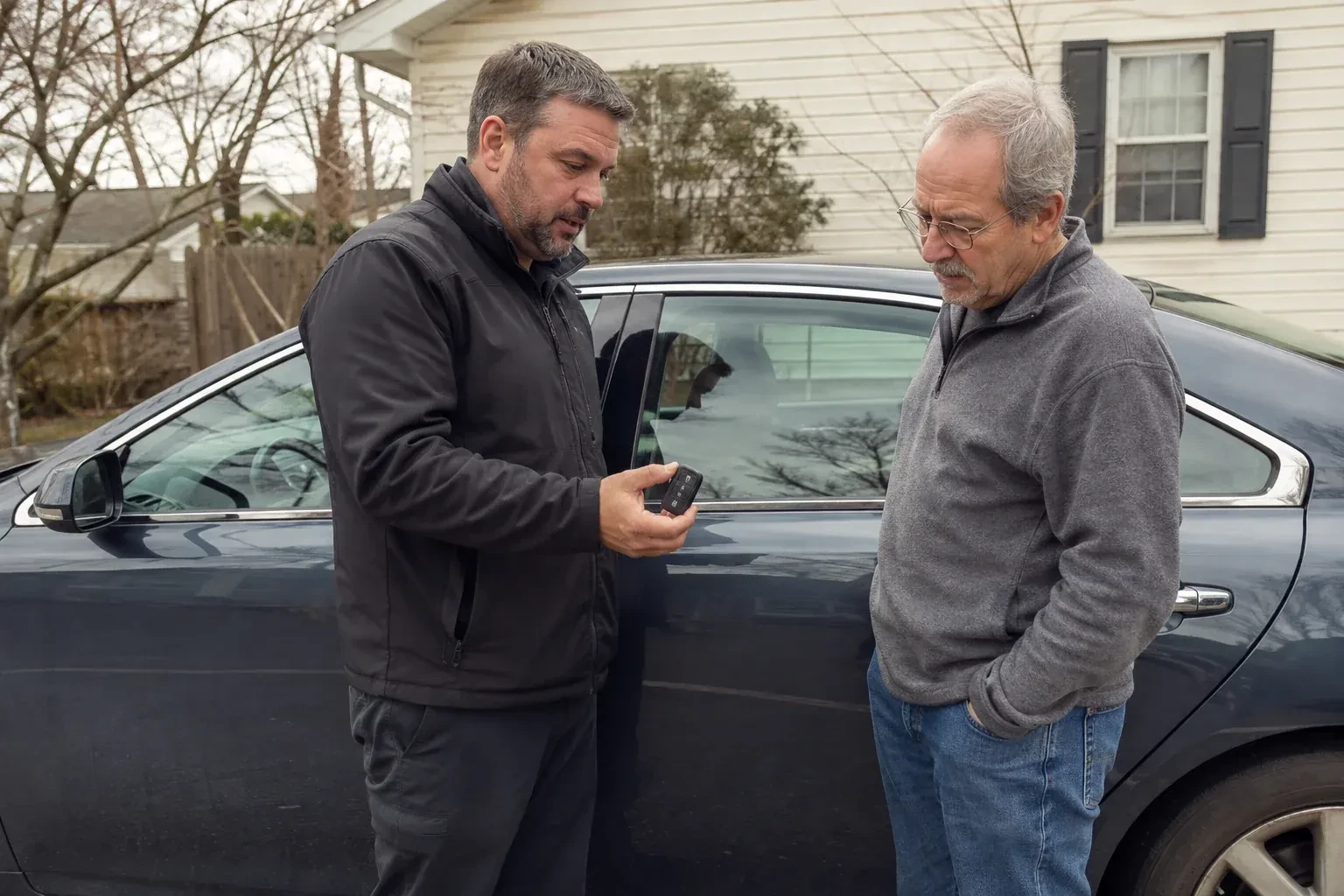
WhyVehicles have changed, and so have the ways of opening them.
Two keys came with the scooter: one for the ignition and steering, an entirely different one for the seat and the storage compartment underneath it, so opening the seat means carrying twice the metal.
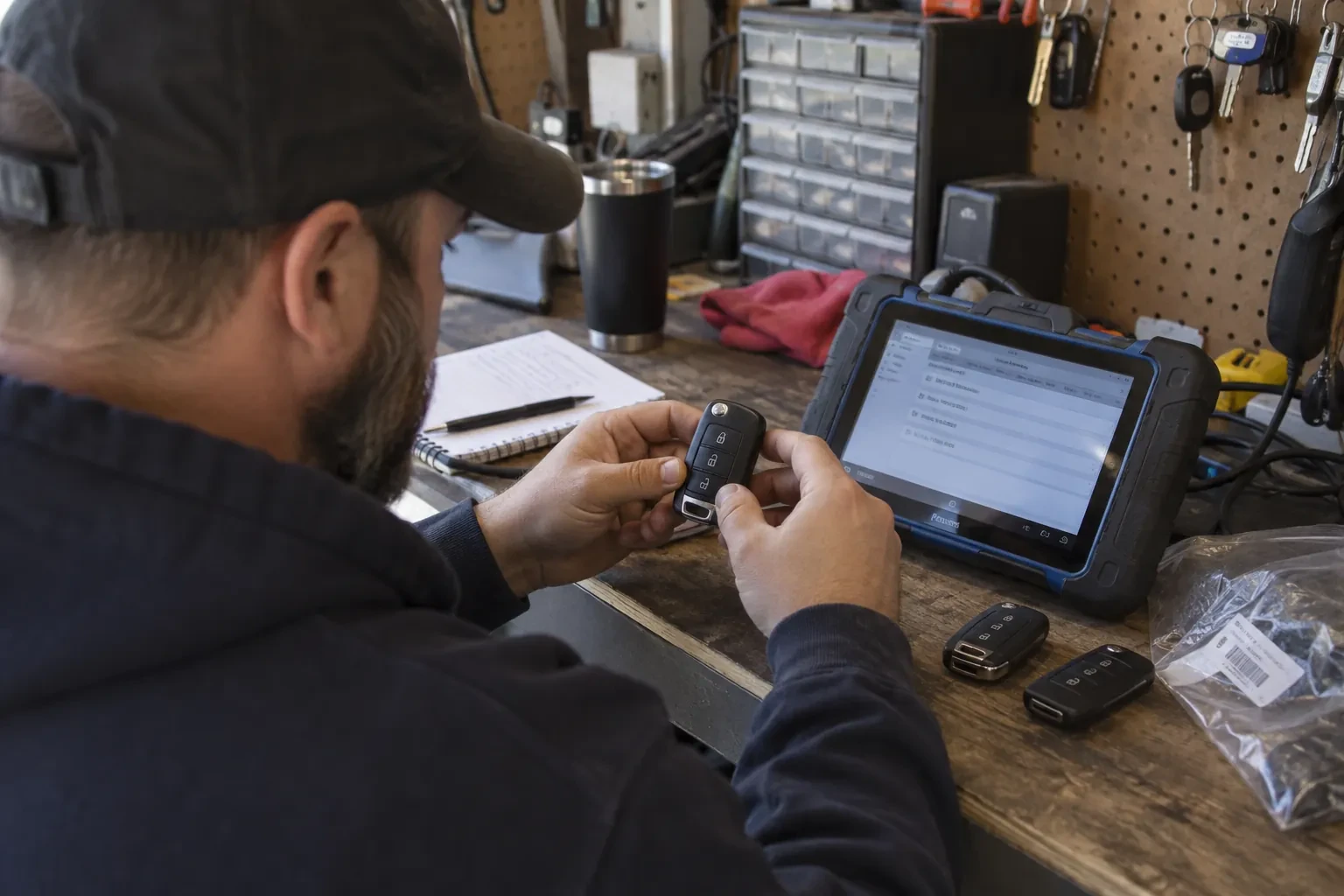
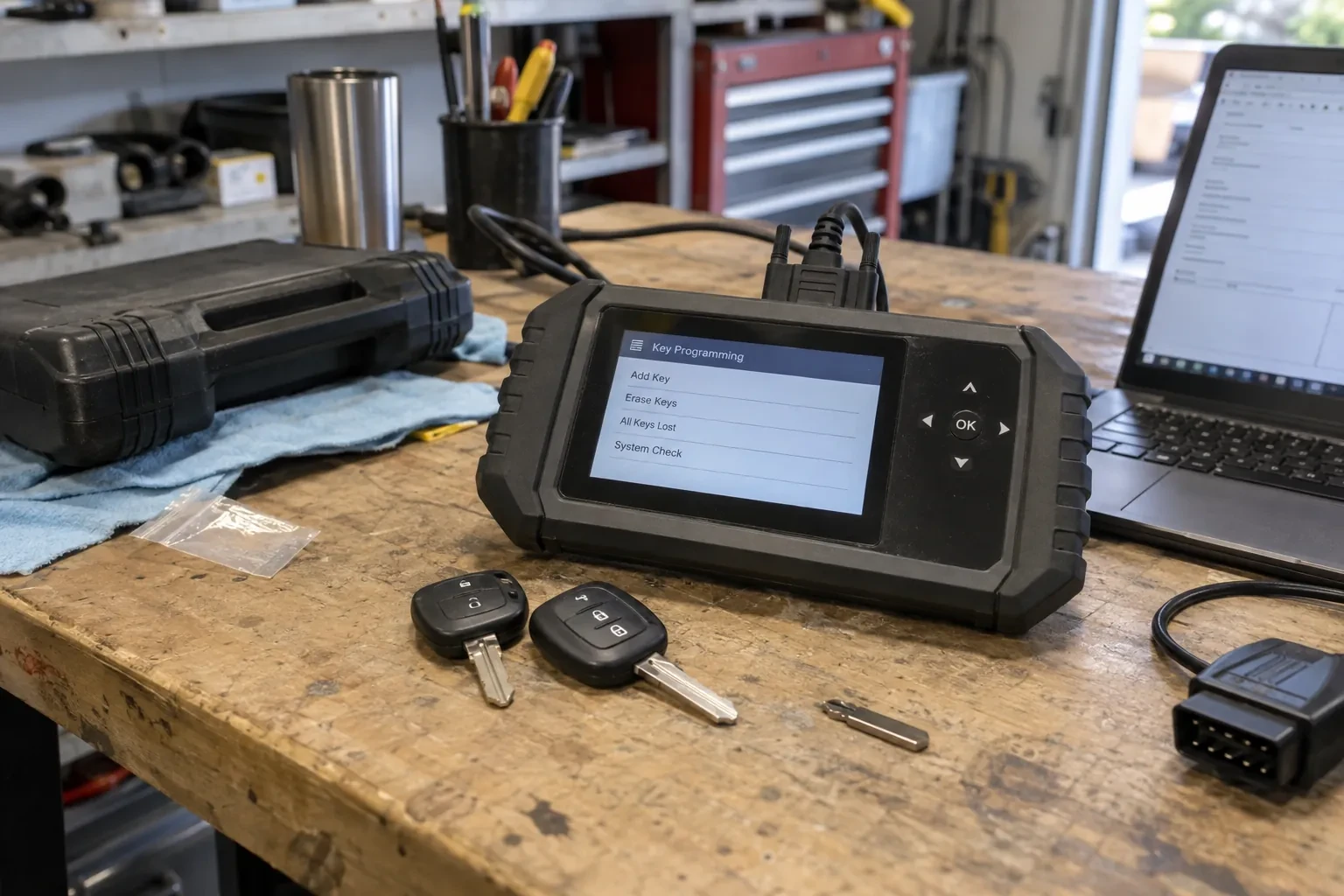
WhyNewer machines add an electronic layer to a mechanical lock: a chip inside the key carries a coded signal that the ignition module checks before letting the engine run, so a correctly shaped blade that lacks the right chip will turn the switch without starting anything.
How a visit goes
Describe the property, the hardware and what has changed, and the visit starts from what you have seen.
1
2
3
01
Listening to the door's history
Has it been forced, does it drag, who has had keys? Those answers tell us whether the frame, the cylinder or the key list needs attention first.
02
Reinforcing what takes the blow
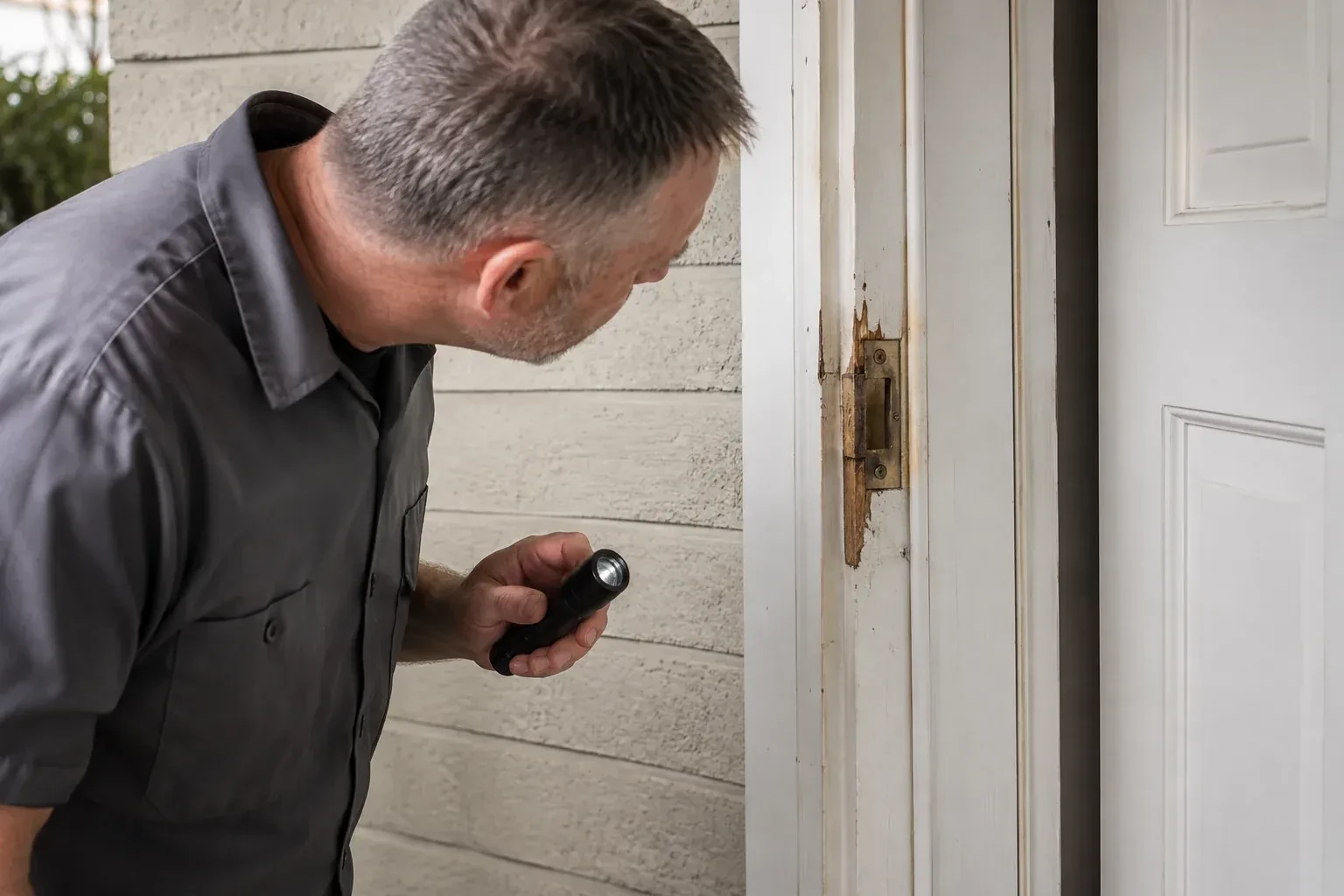
A box strike and three-inch screws into the studs, long hinge screws, and filled holes where the wood has split, before any cylinder is changed.
03
Testing every key in every lock
Doors open, doors closed, both sides, then a push on the locked door to feel for play. We finish by writing down what was fitted.
Can a frozen lock be opened, and how do I stop it freezing again?
Frozen cylinders open well with patience: lock de-icer or gentle warming melts the ice so the plug turns, and the cylinder is then dried and treated with a dry lubricant that sheds moisture. Hot water is avoided because it refreezes and can crack cold metal. To prevent a repeat, keep a storm door closed over the main lock, fit a keyhole cover on exposed side doors, and carry a small de-icer in your coat or car through the freeze-thaw months.
How long does a business lockout take?
It depends on the hardware and what else is wired to it. A standard storefront cylinder or office lever on a well-hung door is often a short job once authority is confirmed. A high-security cylinder, a frozen lock, a dropped door or a dead access controller adds time, and so does rekeying several doors afterwards. The locksmith gives you a realistic idea on the phone once you describe the door and the situation.
Can you open a safe used to store firearms?
Yes, the opening itself proceeds the same way as for any other safe. Afterward, for a business, it is worth confirming the storage arrangement still meets the applicable federal requirements for secure firearms storage, since those cover the container, the surrounding room and who has access, separately from whatever caused the lock to need attention.
What about the glass panel next to my front door?
A sidelight within reach of the inside thumb-turn is the weak point of an otherwise strong door, since a broken pane lets a hand reach the turn. Options include moving the deadbolt further from the glass, a lock function that needs a key inside as well, or a laminated pane. Because everyone must still be able to leave easily, the locksmith talks through the trade-offs and helps you pick the arrangement that suits your household.
How do you confirm I am allowed to have the locks changed?
For a business the locksmith looks for someone with standing: the owner, a director, or a manager who can show written authority from one of them. A lease, a business registration or a letter on company paper usually settles it, along with photo identification. Where doors belong to a landlord, the property manager's approval is asked for as well. This is a short step and it protects the business from having its own locks changed by the wrong person.
Can the system be expanded to more doors later?
Yes. A system installed with some spare capacity in its controller and power supply can usually take another door or two by adding a reader and lock and wiring it back in. A door far from the existing wiring can instead run its own standalone unit. Either way, existing schedules and credentials do not need to be rebuilt from scratch.
How is panic hardware different from fire exit hardware?
Panic hardware and fire exit hardware share the same push-to-release action, but fire exit hardware is additionally tested and listed for use on a fire-rated door assembly. That extra listing matters because a fire door has to keep an active latch bolt at all times; it cannot carry a mechanical dogging function the way ordinary panic hardware sometimes can, so the two are not interchangeable on a rated opening.
Is an older car easier or harder to open than a new one?
Different rather than easier. An older car usually has a cylinder in every door and simple linkages, so picking or decoding the lock is routine. A newer car may hide its cylinder, has doors full of electronics that call for wedge-and-reach rather than anything inside the door, and adds an immobiliser to any lost-key work. Either way the locksmith chooses the method by the model, not by guesswork.
Do you need the vehicle's VIN to make a key?
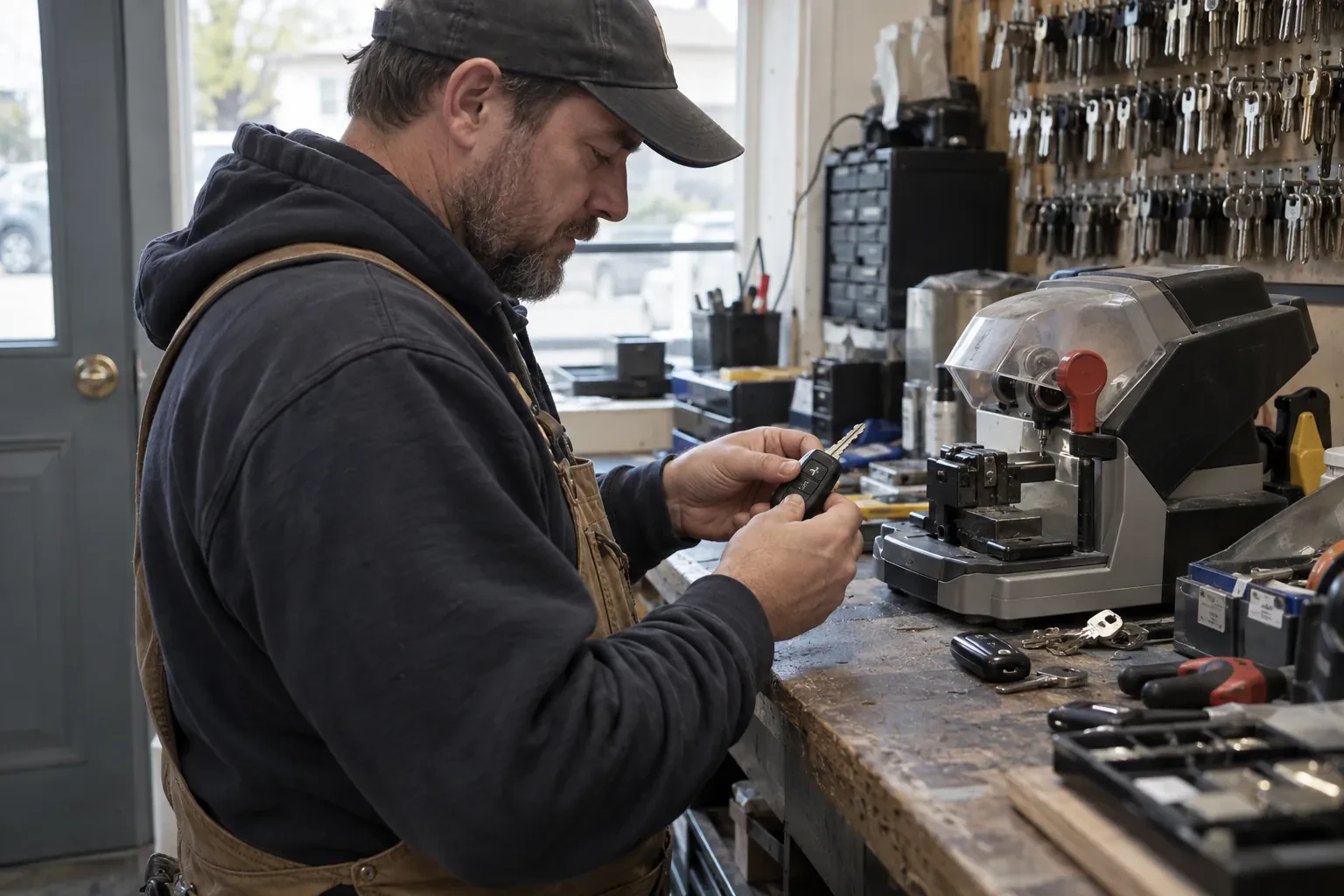
It helps but is not always required. The VIN can confirm the exact model and sometimes points to a factory key code on file, which speeds up cutting a key without reading the lock from scratch. Where the VIN is not available or does not lead anywhere useful, the locksmith works directly from the lock or an existing key instead, so a missing VIN slows the process rather than stopping it.
Request a visit
A visit to Glenridge ends with a walkthrough. The locksmith shows you how the new hardware works, which key does what, how to set a code or change a combination, and what small maintenance keeps everything turning. You should be able to use every part of the door without calling us back to ask how.