High security · Gilbertville
High Security Locks in Gilbertville
You run a home office with client files and equipment, and your insurer has asked what kind of lock is on the door.
In plain words
The service begins with a conversation about what the door protects and what worries you, then a close look at the door as a whole: the cylinder, the bolt, the strike, the frame, the hinges and any glass nearby. From that the locksmith recommends a level of protection that matches the risk, fits it, and sets up the key system in your name. From then on, extra keys are cut only when you authorise them, and you receive a record of which key opens which door. It is the mechanical answer to the question most people eventually ask: who else has a key to this?
How the visit goesA colleague showed you a video of a lock being opened with a bump key in a few seconds. Then you went home and noticed your own deadbolt is the same style, bought at a hardware store a decade ago.
High Security Locks
How the visit goes
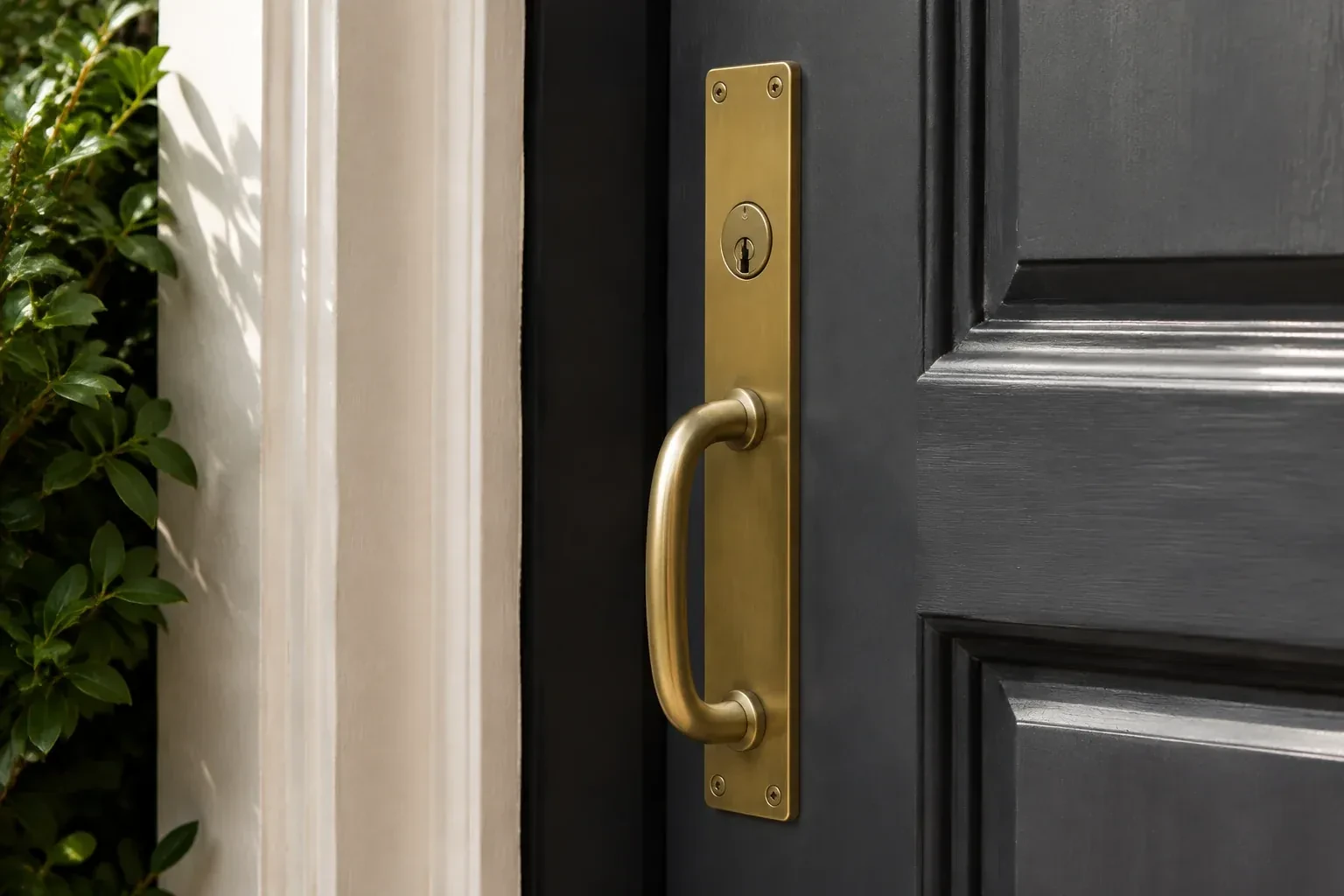
Door, hinges and what surrounds them
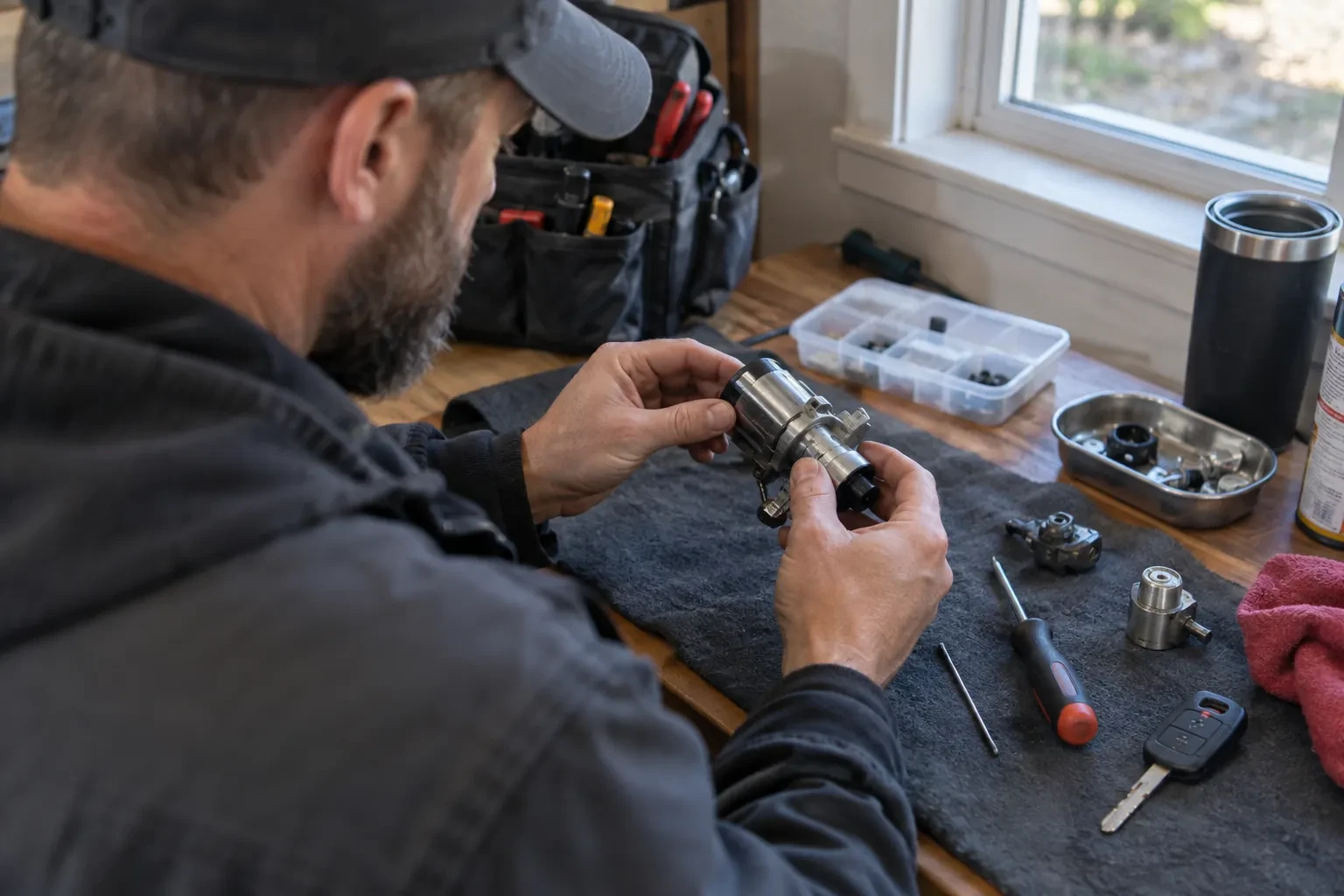
The door itself is inspected as part of the lock. Hollow-core doors, thin panels beside the lock, and hinge screws that barely bite into the frame all undo the value of a strong cylinder. The locksmith checks how the door hangs, whether it drags or needs a shoulder to close, and whether the hinges are on the secure side. Glass close to the lock is noted, because a hand through a broken sidelight can reach an inside thumb-turn. None of this rules out an upgrade; it shows which supporting pieces belong in the plan so the whole opening is brought up together.
Retiring the old keys and closing gaps
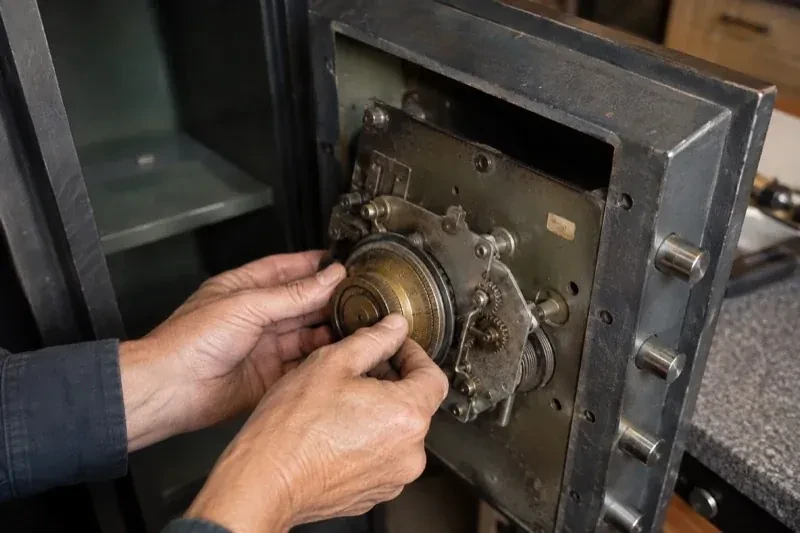
Part of the visit is making the old keys meaningless. Once the new cylinders are in, every previous key is tried to confirm it no longer operates anything, and any remaining door on the old keyway is either upgraded or at least rekeyed so an unknown copy has nowhere to go. The locksmith also closes small gaps found during the assessment: replacing hinge screws with long ones, adjusting a closer, adding a cylinder guard, or moving a thumb-turn away from glass. The door leaves the visit as one coherent assembly rather than one strong part among weak ones.
Proof for insurers, landlords and tenants
You leave with a written record of what was fitted: the cylinder type and its rating, the deadbolt grade, the strike and screws installed, and the key system registration. Insurers sometimes ask for this when a policy specifies stronger hardware, landlords keep it in the property file, and tenants have something to hand back at move-out. It also helps the next locksmith, who can see at a glance what keyway and format the doors carry. Keep the invoice and the key control documents together; they are the paperwork side of a physical upgrade.
High Security Locks
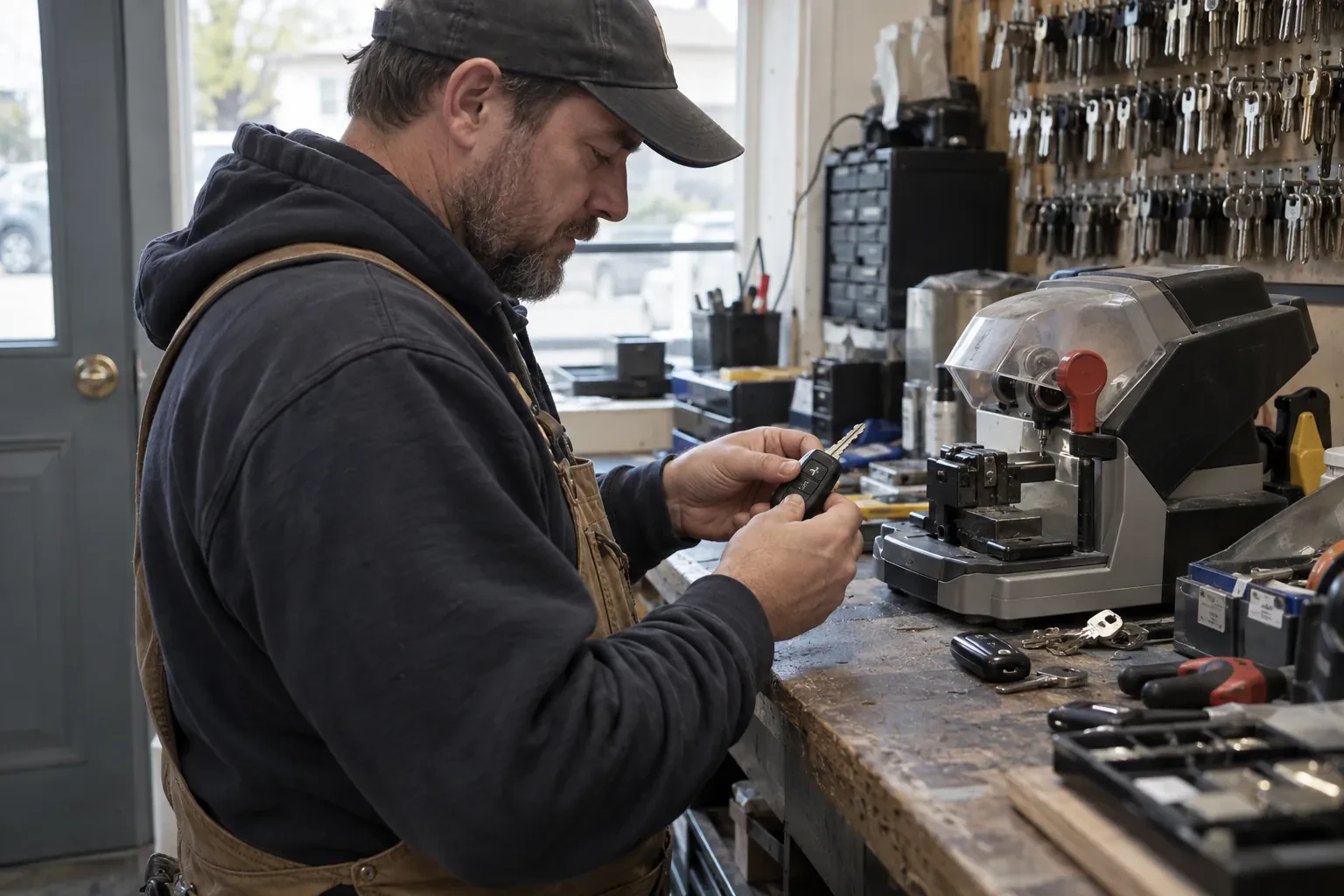
In the van
Box strike
Wrap-around door reinforcer
Graded deadbolt with hardened bolt
Hardened cylinder guard ring
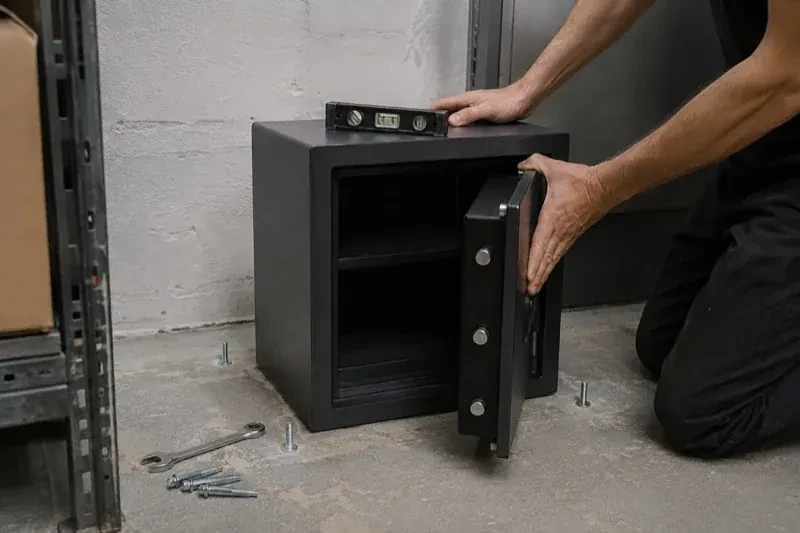
Three-inch strike and hinge screws
High Security Locks
What affects the quote
Distance and access
A rural property, a high-rise with loading dock rules or a site that must be visited outside trading hours affects travel and scheduling, and the quote says so plainly.
Cylinder rating and format
A patented residential cylinder, a laboratory-rated commercial cylinder and an interchangeable core sit at different points on the scale, and the format that fits your present hardware decides which lines are available.
Exit devices and closers on the same door
Where a commercial door carries a push bar or closer, the new lock must work with them, and adjusting or replacing that hardware is part of the same visit.
What to have ready
- How many keys exist today, and are you confident of that number?
- Does the door drag, stick in cold weather or need lifting to lock?
- Is the door wood, steel-clad, fibreglass or aluminium with glass?
High Security Locks: questions
QuestionsWhat actually makes a lock high security?
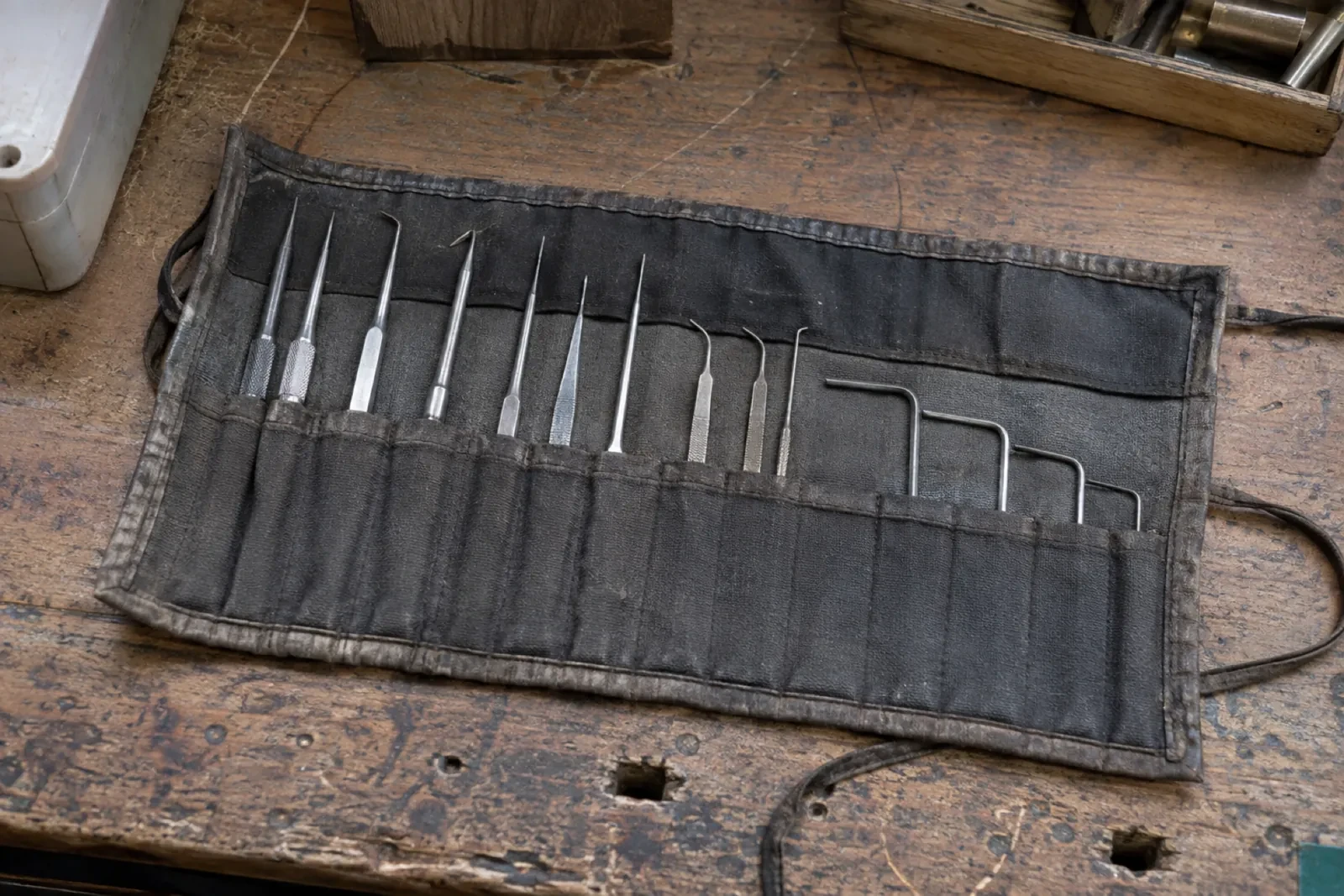
Three things working together. The cylinder has a second locking mechanism, usually a sidebar released by finger pins or rotating pins, plus hardened steel in the path of a drill, so picking, bumping and drilling take far longer than on an ordinary lock. The deadbolt and strike are heavier and fastened into the framing. And the key is cut on a patented or restricted blank that only an authorised person can have copied. Remove any one and the door is weaker than the label suggests.
What about the glass panel next to my front door?
A sidelight within reach of the inside thumb-turn is the weak point of an otherwise strong door, since a broken pane lets a hand reach the turn. Options include moving the deadbolt further from the glass, a lock function that needs a key inside as well, or a laminated pane. Because everyone must still be able to leave easily, the locksmith talks through the trade-offs and helps you pick the arrangement that suits your household.
Why does the locksmith care so much about the strike plate?
Because that is where a kicked door fails. The bolt is strong, but it sits in a pocket in the jamb held by a thin plate and short screws, and a boot splits the wood around it. A reinforced strike or box strike fastened with three-inch screws into the wall framing spreads the blow along the frame. It is the least visible part of the upgrade and often the one that does the most.