Change or rekey · Gilbertville
Vintage Mortise Lock Service in Gilbertville
The old skeleton key still fits the keyhole, but it now needs a jiggle, a lean on the door and a little luck before the bolt moves.
In plain words
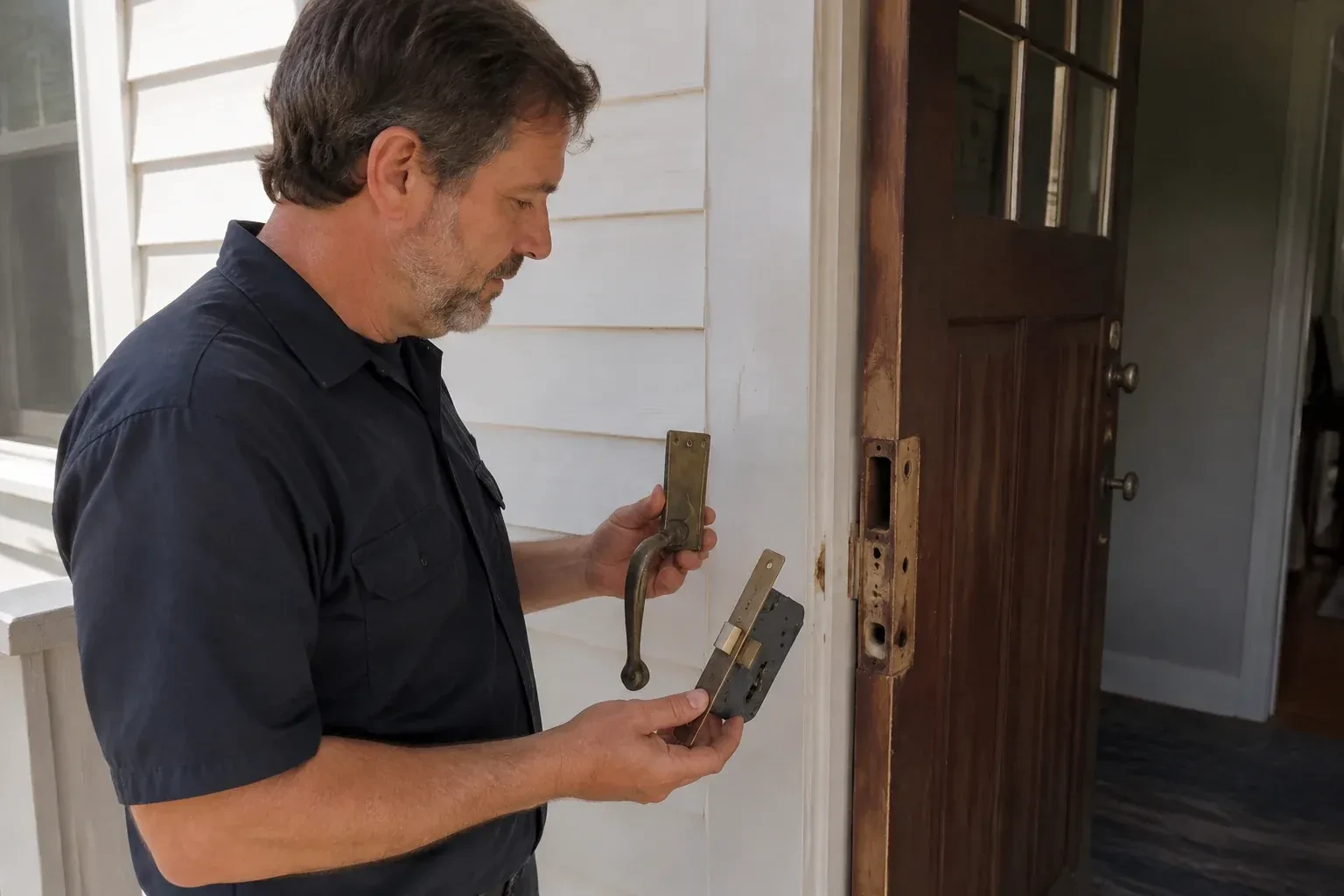
Servicing the original lock is usually the better choice for an older home, for practical reasons as much as sentimental ones. Cutting a period door for a modern cylindrical lockset means boring a large hole through the stile and leaves the old mortise to be filled; a repaired mortise case avoids all of that. Where the home is a designated heritage property, keeping the hardware may also be what the municipality expects. The service treats the door as something to preserve: minimal disturbance, parts matched to the original, a strike adjusted rather than replaced, and the old lock left running smoothly for decades to come.
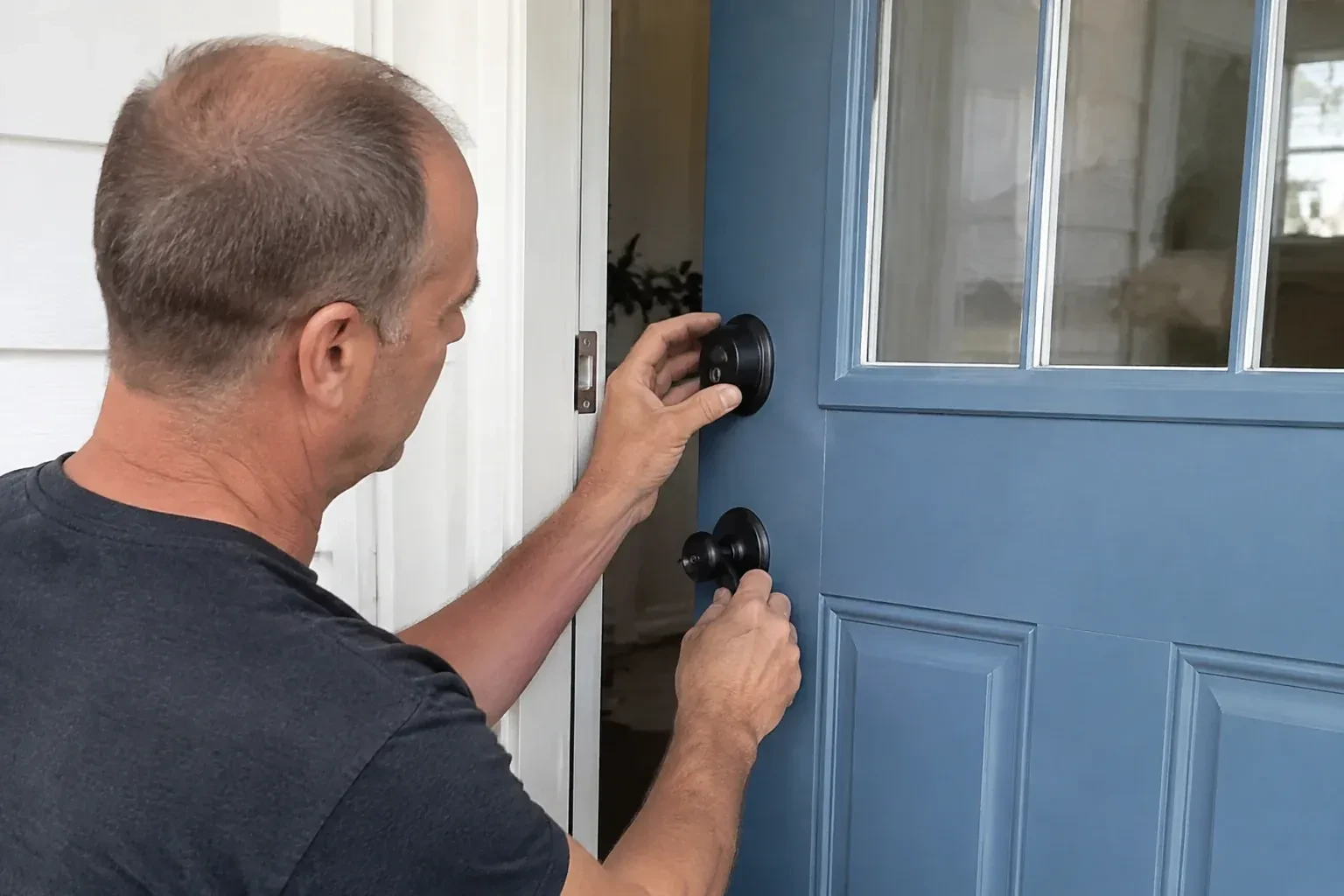
How the visit goesThe old skeleton key still fits the keyhole, but it now needs a jiggle, a lean on the door and a little luck before the bolt moves. Last week it took three tries. You have one key and no idea where a second could come from.
Vintage Mortise Lock Service
How the visit goes
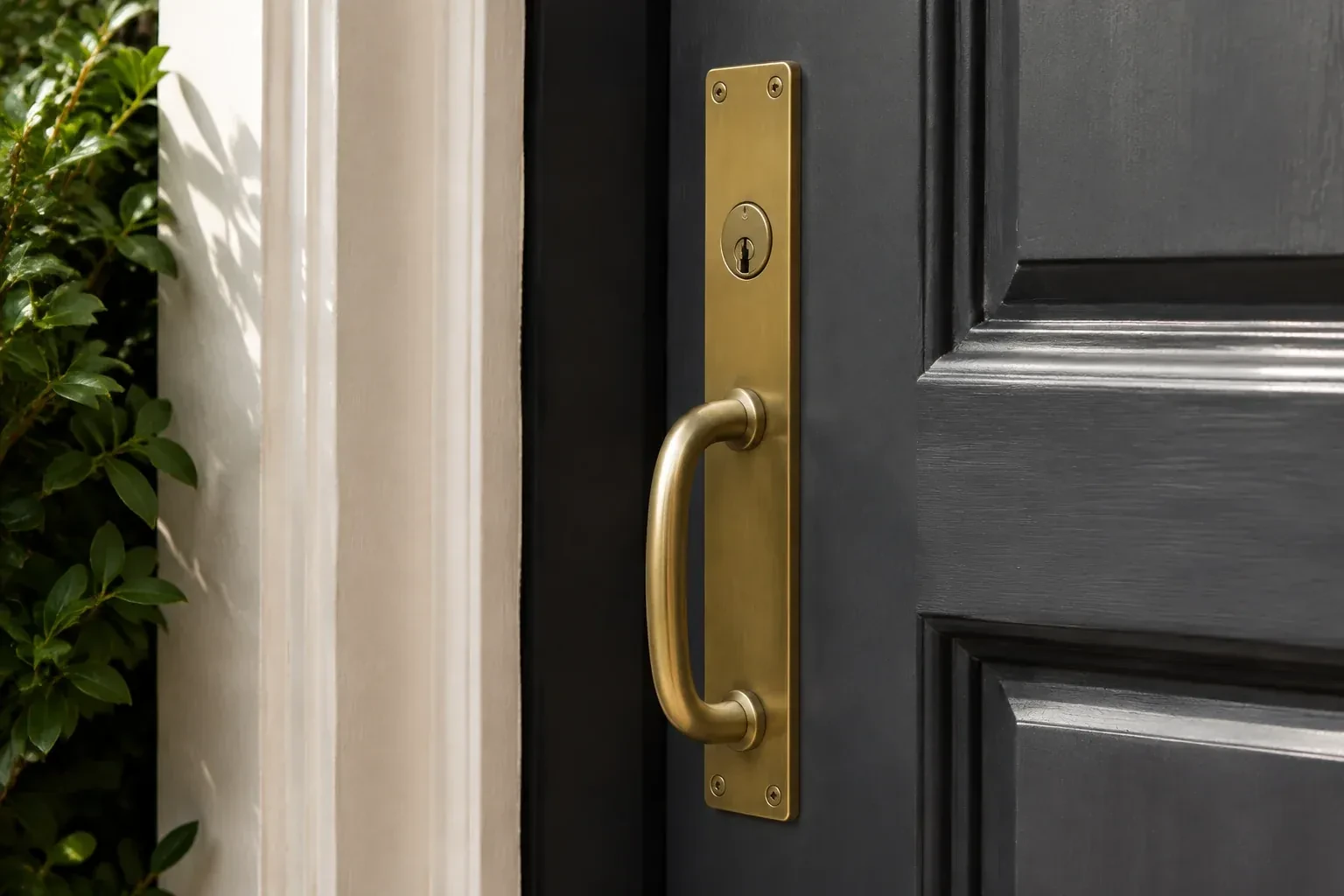
Condition of the wood around the pocket
The mortise pocket and the screw holes in the door edge carry the whole lock, so their state is part of the assessment. The locksmith probes the faceplate screws for grip, looks for cracks running from the pocket into the stile, and checks whether an earlier repair enlarged the pocket or packed it with something soft. Stripped holes, a split edge or a case that shifts when the knob is turned change the plan: dowelling and re-drilling, a hardwood filler, or longer screws may be needed before the rebuilt case can be trusted. Finding this now avoids surprises once the lock is back in the door.
Springs, levers and followers
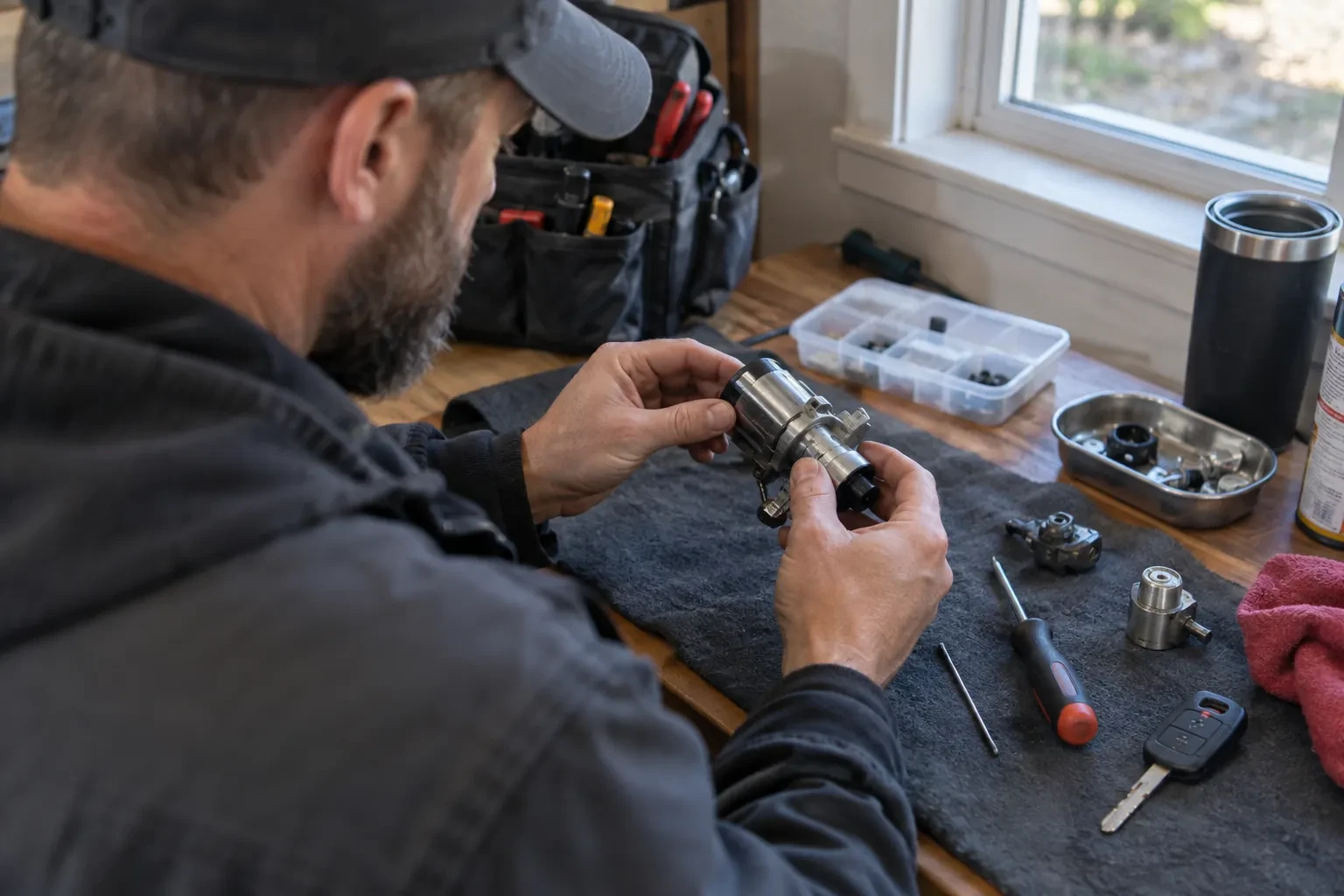
Springs are the usual culprits and the easiest fix. Broken coil and flat springs are matched from stock by length, wire gauge and shape, and fitted so the latch snaps out and the knob returns to level. A worn or cracked lever is matched from a donor case where one exists; where it does not, a replacement is filed from stock to the original's profile, which is slow, careful bench work rather than magic. A rounded hub is replaced or bushed. When every part moves as it should, the case is closed and cycled by hand with the cover on until the action is smooth and even in both directions.
A lock that feels new and looks old
What you get back is the door you had, with the lock working as it was designed to. The knob returns level with a snap, the latch catches when the door is pushed shut, the deadbolt throws with a light turn of the key or the thumb-turn, and the key goes in and out without a wiggle. Nothing on the face of the door has changed except that the brass has been cleaned where it was handled. The locksmith runs through each function with you from both sides before leaving, so the standard of what has been done is something you have seen, not something you have been told.
Vintage Mortise Lock Service
In the van
Bit key blanks
Dry graphite or PTFE lubricant
Warding files
Reproduction mortise case
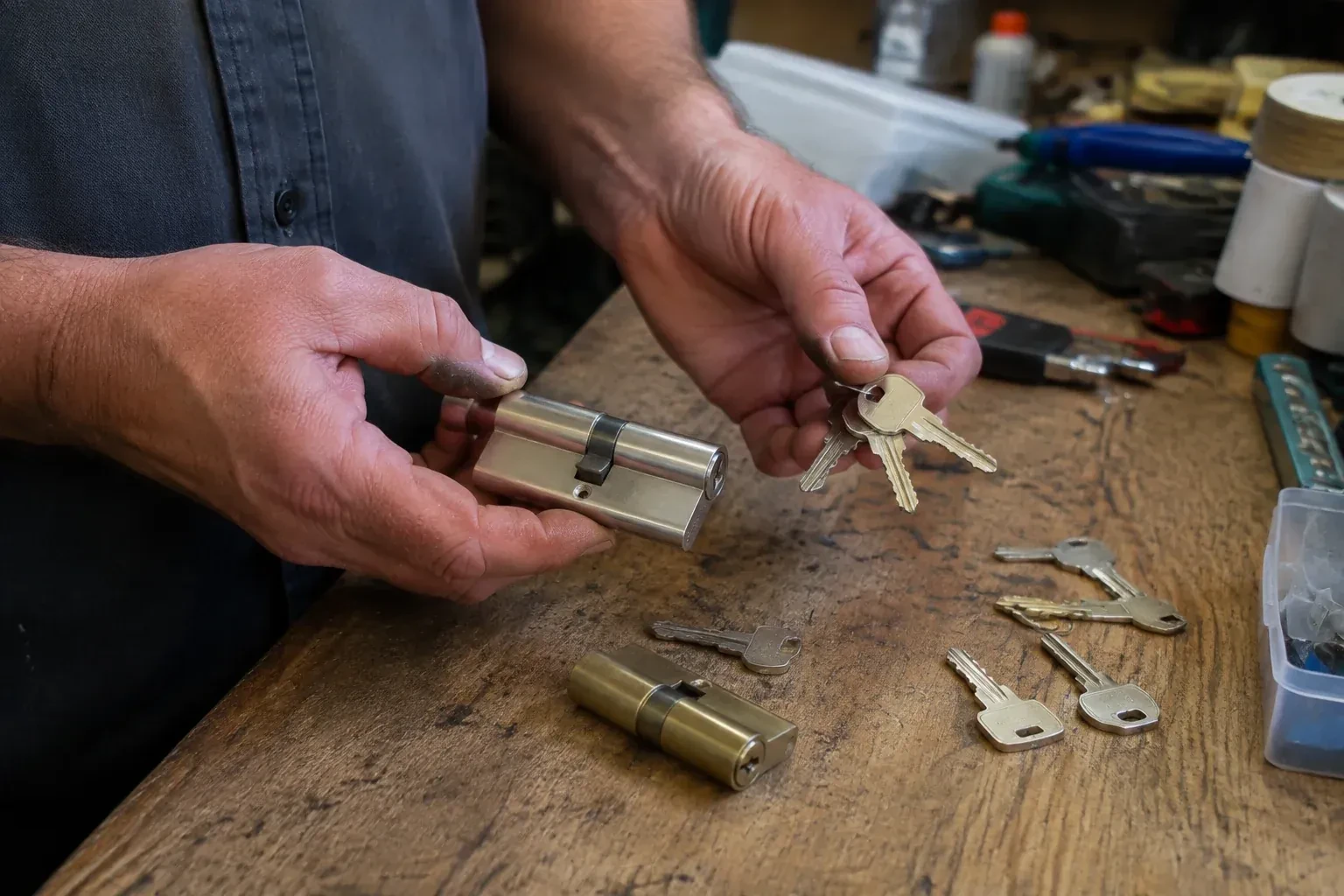
Mortise cylinder and cam
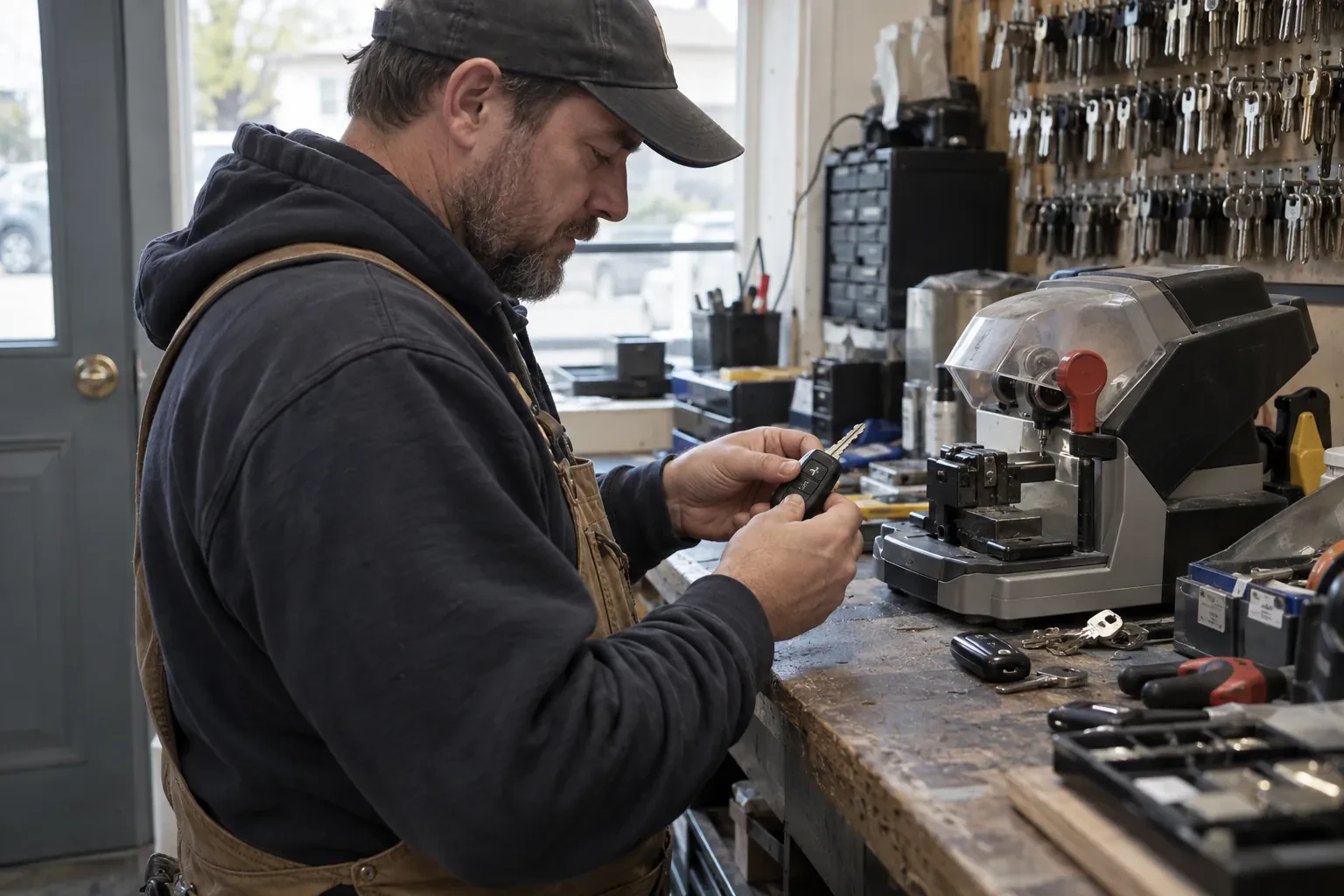
Vintage Mortise Lock Service
What affects the quote
Condition of the wood
Stripped screw holes, a loosened pocket or a split at the door edge need dowelling, shimming or gluing before the case can be trusted. That woodwork is quoted once the locksmith has seen the pocket empty.
Parts that must be ordered
A reproduction case or an unusual cylinder size may have to be ordered to measurement, which means a second visit to fit it. The quote separates the first visit from the return.
Replacement cylinder
When a pin-tumbler cylinder is past rekeying, a new mortise cylinder of the right thread and cam is fitted. A standard cylinder and a high-security one are different hardware and are quoted as such.
What to have ready
- Is the trouble worse with the door closed than with it open?
- Can you send a photo of the plate in the door edge and one of the keyhole?
- How many doors need attention, and are any of them interior doors?
Vintage Mortise Lock Service: questions
QuestionsCan you make a key for a lock that has none?
Yes. A bit key is cut to the lock rather than copied from another key: the locksmith chooses a blank of the right size and files the bit until it clears the wards and lifts the levers inside your case, testing as they go. A pin-tumbler cylinder on a later lock is decoded or rekeyed and keys cut to it. Bring any loose keys that came with the house, since one may be close enough to serve as a starting pattern.
How should I look after the lock once it is serviced?
A drop of the right lock oil into the latch and bolt once a year is plenty. If the lock has a pin-tumbler cylinder, use whatever lubricant that cylinder's maker specifies, since some take a dry graphite or PTFE product and others a specified liquid one. Try the latch and deadbolt each spring and fall; if the bolt starts to scrape, the strike wants a small adjustment before anything is strained. Keep bit keys out of a pocket where they bend.
Can the work be done with the lock left in the door?
Rarely, and it is not the better route. Almost everything that fails is inside the case, and the case only opens once it is out of the pocket, which takes a few minutes and leaves no mark. Working through the keyhole with an unapproved or over-applied spray tends to wash out what little lubricant should stay and gums the levers later. Removing the case, cleaning it properly and refitting it is the repair that lasts.