High security · Glenridge
High Security Locks in Glenridge
You run a home office with client files and equipment, and your insurer has asked what kind of lock is on the door.
In plain words
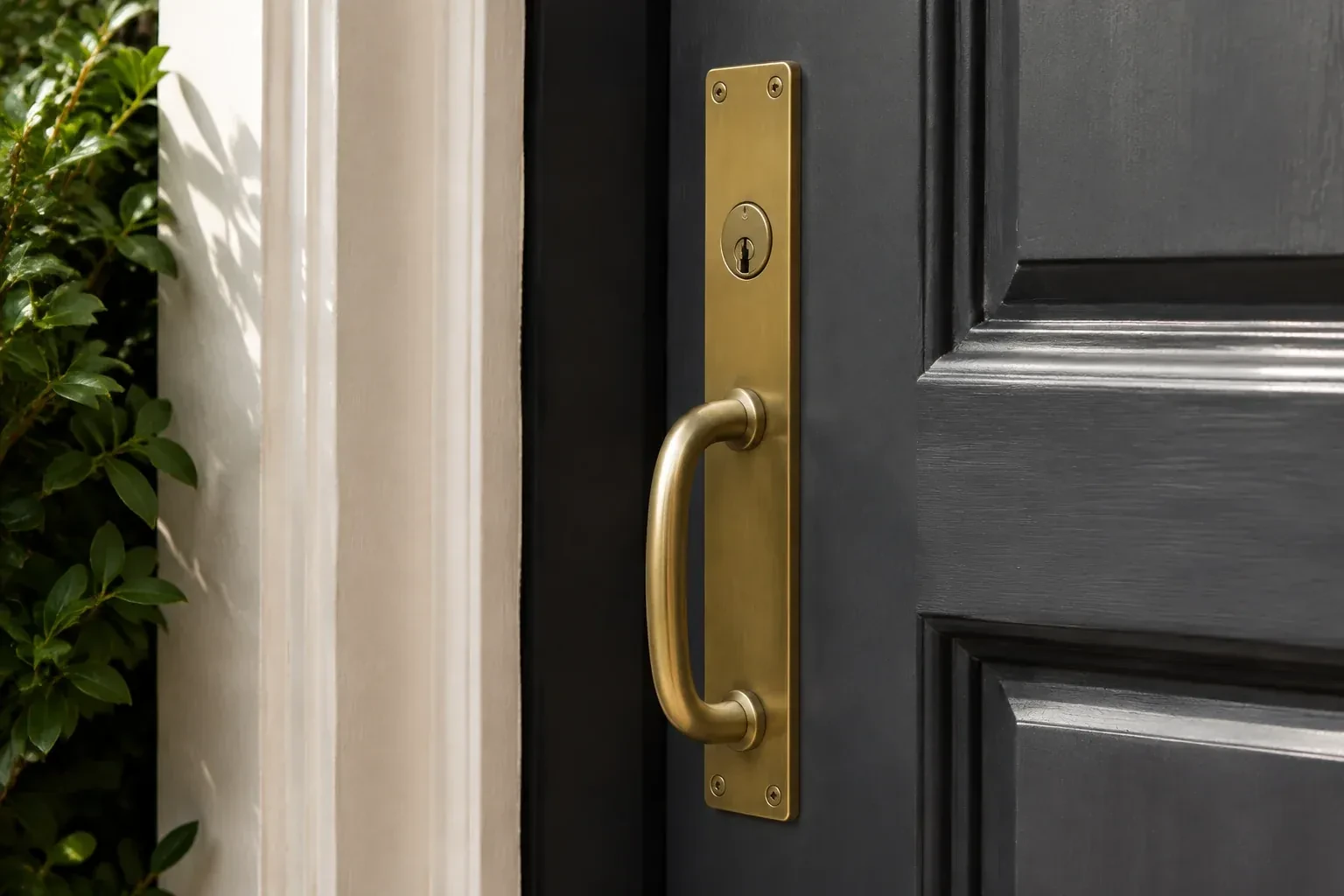
Think of the upgrade as four layers working together. The cylinder resists picking, bumping and drilling. The deadbolt resists sawing and kicking with a long, hardened bolt. The strike and screws keep the frame from splitting when the door is struck. And the key control stops copies being made without your say-so. A locksmith assesses your door for each layer and tells you where it is weak, because a strong cylinder screwed into a soft frame gains you little. Most homes end up with a graded deadbolt and a patented cylinder; businesses often step up to laboratory-rated cylinders and heavier lock bodies.
How the visit goesYou jiggle the key a little and the old deadbolt opens even when the cut does not look quite right. If your worn key can do that, you wonder what a stranger with the right tools could do.
High Security Locks
How the visit goes
Who holds keys and who should
For a business or a rental, the locksmith asks to see the key list, or helps you start one. Which keys exist, who carries them, which doors they open, and what happens when someone leaves. This is where the case for a patented or restricted key system becomes clear, because the system replaces guesswork with a register: every key numbered, every order authorised by a named person, and no blanks available outside the locksmith who manages it. The locksmith also asks how many people need to reach each area so the keying plan reflects the way the building actually runs.
Upgrading the cylinder in place
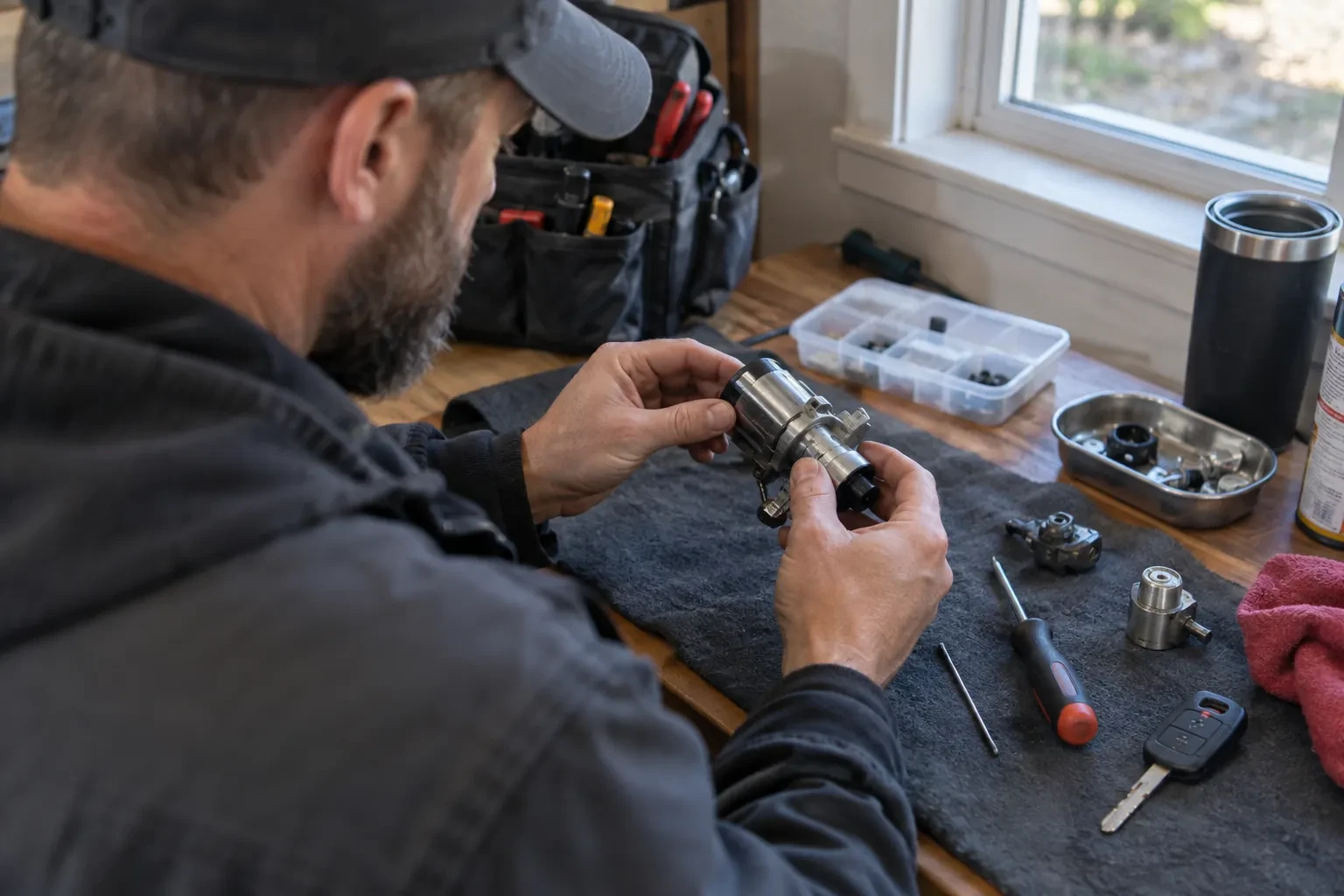
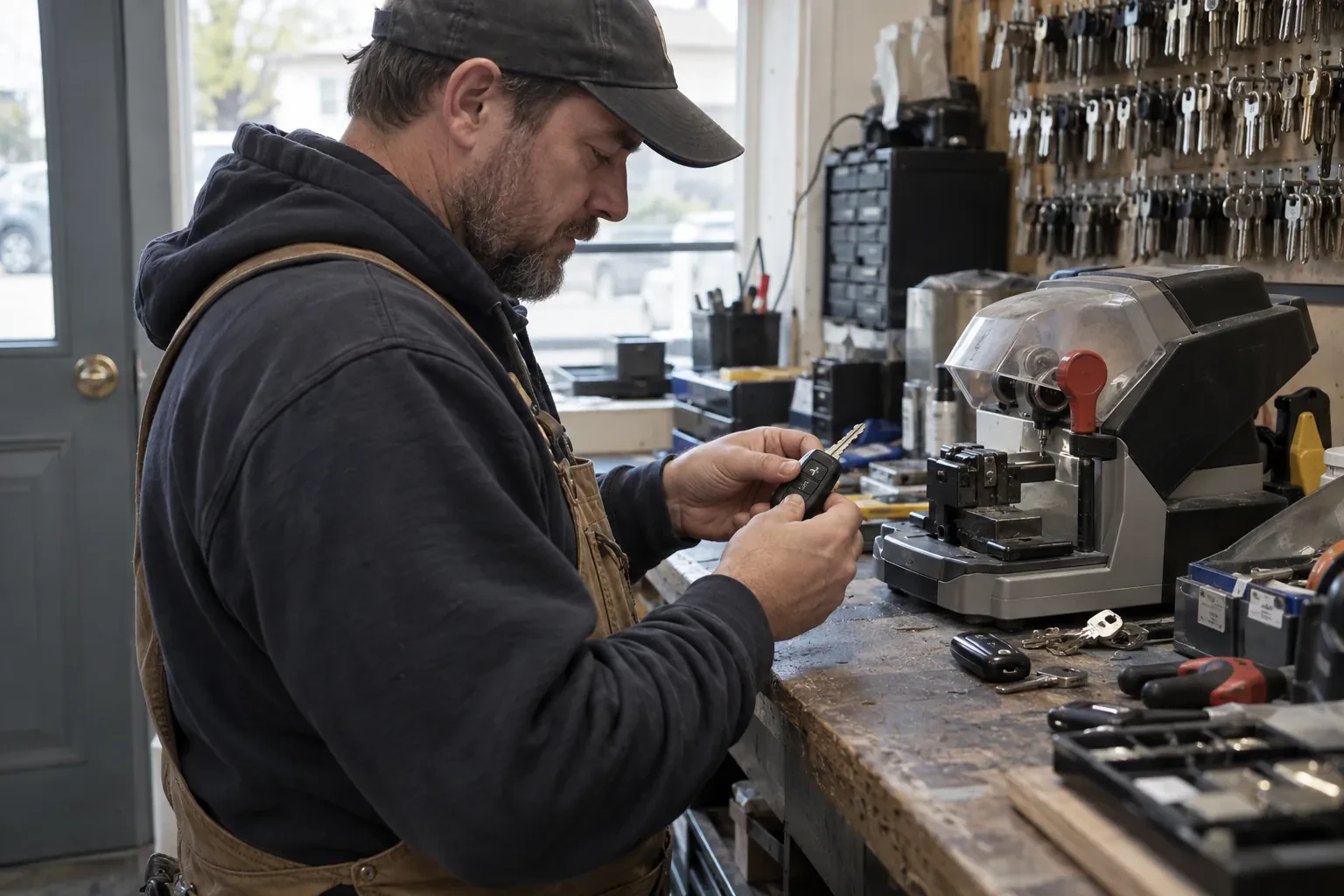
Where the existing lock body is sound, the locksmith removes the ordinary cylinder and fits a high-security one of the same format, so your deadbolt or lever stays and only the working heart changes. The new cylinder brings a sidebar released by finger or rotating pins, hardened steel inserts in the path of a drill, and a keyway that accepts only the controlled blank. Keys are cut from code on a machine that handles the side bitting. The tailpiece or cam is matched so the bolt throws fully, then the cylinder is fixed with its set screw and tested with every key.
A key plan that survives staff changes
For a business, the handover includes a key schedule showing every cylinder, every key number and who holds it. When someone leaves, their key comes back and is struck off; if it does not come back, you know exactly which doors it opened and can decide whether one cylinder or several should be repinned. Because the keyway is restricted, a departed employee cannot quietly keep a copy. New hires are issued a numbered key against a signature. The plan lives in a folder or spreadsheet, and the locksmith keeps a matching record so the two can be reconciled whenever you like.
High Security Locks
In the van
Box strike
Wrap-around door reinforcer
Graded deadbolt with hardened bolt
Hardened cylinder guard ring
Three-inch strike and hinge screws
High Security Locks
What affects the quote
Glass near the lock
Sidelights or glazed panels beside the deadbolt may call for a different function or extra hardware to keep the inside turn out of reach, always keeping easy exit in view.
Hinge and door edge work
Long hinge screws, a hinge-side security stud or repair to a chewed door edge are small items that add up on a door that has been forced before.
Cylinder only or full deadbolt
Swapping the cylinder inside a sound deadbolt is a smaller job than fitting a new graded deadbolt through the door, and a knob-only door that needs a fresh bore is bigger again.
What to have ready
- How many exterior doors do you want included?
- Has the door ever been forced, or has a key been lost or not returned?
- Does the door drag, stick in cold weather or need lifting to lock?
High Security Locks: questions
QuestionsWhat actually makes a lock high security?
Three things working together. The cylinder has a second locking mechanism, usually a sidebar released by finger pins or rotating pins, plus hardened steel in the path of a drill, so picking, bumping and drilling take far longer than on an ordinary lock. The deadbolt and strike are heavier and fastened into the framing. And the key is cut on a patented or restricted blank that only an authorised person can have copied. Remove any one and the door is weaker than the label suggests.
What about the glass panel next to my front door?
A sidelight within reach of the inside thumb-turn is the weak point of an otherwise strong door, since a broken pane lets a hand reach the turn. Options include moving the deadbolt further from the glass, a lock function that needs a key inside as well, or a laminated pane. Because everyone must still be able to leave easily, the locksmith talks through the trade-offs and helps you pick the arrangement that suits your household.
Why does the locksmith care so much about the strike plate?
Because that is where a kicked door fails. The bolt is strong, but it sits in a pocket in the jamb held by a thin plate and short screws, and a boot splits the wood around it. A reinforced strike or box strike fastened with three-inch screws into the wall framing spreads the blow along the frame. It is the least visible part of the upgrade and often the one that does the most.