Change or rekey · Norfolk County
Lock Rekeying
The whole key ring went missing somewhere between the grocery store and the bus.
In plain words
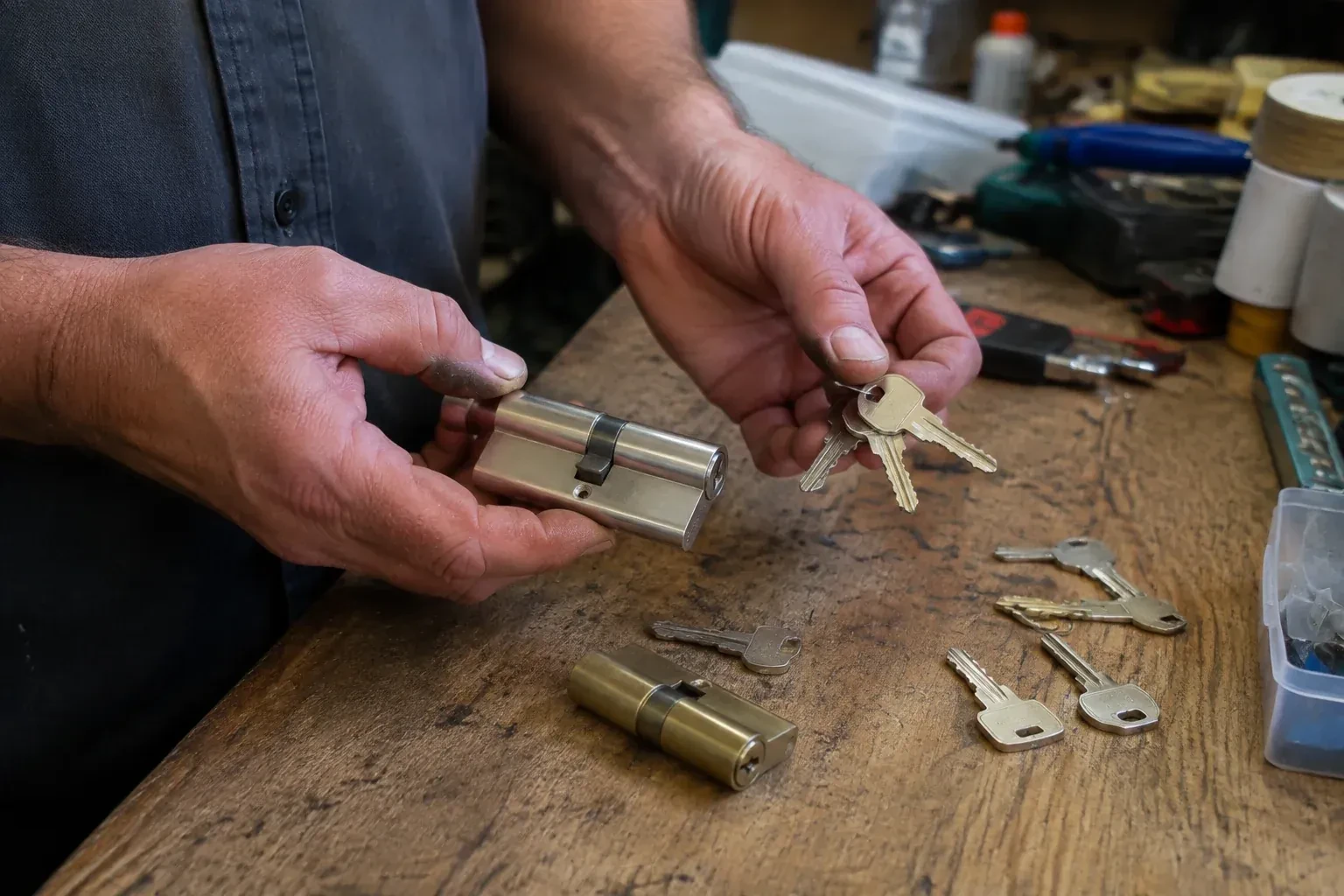
A rekeying visit follows a straightforward order. First the locksmith confirms you are entitled to change the locks, which for an owner is identification and for a tenant includes the landlord's agreement. Next comes a walk around the house to list every door to include, read the keyway on each cylinder and check its condition. The cylinders come out one at a time, are pinned to the new key and go back in. Every door is then tested with the new key and with the old one, spares are cut and tried in each lock, and you receive a note of what was done.
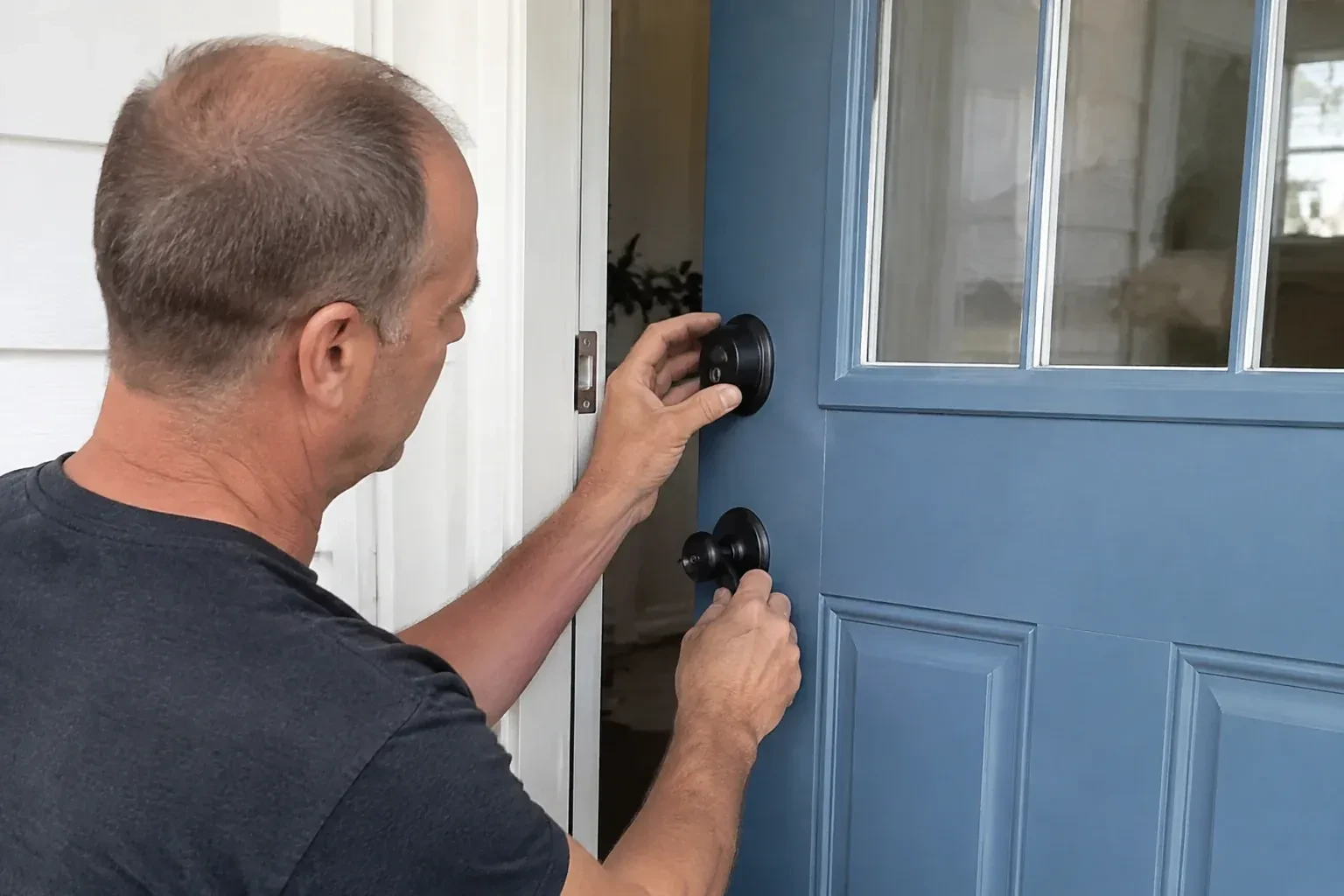
How the visit goesYour basement tenant has given notice, and a new one arrives on the first. The lock on the separate entrance works perfectly well. You simply want a fresh key for the incoming tenant and for the old one to be retired.
Inside the lock
What a rekey changes
01
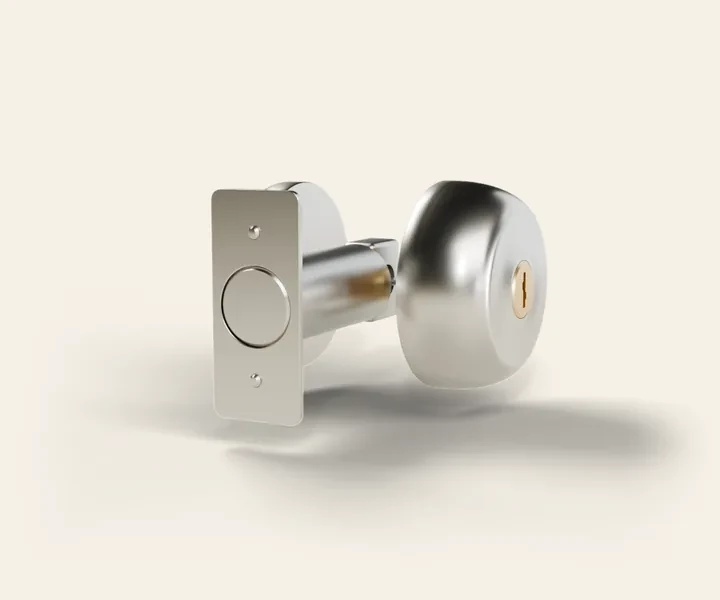
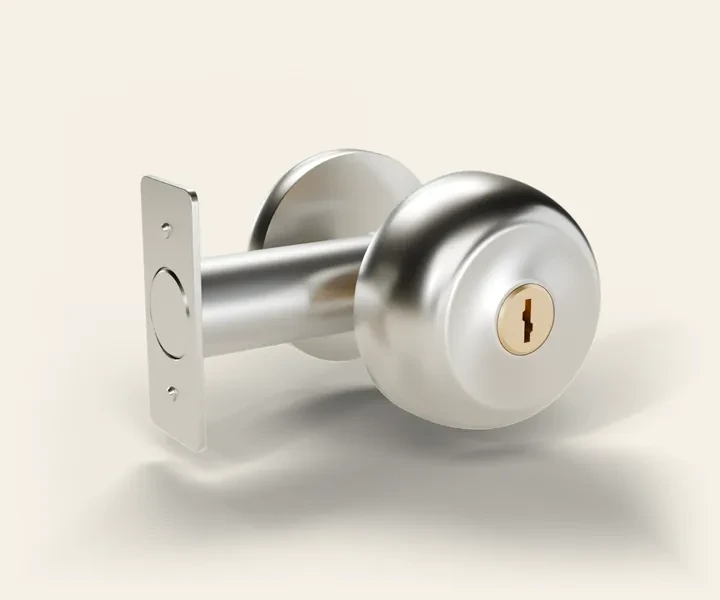
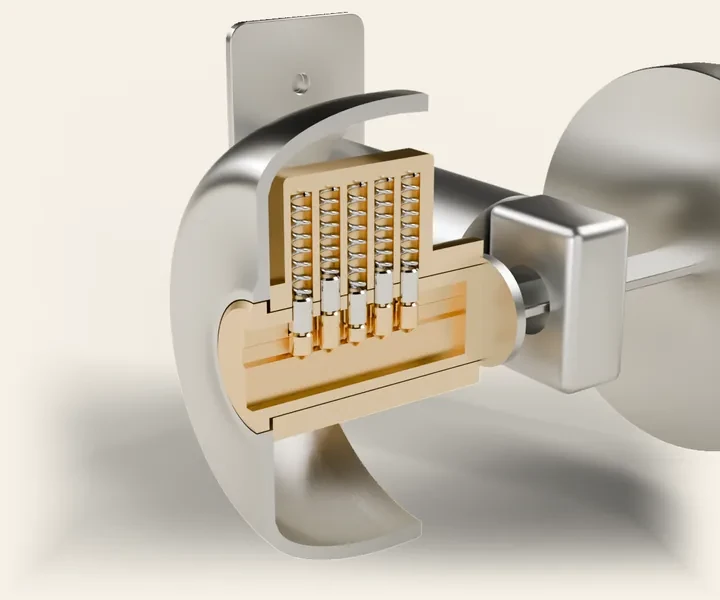
The lock you already have
02
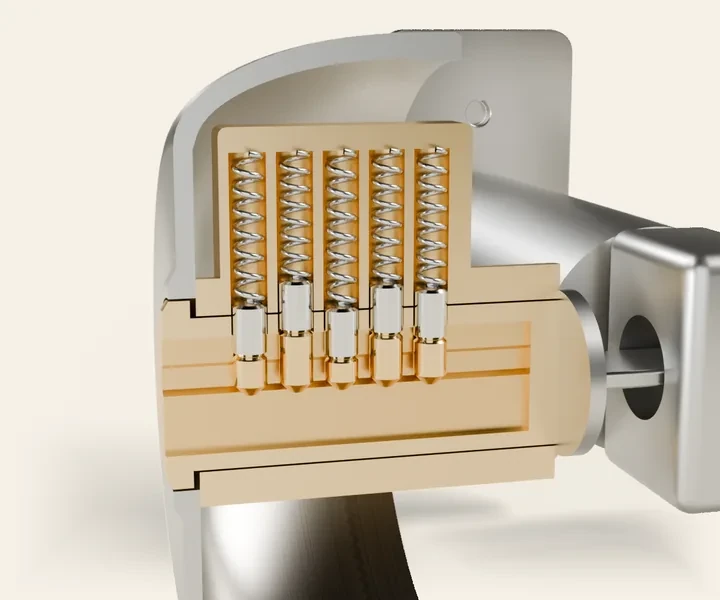
Inside the cylinder
03
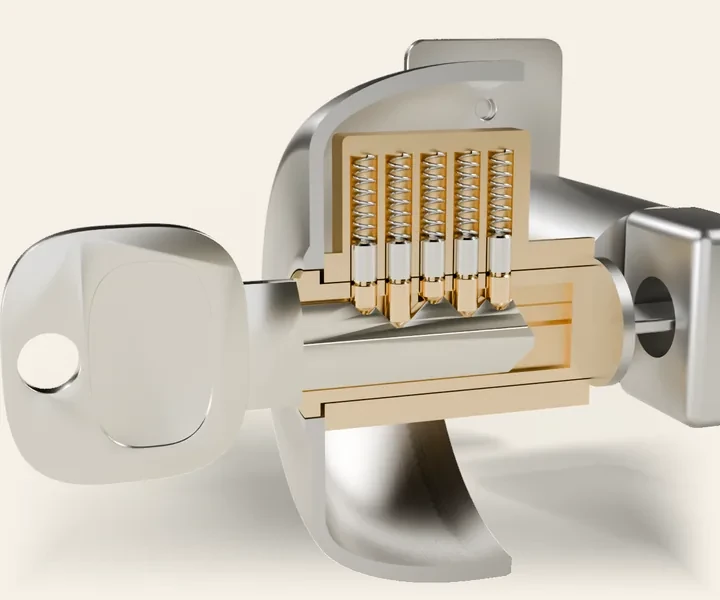
Pins, springs and the shear line
04
A new key, new pins
Lock Rekeying
How the visit goes
Smart locks and user-rekeyable cylinders
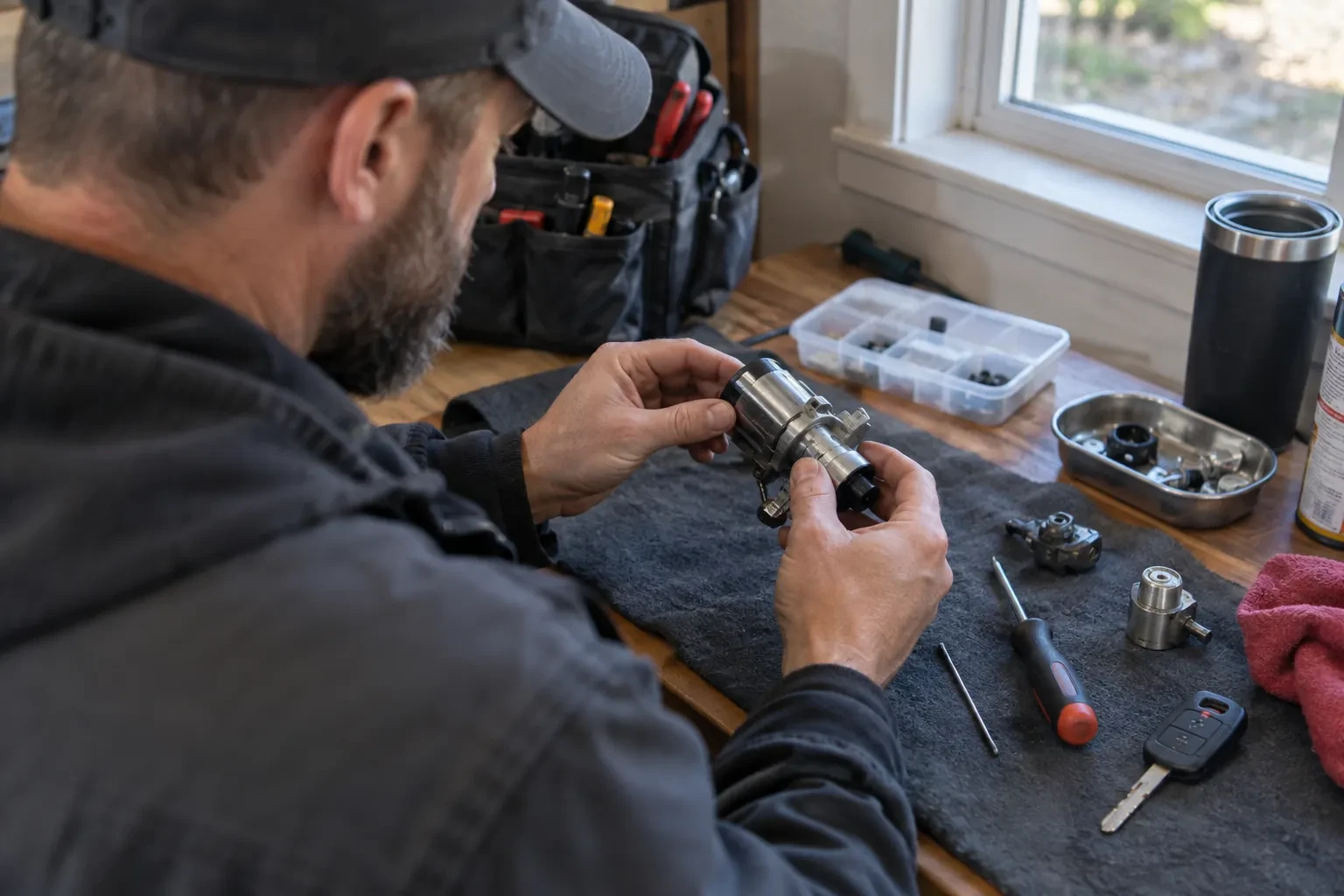
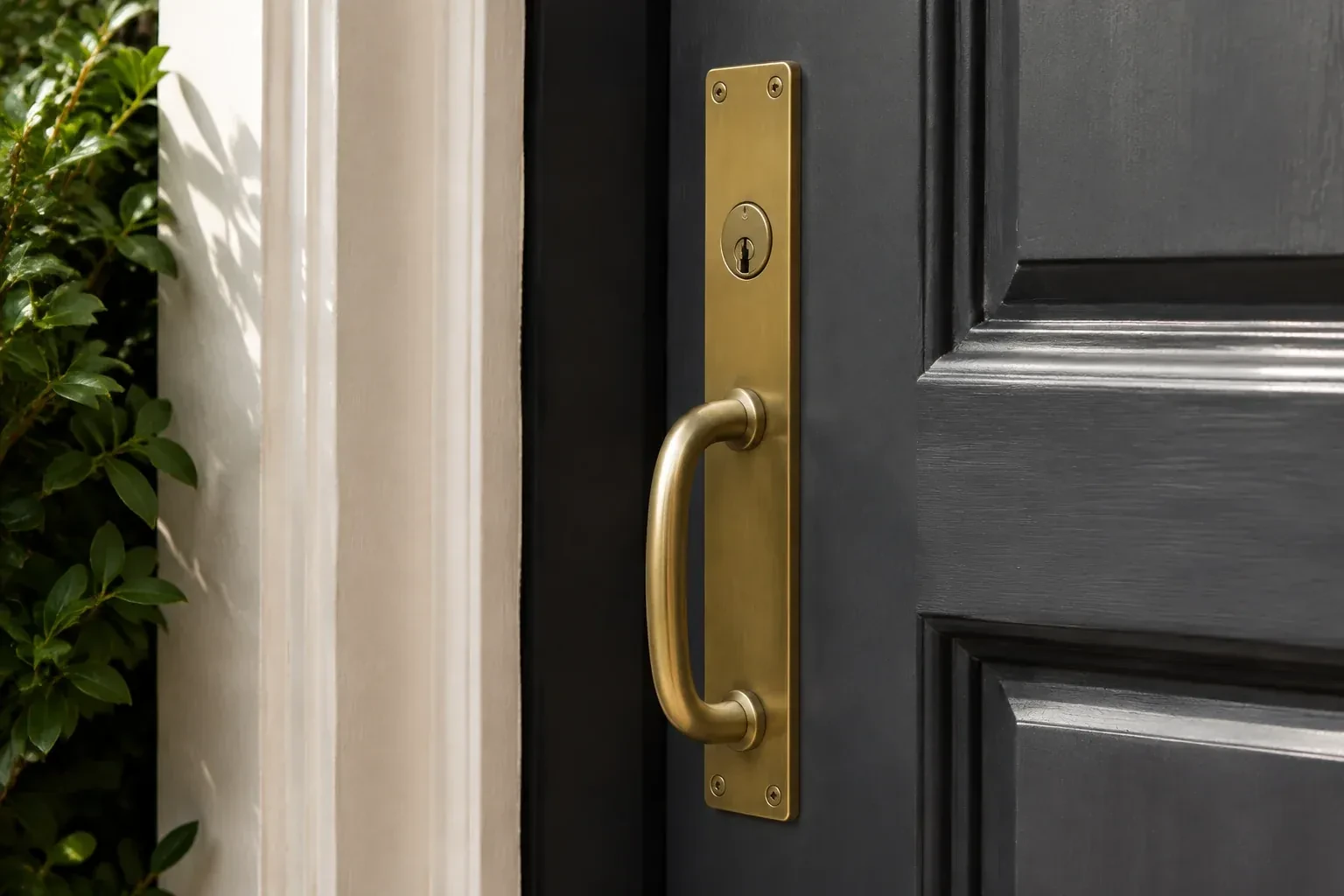
Modern hardware gets its own look. Many keypad or app-controlled deadbolts have a conventional override cylinder behind a cover that can be rekeyed to the house key so the backup key is not a stranger on your ring, though some models are key-free and use an external battery backup instead. Some residential cylinders are designed to be reset by the owner with a small tool and a working key; the locksmith checks whether one has been reset correctly and whether it accepts the new key. Where a smart lock is being kept, codes are reviewed at the same time so a departed keyholder's code goes the way of their key.
Cutting the new key and gauging the depths
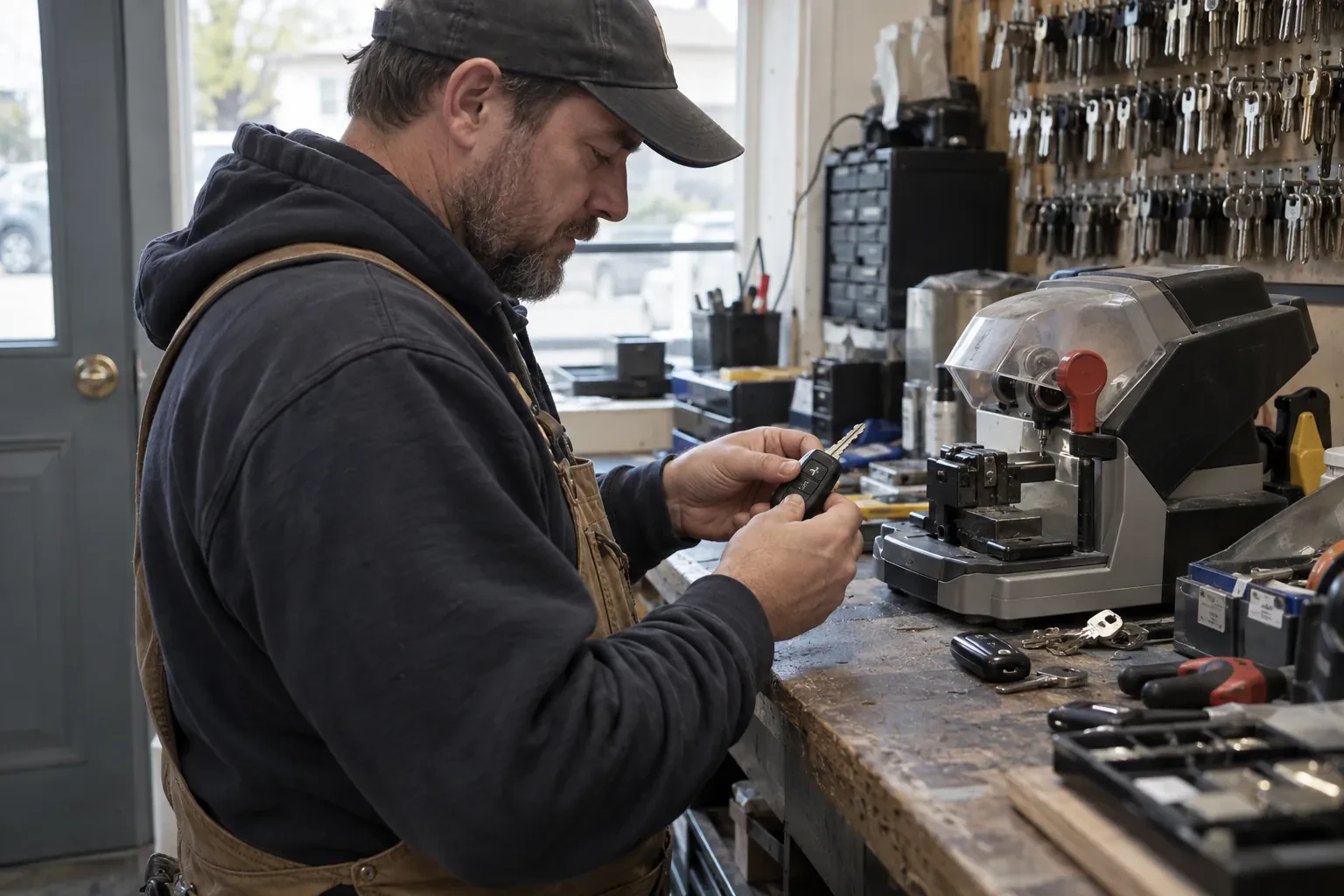
On this cylinder type, the new key comes first, then the pins to match it. The locksmith cuts a fresh key from a blank on a code cutter or duplicator, choosing a combination that is not close to the old one, and reads each cut with a key gauge to find its depth on the manufacturer's scale. Bottom pins of the matching lengths are picked from a graded pin kit and dropped into the plug chamber by chamber, so that when the new key is inserted every pin top sits exactly at the shear line. A key cut from a clean blank and pins matched to it by gauge is what gives a rekeyed lock that crisp, new feel.
A written note of what was done
A short record closes the job: which doors were rekeyed, whether any cylinder was replaced, how many keys were issued and to whom, and any door that was deliberately kept on its own key. For a homeowner it is a line in the house file that answers the question, years from now, of which key opens what. For a landlord it is the handover to give the incoming tenant and to keep for the next turnover. For a property manager it is the start of a proper keying chart. It also makes any later work simpler, since the next locksmith can see what system the house is on.
Lock Rekeying
In the van
Replacement cylinder for odd keyways
Cylinder shim
Key gauge
Key blanks
Reset tool for user-rekeyable cylinders
Lock Rekeying
What affects the quote
Number of keys cut
Keys are cut and tested individually, so the total depends on how many the household or the tenants need. Say the number when you book and the quote reflects it from the start.
Several units in one building
A landlord rekeying a duplex, a triplex or a small apartment building, with each suite on its own key and a common entry shared, has more cylinders and a keying chart to build, and the quote grows accordingly.
No working key for a door
When a cylinder must be shimmed, decoded or picked open before it can be repinned because no key exists for it, that extra step is included in the quote for that door.
What to have ready
- Do you own the home, rent it, or manage it for someone else?
- Which doors do you want rekeyed, and have you counted the door from the garage?
- Is there a shed, gate, mailbox or padlock you would like on the same key?
Lock Rekeying: questions
QuestionsWhat is a restricted keyway, and does it change anything?
A restricted or patented keyway is one whose blanks are not sold to the public, so copies can only be cut by an authorized dealer from a record of who is allowed to have them. Rekeying such a cylinder is the same operation inside, but the new keys are cut from controlled blanks and the count is logged. The benefit is that a key cannot be duplicated at a kiosk without your knowledge, which makes the record of who holds one much easier to trust.
How is rekeying different from replacing the lock?
Rekeying keeps your existing deadbolt or handle set and gives it a new key, commonly by changing the pins inside, though some cylinders reset a different way. Replacing removes the whole lock or cylinder and fits new hardware. Rekeying suits locks that are in good condition and simply need a fresh key. Replacement is the better call for hardware that is worn or damaged, built to a low grade, on a keyway the other doors cannot share, or due for a change of style or a keypad.
Will my door hardware look any different afterwards?
No. The work happens inside the cylinder, so the bolt, handle, finish and strike plate stay exactly as they are, and nothing new is cut into the door. The only visible change is the key in your hand. If a cylinder does have to be replaced, because its keyway is incompatible with the others or it has worn out, the locksmith picks one in a matching finish so the door keeps a consistent look.
Related services
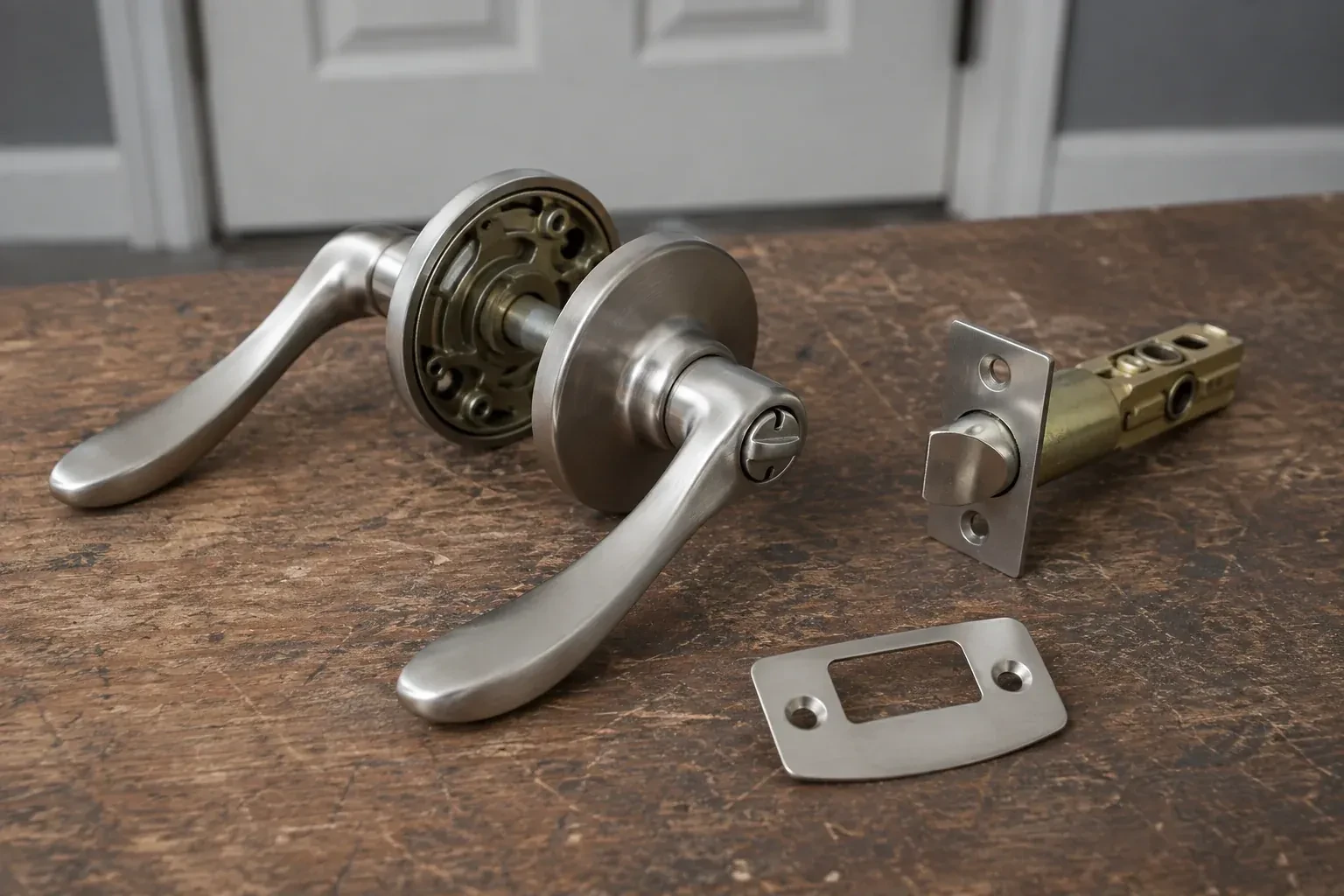
- Lock Replacement & UpgradeThe lever on the side door droops toward the floor and rattles in your hand.
- Vintage Mortise Lock ServiceThe old skeleton key still fits the keyhole, but it now needs a jiggle, a lean on the door and a little luck before the bolt moves.
- Smart Lock InstallationArthritis has made the small house key hard to grip and turn, especially with gloves on in January.