
Commercial · Delhi
Master Key System Design in Delhi
The new wing was built with its own brand of cylinder, so the two-year-old keys from the original building do not open a single door in the addition.
In plain words
Beyond convenience, master key system design is a security decision. It sets out who can duplicate a key, how many levels of access exist, and what scope the chart assigns to a lost key at each level, from one door up to the whole property for a top master. A restricted or patented keyway is often part of the answer, since it cuts down on copies being made anywhere other than through the record the owner controls. The result is a system where access matches role, duplication is tracked, and every missing key's designed scope is already known rather than guessed at afterward.
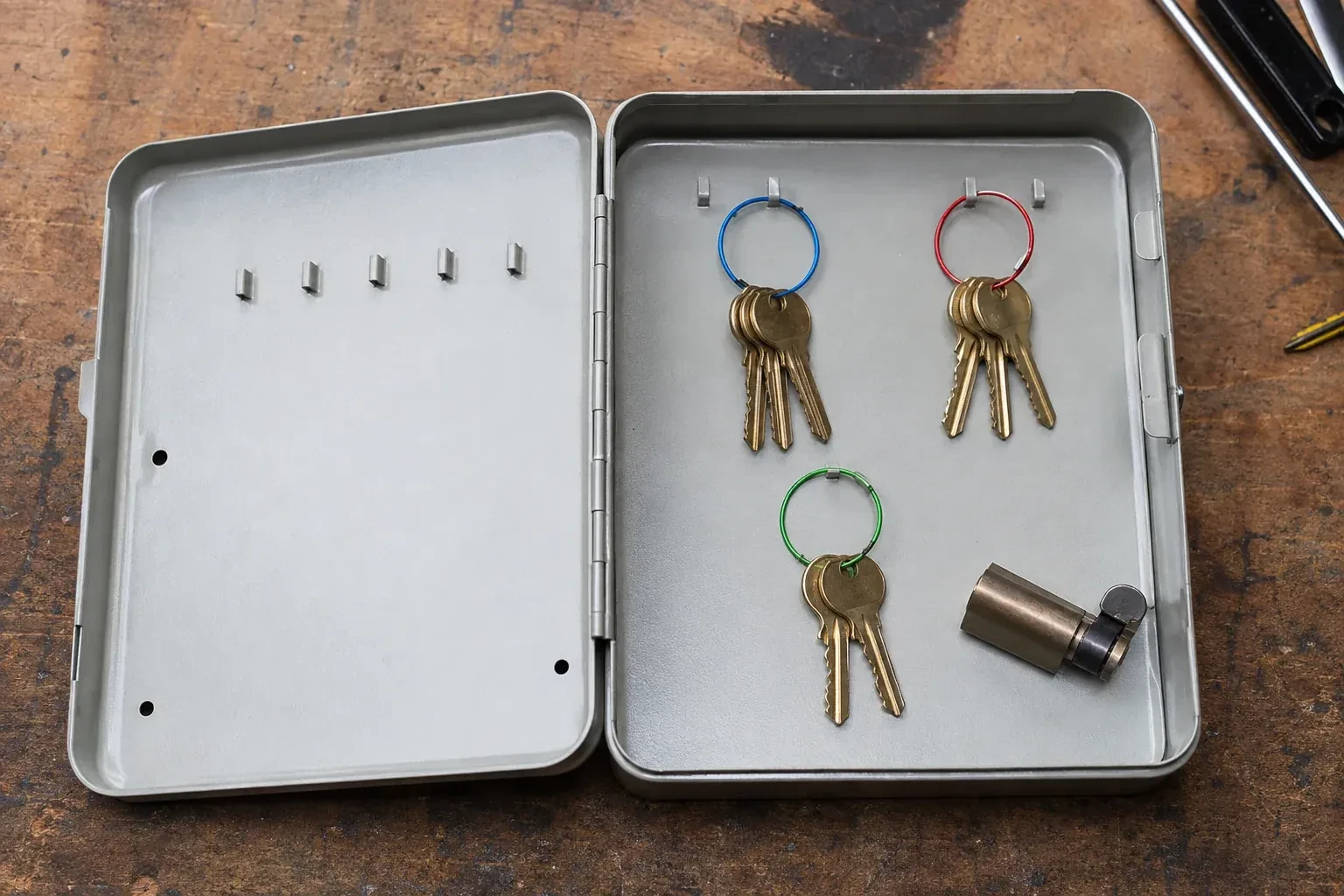
How the visit goesA property manager taking over a small commercial building inherits a shoebox of keys with no labels and no chart. Some open the mechanical room, some open vacant units, and a few do not seem to match anything currently on the property at all.
Master Key System Design
How the visit goes


Where a sub-master genuinely earns its place
Not every group of doors needs its own level. The assessment looks for places where a sub-master is a real convenience, such as a department, a floor, or a set of storage rooms used by the same small team, rather than adding levels for their own sake. A hierarchy with more levels than the business actually uses is harder to manage and easier to get wrong later, so this stage is as much about deciding what not to build as it is about what to include, before any pins are cut or any key blanks are ordered.
Testing every level before it is trusted
Each cylinder is tested on the bench with its assigned keys before it goes back on the door, then tested again once installed: the change key on its own door, the relevant sub-master across its whole group, and the top-level master across the entire property. Any lock that opens with a key it should not respond to is pulled and corrected on the spot rather than noted for later, since a hierarchy that has not been proven lock by lock is only a plan, not a working system.
A plan for the next new hire or department
Adding someone to the system afterward is usually a matter of consulting the existing chart and issuing them a copy of the authorized key their role already calls for, rather than opening the whole hierarchy back up. A genuinely new combination is only usable on doors whose cylinders are pinned to accept it, so the same chart shows whether that means picking an existing bitting or scheduling a repin, keeping the decision informed rather than improvised.
Master Key System Design
In the van
Restricted or standard key blanks
Key cutting machine
Compatible replacement cylinders
Bench test fixture
Key marking tools

Master Key System Design
What affects the quote
Administrator training and handover time
Walking the named administrator through the chart, the issuance process and how to handle a future lost key or new hire takes a defined amount of time on the day of handover, and a more detailed walkthrough for a larger, multi-level system takes longer than a simple one.
Collecting and retiring old keys
Gathering up old keys that are being replaced, confirming they no longer operate any cylinder, and retiring them from circulation is a small additional step some businesses want included, separate from the core design and cutting work.
Any optional upgrade chosen along the way
Some businesses use the project as an opportunity to also upgrade a door closer, add a keypad to one entry, or reinforce a strike plate. None of this is required for the master key system itself, and each optional item is quoted as its own line.
What to have ready
- Which roles or departments need genuinely different levels of access?
- Do any existing keys already open more than one door?
- Are there any doors you want left outside the master system entirely?
Master Key System Design: questions
QuestionsCan my existing locks be used, or do I need all new hardware?
Many existing cylinders can join a new hierarchy as they are, once their keyway and condition are confirmed compatible. Others, particularly older or mismatched hardware, are replaced so the whole system pins cleanly without cross-keying. The assessment identifies which doors fall into each group before any work begins, so the plan reflects what is actually on the property rather than assuming everything needs to change.
What records should I keep once the system is installed?
The keying chart itself, a log of which key or fob was issued to which person or role, and receipts signed when keys change hands. Together these let the business answer, at any point, who currently holds which level and when it was issued, rather than relying on memory once the locksmith who built the system is no longer involved.
How is accountability maintained when several people hold different levels of keys?
Through the chart and issuance log rather than memory. Each level is tied to named roles or people, each key is marked to reflect its level rather than the door it opens, and any change of hands is recorded with a signed receipt. That record names every authorized holder for a door, though it can only account for a key that was never copied, loaned or picked up by someone outside that list.
Related services
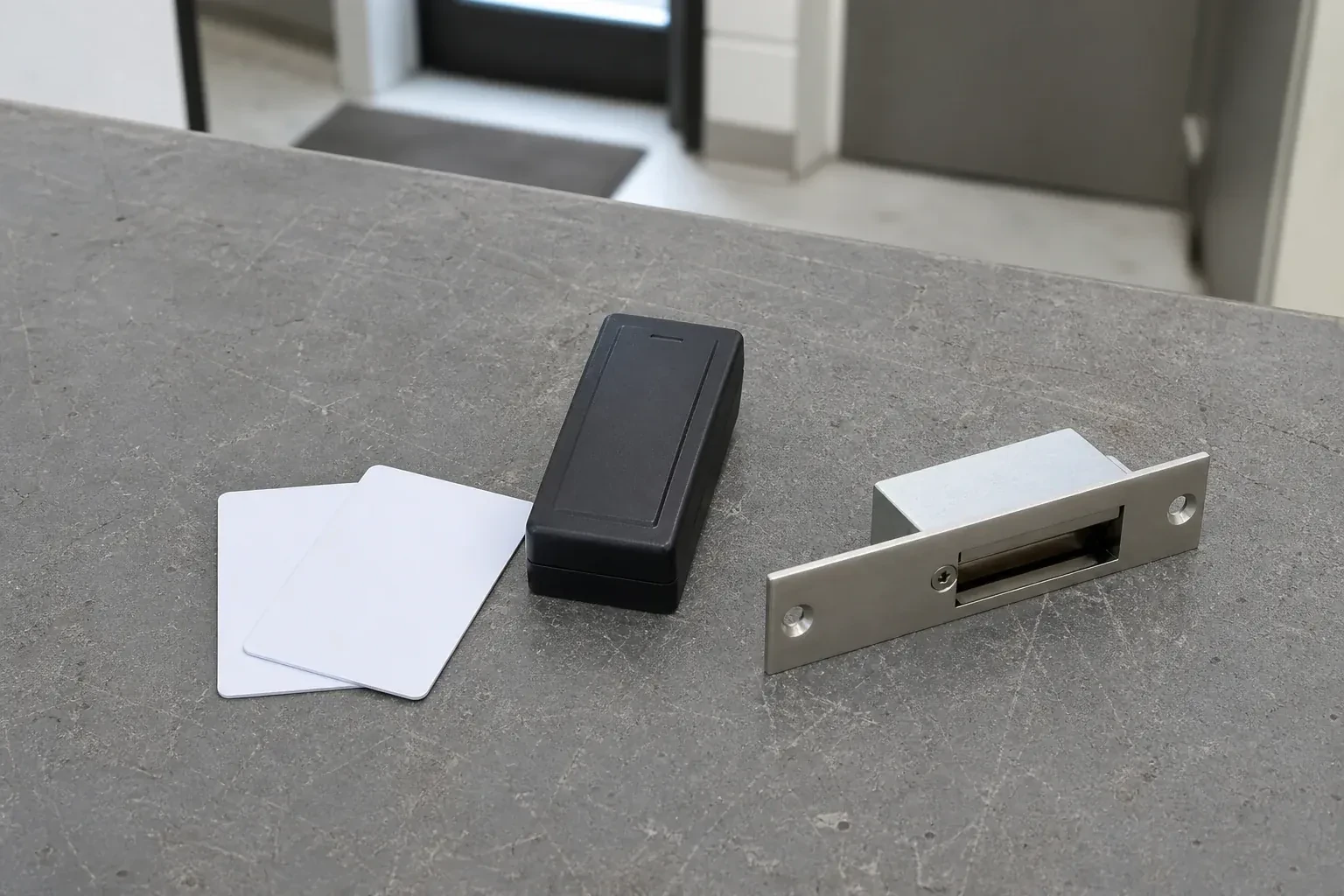
- Access Control InstallationHead office wants a record of who opens the branch and when, tied to an actual name rather than a shared code scrawled on a sticky note taped under the till.
- Panic & Exit HardwareAfter the fit-out, the gym floor now holds more people than the old office space ever did, and the exit door at the back still has the same turn-lock it had when the room held desks.
- Commercial-Grade Lock ReplacementAt closing time the hookbolt on the storefront door catches the keeper only on the second or third try, and one employee has started giving the door a shoulder to force it home.