Change or rekey · Langton
Lock Rekeying in Langton
The whole key ring went missing somewhere between the grocery store and the bus.
In plain words
For landlords and tenants, rekeying is the tidy way to handle a change of occupancy. A departing tenant may have copied a key or simply forgotten to return one, and a fresh pinning means the incoming tenant is the only person holding a working key. Tenancy rules in this province expect a landlord who changes locks to give the tenant a replacement key and a tenant to have the landlord's consent before changing them, so a locksmith asks who is requesting the work and makes sure both sides end up with a key. A small record of the doors and key count keeps everyone clear.
How the visit goesYour roommate moved out last weekend. Rent is settled, the room is empty, and the key is still on their ring. You trust them, but the lock on your front door should answer to the people who actually live here.
Inside the lock
What a rekey changes
01
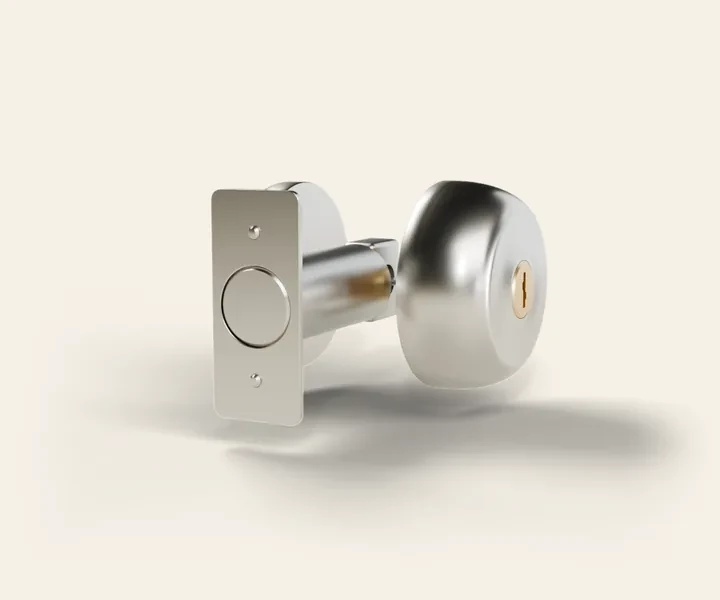
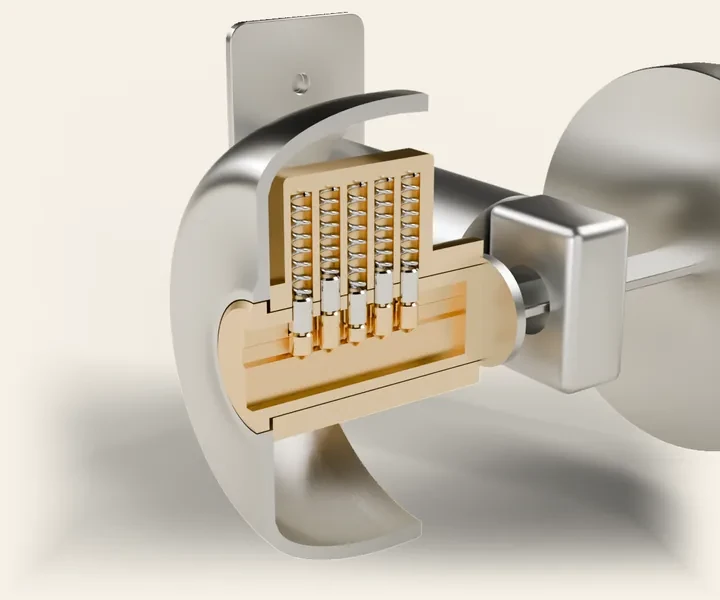
The lock you already have
02
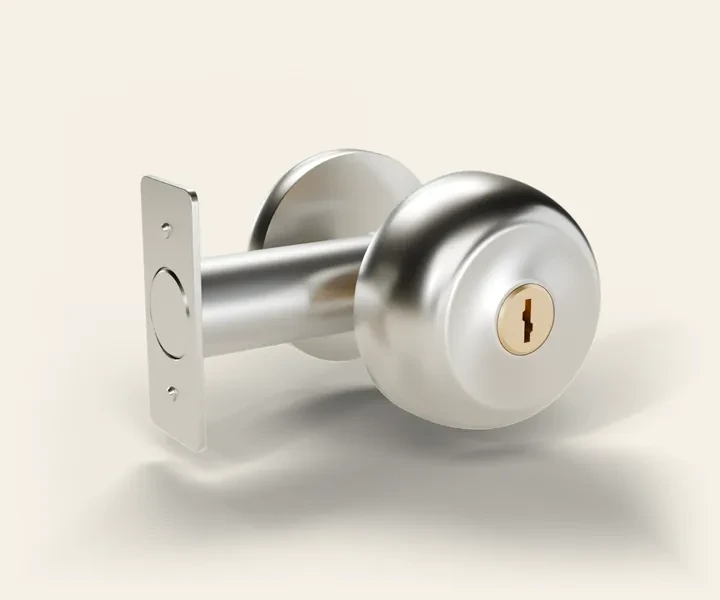
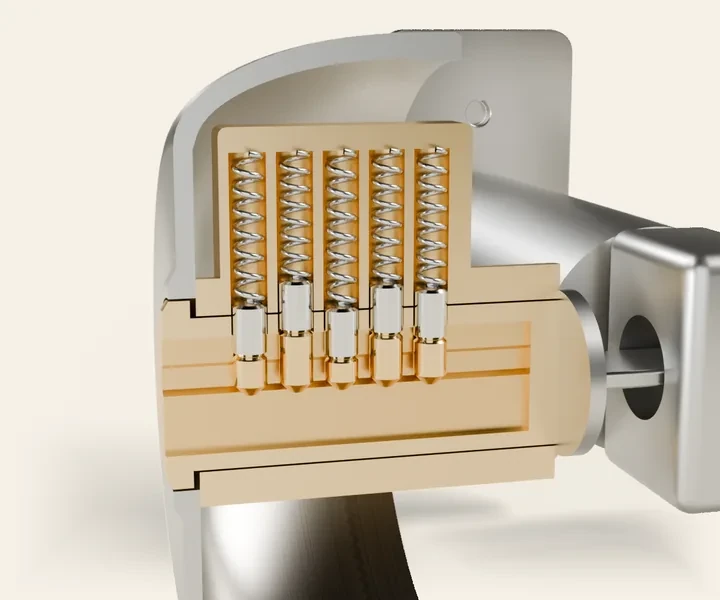
Inside the cylinder
03
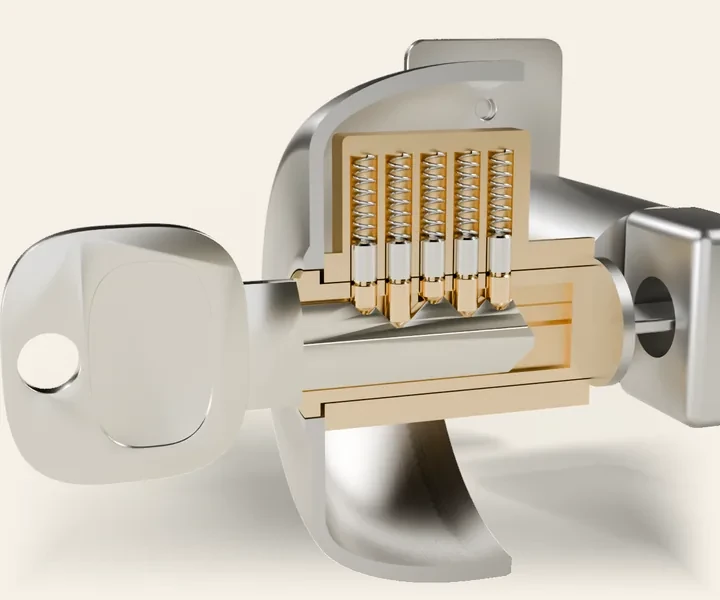
Pins, springs and the shear line
04
A new key, new pins
Lock Rekeying
How the visit goes
Doors that belong to someone else
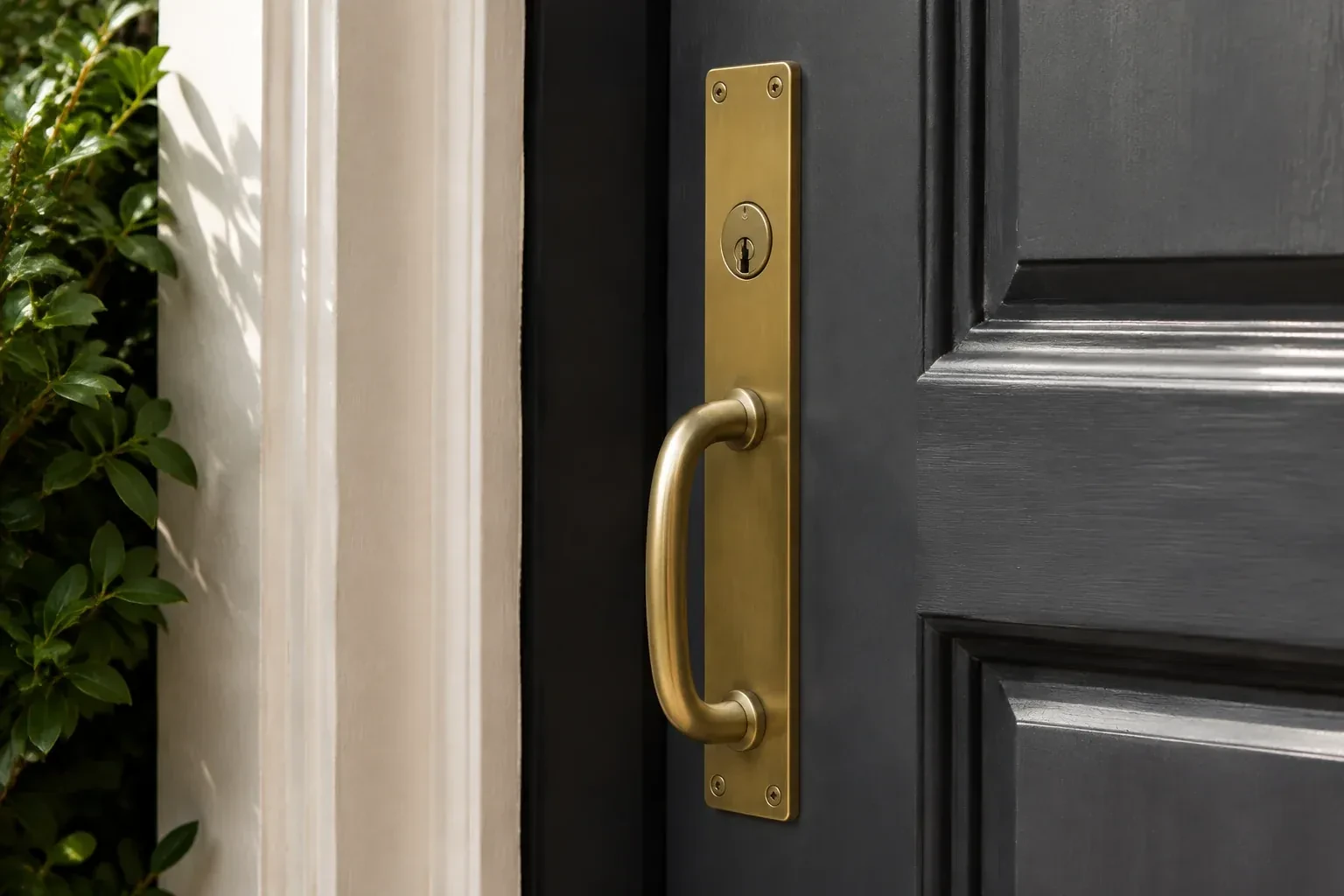
A few openings around a home are not the occupant's to change, and sorting them out early avoids awkwardness later. In a condominium, the lobby, the garage, the locker room and the mailroom are the corporation's doors, and the suite door itself may need to remain on a system the building can access in an emergency. In a rental, the landlord has a say and must be given a key. A shared side entrance in a semi-detached or a duplex serves two households. The locksmith asks about each of these, confirms who needs to agree, and keeps them separate from the doors that are plainly yours.
Sliding the plug and changing the pins
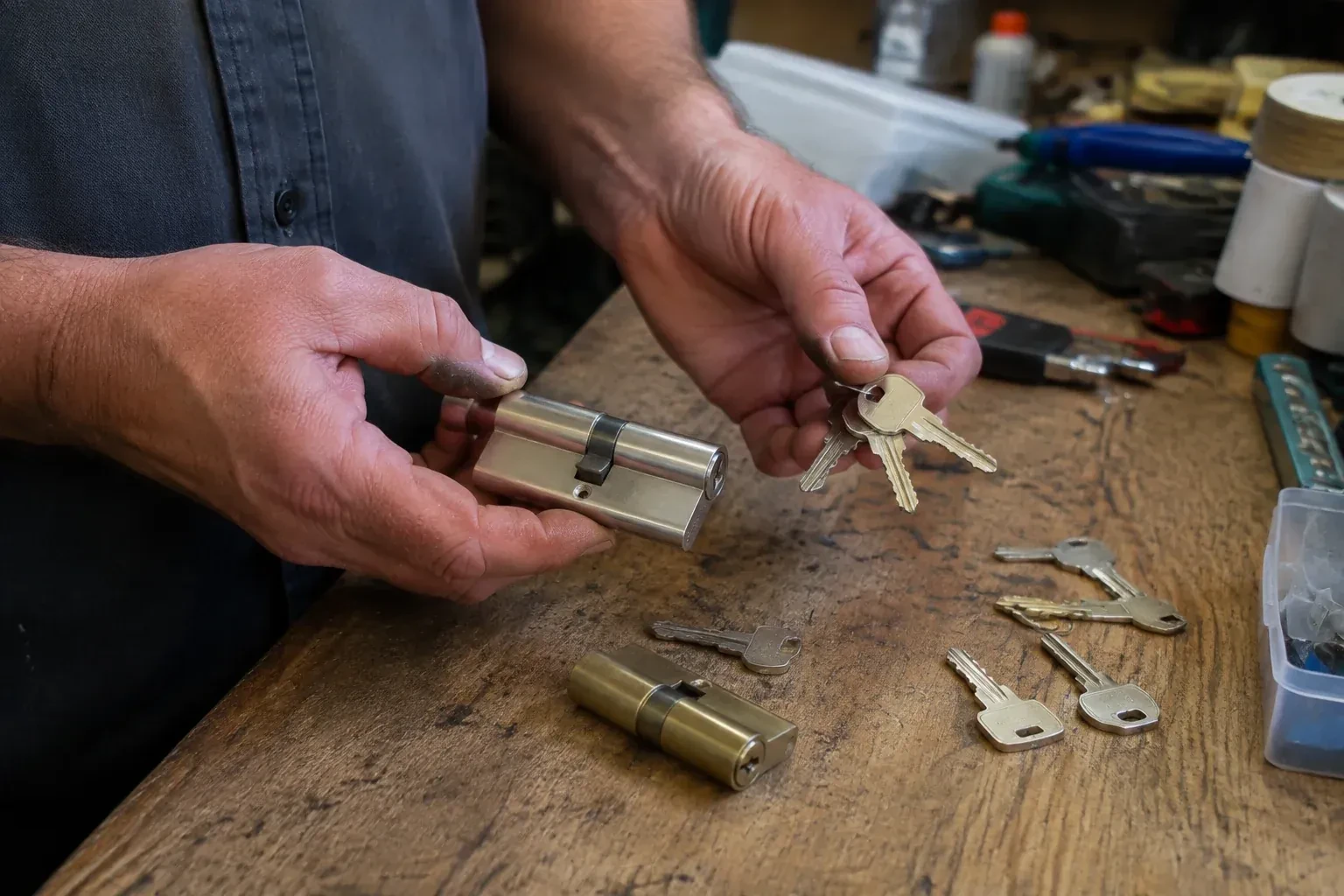
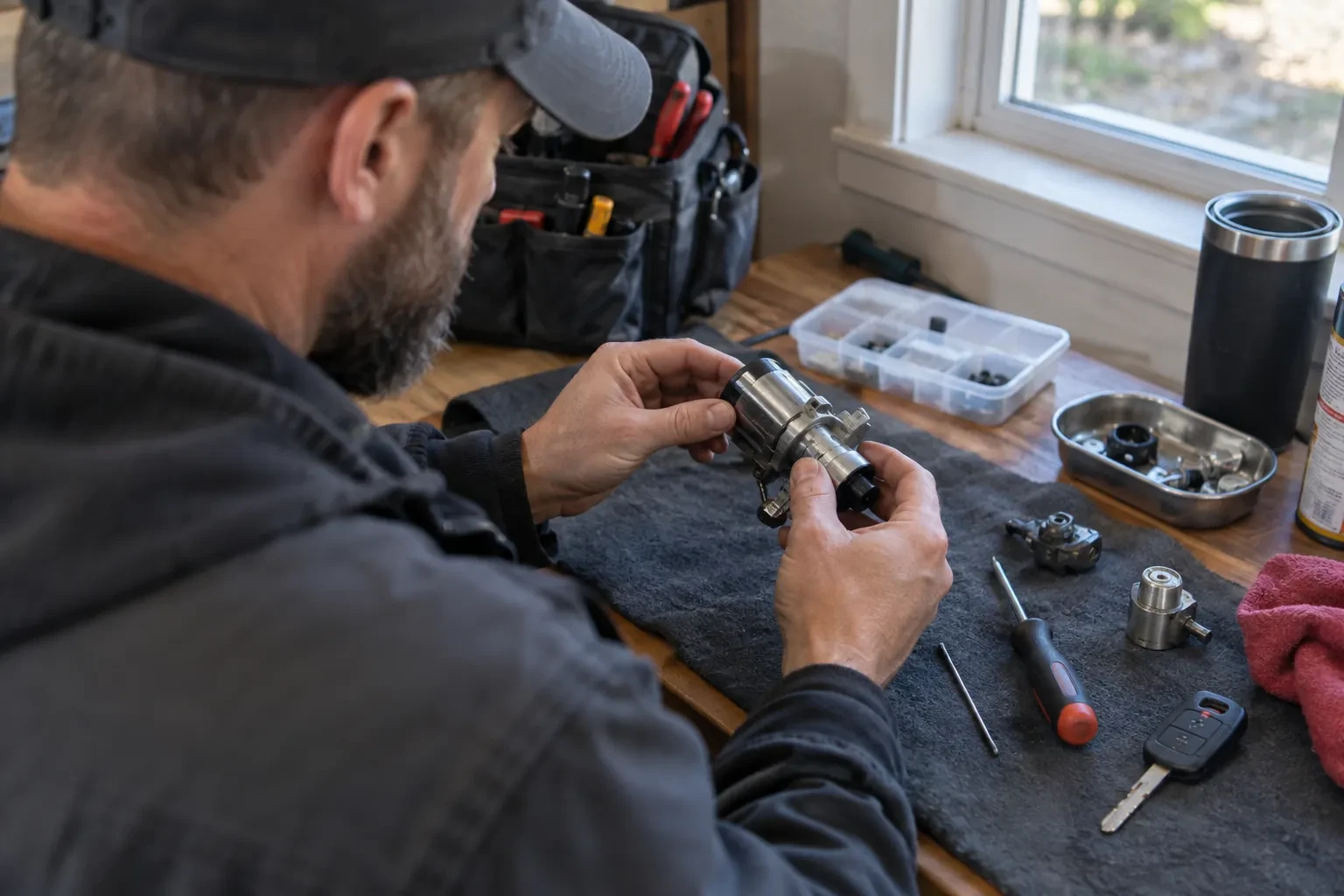
With the cylinder in hand, the locksmith removes the cam or tailpiece from the back, inserts the existing key and turns the plug slightly so the top pins clear, then pushes a plug follower in behind the plug as it slides out. The follower holds the top pins and springs in the housing so nothing springs loose. The plug now sits on the bench with its row of bottom pins exposed, and those pins are tipped out. This is the heart of rekeying a pin-tumbler cylinder: the pins that decided which key worked are gone, and the plug is ready to receive a set that matches a key nobody has ever carried.
New keys, counted and tried in every door
You finish the visit holding the only keys that work, and you know exactly how many there are. The locksmith cuts the agreed number from the fresh pinning rather than copying one from another, so each is as true as the first, and tries every one in every door it should open before handing them over. Count them, decide who in the household gets one, and put the spare somewhere you will remember. If a door was left on a separate key on purpose, that key is tagged so it does not get mixed into the house set. The whole set fits comfortably on one ring.
Lock Rekeying
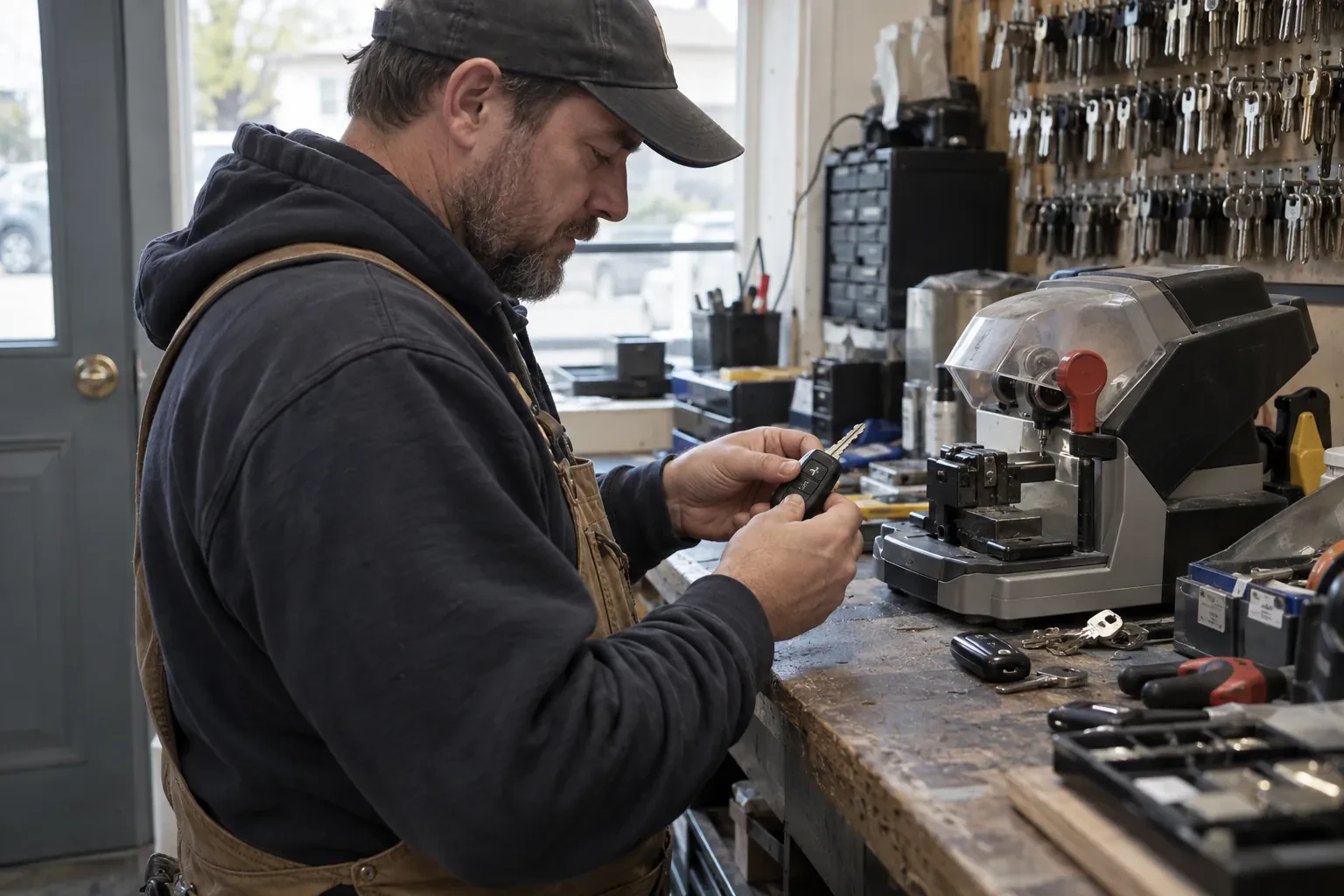
In the van
Replacement cylinder for odd keyways
Cylinder shim
Key gauge
Key blanks
Reset tool for user-rekeyable cylinders
Lock Rekeying
What affects the quote
Upgrades chosen during the visit
Some people take the opportunity to replace a double-cylinder deadbolt with a thumb-turn model, add a reinforced strike or move to a heavier deadbolt. None of it is needed to rekey; each is a separate line.
One key group or several
Keying every door alike is the simplest plan. Setting up separate keys for a basement suite, an office or a shed adds a group to pin and label, and the quote shows that as separate work.
Mailboxes, padlocks and cabinets
Small cam locks on mailboxes and cabinets are usually replaced rather than repinned, and padlocks vary in whether they can join the house key; each of these is priced as its own item.
What to have ready
- How many new keys will your household or your tenants need?
- Is there a basement suite or office that should keep its own key?
- Would you like every door on one key, or should some doors stay separate?
Lock Rekeying: questions
QuestionsWhat is a restricted keyway, and does it change anything?
A restricted or patented keyway is one whose blanks are not sold to the public, so copies can only be cut by an authorized dealer from a record of who is allowed to have them. Rekeying such a cylinder is the same operation inside, but the new keys are cut from controlled blanks and the count is logged. The benefit is that a key cannot be duplicated at a kiosk without your knowledge, which makes the record of who holds one much easier to trust.
How is rekeying different from replacing the lock?
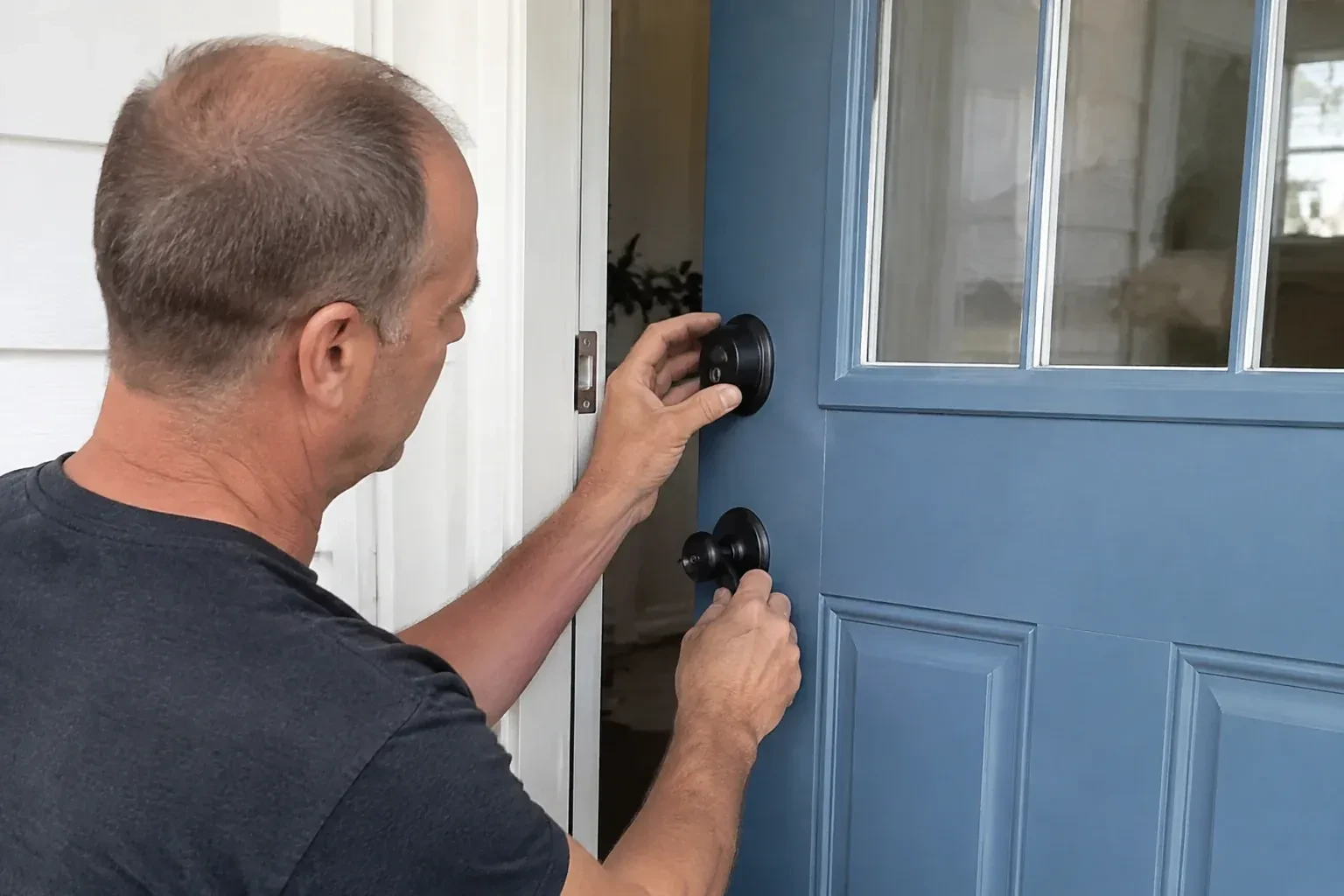
Rekeying keeps your existing deadbolt or handle set and gives it a new key, commonly by changing the pins inside, though some cylinders reset a different way. Replacing removes the whole lock or cylinder and fits new hardware. Rekeying suits locks that are in good condition and simply need a fresh key. Replacement is the better call for hardware that is worn or damaged, built to a low grade, on a keyway the other doors cannot share, or due for a change of style or a keypad.
Will my door hardware look any different afterwards?
No. The work happens inside the cylinder, so the bolt, handle, finish and strike plate stay exactly as they are, and nothing new is cut into the door. The only visible change is the key in your hand. If a cylinder does have to be replaced, because its keyway is incompatible with the others or it has worn out, the locksmith picks one in a matching finish so the door keeps a consistent look.
Related services
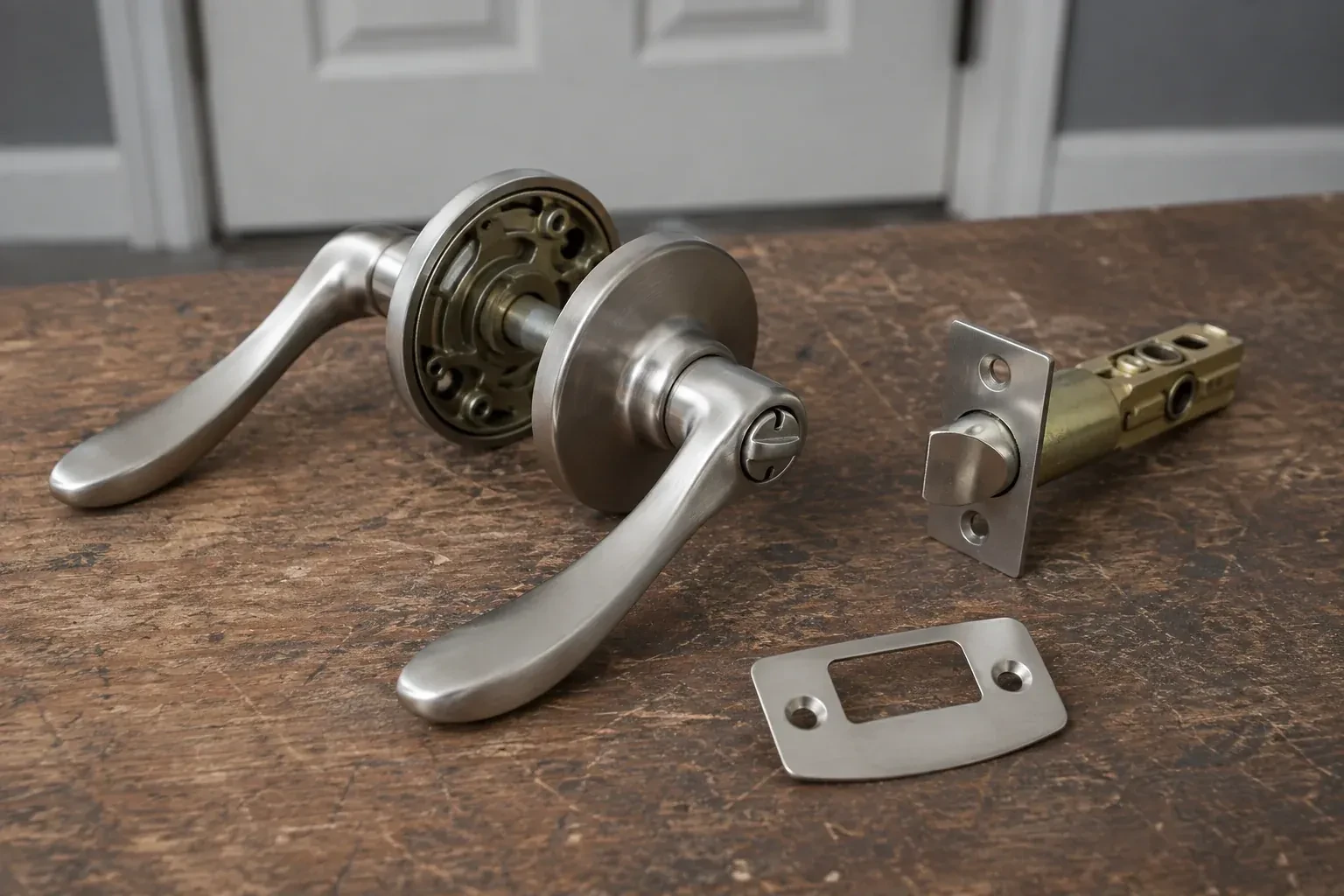
- Lock Replacement & UpgradeThe lever on the side door droops toward the floor and rattles in your hand.
- Vintage Mortise Lock ServiceThe old skeleton key still fits the keyhole, but it now needs a jiggle, a lean on the door and a little luck before the bolt moves.
- Smart Lock InstallationArthritis has made the small house key hard to grip and turn, especially with gloves on in January.