Change or rekey · Norfolk County
Lock Replacement & Upgrade in Norfolk County
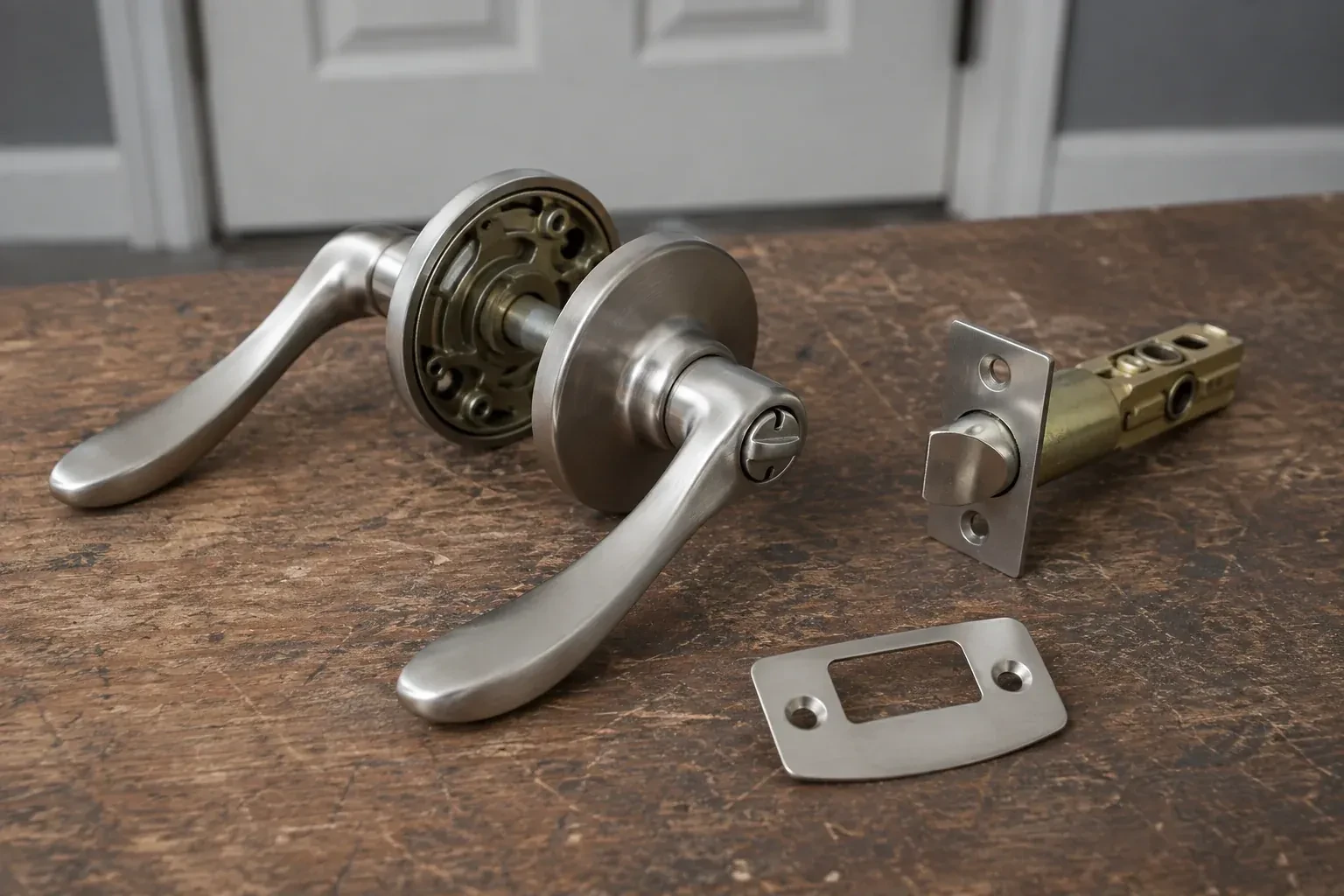
The lever on the side door droops toward the floor and rattles in your hand.
In plain words
When people say upgrade they usually mean a heavier lock, and there is a real scale behind that word. Builders hardware in North America is graded to ANSI/BHMA standards, with Grade 1 the highest and Grade 3 the lightest, and residential products carry a separate label scoring security, durability and finish. A higher grade certifies stronger performance on the standard's own tests, and moving up often brings a longer hardened bolt, a sturdier housing, pins that resist picking and a strike built to anchor into the framing, though the exact features depend on the model. The locksmith explains which grade fits which door.
How the visit goesThree teenagers, a dog walker, a cleaner and one house key that keeps going missing. You are tired of cutting copies and would rather give each person a code you can switch off, with a proper deadbolt behind it.
Lock Replacement & Upgrade
How the visit goes
How the old lock behaves in use
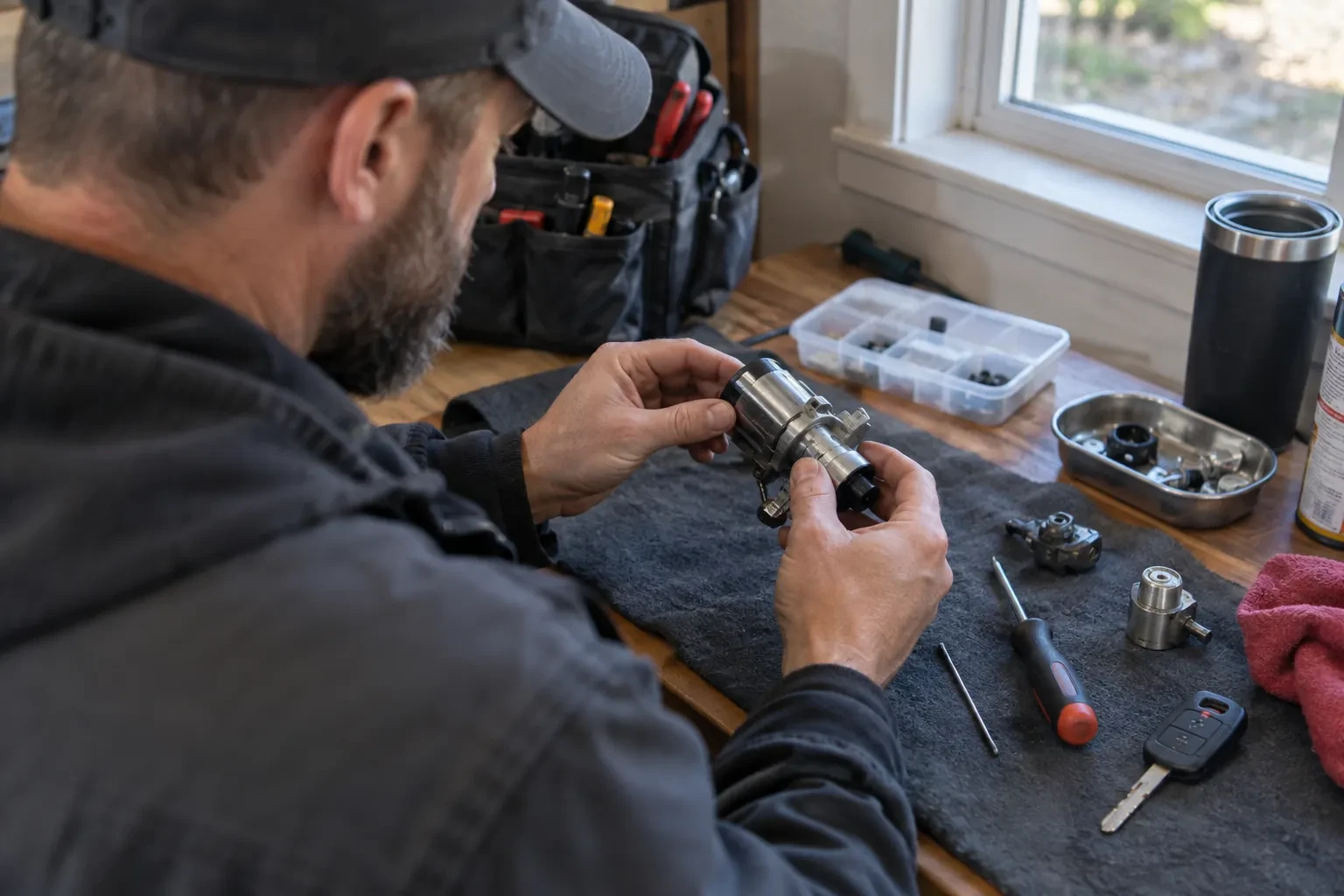
The locksmith works the existing hardware the way you do every day and watches for the tell-tale signs. A key that must be lifted or wiggled points to worn pins or a worn key. A knob that turns too far, or a lever that droops, suggests a tired spindle or spring. A latch that stays retracted, or a bolt that stops short, can be internal wear or something outside the lock altogether. Doing this with the door open first, then closed, separates faults inside the mechanism from faults in the fit of the door, and that distinction decides whether new hardware is the answer or part of the answer.
Stepping up the grade of a deadbolt
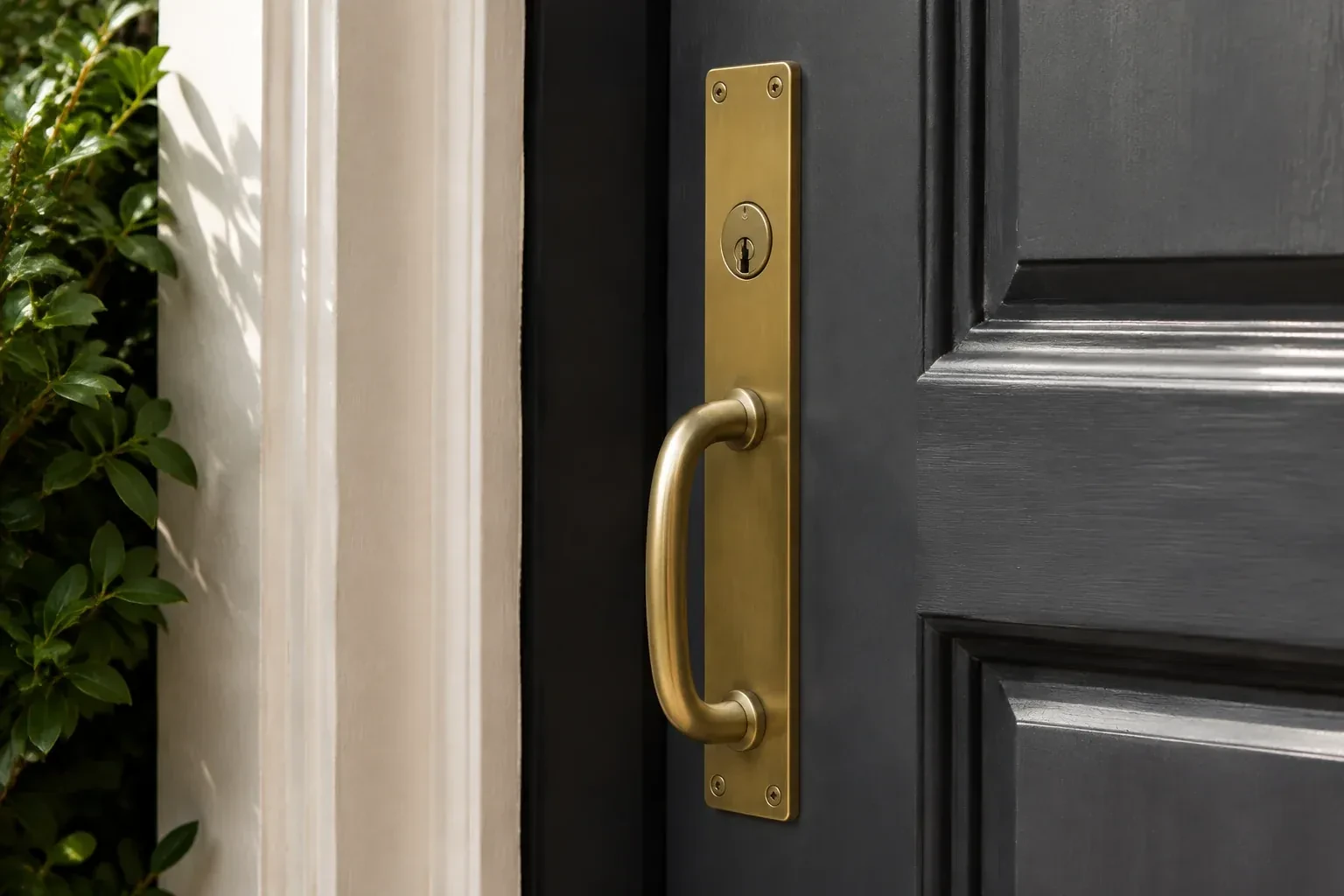
When the brief is a stronger door, the new deadbolt is chosen for what is inside it: a bolt with a full 25 millimetre throw and a hardened steel insert that spins against a saw, a housing that stands low so a wrench has nothing to grip, and a cylinder with pins that resist picking and bumping. Fitting follows the normal steps, but the locksmith confirms the bolt reaches full extension with the door closed, because a high-grade bolt seated halfway into a shallow pocket behaves like a low-grade one. The strike is upgraded alongside it so both halves of the lock share the same standard.
A clear plan for the remaining doors
Most households do not replace every lock in one visit, and you leave with a short list of what is left, in order of importance. Typically the front door and the garage-to-house door come first, then the back and side doors, then the patio slider and interior sets. Because the key plan has been settled, any lock added later can be pinned to the same key, so the house stays on one key as the work continues. Finishes and styles are recorded so future hardware matches. The first visit sets the standard; the rest of the house can follow when it suits you.
Lock Replacement & Upgrade
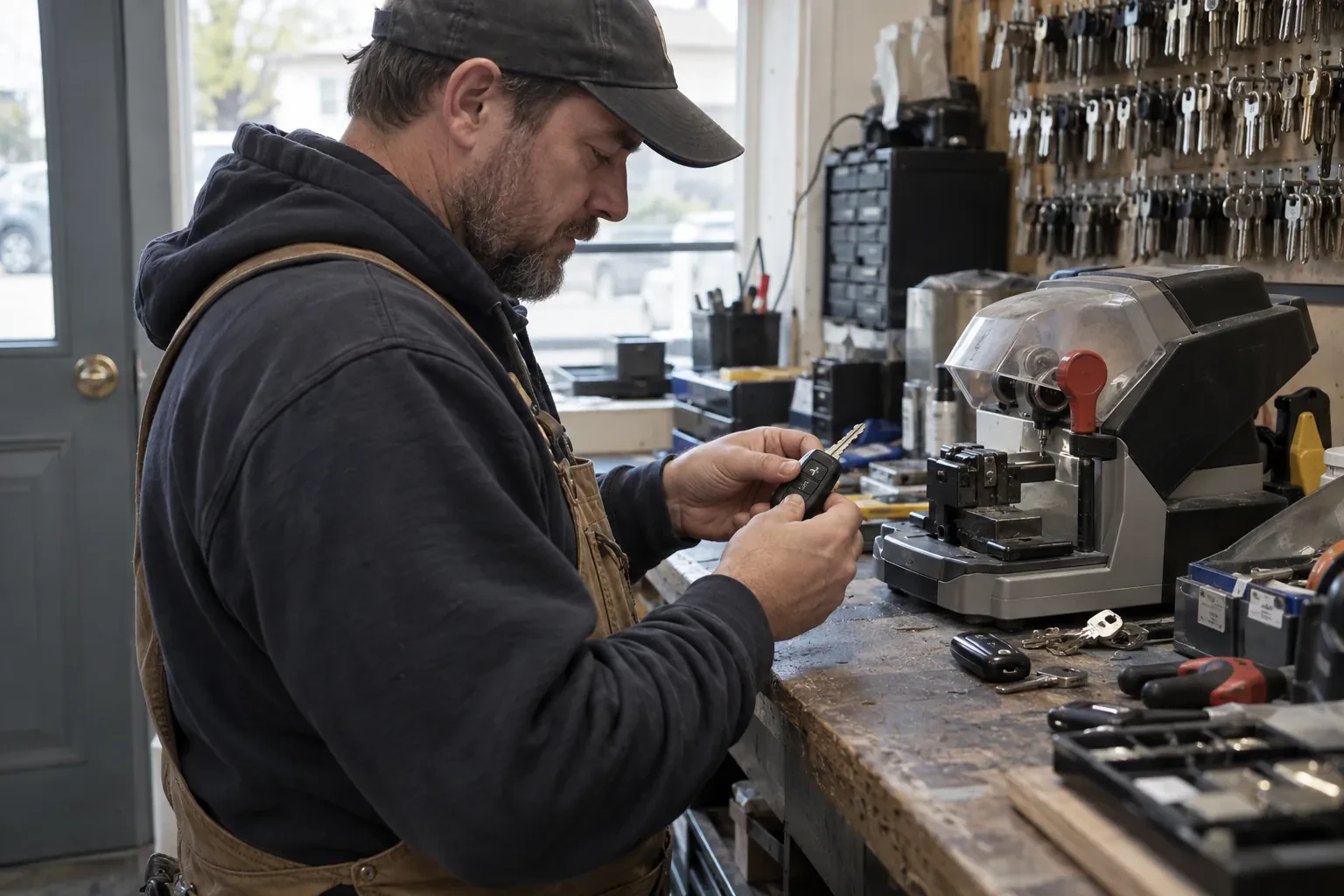
In the van
Graded deadbolt
Knob or lever entry set
Boring jig and hole saws
Adjustable latch or bolt
Cylinders, plug follower and pinning kit
Lock Replacement & Upgrade
What affects the quote
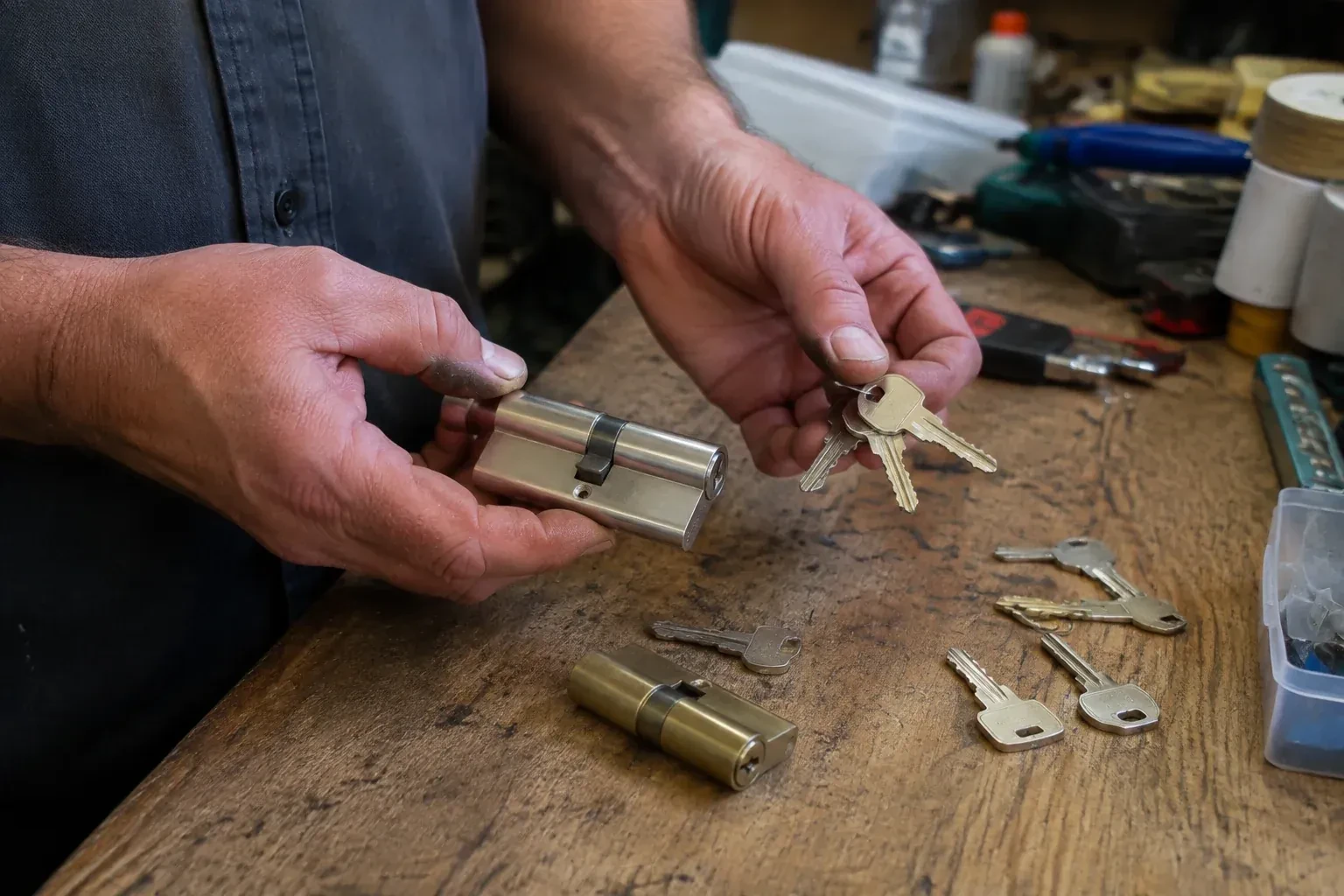
Keys cut
Each key is counted, and restricted keys cut against a card are a different item from standard blanks. Say how many people need one and the quote lists them.
Strike reinforcement and jamb repair
A reinforced strike with long screws is a modest addition; repairing a jamb split from a forced entry, or fitting a strike box into a frame that has never had one, adds labour and materials.
Restricted keyway system
Patented cylinders and controlled key blanks cost more than standard hardware and involve setting up your key records, which is quoted separately from an ordinary replacement.
What to have ready
- Has the door been forced or damaged, or does it need a push to lock?
- Can you photograph each lock from outside, inside and along the door edge?
- How many keys does the household need, and should copying be restricted?
Lock Replacement & Upgrade: questions
QuestionsMy door has glass beside it. Should I fit a deadbolt keyed on both sides?
A keyed interior cylinder means finding a key to get out, which is not what you want on a door people use every day. The steadier answer for a door with glass is a single-cylinder deadbolt with a thumb-turn, combined with a reinforced strike, a longer bolt and a security film or laminated glass in the sidelight.
Can the same visit replace locks on more than one door, or does each door need its own appointment?
One visit usually covers every door on the job. The locksmith brings a range of cylinders and strikes, measures each door's backset and bore, and works through the list in order, front entrance first if a key change matters most there. Having a rough list ready, which doors, and whether they should end up on one key or several, lets the locksmith plan hardware before arriving rather than working it out door by door on site.
My old house has a mortise lock. Can it take modern hardware?
Often the original case can be kept and given a new cylinder and strike, which keeps the period look and the old door intact. Where the case is beyond service, a filler or conversion plate covers the mortise pocket and lets a cylindrical deadbolt or knob set be fitted without cutting into the door's stile. The locksmith looks at the door before recommending either path, since old doors vary a great deal.
Related services
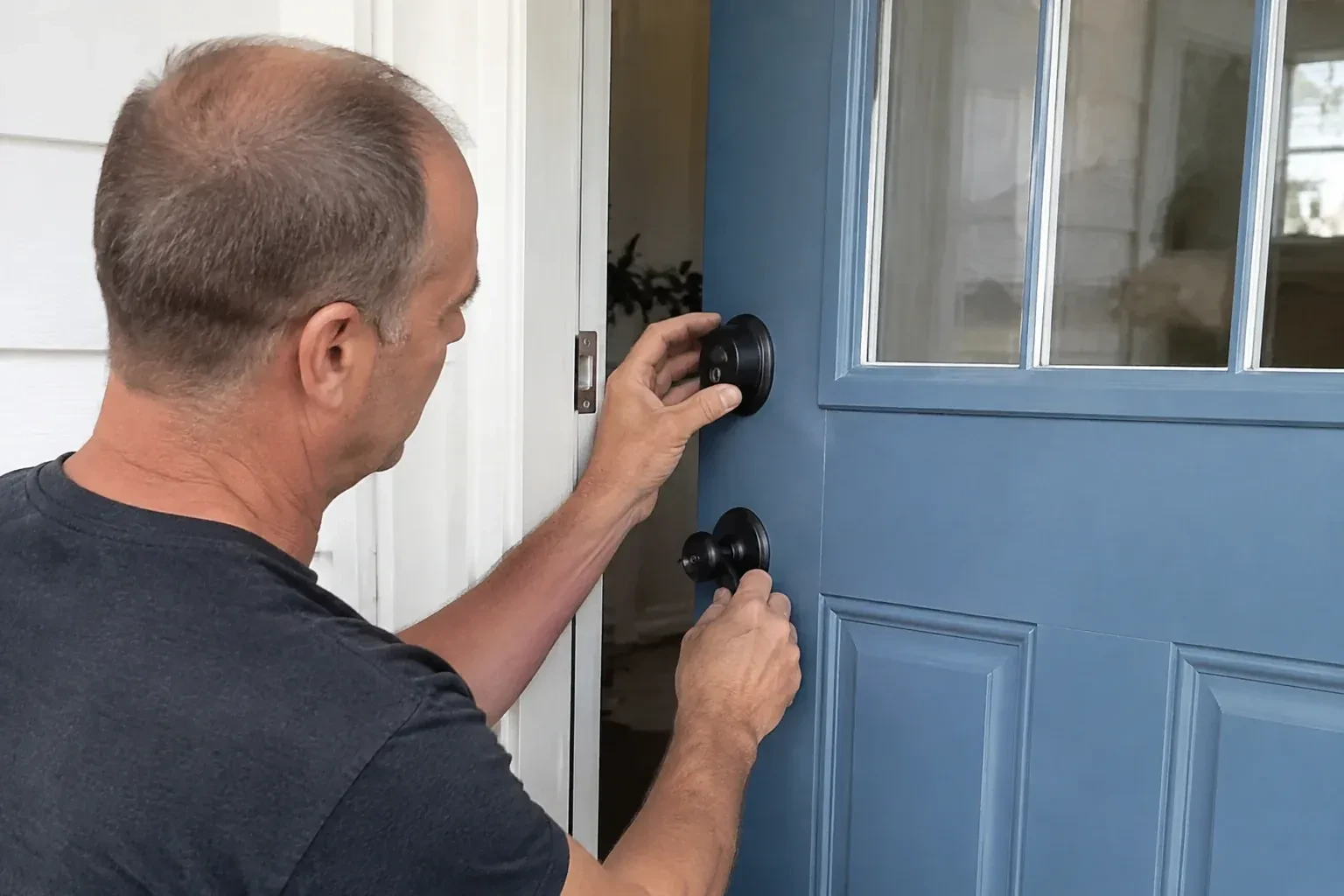
- Deadbolt InstallationThe old deadbolt has grown lazy.
- Vintage Mortise Lock ServiceThe old skeleton key still fits the keyhole, but it now needs a jiggle, a lean on the door and a little luck before the bolt moves.
- Smart Lock InstallationArthritis has made the small house key hard to grip and turn, especially with gloves on in January.